

The Therapist as Expert Witness: Standard of Care, Objectivity, and Staying in Your Role – An Interview with Nicol Stolar-Peterson, PsyD, LCSW, BCD
Most therapists did not get into this field to spend time in court. Still, legal proceedings find their way to us, whether that means testifying about a client you have treated or being asked to review another clinician’s work and offer an opinion. When Curt was recently asked to serve as an expert witness in a licensing board complaint, he said yes, and then he called Nicol Stolar-Peterson, PsyD, LCSW, BCD, for help getting ready.
Curt and Katie talk with Nicol about what it actually takes to become an expert witness, how fact witness and expert witness roles differ, and why standard of care means what a reasonable therapist would do (bronze, in Nicol’s framing) rather than best practice. They also get into how experts stay objective when attorneys are trained to persuade, and what the day-to-day work of records review, reports, and depositions looks like.
Click here to scroll to the podcast transcript.Transcript
(Show notes provided in collaboration with Otter.ai and Claude AI.)
About Our Guest: Nicol Stolar-Peterson, PsyD, LCSW, BCD
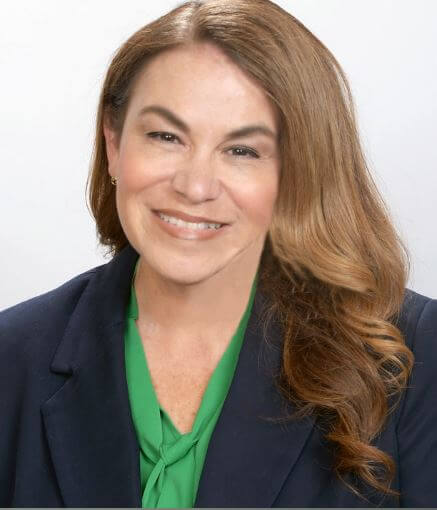 Nicol Stolar-Peterson, PsyD, LCSW, BCD serves as a national expert witness in the areas of child abuse, child protective services, and clinical social work. She runs Kids Court & Counseling Center, a nonprofit she co-founded, where children who are victims of crimes and abuse receive trauma reduction with light exposure to the courtroom prior to testimony, so they can leave court feeling empowered rather than revictimized. When grant funding is available, free therapy is offered.
Nicol also provides therapy, trains new social workers, and frequently offers mandated reporting trainings. Learn more at www.nicolstolar.com.
In this Podcast Episode: What Expert Witness Work Looks Like for Therapists
Drawing on Curt’s first experience as a defense expert in a licensing board case and Nicol’s years of plaintiff and defense work, this conversation walks through who tends to get expert witness work, the three roles a therapist might play in a legal case, and the one Nicol steers treating therapists away from. Nicol explains how she separates the standard of care from best practice, how she handles attorneys who hope her opinion will land a certain way, and how she fits case timelines, reports, and depositions around her clinical and nonprofit work.
Key Takeaways for Therapists Considering Expert Witness Work
“Standard of care we look at as bronze. It’s the basics. Sometimes I’ll say it’s social work 101, it’s therapy 101. It’s the basics. That is what standard of care is.”
— Nicol Stolar-Peterson, PsyD, LCSW, BCD
- Expertise starts with a specific area you know deeply. Strong expert witnesses have established themselves in a particular niche over time, and they can explain it in plain language to attorneys, mediators, and judges. Knowledge you cannot convey clearly does not help the case.
- Therapists often find expert work through evaluations and records review. Nicol sees therapists brought in for testing, mental health evaluations, and child custody evaluations, and to review records for whether a clinician stayed within scope and their code of ethics. Threat assessment is another busy area.
- Know which role you are in. A treating therapist is almost always a fact witness, testifying to what they directly observed, with the bias that naturally comes from hearing one side. An expert witness has no pre-existing relationship with the parties and offers an objective opinion. When a client’s attorney invites the treating therapist to also testify as an expert, Nicol calls it dangling candy and recommends staying in your lane.
- Standard of care is not best practice. The question is whether a reasonable therapist would have done the same thing. A clinician who had an off day has not necessarily violated the standard of care, and experts need to be explicit about whether they are speaking to the basics or to the gold standard.
- Objectivity sometimes costs you the case. Attorneys are trained to convince. When Nicol’s opinions do not go the direction counsel hoped, some thank her for her time and move on, and that is part of the job. Defense experts can agree with parts of the plaintiff expert’s opinion and disagree with others, as long as each opinion is grounded in training, education, experience, and the facts.
- Your documentation is your defense. Curt reviewed hundreds of pages of notes in his case, and records at or above the standard of care made it much easier to reconstruct the therapist’s clinical thinking.
- Most of the work happens before anyone testifies. Cases involve reviewing discovery (notes, recordings, sometimes body cam footage), building timelines, checking in with counsel about reports and deposition dates, and scheduling around a process that ebbs and flows for years. Many civil cases settle, depositions are often on Zoom, and anything you have said on a podcast or in a presentation can come back to you in a deposition.
“No matter how hard somebody pushes, I’m gonna walk out of that court, and I’m still gonna hold my head high and feel good and know that I told the truth.”
— Nicol Stolar-Peterson, PsyD, LCSW, BCD
Resources on Expert Witness Work and Standard of Care for Therapists
We’ve pulled together resources mentioned in this episode and put together some handy-dandy links. Please note that some of the links below may be affiliate links, so if you purchase after clicking below, we may get a little bit of cash in our pockets. We thank you in advance!
- Nicol Stolar-Peterson’s website: www.nicolstolar.com
- Kids Court & Counseling Center
- Concepts discussed: fact witness, expert witness, testifying expert, standard of care, best practice, child custody evaluation, threat assessment, plaintiff and defense experts, depositions
Relevant Episodes of MTSG Podcast
- CYA for Court, An interview with Nicol Stolar-Peterson, LCSW, BCD
- An Expert Witness Weighs in on Therapist Malpractice: An interview with Dr. Frederic Reamer
- Reviewing a Disciplinary Case on Suicidality, Erotic Transference, and Between-Session Communication: How do therapists hold appropriate boundaries?
- The Licensing Racket: Therapist Licensing, Discipline, and Access to Care – An Interview with Rebecca Haw Allensworth
- Malpractice is No Joke
- Protecting Clients Through Better Notes: An Interview with Dr. Maelisa McCaffrey
- Noteworthy Documentation: An Interview with Dr. Ben Caldwell, LMFT
- What Goes in Your Notes? Interstate therapy practice and documentation for clients considering abortion or gender affirming care
- Now Modern Therapists Need to Document Every F*cking Thing in Our Progress Notes?!?
- Medical Necessity or Personal Growth? Why Documentation Matters in Therapy
Meet the Hosts: Curt Widhalm & Katie Vernoy
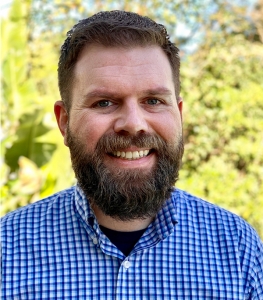 Curt Widhalm, LMFT
Curt Widhalm is in private practice in the Los Angeles area. He is the cofounder of the Therapy Reimagined conference, an Adjunct Professor at Pepperdine University and CSUN, a former Subject Matter Expert for the California Board of Behavioral Sciences, former CFO of the California Association of Marriage and Family Therapists, and a loving husband and father. He is 1/2 great person, 1/2 provocateur, and 1/2 geek, in that order. He dabbles in the dark art of making “dad jokes” and usually has a half-empty cup of coffee somewhere nearby. Learn more at: http://www.curtwidhalm.com
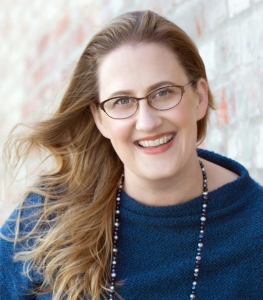 Katie Vernoy, LMFT
Katie Vernoy is a Licensed Marriage and Family Therapist, coach, and consultant supporting leaders, visionaries, executives, and helping professionals to create sustainable careers. Katie, with Curt, has developed workshops and a conference, Therapy Reimagined, to support therapists navigating through the modern challenges of this profession. Katie is also a former President of the California Association of Marriage and Family Therapists. In her spare time, Katie is secretly siphoning off Curt’s youthful energy, so that she can take over the world. Learn more at: http://www.katievernoy.com
A Quick Note:
Our opinions are our own. We are only speaking for ourselves – except when we speak for each other, or over each other. We’re working on it.
Our guests are also only speaking for themselves and have their own opinions. We aren’t trying to take their voice, and no one speaks for us either. Mostly because they don’t want to, but hey.
Join the Modern Therapist Community:
Podcast Homepage | Therapy Reimagined Homepage
Facebook | Facebook Group | Instagram | YouTube | LinkedIn | Substack
Consultation services with Curt Widhalm or Katie Vernoy:
Connect with the Modern Therapist Community:
Our Facebook Group – The Modern Therapists Group
Modern Therapist’s Survival Guide Creative Credits:
Voice Over by DW McCann https://www.facebook.com/McCannDW
Music by Crystal Grooms Mangano https://groomsymusic.com
Transcript for this episode of the Modern Therapist’s Survival Guide podcast (Autogenerated):
Transcripts do not include advertisements just a reference to the advertising break (as such timing does not account for advertisements)
… 0:00
(Opening Advertisement)
Announcer 0:00
You’re listening to the Modern Therapist Survival Guide, where therapists live, breathe, and practice as human beings. To support you as a whole person and a therapist, here are your hosts, Curt Widhalm and Katie Vernoy.
Curt Widhalm 0:15
Welcome back, Modern Therapists. This is the Modern Therapist Survival Guide. I’m Curt Widhalm with Katie Vernoy, and this is the podcast for therapists about the things that we do in our practices, the various aspects that we can pursue in this profession, and somewhat recently, I had my first experience of being an expert witness in a licensing board complaint, and the process that I will talk about in whatever capacity that I can throughout this episode was really new and exciting for me. I was reached out to by somebody who had a complaint filed against them, and they said, “You seem to know a lot about California licensing practices, sorts of things. Would you be an expert witness in my case, and I said, “Hell yeah, this is really cool.” And then, then after I agreed to it, I said, “Oh, I probably need some guidance on this.” So I reached out to our wonderful friend, Dr. Nicol Stolar-Peterson, who does this kind of work, and I said, “Nicole, help me. And she did such a wonderful job of preparing me, so I said we should get her on the podcast again and share share how this kind of work works, how you can get into it, what it means, and so thank you so much for joining us and continuing to share your expertise. And once again, thank you for your help on mine.
Nicol Stolar-Peterson 1:39
Absolutely, thank you for having me. I was so excited when when you reached out, and I was so excited that it was something you were considering. And I know I’m I’m in Katie’s ear too for her to consider it because I I will encounter you know various folks in our field who you know are absolutely petrified of the court system, which I totally understand and get. And I’ve worked with a lot of therapists in helping them, you know, get ready for court for testifying as a fact witness. But there are some folks I will encounter along the way, and I think, oh wow, you could do this! Like you could, you could testify as an expert. You know, they they might even surprise themselves that court is interesting, or they enjoyed it, or they enjoyed the process. And then there’s others who are like “Absolutely not. I never want to go back. Please don’t make me. If I ever have to do this again, I want to work with you beforehand” because it’s just you know the being prepared and going into an area that can sometimes really feel overwhelming and scary for for a lot of folks who really didn’t get into this field to have anything to do with court, right? I mean that that was just not why a lot of us became therapists at all. I could say that you know wholeheartedly, 99% of us, right? We’re like, oh, I’m going to be a therapist in court. That’s not why we went to school to you know learn how to do this thing. So I do get excited as I encounter different colleagues along the way, who I think, oh wow, I could totally see them doing this, or or having those conversations of this is not the jam, right? Like, let me go do something very different, and that’s beautiful, though, right? Is we we unexpectedly sometimes fall into these roles that we didn’t expect to at all, and I promise you that when I got into social work, I was not thinking like, oh, I’ll end up being an expert witness. Obviously, like that was that was not on the plate. So to be here now and to have these conversations with with you guys and your listeners is is a blessing, and and I feel very fortunate to get to do the work that I I really enjoy doing. It’s very hard work, but I I do love it, which is so odd and unexpected. Again, it’s unexpected. Oftentimes we veer off, so it’s unexpected. But I’m grateful to be here and grateful to chat with you about expert witnessing or just witnessing and what it looks like.
Katie Vernoy 3:56
So we’re really glad to have you here. It’s always good talking with you, and and we have, I think, at least one other episode you’ve been on. Have you been on one or two?
Nicol Stolar-Peterson 4:06
I don’t. It is one or two where we just…
Katie Vernoy 4:08
Okay, so we’ll we’ll link to your your your previous episode or episodes in the show notes over at mtsgpodcast.com. But before we get too far into it, we’d love to hear more about you, and we’ll ask you the question we ask all of our guests, which is, who are you and what are you putting out into the world?
Nicol Stolar-Peterson 4:23
Who am I? Oh goodness, I’m a mom. I’m a I’m a social worker who fell into this world. I’m a nonprofit director. I I run Kids Court and Counseling Center. We help kids prepare for testifying in court when they’ve been a victim or witness of a crime. Very blessed to do that work. I see clients as a therapist, and I teach a little bit, which I love. I love presenting. I love helping therapists, especially in this area, because I know it’s it’s an area that a lot of us weren’t ready for. And I, I’d say, fully in this world, I see myself as a friend, as a wife. As a as a very busy person, but then I’ve been able to find my my nooks and crannies to you know sit quietly and take a look around. So I’m I think I’m a lot of things, but definitely sometimes I’m too busy, so I pull back and stop. That’s that’s my new gift is saying learning, learning to better say yes and no, and try to balance my time. So, like many of us, lots of things. Yeah.
Katie Vernoy 5:28
Yeah, I love that.
Curt Widhalm 5:30
So I think a lot of people look at expert witness stuff and they see the big dollars that expert witnesses get paid. Whether it’s people in our field or you know the big juicy cases that end up in TV and in the social media. So, what does it take to actually get to being an expert witness? I don’t think that people who are fresh out of grad school are necessarily the ones that everybody is lining up and saying, “Hey, you’re going to be a great person who can break this down.” So.
Nicol Stolar-Peterson 6:03
Yeah.
Curt Widhalm 6:03
What makes for a good expert witness? How can people who are interested in this kind of work start to align their careers if this is something that they want to consider adding in?
Nicol Stolar-Peterson 6:13
Sure, I think what makes a great expert witness is somebody who’s very, very good at something, and and what I mean by that is something specific. So like we all have certain areas that we have a specialty in, or it’s our niche, and we get very good at that area. And and that’s really where I I tend to remind folks who are considering expert witnessing, think about something that you know you’ve you’ve established yourself in, right. You’ve done it for a certain period of time. You’re established. It’s comfortable for you. It’s so comfortable for you that when somebody asks you about it, it’s really easy to start describing it and to start sharing experiences about it and and additional knowledge that the average therapist in that area typically doesn’t have right, or the average person doesn’t have. So it’s just having this additional information, knowledge, area of expertise, and being able to look at the work that that you’ve already done and the work that you would continue to do in a way that is different than than the typical colleague would. And what does that mean? It means really having this additional knowledge and area of information and being able to explain it. That is the other piece. What makes an expert witness; somebody who can actually explain what they do, right? And essentially teach it in in a fashion that makes sense to others. And so I’ve been in a room where I’ve listened to an expert be unable to describe or share information with a group of us because they were in their head. They were explaining it as if they were explaining it to another, for example, like another doctor. So that that’s not what the rest of us are going to necessarily learn from. We need it in layman’s terms, right? I want this broken down. I want it easy to consume. I want to understand what you’re saying, and so that’s probably the biggest gift of an expert witness is one, they have this amazing experience and training and education and knowledge and ability, and then two, there somebody who can convey that information in a way that’s understandable, and that’s what to me an expert witness truly is. It’s somebody that I can understand what they’re sharing, but they have this typically this vast knowledge and experience in this area. I do. I think somebody who’s fresh out of grad school can step into that. I would highly doubt it, but I love being surprised. But I I would be like, oh, that’s amazing. So no, I I do think it comes from a few different areas. Yes, the expertise, the experience, the education, the knowledge, but then also, you know, that ability to explain something in a consumable way. I think that’s that perfect area that that a lot of experts hone into and need to, because that’s our job is to explain something in a way to help somebody else understand what we know and what we see and what our opinions are, and then of course being able to have that opinion.
… 9:09
(Advertisement Break)
Katie Vernoy 9:11
What types of expertise have you seen therapists have that they end up getting significant expert witness work?
Nicol Stolar-Peterson 9:20
I would say the therapists that are doing a lot of the expert witness work that I’ve come across are typically they’re being brought in oftentimes to if they’ve done testing they want or if they’ve done an evaluation of some sort. So an evaluation could be whether or not they want to qualify it as a mental health evaluation or maybe a child custody evaluation. So, and that again, specifically being designated in that role. So, oftentimes, an expert witness therapist is going to oftentimes be asked to look at records. Did the therapist, you know, stay in their scope? Did the therapist that they’re reviewing? Did they operate within their their guidelines, right, their their code of ethics, they’re asked to do those things. Those are the ones that I see that keep fairly busy. I would say that kind of come across as far as therapists go. And then you have also the other the other group of experts that tend to do this work that get into also the areas of mental health. There’s a very large area that is around threat assessment. So there’s threat assessment whether it’s dealing with internal at a site. So you’re looking at maybe something that has to do with a school or a shooting, or that could have to do with domestic violence or intimate partner violence, depending on where you’re at and and how you want to frame it. So there, those folks are keeping pretty busy.
Curt Widhalm 10:50
Katie and I are both on the California Association of Marriage and Family Therapists Ethics Committee, and a number of the complaints that we see do tend to involve family court custody cases. So it doesn’t surprise me that those are the people who get to come in and opine on what another custody evaluator did or what a therapist did in one of those situations. My experience is you’re kind of laying out was I was reached out to by this team and they said, “Here’s a bunch of documents and we want you to go through this and write your opinion on what happened. Where I came into my process was after the investigating board’s witness had opined on their position on the case, and a lot of what I was doing as kind of the defense’s expert was poking holes in where the board’s expert was looking at their case. Is that fairly typical too, as far as people and maybe the defense side?
Nicol Stolar-Peterson 11:49
That can happen. If it’s defense work I think that what’s kind of nice for the defense expert, honestly, is that the plaintiff expert’s done some of the work. They kind of laid out this is this is what I think I’ve seen. Right, this is my opinion about this, this, that, and the other. And oftentimes, defense is simply responding to to some of those opinions. And there’s times as a defense expert, you know, where I will absolutely join with plaintiff’s expert and like, oh, I agree with you on being maybe one, three, and five. However, I’m unable to join on two, four, and seven because of this, this, and this. I can always appreciate when there’s an opportunity to get gather that information that’s already kind of laid out, that’s kind of the the fun part about being a defense expert is the plaintiff expert’s done a lot of the the legwork and you’re just sort of responding. Plaintiff expert work oftentimes can be a little bit trickier because you’re pulling together all of this initial information and kind of trying to lay it out in an in a consumable way, which can be difficult depending on you know the discovery that’s available and you know the various notes and things that you’re putting together and testimony. So again, I think they’re both interesting. But for defense work, it can it can be at times poking holes. Other times it can be oh that’s that’s actually some that’s a decent opinion, you know. I I see that too. Or there could be something that wasn’t even brought up, and defense can bring that in, or you know, plaintiff expert either either way. But I think it’s such an interesting opportunity to look at all the information in front of you and be able to respond. And if your opinion is different, right, which is always valuable if it’s different or the same. Why is it different or the same? And what do you have to support that different opinion? Is it based upon your training? Is it based upon your education, your experience? Is it based upon the facts and evidence? You know, where where is it coming from? So that’s when it gets really interesting. I love love being able to do plaintiff and defense work because it’s so different at times, and then at times it’s exactly the same, which is such a strange, you know, world, if you will.
Katie Vernoy 13:49
So as you’re talking through, I think there’s this some clarity I think that would be helpful for folks because, you know, we’ve I’m sure we talked in a previous episode about the difference between a fact witness and an expert witness. I also think, and this is related to the work that Curt and I’ve done on the CAMFT Ethics Committee, and and we’re not speaking for them. This is separate. This is just us using our lived experience to inform this conversation. But there’s also the role of being someone’s therapist, and so there’s there’s different roles it seems that therapists can play when when a client goes to court or when an individual goes to court. You know clearly there’s the the defense and the the plaintiff expert. There’s fact witnesses. There’s there there are therapists that have had some sort of clinical interaction with with these folks. How do you how do you make sure you’re doing what role you’re supposed to do? What, what are the roles? How do you make sure that you’re you’re not doing something inappropriate like a dual role that an inappropriate dual role that kind of stuff? Like, what are the different places that therapists can come in here?
Nicol Stolar-Peterson 14:58
So there’s actually three. It’s like the there’s fact witness, so you’re the you’re the the therapist who’s treating, and you have that pre-existing relationship with your client. So you will definitely be testifying right nine times out of 10 as a fact witness. I’m going to switch to the expert witness, and then I’ll tell you about the one that I never do. Okay, then on the other the other end of the spectrum is being an expert witness. No, there’s typically not going to be a pre-existing relationship. You might be brought in to do testing. You might be brought in just to review and to opine, right? So essentially, that’s your expert witness. Also, keeping in mind, we are in California. There’s other states that do it a little differently, but if you are the child custody evaluator in California, you are a designated expert witness on behalf of the court, so you’ve been designated in that role. And again, your child custody evaluator is not somebody who had a pre-existing therapeutic relationship with either client. They are coming in to do this specific job, right? And that’s very clear. So it’s very clear roles. The third option is the testifying expert. I do not go into that box. I it’s not a place that I have have chosen to to play in. There are a few folks out there that do it, and from what I understand, they do it well. So a testifying expert who is also the treating therapist is typically somebody who has done extensive work in a certain field, and they would be the go-to to also testify as the expert. They just happen to also be treating. So maybe somebody who is has significant expertise in like schizophrenia, and they’re just the the ultimate person that they would have gone to to testify as the expert. But they also were treating the patient or the client, that that’s a group that is very specialized. I do not do testifying expert treating therapist roles. I don’t do that because it’s very tricky, and I think you have to be very comfortable in in that role. And that’s something that is it’s a little bit different. So what you will hear me always say to therapists who are the treating therapists, stay that role, right? If somebody says, “Oh, but you can also testify as an expert, da da da, they’re like, “Oh, you know, it feels really good to be asked to do that,” and you’re like, “Oh, and I’ve seen my client for two years, and and they’re they’re saying, “Oh, but you’re an expert in your field, and blah blah blah.” Don’t do it, right? It’s just they’re just dangling candy in front of you, and it can be very dangerous. And that’s where a lot of therapists will testify, and they’ll actually go out of scope. They will get hurt. They will do something to potentially damage themselves. It could be a board complaint. So again, you just want to stay in your lane. So if you’re a therapist and you’re treating nine times out of 10, you’re testifying as the fact witness, if you’re coming in as an expert, you don’t want to have a pre-existing relationship with the clients. You just want to come in and, based on your training, your education, your experience, you’re providing an opinion that is objective, and it is not going to be argued as being biased. Whereas a fact witness who’s a who’s a therapist, you would know that that person has some bias, as they should, because they’ve been working with their client for two years and they’ve only heard their client’s side of things. So how could they possibly testify about the other parents’ you know, behaviors? Everything is hearsay. They’re testifying about what their client told them and what they believe to be true, and that’s bias, and that’s okay, but you’re not supposed to be testifying about something that you don’t know about. That’s the whole point of being a fact witness. You’re testifying about something that you saw, heard, smelled, tasted. You know the basics of true true facts, right? So again, fact witness or expert witness. The other one I I don’t recommend. That’s for for for some other for some other folks who are amazing, but that’s not not something I typically encourage. Yeah.
… 18:46
(Advertisement Break)
Curt Widhalm 18:48
What are some of the real life experiences, and and maybe if you can provide examples that are necessary for a therapist to have that really pushes them into the space? My experience, or the basis of this question, is kind of when I was approached it was because, hey, you have worked with children. You have knowledge of a lot of California BBS law that seemed to be very particular about the case that I was working on. Recognizing that my question is maybe just hopefully validating what my experience was, but it felt like because of my background, I was able to see things that the board’s expert wasn’t able to see, that the attorneys on the case weren’t able to see. Can you talk a little bit more about how that real life experience really ends up making the expert the expert in these situations?
Nicol Stolar-Peterson 19:43
Sure. So oftentimes, my answers will include based upon my training, my education, and my experience. Right. It’s all it’s all the things together. I’m able to opine on what the standard of care is in my field. Right. So what’s the standard of care? What’s what’s reasonable? What’s widely taught? What’s accepted nationally? What’s generally accepted of way of doing things? That’s what we’re essentially looking at. It’s the ability to do that thing. And so when you have this additional specialty, right, where you’ve worked with children for a certain amount of years, or you’ve done this work with with the board, with ethics, you have this additional information that you can focus in on, and then easily respond to questions about that area, right? Specifically. So to keep in mind that you you again staying in your sandbox. What is it that you do well? What is it that you have a lot of experience at? And what are you able to explain? And the thing that I love about the both of you is that you’re both really good at explaining and carefully sharing information to help others in a way that’s consumable, and that’s the biggest trick of all, right? Is that you have this area and you’re able to provide information because essentially we’re we’re educating, right? As an expert, we’re educating about information based on our training, education, experience. We’re educating about something, so we look at something. We’re like, “Oh, I see this. I can share now based upon my experience in this.” Now, there’s other people that have experience in doing that same thing, but that it’s different, right? Yours is specific, so then you speak to that, and that’s really the blessing. Is there’s so many different types of experts out there, but again, it goes back to what’s your experience, what’s your specific training, and what’s your specific education, and how does it all come together? And then, can you speak to what the standard of care is? Because nine times out of 10, that’s what we’re we’re honestly asked to do. Is is this okay? Right? Is what happened here okay or not okay? And then can you speak to that? Right. So, did somebody know something? Did somebody do something? And then did something bad or good happen? Right. That’s the basics. Right. And then we take it apart and we share why it’s okay or not. So it’s it’s really a fun area to get into. I’m not trying to spook any of your listeners, they’re like “done.”
Curt Widhalm 22:06
A big piece of the conversation in the case that I was working on, or what I was constantly asked to opine on, is the word standard of care.
Nicol Stolar-Peterson 22:17
Yeah.
Curt Widhalm 22:17
And a lot of what ended up being around those conversations for me is: this is not the best therapist on their best days. This is kind of the…
Nicol Stolar-Peterson 22:28
Yes.
Curt Widhalm 22:28
This is the what what could be a C level student or a C level therapist.
Nicol Stolar-Peterson 22:28
Oh, I’m getting the chills right now, Curt. Yes, yes.
Curt Widhalm 22:39
Say say more about this.
Nicol Stolar-Peterson 22:40
Okay, okay. So this is. I’m so glad you brought this up. Okay, and I know that this is something that I’m constantly, constantly speaking to, and I’m testifying to is that standard of care we look at as bronze. It’s the basics, right? So sometimes I’ll say it’s social work 101. You know, it’s therapy 101. It’s the basics. That is what standard of care is. It’s the basics of what’s expected. Oftentimes, we would love to see best practice. We’d love to see that gold standard, and we can say that that’s what that is. But something that should be versus something that is acceptable, right? What’s reasonable? And I love speaking to what’s reasonable. Was it a reasonable action that that therapist took? Was it reasonable what they put in their notes? Was it reasonable, you know this, that, and the other? Reasonable, not talking gold and sparkle and amazing. And the thing about the three of us is right. We all have this additional education, this additional experience. We know we know how to do some of these additional things. What we’re when we’re speaking about standard of care, when we’re speaking about what’s reasonable, we’re talking bronze. We’re talking the basics, and so when we don’t see the basics being done when we’re reviewing a file of a therapist’s actions or whatever agency we’re looking at, that that’s what we’re talking about. We’re looking for did they meet the basics, right? Did they do bronze? And then we can also speak to when they haven’t met gold. But we have to be clear that that’s what we’re speaking to because they’re two different things, right? Best practice versus standard of care. Standard of care is where we talk about things. What’s reasonable, right? Would a reasonable therapist also do this? Would a reasonable person, you know, do this thing? So that’s that’s that good reminder about what what somebody did. Yes, maybe it wasn’t their best day, but it doesn’t necessarily mean right that they they violated the standard of care.
Katie Vernoy 24:26
When I’ve been in conversations about is this kind of the standard of care or is this the kind of typically what therapists would do? It seems like there are two ways the conversation can go that both seem a little bit problematic. One is, well, nobody really does this very well, so it’s not a big deal. And then there’s the other part, which is, but the rule is this. And so there’s there’s a lot of bias that seems to be that seems to come into these conversations. And obviously, depending on which angle you’re at, whether. It’s plaintiff or defense or whatever you know, whatever the setting is. It seems like there is going to be a framing based on the emotion of of whoever is is accusing or defending, right?
Nicol Stolar-Peterson 25:14
Sure.
Katie Vernoy 25:14
And so, as an expert, how do you get into a space where you are able to break through the bias, break through the emotion, and and get to something because it feels like there’s a lot of different ways to approach it. And maybe that maybe I’m asking the question about the comprehensive records review, but I think there’s this element of the point, especially if somebody’s got an attorney, the point is to convince you that they’re right. As an expert, you’re having to go and say, “Wait a second, this is this is compelling.”
Nicol Stolar-Peterson 25:48
Sure.
Katie Vernoy 25:49
But is it right?
Nicol Stolar-Peterson 25:50
Sure. I and I I enjoy those conversations with attorneys all the time, and it doesn’t matter whether it’s plaintiff or defense, because regardless, it just comes back to what are the facts, right? What are the facts? Were rules broken? Were they not? Did it meet the standard of care? Did it not? And attorneys are are literally trained to convince, right? I mean, that’s their training. They’re going to convince you of something, right? And so, I’m sure I frustrate some of them because they are, more than some, when I am not responding in a way that they envisioned I would, or that they hoped I would, because they want something to go a certain way. And so there are times when they will say thank you for your time, and and that’s all the work that they need from me on the case because they’re not enjoying the direction of my opinions, and that’s okay. That’s that’s supposed to happen. There are going to be times when we’re not going to agree, and at times you might know sooner or later on in in a review kind of how things are looking. But overall, again, it comes back to I have a job to do. My job is to be objective. My job is to look at something and to determine were any rules or regulations or laws, depending on you know, different states have different issues going on violated. And then let’s look at the standard of care. What’s a reasonable therapist or social worker, whatever it is in this situation, expected to do? What’s what’s what’s reasonable? You know what’s acceptable. So it’s some of that again, and at times it’s teaching and educating, you know, colleagues or attorneys about what what is or what isn’t. Because oftentimes I hear, well, it should be or they should have, and I’m like, wait, that sounds amazing, right? But that’s best practice, right? That’s that’s this other thing. That’s that gold section. Like I’m going to take us back to bronze, and bronze. Here’s the basics, and I’m very specific about that. At times, I will talk about best practice. Absolutely, I think it’s a great thing to to get into. But I’m very clear: are we talking about the standard of care, the bronze world, or are we talking about something different? So again, being clear, being objective, but recognizing that people have different agendas of what they want done: clients, therapists, colleagues, attorneys, and so the expert’s job is to truly stay in the space where they are comfortable to say yes, comfortable enough to say no, and comfortable enough with their opinions and feel good about their opinions. And sometimes those don’t line up with with what some folks want them to be, and being comfortable being on cross examination about an opinion, and knowing they’re based upon their training, education, experience that they’re the space they’re coming from, that information, what it, the value of it, and no matter how hard somebody pushes, I’m gonna walk out of that court, and I’m still gonna hold my head high and feel good and know that I told the truth and know that I’m there to provide information and I did my job and that’s that’s the ultimate goal is to just know that I I did that piece. But it does it’s it it can be a lot.
… 28:55
(Advertisement Break)
Curt Widhalm 28:58
This might be the appropriate time to say, for the love of your own defense, please have good documentation of what you were doing because this will help you out tremendously if you’re on the defense side. Because my experience was, I literally was given hundreds of pages of files and notes were, I would say, standard of care or above, and that really ended up helping out being able to kind of piece together some of the thought process aspects here. But I want to go back to something else that you were talking about here: is being able to also take what the law says, or what certain therapy style says, and being able to explain this to attorneys of what that actually looks like in action.
Nicol Stolar-Peterson 29:50
Yes.
Curt Widhalm 29:51
And the case that I was on, and my expertise in California law and ethics really did kind of hinge around. Well, here’s a law that’s been on the books since the 1960s, and here’s how this might apply in 2020. And it really, in my experience, brought to the attorney’s attentions that, oh, what we thought that this meant might actually mean something different than what it meant when it was first written. And…
Nicol Stolar-Peterson 30:20
Yes, yes.
Curt Widhalm 30:21
You know this is around digital stuff that didn’t exist in the ’60s and social media and such wonderful things like that. But really, being able to explain to people who aren’t in our field, and you were mentioning this earlier, what this actually looks like in digestible terms. How have you done this kind of stuff? I guess I want to leave our audience with something juicy from the the files of Nicol here. As far as what are some of the things that you can share about your kind of work beyond just kind of this is what the process looks like?
Nicol Stolar-Peterson 31:01
I think probably one of the most important things from the work is being able to review. I’m always grateful for notes. I’m always grateful for notes because I love referring back to them. I love digging up whether it’s a regulation or or something to support or to argue against, why something is or has occurred or should have occurred a certain way. Being able to lay that out is is such a gift, and then again, doing it in a consumable way because again, interpretation is is critical when we’re reviewing whether it’s a somebody else’s case notes or it’s a regulation of some sort, and being able to understand it and then explain based upon you know our particular training or education experience, whether it’s explaining it back to someone who doesn’t have that or has a certain framework or idea about it, and being able to clarify what it looks like, and doing that in a consumable way is critical because one of the most important jobs I think an expert witness can have is making sure that counsel or that the attorney understands what it is that we want to convey, right? What’s that important information? Because the more they understand about the work that we do, it makes their job easier as well. But then it also comes back to the expert; it makes the expert’s job easier. And we’re clarifying, like, what do they actually need from us? Does it need to be something in writing? Does it need to be in testimony? How do we need to convey this? And I think that’s probably one of the one of the the biggest gifts of being an expert witness is being able to share the information that we have in a way that people can understand. And sometimes, you know, we’ve heard about that elevator pitch before. Being able to do it quickly, concisely, and something that somebody can easily understand, right? That’s that’s the ultimate goal, and and grateful to do the work. And I know there’s going to be some attorney listening to this who’s going to play it back to me in a deposition. So hello to future, hello to future attorney, because it’s happened. I’ve had podcasts popped up on me, and oh, did you say this? I’m like, yeah, that’s me, that’s me. And and as an expert witness, being comfortable with what you’ve said, being comfortable with what you’ve said in a podcast, or being comfortable with something that you’ve said in a presentation, because it it will be brought back to you at some point if you do this long enough. They’ll they’ll pop it up in front of you and say, you know, was this you? Like, oh yeah, that’s me. Like, oh wow, look at my hair. It was crazy back then. I always get a kick out of that when they spend good money on research. Like, oh, I could save you some time, but but expert witnessing definitely not easy, but so interesting and so worth it. And it it’s a way to share what we do and and what’s reasonable and what’s expected and and grateful, grateful for this work, so grateful.
Katie Vernoy 33:39
So, what does it look like to be an expert witness? What does your week look like? What what does your year look like? How do how do you design your job as an expert witness?
Nicol Stolar-Peterson 33:51
I actually just sat down yesterday and got out the calendars and was like, where do I fit what? Because I’m fitting in. Where do I fit in my my therapy clients? Where do I fit in my my work for my nonprofit? Where do I fit in this case? And the cases ebb and flow with it’s going to trial. No, it’s not. Yes, we need a report. No, we don’t. There’s going to be a deposition, and so it is, I’m not the best at scheduling, so I actually do my schedule weekly. I go back to it weekly, and I’m constantly looking to see and reaching out to law firms, is this still going? Is this going to be this or that? Because it’s a constant. It moves. There’s an ebb and flow to it, and there will just be like dead space, and then all of a sudden everything just piles on. So I can’t say that there’s a way to do it, but I think what’s important to know is when you look at your caseload, like you’re seeing this many clients, or you need this much time off to block that out accordingly. So blocking out is really important. And then when I can see that, oh, I I really don’t have that time. Just yesterday I said no to a case because I I looked at the time frame and like I that will require nights and weekends. And we have soccer and we have other things going on, so it’s just that’s not a time that I can push that hard through. So I think it’s being reasonable with yourself and what you can handle and getting out the calendar. And I I’m truly a time blocker. I will put spacers in for an entire case. I’ll a case will take anywhere from two to four weeks, depending on you know often how much I have or am I using a researcher on that case, or am I not? And then, how much time will it take? So it’s it’s a constant, and it changes. I’ve had a case since I think my longest case has been since 2021. So it’ll just kind of go dormant, and then something will happen. Somebody will be deposed, or something else, and it just kind of ebbs and flows. So I just try to go with the flow. But every Monday, I sit down with my calendar, and I’m I’m constantly blocking and moving things around, and it’s it’s just an attempt at keeping sanity.
Katie Vernoy 35:51
So, for those of us who’ve not done it, or for our audience members who’ve not done it, what is the work of an expert witness? You’ve talked about records review, you’ve talked about deposition. Like, what is what does a typical case look like?
Nicol Stolar-Peterson 36:03
So a typical case would be you you receive the case, you receive discovery. So you’re looking at maybe case notes or you’re listening to you’re listening to a recording maybe even watching body cam. It can be a lot of different things that can come and and and be available to review. So review is probably the the number one thing that one takes the most amount of time, and two really requires you to take your time to understand whatever’s in front of you. And then, of course, I I timeline my cases, so I timeline out based on the records, and I’m just extracting from records and creating a timeline so I can see where things are happening. That’s that’s just again to keep things organized. Also, keeping organized with who’s on first base. You know, who’s the attorney? Is it defense or plaintiff? And then is it a state or federal case? All those little things like to get kind of add up. And then moving forward through the review, oftentimes through the review, you’re also checking in and talking to counsel, letting them know this is how far I am. Are you requesting a report at this time? Are you not requesting a report? And then what’s the time frame for that? And then of course finding out what’s the time frame then for a potential deposition, so that I can you know again it’s all about scheduling. Scheduling is like the number one, the number one predominant theme. Please know that is constant. And then of course, you know whether or not there’s going to be a trial. And I typically do civil cases, so I would say the majority of my cases settle. A handful have gone to trial. We might get like a week away or two days away, and then they’ll they’ll settle the case. But there’s a handful that have gone. So depositions have been on Zoom, which has been has been great for travel purposes and timing again purposes because all of us are busy and trying to juggle different things. So I’m always grateful for a Zoom depot. So it’s it’s the testimony is probably a smaller portion. It’s probably more of a larger portion for like medical doctors that do independent medical evaluations. They do a little. Theirs looks different than what maybe I would see therapists doing as far as like a records review and then potential testimony or writing some type of a report or a declaration about you know what they reviewed and and again being able to convey it in a way that makes sense to to whoever it is that’s going to be reading it. Whether it’s going to be a mediator, or it’s going to be in in front of attorneys. It just depends.
Curt Widhalm 38:26
Want to thank you so much for spending some time with us and talking about this. And where can people find out more about the kind of work that you do? And if they have follow ups, where can they find out more of that information?
Nicol Stolar-Peterson 38:40
Sure, the easiest place to find me is nicolestoller.com, which is n i c o l s t o l a r.com, and that’s where I’m currently housed.
Curt Widhalm 38:50
And we will make sure to include a link to that in our show notes over at mtsgpodcast.com, and make sure that you follow us on all of our social media, Substack, LinkedIn, all of the wonderful places that we continue to post things, and please continue on with these conversations in our Facebook group over at the Modern Therapist Group. And until next time, I’m Curt Widhalm with Katie Vernoy and Dr. Nicol Stolar-Peterson.
… 39:13
(Advertisement Break)
Announcer 39:14
Thank you for listening to the Modern Therapist Survival Guide. Learn more about who we are and what we do at mtsgpodcast.com. You can also join us on Facebook and Twitter, and please don’t forget to subscribe so you don’t miss any of our episodes.




SPEAK YOUR MIND