

Should Texas Therapists Stop Treating Kids? Texas SB14, Gender-Affirming Care, and the Risks for Therapists
In this episode of the Modern Therapist’s Survival Guide, Curt Widhalm and Katie Vernoy discuss a rapidly unfolding legal issue in Texas that may put therapists at risk for providing care to trans youth. A recent opinion from the Texas Attorney General interprets Senate Bill 14 in a way that could include mental health professionals as part of the “healthcare pipeline” facilitating gender transition for minors.
Curt and Katie unpack what this interpretation might mean for therapists working with youth, including potential risks to licensure, malpractice coverage, and even criminal liability. They also explore the ethical and clinical dilemmas therapists may face when evidence-based care conflicts with the legal landscape.
This episode was recorded and released quickly in response to the developing situation, and the conversation reflects the uncertainty many clinicians are currently navigating.
Click here to scroll to the podcast transcript.Transcript
(Show notes provided in collaboration with Otter.ai and ChatGPT.)
In This Podcast Episode: Texas Law, Gender-Affirming Care, and the Risks for Therapists
Curt and Katie discuss a new interpretation of Texas law that could potentially impact therapists working with minors, particularly those supporting trans and gender-diverse youth.
Topics covered in this conversation include:
- The Texas Attorney General’s opinion regarding Senate Bill 14 and its possible application to mental health professionals
- How the term “facilitating gender transition” could be interpreted broadly
- Whether supportive therapy conversations could be viewed as facilitating transition
- The potential implications for mandated child abuse reporting
- Possible risks to licensure, malpractice coverage, and criminal liability for therapists
- Ethical tensions between evidence-based care and compliance with state law
- How therapists may think about risk tolerance when deciding whether to continue working with minors
Key Takeaways for Therapists Navigating Texas Law and Ethical Practice
“Therapy is political… this is politics making therapy political.” – Curt Widhalm
- A Texas Attorney General opinion suggests that therapists could be considered part of the clinical “pipeline” facilitating gender transition for minors.
- The interpretation of the word “facilitating” may extend beyond medical procedures to include referrals, letters, or potentially affirming therapy conversations.
- Therapists could face disciplinary action, civil penalties, or criminal liability if their care is interpreted as supporting gender transition under Texas law.
- Mandated reporting requirements may create additional risk if supporting parents are interpreted as enabling child abuse.
- Documentation practices may become especially important if complaints or investigations occur.
- Malpractice insurance policies often exclude coverage for illegal acts, meaning therapists may be responsible for their own legal defense.
“The options suck… there are no good options here.” – Katie Vernoy
- Therapists may need to evaluate their personal risk tolerance when deciding whether to continue working with minors.
- Some clinicians may consider stopping work with youth entirely to avoid legal risk.
- Others may continue providing therapy while avoiding referrals or documentation related to gender transition.
- Some therapists may choose to continue providing gender-affirming care despite potential legal consequences.
Curt and Katie emphasize that therapists should consult with their own attorneys, professional associations, and colleagues when determining how to respond to these developments.
Resources on Texas Law and Gender-Affirming Care
We’ve gathered resources mentioned in this episode and additional materials to help therapists understand the legal and clinical implications.
- Texas Attorney General Opinion KP-0518
- Texas Senate Bill 14 related to gender-affirming care for minors
- The Texas Tribune – Texas law bans state-licensed mental health providers from giving gender-transitioning care to minors, AG Ken Paxton says
- Trans Youth Emergency Project – Campaign for Southern Equality
- Erin in the Morning – Texas AG Paxton Declares Therapists Affirming Trans Youth To Be Illegal And Child Abuse
- WPATH – Standards of Care
- Advocacy organizations supporting trans youth and clinicians
- ACLU National: aclu.org, Instagram @aclu_nationwide
- GLMA: Health Professionals Advancing LGBTQ Equality
- PFLAG: Creating a caring, just, and affirming world for LGBTQ+ people and those who love them
- GLSEN (now Glisten): Creating safe, affirming schools for all, with a fresh outlook and renewed energy.
- The Trevor Project (helpline, suicidality)
- Human Rights Campaign (HRC) – Trans Resources
- HRC – LGBTQ+ Youth
Relevant Episodes of MTSG Podcast
- What Therapists Need to Know to Support the Trans Community: An interview with Artie Hartsell
- The Practicalities of Mental Health and Gender Affirming Care for Trans Youth: An Interview with Jordan Held, LCSW
- Working with Trans Clients: Trans Resilience and Gender Euphoria, An interview with Beck Gee-Cohen, MA CADC-II
- Protecting Clients Through Better Notes: An Interview with Dr. Maelisa McCaffrey
- What Goes in Your Notes? Interstate therapy practice and documentation for clients considering abortion or gender affirming care
- Vulnerability, The News, and Your Clients: An interview with Dr. Abigail Weissman
- Getting Personal to Advocate for Compassion, Understanding, and Social Justice: An interview with James Guay, LMFT
- Therapy as a Political Act: An Interview with Dr. Travis Heath
- Reacting to Regime Change: How Therapists Can Advocate for our Clients and Communities
- An Expert Witness Weighs in on Therapist Malpractice: An interview with Dr. Frederic Reamer
- Liability Hot Potato: Defensive Therapy practices that give clients inadequate care
Meet the Hosts: Curt Widhalm & Katie Vernoy
 Curt Widhalm, LMFT
Curt Widhalm is in private practice in the Los Angeles area. He is the cofounder of the Therapy Reimagined conference, an Adjunct Professor at Pepperdine University and CSUN, a former Subject Matter Expert for the California Board of Behavioral Sciences, former CFO of the California Association of Marriage and Family Therapists, and a loving husband and father. He is 1/2 great person, 1/2 provocateur, and 1/2 geek, in that order. He dabbles in the dark art of making “dad jokes” and usually has a half-empty cup of coffee somewhere nearby. Learn more at: http://www.curtwidhalm.com
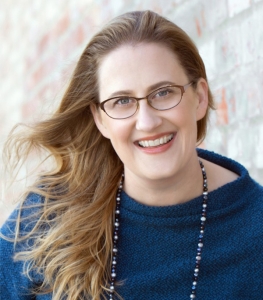 Katie Vernoy, LMFT
Katie Vernoy is a Licensed Marriage and Family Therapist, coach, and consultant supporting leaders, visionaries, executives, and helping professionals to create sustainable careers. Katie, with Curt, has developed workshops and a conference, Therapy Reimagined, to support therapists navigating through the modern challenges of this profession. Katie is also a former President of the California Association of Marriage and Family Therapists. In her spare time, Katie is secretly siphoning off Curt’s youthful energy, so that she can take over the world. Learn more at: http://www.katievernoy.com
A Quick Note:
Our opinions are our own. We are only speaking for ourselves – except when we speak for each other, or over each other. We’re working on it.
Our guests are also only speaking for themselves and have their own opinions. We aren’t trying to take their voice, and no one speaks for us either. Mostly because they don’t want to, but hey.
Join the Modern Therapist Community:
Podcast Homepage | Therapy Reimagined Homepage
Facebook | Facebook Group | Instagram | YouTube | LinkedIn | Substack
Consultation services with Curt Widhalm or Katie Vernoy:
Connect with the Modern Therapist Community:
Our Facebook Group – The Modern Therapists Group
Modern Therapist’s Survival Guide Creative Credits:
Voice Over by DW McCann https://www.facebook.com/McCannDW/
Music by Crystal Grooms Mangano https://groomsymusic.com/
Transcript for this episode of the Modern Therapist’s Survival Guide podcast (Autogenerated):
Transcripts do not include advertisements just a reference to the advertising break (as such timing does not account for advertisements)
… 0:00
(Opening Advertisement)
Announcer 0:00
You’re listening to the Modern Therapist’s Survival Guide, where therapists live, breathe and practice as human beings. To support you as a whole person and a therapist, here are your hosts, Curt Widhalm and Katie Vernoy.
Curt Widhalm 0:12
Welcome back, modern therapists. This is the Modern Therapist’s Survival Guide. I’m Curt Widhalm with Katie Vernoy, and this is the podcast for therapists about the things that go on in our work, the things that go on in our profession. And this is a special episode. It’s one that we didn’t necessarily have on our content calendar. But one of the wonderful things about being in the content creation business in 2026 is we have all kinds of plans, and then the world changes around us, and we need to put out some of our viewpoints on things, hopefully, in help of therapists. And this episode’s need is brought to us by the state of Texas and specifically Attorney General Ken Paxton and KP 0518. This is a statement that was made by the attorney general that said that what the results of previous Senate bill, Senate Bill 14, are going to now apply to therapists and what has previously been understood to be about medical providers providing gender affirming treatments to youth in the state of Texas, and a ban on that. This statement, this general opinion by Ken Paxton, which was released early in March of 2026 depending on when you’re listening to this, as a reference point. But this statement says that this also considers mental health clinicians as being part of the healthcare pipeline and providing gender affirming care could be considered child abuse and a criminal act, and has a risk of therapists who are working in public agencies, to lose public funding for those agencies, and risk of loss of licensure, regardless of the place of where you work, whether it be in private practice or in agencies. So we are here to discuss what your options are as this directive comes out, how it’s going to be interpreted, as well as our recommendations for what you should do. So I’m going to preview my thing of this, Katie my recommendation, which is Texas mental health providers to protect yourself and your practice, you should stop working with people under the age of 18. I know that I am generally known for my humor, my sarcasm. This is a legitimate recommendation coming from me.
Katie Vernoy 2:46
Before I respond to that recommendation, which I will put on record that I disagree with. I want to just acknowledge that we know that there’s everything in the world going on and that this may seem irrelevant to some folks who are concerned about the war and about a lot of other things that are very present. That’s why we’re putting this episode out. We’re turning it around in the fastest time frame that we’ve done. And because this is for Texas, it may feel like this is only for Texas therapists, but in doing some research for this episode, there are so many states with broad bands across the whole country that do not allow for gender affirming care, and much of it seems to be framed around the medical elements of surgery or hormones or those types of things. And we have some episodes where we talk a little bit about care for trans teens, and we’ll link to those in the show notes over at mtsgpodcast.com. But even if it’s not in your state, if, even if you are not practicing in Texas, I think that many of us are going to start having these concerns as we continue to see more of this bias harm towards trans folks, especially trans kids. And so I want to say that this is, this is an episode we’re turning on very quickly, and so we’re not even going to have social media posts until next week, and it may be a little bit more raw, because we’re editing it quickly. We’re trying to put it out quickly. And so please engage with us. Please feel free to share with us your opinions on this, and to share this with other folks, because unless they’re subscribers who are on their podcast apps on most days, they may not even know this is happening, that we’re putting this out there. So okay, so back to what we were talking about – in what I’ve read about this Curt, the biggest concern from a lot of folks that are youth advocates as well as trans advocates, is that this is going to do exactly what you’re suggesting people do, which is going to limit mental health care for folks who absolutely need it, and yes, it is self protective, but it is not something that I think is sustainable for the youth of Texas. And I also recognize that choosing to practice with kids, especially trans and gender non conforming kids in Texas, is risky. I think it is worth the effort. So I want us to talk through the issues that we see, the concerns that are being raised, so that we can provide folks across the spectrum of what their practices are, you know, kind of a plain vanilla I work with kids and teens versus I am a specialist in trans and gender non conforming kiddos. I think we want to make sure that that there’s an understanding to the best of our ability of what has been said here, what this, what the implications are. And I think overall, the the takeaway, if you want it early, is talk to your own attorney, talk to your professional association. But we’re going to talk through some of the biggest challenges that we see when looking at this. So where do you want to start? Curt, what are the first things that you think are most important for us to lay the groundwork here.
Curt Widhalm 6:07
One of the Attorney Generals, and I’m choosing not to repeat his name anymore than I absolutely have to, but one of his statements in this seven page opinion that we’ll include in our show notes over at mtsgpodcast.com, specifically interprets a section of the Senate Bill 14 language, the word facilitating. And so the language of this bill talks about facilitating gender transition. And the Attorney General’s opinion specifically states, in this opinion that mental health professionals are going to be included in the enforcement of the law that resulted from this bill. Now to me, in reading the Attorney General’s opinion, facilitation is vague. It’s probably intentionally broad, and this is so broad that it doesn’t necessarily mean that therapists who are only referring clients to hormones or writing letters that are consistent with WPATH standards that would be in violation, not just referring to clinics that are outside of the state of the state of Texas. Those are things that are already against the law, and what this facilitation could really look like is even just providing affirmative talk therapy. That the political nature of where Texas seems to lie, at least the government, is that some of the interpretations that I’m seeing of this is that if a child expresses to a therapist, I don’t feel really like a like a boy, if the therapist doesn’t challenge that, they could be found to be guilty of violating this law, that this would say that therapists have to state you were born a boy, you are a boy, and really reaffirming that what a assigned gender at birth, or assigned sex at birth is the gender that that child is supposed to be and so this is falling just short of mandated conversion therapy.
… 8:25
(Advertisement Break)
Katie Vernoy 8:26
The other piece to that that I feel very concerned about and cautious about, also feels like a mandate for child abuse reporting. So even if I’m not commenting on the client, saying, I don’t align with the gender that I was assigned at birth, if parents are supporting gender affirming services that potentially is something that would require a child abuse report by a clinician. So the issues here are are very legal in nature. Can you actually do gender identity discussions? Can you do gender affirming care at all, just the conversations about it. My, what seems very clear is no letters, no referrals, no facilitation of social transition necessarily, although I think that’s a hard thing to prove. The social transition part, what does that even mean when you’re talking about a state that already has a lot of these things already in place? So I don’t know what a therapist would be doing that would be above and beyond a kid just deciding to socially transition themselves. But, but the child abuse comment is especially troubling because of not only could I be accused of child abuse, I am supposed to report it, and if I fail to report it, that can also be an issue with my license. So I hear all of that, and I recognize those things are risks. Those are risks that folks face all the time. What we do in our therapy room is confidential. How we operate is is at least some folks are trying to claim it’s free speech. Some folks are saying that it’s based on evidence based practices which conversion therapy is not and gender affirming care is. So it feels very muddy, and it feels like even though it could be gigantic amounts of money to to get litigated and potentially locked up or whatever your those concerns are, it doesn’t seem likely that an individual provider who is providing care would have that risk, and I understand you want to be the one, but I feel like there are times when it’s important enough to take the risk.
Curt Widhalm 10:54
So you’re bringing up a couple of points that I want to hit. And so if I forget them. Now I think that I will hit them at various points throughout the rest of the episode here. So in most states, there’s limits of confidentiality, and what the attorney general is saying is that this is no longer confidential discussion with a therapist, and so this is putting therapists at risk of being charged with failure to report child abuse, and the Attorney General has previously argued that gender affirming care constitutes child abuse, as you’re saying, and so if a therapist is providing it, they’re also now contributing to potentially being charged with child abuse themselves, and that is an incredibly delicate situation that people who are trying to use science and use evidence are, as you’re outlining, gender affirming care is science based. It’s evidence based. This directly puts therapists at a space where the standard of care conflicts with the law, and in Texas, they are now explicitly threatening license revocation over science.
Katie Vernoy 12:14
How would that happen? What would, how would that come to the attention of the powers that be?
Curt Widhalm 12:22
So I work with children in my practice, and I trust the kids that I work with to accurately represent what we do in the therapy room approximately 30%. So let’s, let’s take a, let’s take a fictional child. Let’s, let’s call them Jamie. Little Jamie is in therapy. Is potentially expressing, I don’t feel inside like what my assigned gender at birth was. Jamie is incredibly knowledgeable of all of the terms here. But, Jamie, even in all of Jamie’s wisdom, says, I know that this is confidential. You’re my safe therapist. You’re my safe person. Jamie goes out into their life and talks about, you know, I have the greatest therapist ever. And then a little bit later, Jamie starts to do some social transition stuff. Jamie maybe starts to change pronouns. Jamie maybe starts to try on some different clothes. And nosy neighbor, nosy teacher, who is very much in support of this kind of law and this kind of interpretation says, I know Jamie has a therapist, and I know that Jamie is socially transitioning. This could be child abuse, and that person could be reporting to wherever the child abuse reporting agencies are in Texas. So I don’t expect Jamie, in this situation, to be able to have that wherewithal, to be able to say, You know what, I’m not talking about my therapy over and over, to being questioned by social workers, policemen, school personnel, anybody who’s very interested in proving a point that this law needs to make therapists be an example of they are the ones who are facilitating this transition, and the very, very first step of of creating gender transition.
Katie Vernoy 14:31
So then it would come down to consent beyond, you know, to the point that that’s needed. And I can’t imagine the family consenting to having their treatment records put forward. There’s documentation, even if it is taken because, hey, this now has become a legal issue, and so there’s documentation that would support neutral care. I understand what you’re saying, and maybe I shouldn’t assume that the rule of law applies in the world, but getting to a place where I have illegally provided gender affirming care, it feels like that’s a stretch. There would not be evidence if I documented appropriately, if I’m following the confidentiality rules and the family is doing whatever it is that they do, it seems to me that that would be very challenging to actually charge me with something, or to convict me of something and to remove my license, if I’ve been a cautious clinician that is appropriately documented and went along with the best practices in the in the profession.
Curt Widhalm 15:46
So I am not an expert on Texas law by any means. So hopefully somebody from Texas can reach out to us and say, I am an expert on Texas law, and we will post whatever follow ups on our social media to be able to say, here’s where we were right or here’s where we were wrong in this episode. But hiding notes, hiding what you’re doing in your notes, is potentially giving the Texas behavioral health executive council a secondary reason to revoke your license. And one of the things that I see in the disciplinary cases that I typically follow, mostly in California, you and I serve on an ethics committee where, when we look at documentation, and we say, this is pretty terrible documentation, it’s kind of the Al Capone like the tax man will get you in this case, it might be our documentation that gets it, and this is potentially looking at record tampering in addition to illegal therapy well.
Katie Vernoy 16:50
And I understand if people are lying about what they’re doing, but if somebody’s working with a kiddo, that’s a teen that appropriately would be talking about identity concerns, would be talking about even gender dysphoria and talking about how those things are being resolved, if the documentation is accurate but does not suggest gender affirming care, to me, I feel like I’ve done my responsibility on both sides, appropriate documentation and not not not writing letters, not doing referrals to whatever. And I acknowledge that I’m suggesting doing substandard care, but I feel like substandard care is better than zero care.
… 17:37
(Advertisement Break)
Curt Widhalm 17:38
For all of the times that we have talked about therapy is political. I’d never imagined that this would be the way that it would make it most obvious to everyone possible that this is politics, making therapy political.
Katie Vernoy 17:56
Yeah.
Curt Widhalm 17:58
Really, most of this is going to come down to how much risk are you willing to tolerate as a therapist? Because if this is looking at okay, I’m doing something that the state could potentially look at me for doing as a felony, then not only is it that I have the risk of working with this client and dealing with that headache, my malpractice insurance might also not cover me, because most malpractice insurance policies are going to have a subsection in there that says exclusion of illegal acts clauses. So if you’re doing this, you might be completely on the hook yourself, if your insurance company says you You came too close to the sun Icarus, you are on your own, and that is a whole nother level of risk of even trying to defend yourself here. And again, this is not just kind of a slap on the wrist citation, expensive fine. This is jail that we’re talking about.
Katie Vernoy 19:05
Again, if they can prove it. I understand the risk is there. I understand that they are very motivated. But if I’m providing therapy for depression and anxiety, for challenges within the system that they’re operating within that, whether it’s they’re getting bullied at school, whatever it is, the typical issues that kids face. I’m not, I’m not performing child abuse.
Curt Widhalm 19:34
But are you willing to even go in that space? Because you’re talking about having to defend yourself, potentially into the millions of dollars. The Attorney General’s office in Texas has already been suing individual providers granted on the medical side at this point, but there’s already lawsuits against Dr. May Chi Lau and Dr. Hector Granados, and those are millions of dollars in penalty. This is not just the Attorney General’s Office going after big hospitals and big clinics. They’re going after individual practitioners, and so the point of, if they can prove it is valid, but do you have the time, the monetary backing, and potentially the loss of ability to even generate income while you’re trying to defend yourself.
Katie Vernoy 20:29
Probably not, and that is the assumption that I would be targeted. And I don’t see how I would be targeted if I have good documentation, I’m I’m following the the letter of the law, which is, I can do therapy, I just can’t help someone transition, and I don’t, I don’t see this being as big of a risk as what you’re describing. I do think that there are folks who are at big risk, and many folks with lived experience, potentially trans therapists themselves, who will continue to provide letters, they will continue to provide referrals. They will continue to document in their documentation that they’re doing gender affirming care, which, let me be very clear, I think, is important and necessary. And I think those are the folks who are most at risk. Those are the folks who are going to be targeted, unfortunately, and I want to wish I could protect those folks. But a therapist like you or me or cis folks doing work with families and kids, we would not be targeted because our documentation would be pristine. We would be doing maybe a little bit substandard care, because we would not do the letters and the referrals and the specific WPATH standard care, we would be doing regular care for kiddos. And so I don’t love it, but I think we do need to have clinicians helping kids to navigate the system, and you’re talking about zero kids, not just no kids that are coming to you with gender dysphoria or who are trans or gender non conforming. You’re saying no kids, because any kids are going to have a possibility of having some sort of a gender concern or gender differences. And so we’re saying a whole generation of kids in Texas are not able to get care for depression, anxiety, family concerns because of this concern that I feel like, yeah, there’s a couple of doctors who were doing gender confirming medical procedures, not who were saying, oh, here, Let me give you a referral. This isn’t the fireworks. They’re doing big fireworks to, I think, scare clinicians, getting folks to comply in advance. And I think that’s that’s a big concern to me.
Curt Widhalm 22:55
I personally, morally agree that these children should be able to have the kind of treatment that you and I speak about, that is backed by evidence, that is backed by everything that we’ve pointed to several times, not only in this episode, but over the course of the history of our podcast, all of the work that we’ve done, I think personal morals align with what you’re talking about. It aligns with our professional ethics. And part of what I think you’re referring to here is client safety and the ability for kids to be able to get safe treatment. When we’re talking about client safety, we also have to think about if we’re risking these kids being involved in multi year disciplinary investigations, having to be interviewed over and over, about where their gender may be and the potential for future trauma that can happen to them through this investigation, there’s not a clear path in any direction where it is entirely safe for kids who are facing these issues. Now, I’m hoping that if there is enough pressure put on by therapists to be able to say we’re not working with kids anymore, and being able to help the the kids and the families affected by this, not only these children, but all children that this will put enough pressure on the Texas Legislature to clarify this and to clarify that what their intention was when they crafted SB 14 in the first place, and all of the Trans activist groups and LGBTQ plus activist groups that were working with the legislature when they were writing it, saying, hey, is this going to affect mental health professionals and even a lot of the more conservative people working on that Senate bill and voting for it said, No, this isn’t going to apply to mental health professionals, that it puts the pressure on them to actually have to come in and clarify this, because, as it stands with the Attorney General’s interpretation of this, it’s a lot of risk to your individual license, and there’s no guarantee that it’s actually going to protect the client safety that you’re talking about here.
Katie Vernoy 25:29
So Texas clinicians stop working with kids as a protest, as a as a self protection, as a little bit of both. I see that as an option. I just don’t agree with it.
Curt Widhalm 25:41
I mean, this is advocacy as a collective effort. That this is something that is not just a recommendation for individual therapists to say, I am making the stand individually, but to also convey to the populations that you work with that you’re saying due to these recent developments, and specifically KP 0518, and the implementation of SB 14 under the Attorney General’s Office, the regulatory landscape for mental health professionals working with youth is too risky, and it defines that therapy has to be something that is harmful to people. And under the current interpretation, I can’t do this. I mean, everybody should talk to your own attorneys in this. But as far as being able to even potentially end your relationships with children who very much need this. There’s national support organizations that I would direct them to. There’s legal resources. But I would also be encouraging in a wrap up session with kids and their parents to be able to say, you need to reach out to your representatives to get this changed, because we’re going to see the same kind of brain drain that we’ve seen from other states, with typically medical doctors around the ways that abortion laws have been written in some states that this is kind of a sign that for individual practitioners to be able to practice in an evidence based way, you can’t follow this law and practice in an evidence based way, and it’s entirely up to you and the amount of risk that you want to do.
Katie Vernoy 27:35
The options suck.
Curt Widhalm 27:37
Yes.
Katie Vernoy 27:38
There are no good options here. I think what likely will happen is that folks will stop working with trans and gender non conforming kiddos, but will continue working with kids who present as the sex assigned at birth, and I think it will continue to provide very disparate care for some of the teens who need it the most, I think that there are lots of great organizations who are working to try to address these issues. We’ll find those and send that, put those at those links in the show notes over at mtsgpodcast.com I think each person needs to think about their risk. I think each person needs to think about how they’re going to operate. I understand in theory, what you’re saying, Curt around, just removing care for Kids in Texas. I think that one by one, clinicians may may do that, but that will impact kids, and I get short term harm for long term gain, and it will impact folks who that’s their livelihood. And some clinicians will not be able to do that, because that’s completely destroying their private practices in a afternoon. And so I think my hope is that there are, there are things that move forward in Texas, where there’s clarity that helps to create more space for for therapy and clinical work with with all kids, including trans and gender non conforming kids. This is truly awful, and I think each person’s going to have to make their own choice. And so I’m not sure that collective action around provision of care is possible.
… 29:22
(Advertisement Break)
Curt Widhalm 29:24
I have never had a client brought into me, a minor client who the presenting issues, or the myriad of presenting issues at the time of starting treatment was for gender affirming care. I don’t advertise my practice that way. But every trans child that I’ve ever worked with, what I’m saying is didn’t start out at the beginning of therapy, saying I’m a trans child.
Katie Vernoy 29:56
Sure.
Curt Widhalm 29:56
This was after long and trusting relationships, and so my basis for this recommendation is you can’t just stop working with trans kids to follow this law, because every child that you work with could potentially become a trans kid, and they should get the support that they need. But I’m again going to come back to the Attorney General’s opinion explicitly naming therapists as clinical gatekeepers, that this is not just about the medical transition, but this is about even the affirmation of thoughts is the initiation of harm according to the Attorney General. He’s not just banning surgery, he’s banning the thought process that leads to it. If you don’t want this risk at all in your practice, I don’t see any possible way that you can work with minors in Texas and not put yourself at least at some kind of risk. And so that’s the basis where I see three options. I see, stop working with kids. That’s that’s my protect your license recommendation. I see, follow this law and provide harmful therapy, and I see break the law and put yourself at risk.
Katie Vernoy 31:31
So I want to, I want to say how I say those options, one is, provide no no therapy and protect your license. Provide mediocre therapy, or go all out. I think, or I guess there can be also provide harmful therapy, provide mediocre therapy, or continue to provide gender affirming care. I think it’s, it’s the way you’re framing it, in my mind, is to all or nothing.
Curt Widhalm 32:05
I disagree. I think your idea of mediocre therapy and a very intentionally guided Texas justice system that may be targeting therapists as part of this and their idea of mediocre therapy are still miles apart. And so unless you have the backing, the financial backing, to put yourself out there, whether you’re in that third category of people who just say, You know what, I’m this law be damned I am going to practice in the way that I always have, and I’m going to use science and reason and basic humanity to treat kids who need to be treated. But if you’re in that middle zone, you’re still at risk, and unless you have the financial backing to potentially get in trouble, go through the investigation process, have your license revoked, be able to go through the incredibly conservative Texas court system to be able to fight for your rights to do this, appeal it to the Fifth Circuit Court, which is the most conservative of the appeals courts in the country. And then, even then, if you’re still able to push it to the Supreme Court, which currently, at this point, is tending to rule against arguments like this, and is six to three super majority. So you’re looking at potentially five or more years and a couple of million dollars to be able to get to the right answer, at least according to Curt and Katie and our Modern Therapist’s standards. But if you’re not ready to be that therapist with that backing and relying on donations while you can’t practice, you have to make a decision that is best for you.
Katie Vernoy 34:02
And I think that’s where we need to finish, is that this is something where, obviously Curt and I have very different opinions on this. So even well meaning people can can vary on their opinions on this. And so talk to your attorneys, talk to your professional association, talk to your colleagues, and see what people are doing, and make this decision on your own, because obviously, there’s the legal and ethical elements of it that aren’t particularly aligned. There’s the moral elements of this, and there’s also your practical elements, which is, do you have money to not work now? Do you have money to potentially not work later? And what is it that is going to be able to take care of you during this horrific law in Texas.
Curt Widhalm 34:47
We’re going to put the statement by the Attorney General in our show notes over at mtsgpodcast.com along with a couple of other articles that we looked over to prepare for the episode. We’ll probably continue to post more resources in our Facebook group, the Modern Therapist Group, and please continue to stay in touch with us about this, especially if you are one of our listeners in Texas, and how this is going to continue to unfold for you and your practice. And until next time, I’m Curt Widhalm with Katie Vernoy.
… 35:22
(Advertisement Break)
Announcer 35:23
Thank you for listening to the Modern Therapist’s Survival Guide. Learn more about who we are and what we do at mtsgpodcast.com. You can also join us on Facebook and Twitter, and please don’t forget to subscribe so you don’t miss any of our episodes.




SPEAK YOUR MIND