
When Crisis Hits Home: How Therapists Can Survive and Support Each Other — An Interview with Jeanine Rousso
Curt and Katie chat with Jeanine Rousso, a licensed counselor and supervisor in Florida, Georgia, and North Carolina and founder of Therapist Resource Network, about how therapists can manage when natural disasters or crises directly impact them. They discuss burnout prevention and recovery for clinicians, what therapists often get wrong after a community disaster, and how peer support and financial resources can make a difference.
Click here to scroll to the podcast transcript.Transcript
(Show notes provided in collaboration with Otter.ai and ChatGPT.)
About Our Guest: Jeanine Rousso
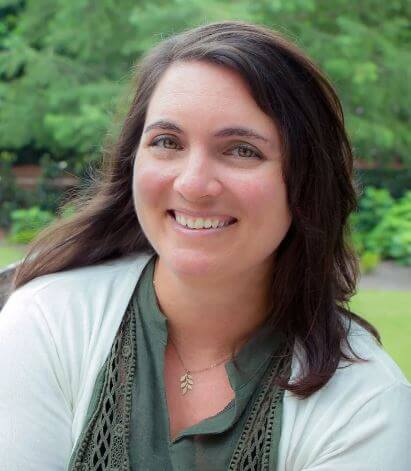
Jeanine Rousso is a licensed counselor and supervisor in Florida, Georgia, and North Carolina. She founded the nonprofit organization Therapist Resource Network to provide emergency financial support, burnout prevention and recovery, and advocacy for mental health professionals.
Throughout her 20 years working in the mental health field, Jeanine noticed a growing need for support among mental health clinicians, especially in times of personal emergencies and burnout. As the need for mental health treatment increased among clients, so did the need for the clinicians themselves to be cared for. Unfortunately, the broken mental health system does not often afford therapists the space and financial stability to receive much deserved care in their times of need. Jeanine founded TRN as a way to support therapists in new ways.
In This Podcast Episode: Disaster Recovery and Therapist Resilience
After experiencing a hurricane that disrupted her own community, Jeanine recognized the gap in support for clinicians facing financial and emotional crises. She shares how Therapist Resource Network emerged from that realization and offers practical insights on what therapists need to prepare for and how to care for themselves and their peers when crisis hits close to home.
Key Takeaways for Therapists on Navigating Disasters and Financial Crisis
“It may not be beneficial for anybody for therapists to show up as therapists when they’re in the middle of feeling the impacts of a natural disaster as well.” – Jeanine Rousso
- Therapists often try to function at pre-crisis levels after a disaster, which can worsen burnout and delay healing.
- It’s okay to step back from the helper role and participate in community support in non-clinical ways.
- Build a financial safety net and keep income documentation—contractors and self-employed clinicians often lack proof for FEMA or unemployment claims.
- Consultation and colleague support help clinicians assess their capacity and avoid ethical slippage when personally impacted.
- Therapist Resource Network offers direct grants and advocates for fair pay and systemic change to reduce clinician financial vulnerability.
- Disaster preparedness for therapists includes backup plans for clients, cross-state peer networks, and mental health supports for clinicians themselves.
“We’re humans before we’re therapists … It does a disservice to our clients and to ourselves if we keep working through traumatic times when we don’t have the capacity to do so.” – Jeanine Rousso
Resources on Therapist Financial Support and Disaster Recovery
- Therapist Resource Network – financial grants, burnout prevention, and advocacy for mental health professionals
- Therapist Resource Network: Instagram, LinkedIn
- FEMA Disaster Assistance – www.disasterassistance.gov
- Red Cross Disaster Mental Health Volunteer Information – www.redcross.org
Relevant Episodes of the Modern Therapist’s Survival Guide
- How Therapists Can Responsibly Support Disaster Mental Health: An Interview with Dr. Shannon Goodhue, LCSW, PhD
- How Therapists Can Truly Help After a Disaster
- Therapists Are Not Robots: How We Can Show Humanity in the Room
- REPLAY – Therapists Are Not Robots: How We Can Show Humanity in the Room
- Are You Too Burned Out to Work? An ethical assessment of therapist burnout and impairment
- Impaired Therapists
Topic: Burnout
Meet the Hosts: Curt Widhalm & Katie Vernoy
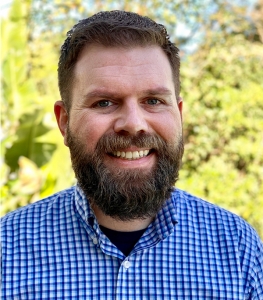 Curt Widhalm, LMFT
Curt Widhalm is in private practice in the Los Angeles area. He is the cofounder of the Therapy Reimagined conference, an Adjunct Professor at Pepperdine University and CSUN, a former Subject Matter Expert for the California Board of Behavioral Sciences, former CFO of the California Association of Marriage and Family Therapists, and a loving husband and father. He is 1/2 great person, 1/2 provocateur, and 1/2 geek, in that order. He dabbles in the dark art of making “dad jokes” and usually has a half-empty cup of coffee somewhere nearby. Learn more at: http://www.curtwidhalm.com
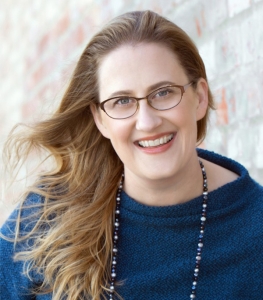 Katie Vernoy, LMFT
Katie Vernoy is a Licensed Marriage and Family Therapist, coach, and consultant supporting leaders, visionaries, executives, and helping professionals to create sustainable careers. Katie, with Curt, has developed workshops and a conference, Therapy Reimagined, to support therapists navigating through the modern challenges of this profession. Katie is also a former President of the California Association of Marriage and Family Therapists. In her spare time, Katie is secretly siphoning off Curt’s youthful energy, so that she can take over the world. Learn more at: http://www.katievernoy.com
A Quick Note:
Our opinions are our own. We are only speaking for ourselves – except when we speak for each other, or over each other. We’re working on it.
Our guests are also only speaking for themselves and have their own opinions. We aren’t trying to take their voice, and no one speaks for us either. Mostly because they don’t want to, but hey.
Join the Modern Therapist Community:
Podcast Homepage | Therapy Reimagined Homepage
Facebook | Facebook Group | Instagram | YouTube | LinkedIn | Substack
Consultation services with Curt Widhalm or Katie Vernoy:
Connect with the Modern Therapist Community:
Our Facebook Group – The Modern Therapists Group
Modern Therapist’s Survival Guide Creative Credits:
Voice Over by DW McCann https://www.facebook.com/McCannDW/
Music by Crystal Grooms Mangano https://groomsymusic.com/
Transcript for this episode of the Modern Therapist’s Survival Guide podcast (Autogenerated):
Transcripts do not include advertisements just a reference to the advertising break (as such timing does not account for advertisements)
… 0:00
(Opening Advertisement)
Announcer 0:00
You’re listening to the Modern Therapist’s Survival Guide, where therapists live, breathe and practice as human beings. To support you as a whole person and a therapist, here are your hosts, Curt Widhalm and Katie Vernoy.
Curt Widhalm 0:16
Welcome back, modern therapists. This is the Modern Therapist’s Survival Guide. I’m Curt Widhalm with Katie Vernoy, and this is the podcast for therapists about the things that happen in our practices, the things that happen in our lives, the way that we show up as humans. And Katie and I have had a couple of episodes this year around our experience with the wildfires in Los Angeles, the ways that that affects us personally, the ways that that has affected our communities, some of the interplay in doing disaster mental health. And we want to continue on with this conversation with some ways that we haven’t really talked about yet, as far as navigating some of how things handle us personally as therapists, not just Katie and me, but anybody who’s going through this. And we are joined today by Janine Rousso. She’s a licensed counselor in three states, and is going to be talking with us and helping us to further on our conversation. So thank you so much for spending some time with us today.
Jeanine Rousso 1:14
Thanks for having me.
Katie Vernoy 1:16
We’re excited for this conversation because it’s such a needed addition to our conversation with Shannon Goodhue over at Red Cross, and our conversation when we were going through the fires. We’re going to be talking about, you know, how therapists can manage themselves when they are actually impacted by those types of community disasters. But before we jump into that, I’d love to talk with you about who are you and what are you putting out into the world?
Jeanine Rousso 1:41
Well, I am Jeanine. I have been in the mental health field for 20 years, and last year, I co-founded a nonprofit Therapist’s Resource Network. We are providing emergency financial support to mental health clinicians as well as burnout prevention and recovery and advocacy.
Curt Widhalm 2:02
So we start a lot of our episodes in talking about some of the mistakes that we’ve seen people make along the way. And this is by no means a shaming question, but more of a can we take some wisdom from what we’ve seen from other people in order to not make some of the same mistakes ourselves? So what do therapists usually get wrong when a natural disaster hits their community or impacts them personally?
Jeanine Rousso 2:27
I think one is continuing to function at the same level that they were functioning at, or trying to function at that level post natural disaster. I also think maybe jumping in to help in ways that don’t serve them as a therapist, so maybe trying to provide emotional support for others who have been impacted by the same natural disaster that they’ve been impacted by, when really they could be helpful in another way. I think we’re all, everybody in this field has a natural desire to help, and it may not be beneficial for anybody, for therapists to show up as therapists when they’re in the middle of feeling the impacts of natural disasters as well. Also not thinking about your own needs, not taking the time to feel the feelings of the trauma that you’ve just experienced or are continuing to experience, and trying to put that aside, to continue working and to continue supporting your clients.
Katie Vernoy 3:30
So to step back just a second, you talked about the Therapist’s Resource Network that you put together. How did you get into that? And what is your experience with natural disasters?
Jeanine Rousso 3:41
So the idea for Therapist Resource Network has been in the back of my head for probably 11, 12 years. When I lived in Atlanta, there was a similar nonprofit that started to provide the same support for people in the food and beverage industry. And at that time, I was like, Oh, we totally need that in our field, but for me, it just wasn’t the right time to get into that. As I continued in my career, especially as I started doing clinical supervision for new clinicians, it did not matter the setting that they were in, whether it was a community mental health, a school, even a private practice, almost every single one of my supervisees struggled financially, and the more research I did, the more I found out that mental health clinicians are not paid equitably to similarly trained and educated physical health professionals. So we don’t always have the ability to build our own financial safety net for when a personal emergency happens, a natural disaster, you know, a medical emergency, what have you. And I think, especially having gone through the pandemic, and everyone experiencing this collective trauma, we as clinicians are experiencing, our clients are experiencing that kind of really pushed me in the direction of getting this started. And honestly, after in the first year that we started last year, I live in western North Carolina, and we were hit with a hurricane in the mountains, which makes no sense, but there we were, and I was in a disaster zone, trying to continue to be a therapist, as well as evacuating because we didn’t have power or water for a decent amount of time. So it all just has kind of come together, and we’ve been able to begin supporting therapists who have had some of these experiences, and it’s been pretty helpful for those of the people who have applied for support.
Katie Vernoy 5:43
At whatever level you’re comfortable. I’d love to talk a little bit about the your experience being evacuated and being a therapist and understanding kind of your the lived experience of having to not continue to be a therapist at the same level, to feel the feelings, the things you were talking about before.
Jeanine Rousso 6:01
Yeah.
Katie Vernoy 6:02
Whatever you’re willing to share.
Jeanine Rousso 6:04
Sure. So I was beyond lucky and super grateful that my home was not damaged in any sort of meaningful way. It happens that in my neighborhood, we have a couple of people who work for the forestry service, so they were able to take out to give us access to leave our neighborhood pretty quickly. I also was very lucky that my I have family that’s 45 minutes away, and they had power and water, they didn’t have internet, but we’ve survived without internet for a week or two. So I overall, I was very lucky in that scenario. So I had a lot of feelings of guilt, right? That the survivor’s guilt almost, that I had it real easy in comparison to a lot of people. I think I recognized within myself that I did not have the emotional capacity to emotionally support others. So when my friends and I volunteered, we went to a warehouse to sort supplies and give out paper towels and food, and that felt better to me and more accessible to me, so that I could still continue to see my clients once I had access to internet. I was also in a different scenario, that none of my clients were local. I didn’t have any clients in the area, so they weren’t impacted in the same way that I was. I did have to reshuffle my schedule, and everybody was very accommodating. But there’s always some guilt in that, right, that I can’t be there for my clients in the way that they expect me to be. But everybody was super under understanding. And, yeah.
Curt Widhalm 7:44
You’re talking about the interplay between your personal and your professional identity here, and I imagine that that’s something that happens with any of us in this field when we go through something, whether it be a natural disaster, whether it be our own personal traumas. How do you navigate that with clients? How does that affect your ability to cope when you’re turning off work mode, when you are working and handling curious clients, who do know that you are affected by this?
Jeanine Rousso 8:16
That’s a great question. I will say in this scenario with the natural disaster, because I wasn’t super impacted on a physical level by it, it wasn’t difficult to say, like, Oh, my favorite grocery store is closed, and that’s a bummer, but I’m safe overall. So it wasn’t as big of an impact, but I’ve certainly had other personal experiences that have impacted my practice. I’m pretty open with my clients and share what feels appropriate if they’re interested. And I’ve certainly had to adjust my caseload of clients when I’ve experienced other things; had to refer out, had to take time off, and I think that’s just a part of practicing ethically. And I’m sure there are times when I’ve faltered in that, but being more and more aware of it, consulting with other clinicians has been really helpful too, that can kind of help me check myself. Because I think that’s an important piece of the puzzle. When you’re experiencing something, whether it’s, you know, a natural disaster or a personal emergency, that you have to check in with yourself to see what your capacity is, because that’s going to shift as these big events happen in your life.
… 9:25
(Advertisement Break)
Katie Vernoy 9:26
It seemed to me from the outside that there were a lot of clinicians who came together and were trying to provide support to each other during this time, when a lot of folks were evacuated, there was, you know, huge swaths of kind of destruction that people were observing and going through. What were the stories you heard about how folks who had local clients, people who were going through the same crisis, how the clinical need shifted, about, you know, kind of how the natural disaster was metabolized by the community?
Jeanine Rousso 10:00
Yeah. Yeah, heartwarming to be able to see people come together and help each other and support each other in lots of different ways. And clinical needs shifted, for sure, because you think about Maslow’s hierarchy of needs, and a lot of those people didn’t have their basic needs being met, and so they can’t get into their, you know, whatever else they were working on at the time when they’re worried about having potable water and electricity and even having a safe place to stay. So I know that some clinicians lost a lot of clients. They didn’t have the capacity to continue the therapeutic work that they were doing, and had to shift back to these basic needs being met. There was enough, there were several people in the area that I heard from that as clinicians, they lost those basic needs and so couldn’t provide the same level of support for their clients as well. Had to refer people out. There were several, we had people apply for support who lost their offices so they didn’t even have a place to meet anymore, much less maybe they couldn’t even get to an office anymore. We definitely were without internet for long periods of time, so access to direct you know, clinical support was restricted, but certainly lots of opportunities for healing together, whether they’re clinicians or non clinicians, were provided in the area.
Curt Widhalm 11:29
You have any tips or considerations for therapists to have at least in the back of their mind? I know that none of us really plan to be in a natural disaster, and especially one that’s unpredictable, like this. And amongst the myriad of things that we should just plant seeds for ourselves, what kinds of permissions would you like our audience to hear that if they’re ever impacted by this, what should they do?
Jeanine Rousso 11:55
Yeah, I think one thing that a lot of people did not think about, if you are not a w2 employee, if you are not getting documents every month about your paycheck, if you’re a contract employee, if you’re self employed to have some financial documentation. There are supports available for income loss through FEMA, through, you know, unemployment that I know a lot of clinicians struggle with, because a lot of us don’t work in a traditional nine to five, here’s your standard paycheck, here’s your documentation every two weeks. So a lot of people didn’t have that documentation and scrambled for that. I think that’s a big thing that most people don’t think about. I think another thing would be to just really be aware of what your own capacity is, and recognizing that if you have the capability to build some sort of financial safety net, to keep that in mind that especially if you’re self employed or contract employed again, like you may not have paid days off, you may not have, you know, vacation days that are paid for or included in your salary. So being aware of that, and as much as you can building your own financial safety net. Certainly we’re here at Therapist’s resource network to provide a little bit of a safety net, oh, shameless plug to provide a little bit of a safety net, if, if that’s not within your your financial capabilities.
Katie Vernoy 13:29
Do you have a sense of how much of a safety net someone needs to have to weather something like the hurricane that that your community went through?
Jeanine Rousso 13:41
That’s a great question. I don’t, I don’t have a good number on that. Yeah, I don’t, I don’t have a good number.
Katie Vernoy 13:48
I was just curious, kind of like, how long people were out of, you know, not able to see clients, or that kind of stuff. Do you have a sense of that?
Jeanine Rousso 13:54
I think in in general, a minimum of two weeks that it was a struggle to consistently see clients. But as I mentioned, a lot of people’s caseloads dwindled dramatically. So they had to rebuild caseloads a lot. There were clients who had to move out of the area. There were clinicians who had to move out of the area. This disaster in in particular, was a lot bigger than anyone anticipated, and it the aftermath lasted a lot longer than people anticipated. I know people in the city of Asheville in Buncombe County in particular were without potable water for three months. So whether or not that’s feasible to, you know, build that level of a safety net, I don’t know, but I in general, a minimum of two weeks that people were not able to see clients on a consistent basis.
Curt Widhalm 14:53
In addition to finances, are there other kinds of support systems that therapists should consider having in place, so that way, if disaster does strike them, that they can start to get themselves prepared for it?
Jeanine Rousso 15:08
Yeah, I think there’s a lot of services out there that provide support, both for mental health clinicians in particular and other helpers, but also for clients; having a referral network, having some backup options for your clients if there are, you know, clients who are higher risk or have higher need for services to make sure that you have some non local supports that you trust, even if it’s just a temporary, you know, Band Aid or hold over until you can get back to a place where you’re seeing clients. I think that can be really important. Also, you know, think having your own professional network of colleagues that maybe some of them are local, but also outside of your area, if we’re thinking specifically about natural disasters, to have colleagues in other states and other areas that can be a support to you, and also maybe, if appropriate, you know, be a support to your clients.
Curt Widhalm 16:13
As therapists, we have a number of coping skills that we work with with clients on a day to day to day basis, and maybe bringing this conversation down a little bit more to some of the personal effects that we have. Does knowing all of those therapeutic techniques help in those moments? Is it something that hinders us? Is it something that puts us into kind of this double bind? Do we get more in our own way because of having all of this knowledge?
Jeanine Rousso 16:42
Maybe? I think it’s certainly possible, absolutely. And I also think a lot of that stuff is hard to access when you’re in a crisis situation. A lot of our knowledge as clinicians kind of goes out the window a little bit when you’re faced with such an impactful life event that we’re not always able to access that. I mean, we’re humans before we’re therapists, and we have the same trauma responses that our clients have, and so I think that’s part of our job, though, is to assess whether or not we can access that for ourselves, whether or not we can get to the headspace and the emotional capacity to be with our clients, or do we need to take a step back and do we need the time and the space to feel and heal and and protect ourselves before we support our clients. So I think sometimes we think we can do more than we can. And again, I think that’s where consultation and having like, good clinical colleagues who will call you out and be like, No, you need to take a week off because you’re just as traumatized as your clients are, and it does a disservice to our clients and to ourselves and to our profession if we keep working through these traumatic times in when we don’t have the capacity to do so at the high level of care that we expect and we and our clients deserve.
… 18:20
(Advertisement Break)
Katie Vernoy 18:22
You mentioned that you had started Therapists Resource Network, maybe at the end of the pandemic, you know, kind of doing the thing and then the hurricane hit. What were the types of requests that came in? What were the thing, well, maybe we should talk about what it is first, and then talk about kind of the stories that came out of the big disaster that kind of launched this, for the most part, for.
Jeanine Rousso 18:49
Yeah, um, so I, like I said, this has been in the back of my mind for years now, and I started the groundwork of learning, because learning to start a nonprofit is something that I had never done before.
Katie Vernoy 19:01
It’s a whole other thing.
Jeanine Rousso 19:03
It is a whole nother beast that I was not prepared for, learning as I go, but certain, but the pandemic kind of pushed me to recognize that this is truly a need. We filed all the paperwork and got our nonprofit status at the very beginning of 2024 and we actually weren’t, we had not, we didn’t really feel ready to start giving out money. But then this disaster hit my area, and I had this feeling of like, well, we’re starting this, but we’re not doing it yet, but we have, so we kind of put it into high gear after that hit, after the hurricane Helene hit here, because it was that guilt of feeling like, Okay, I’ve started this, but we’re not doing the work, and I’m in it, but I wasn’t really impacted by it in a really severe way. So we, we very quickly got our application ready. We, you know, met with attorneys to make sure we’re doing it right and and so we were able to support 9 clinicians in the area. Most of them had higher levels of need than what everybody experienced. So there was somebody like I mentioned, who lost their office to a flood. There were a couple who had to move out of the area. There were several who the damages in their home were so severe that they had to move out and were able to stay in the area. There were some who had to move in with family members. There were some, I believe we had one who lost a close friend in the floods. I don’t remember the number of people who were lost to floods around here, but it was in the triple digits. It was pretty devastating. So the stories that we heard were, I mean, it’s awful, it’s awful. And you know, you guys know, having experienced the wildfires, that losing, losing the things and losing your stability is such an emotional shake up that it’s really it’s hard to be there for your clients. It’s hard to keep working, doing the work that we do when you don’t have the stability for yourself. Since then, we’ve had a couple other applicants who had personal medical emergencies that you know impacted their work, having to take off excessive amounts of time from work. And so what we do right now, the grant, we do a blanket grant. It’s a $500 just funding to individual therapists. We hope as we grow we can grow that number to be more impactful for each person who applies. We again, went through a lot of conversations around, how do we best support people, and how do we also make it accessible, and we try to have as little red tape as possible for our application process. We do need documentation, but we’re trying not to put too many barriers in place, because we do want this to be accessible for everybody that needs it.
Katie Vernoy 22:17
Where does the money come from?
Jeanine Rousso 22:19
Mostly from individual donors. We have just started with corporate partnerships as well, and as we continue to grow, we hope to find some grant money as well. But currently, it’s really been individual donors for the most part.
Curt Widhalm 22:34
How have the conversations been as far as trying to expand your donor base? That I can imagine just about everybody in this field is like, yes, that’s a great idea. I would love to donate, but I am one of those people who does not make any of the money that you talked about at the very beginning of the show.
Jeanine Rousso 22:53
Right.
Curt Widhalm 22:55
I also imagine on the other end that there might be some of the corporate partners that are saying, what professionals don’t get paid. What is your experience on that end been?
Jeanine Rousso 23:05
So the education piece has been really eye opening for a lot of people who don’t work in the field. Those of us who work in the field, we know, right? We know all of the pitfalls of our industry. I think it has been really eye opening, as I’ve had conversations with people about how much therapists are truly not supported financially. So as of right now, as of today, that we’re recording, it is just me and my co founder, and we both work in private practice, so we do this in our spare time, so it has been a slow grow. We are currently building our board out. We are working a little bit harder to partner with corporations who have a stake in the mental health field, and make sure that we’re partnering with people who truly support individual therapists, because at the end of the day, that’s our mission is to support the individual therapist. There is that education piece, like knowing that therapists need a master’s degree and usually at least two years of post master’s supervision to practice independently is not something that’s well known outside of the counseling field, and so and even to know that the landscape of our jobs, there’s so many people who are in private practice, who are self employed or are contract employees. A lot of people don’t have benefits included in their job. And so then you think about the cost of health care, the cost of maintaining your license. It’s it’s an expensive field to be in, and I think there is a good there’s a lot of education for those outside the field that’s, it’s been interesting to hear, to share with people and hear their feedback, and it, you’re right. There’s a lot of people who are like, really, but I pay a lot of money for my therapy session. Yeah, you might, but all that money is not going into the pocket of the therapist.
Katie Vernoy 25:06
It seems like this is a an attempt to try to support clinicians who are underpaid. And yet, there’s a systemic issue here, right? And so I don’t know if I have a question. I’m just curious about your thoughts on addressing the systemic issues while also trying to take care of folks along the way.
Jeanine Rousso 25:25
Yeah, and this is I will, I will own that I get in the weeds in these thoughts, because so much of it is a systemic issue, and I get overwhelmed with how much of the problem is systemic, that we as individuals, it’s a hard balance, because we’ve got it’s like, on one hand, you have to play within the system to make a living, to do what we love, to support our clients. And also the system is such a big problem. And I see it’s not even both sides of the coin, because there are so many facets. Was like one of those, those like multi side dice that we use for games, right? That there’s so many pieces to the puzzle, and I think that’s where our advocacy piece comes in. As we were nailing down our mission, one of the conversations that kept coming up is like, yes, we want to provide this financial support. But also there’s the bigger picture that’s so important to us, and as we grow, we hope to be able to help clinicians advocate for themselves, help them learn how to have conversations around salary negotiation, how to negotiate with health insurance companies, how to build their practice in a way that is financially sustainable, or if they’re choosing to work, you know, within a hospital or a community agency, how do they advocate for ethical, to be able to provide ethical treatment and also be financially sustained. Because right now it’s very difficult to have both of those things. I don’t know that we have a solution to this problem, but we’re hoping to provide individual therapists with some support for themselves.
Curt Widhalm 27:14
I’m personally just fighting against having this episode spin off into dealing with the system and everything else that you are welcome to listen to a number of our backlog of episodes on some of these systemic problems. And you know, how can therapists who are interested get involved with Therapist Resource Network.
Jeanine Rousso 27:38
Yeah, first and foremost, we’d love for you to sign up for our email newsletter. We send out one a month. We try to provide some helpful information for therapists, in that we are also working to build some committees of volunteers if there are specific areas of interest. I know, you know, if we if you are interested in helping us with social media, we will take you under our, we would love that. If you want to help with helping to get the word out to other therapists that we exist, or if you have connections in corporations, to help connect us with corporations who may be interested in partnering, we’re definitely open for volunteers. If you’re in need of support, we’d love to have you apply for some financial support. All of this is on our website. It’s therapistsresourcenetwork.org. And I mentioned earlier, we are building the board, and I think that will be an ongoing process for a while, because we really want to build a strategic and purposeful board to help us grow this project, and I’m continuing to support therapists.
Curt Widhalm 28:46
This sounds amazing. This sounds like something that should have been in place and should be in place in a lot of agencies, especially government funded agencies already, just as far as employee assistance when it does come to this, and damn it, it’s not. So, I’m so thankful that I’m so thankful that there are people like you who are taking your time and your energy to actually take some action on this. And I highly encourage any of our listeners to get involved in whatever capacity that they can. And you know, if everybody’s donating $1 that that starts to add up, even just very, very quickly, we will include links on how to do that and follow your social media. And so that way, if somebody wants to take over you, featured is in your work there. So we just so much want to thank you for spending some time here with us today, and if there’s anywhere else that you want to direct anybody else that they should go now’s your time to share those as well.
Jeanine Rousso 29:54
Well, thank you for your kind words and thank you for giving us the opportunity to share what we’re doing, with your community. I think that’s been a struggle for us, is getting the word out so the more ears that hear about us. And again, we are always open to donations. Our website is probably the best hub for all of the information. You’re welcome to follow us on social media, but quite frankly, it’s not the it’s not the hub of information that we would want it to be, but the newsletter and the website are really the places to get the information. So yeah, we just appreciate the you sharing your community with us.
Curt Widhalm 30:33
So you can find our show notes over at mtsgpodcast.com, that’s where we’ll post the links, as well as on our social media, in our Facebook group, the Modern Therapist Group, to continue on with this and other conversations, and until next time, I’m Curt Widhalm with Katie Vernoy and Jeanine Rousso.
… 30:50
(Advertisement Break)
Announcer 30:51
Thank you for listening to the modern Therapist’s Survival Guide. Learn more about who we are and what we do at mtsgpodcast.com. You can also join us on Facebook and Twitter and please don’t forget to subscribe so you don’t miss any of our episodes.




SPEAK YOUR MIND