
Intuitive Eating, ARFID, and When Food Anxiety Is Not About Diet Culture
An Interview with Robyn L. Goldberg, RDN, CEDS-C
Diet culture is exhausting, but not every struggle with food is about weight, dieting, or body image. In this episode, Curt Widhalm and Katie Vernoy are joined by registered dietitian nutritionist and certified eating disorder specialist Robyn L. Goldberg to unpack Avoidant Restrictive Food Intake Disorder (ARFID), intuitive eating, and how therapists can recognize when food-related anxiety requires a different clinical lens.
Robyn explains why ARFID is often misunderstood as “picky eating,” how intuitive eating principles can support some clients but need adaptation for others, and what red flags signal the need for referral to an eating-disorder-informed dietitian. This conversation is especially relevant during Eating Disorder Awareness Month and offers therapists practical guidance for supporting clients whose food challenges are rooted in sensory sensitivity, fear, or trauma rather than diet culture.
Click here to scroll to the podcast transcript.Transcript
(Show notes provided in collaboration with Otter.ai and ChatGPT.)
About Our Guest: Robyn Goldberg
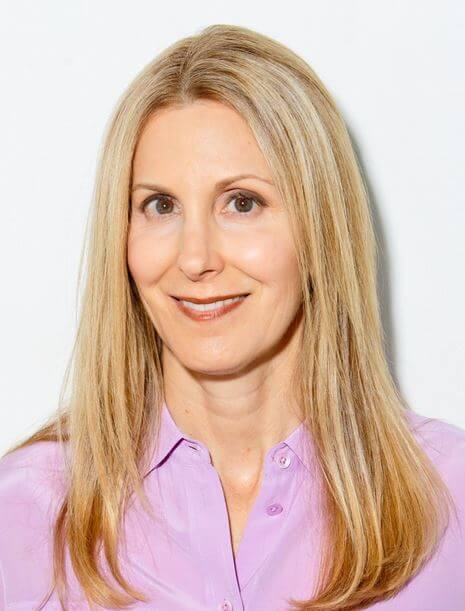 Robyn L. Goldberg, RDN, CEDS-C, began her career at Cedars-Sinai Medical Center in Los Angeles as the inpatient dietitian in the Department of Cardiology. Over the last twenty-eight years, she has developed her own private practice in Los Angeles, CA.
She is a contributing author and a nationally and internationally known registered dietitian nutritionist who has been quoted in The New York Times, The Huffington Post, and Vogue. Robyn has appeared on national television as the eating disorder expert on The Insider. She is the author of The Eating Disorder Trap: A Guide for Clinicians and Loved Ones, co-author of the online course Your Recovery Resource, and the host of The Eating Disorder Trap Podcast.
Key Takeaways for Therapists Supporting Clients With ARFID and Intuitive Eating Challenges
“Discovering the satisfaction factor is actually seen as the most important principle of intuitive eating, because if we’re not satisfied, we’re going to keep thinking about food even if we’re full.”
— Robyn L. Goldberg, RDN, CEDS-C
- Intuitive eating is not a linear or one-size-fits-all process, and clients do not need to follow the principles in order.
- ARFID is not driven by weight or body image concerns and is frequently rooted in sensory sensitivities, trauma, neurodivergence, or fear of aversive consequences.
- Clients with ARFID may rely on a very small list of “safe foods” and experience significant impairment in social, occupational, or relational functioning.
- Exposure-based approaches are often central to ARFID treatment, but they require pacing, structure, and specialized expertise.
- Therapists should watch for behavioral red flags such as extreme rigidity, hoarding safe foods, avoidance of eating with others, and significant distress around food changes.
- Collaboration with eating-disorder-informed dietitians is essential when ARFID is suspected.
“ARFID is often pushed aside as, ‘Oh, this individual has always been picky,’ but sometimes it goes deeper than that.”
— Robyn L. Goldberg, RDN, CEDS-C
Resources on ARFID and Intuitive Eating
- Robyn’s Website: askaboutfood.com
- The Eating Disorder Trap: A Guide for Clinicians and Loved Ones by Robyn L. Goldberg
- The Eating Disorder Trap Podcast
- Online course: Your Recovery Resource
- Instagram: @robyngoldbergrdn
Relevant Episodes
- Navigating Food, Body Image, and GLP-1 Medications: An Interview with Robyn L. Goldberg, RDN, CEDS-C
- Navigating the Food and Eating Minefield, An interview with Robyn Goldberg, RDN, CEDRD
- How Therapists Promote Diet Culture: An interview with Rachel Coleman
Health At Every Size, An interview Laura Westmoreland, LMFT - How to Stay in Your Lane to Support Diversity and Inclusion, An Interview with Dr. Joy Cox, PhD
- Are You Actually Neurodivergent Affirming? An Interview with Sonny Jane Wise
- Why Are So Many Adults Getting Diagnosed with ADHD and Autism? An interview with Dr. Monica Blied
- Neurodivergence: An Interview with Joel Schwartz, PsyD
Meet the Hosts: Curt Widhalm & Katie Vernoy
 Curt Widhalm, LMFT
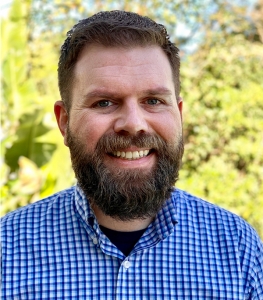
Curt Widhalm is in private practice in the Los Angeles area. He is the cofounder of the Therapy Reimagined conference, an Adjunct Professor at Pepperdine University and CSUN, a former Subject Matter Expert for the California Board of Behavioral Sciences, former CFO of the California Association of Marriage and Family Therapists, and a loving husband and father. He is 1/2 great person, 1/2 provocateur, and 1/2 geek, in that order. He dabbles in the dark art of making “dad jokes” and usually has a half-empty cup of coffee somewhere nearby. Learn more at: http://www.curtwidhalm.com
 Katie Vernoy, LMFT
Katie Vernoy is a Licensed Marriage and Family Therapist, coach, and consultant supporting leaders, visionaries, executives, and helping professionals to create sustainable careers. Katie, with Curt, has developed workshops and a conference, Therapy Reimagined, to support therapists navigating through the modern challenges of this profession. Katie is also a former President of the California Association of Marriage and Family Therapists. In her spare time, Katie is secretly siphoning off Curt’s youthful energy, so that she can take over the world. Learn more at: http://www.katievernoy.com
A Quick Note:
Our opinions are our own. We are only speaking for ourselves – except when we speak for each other, or over each other. We’re working on it.
Our guests are also only speaking for themselves and have their own opinions. We aren’t trying to take their voice, and no one speaks for us either. Mostly because they don’t want to, but hey.
Join the Modern Therapist Community:
Podcast Homepage | Therapy Reimagined Homepage
Facebook | Facebook Group | Instagram | YouTube | LinkedIn | Substack
Consultation services with Curt Widhalm or Katie Vernoy:
Connect with the Modern Therapist Community:
Our Facebook Group – The Modern Therapists Group
Modern Therapist’s Survival Guide Creative Credits:
Voice Over by DW McCann https://www.facebook.com/McCannDW/
Music by Crystal Grooms Mangano https://groomsymusic.com/
Transcript for this episode of the Modern Therapist’s Survival Guide podcast (Autogenerated):
Transcripts do not include advertisements just a reference to the advertising break (as such timing does not account for advertisements)
… 0:00
(Opening Advertisement)
Announcer 0:00
You’re listening to the Modern Therapist’s Survival Guide, where therapists live, breathe and practice as human beings. To support you as a whole person and a therapist, here are your hosts, Curt Widhalm and Katie Vernoy.
Curt Widhalm 0:13
Welcome back, modern therapists. This is the Modern Therapist’s Survival Guide. I’m Curt Widhalm with Katie Vernoy, and this is the podcast for therapists about the things that go on in our practices, the things that go on with our clients. And it’s Eating Disorder Awareness Month. And we all know diet culture is exhausting. It’s a never ending cycle of rules and guilt and chasing perfect bodies. And what about when that difficult relationship with food is not about dieting at all. So this week, we’re going to talk about how we can work with things like arfid and the intuitive eating process. And we are joined once again, by our very good friend, Robyn Goldberg, been on the podcast a couple of times before, and wonderful dietician. And thank you so much for spending some time with us again here today.
Robyn Goldberg 1:04
Thank you so much for the invitation, Curt and Katie. Excited to talk about this, especially since we are in the month of Eating Disorder Awareness education, I think there’s not enough conversations centered around arfid and it’s more common than we realize, oftentimes pushed aside as, oh, this individual has always been, quote, unquote, picky or fussy or difficult I hear around food, but sometimes it goes deeper than that.
Katie Vernoy 1:35
I’m really looking forward to jumping into this conversation, but before we do, I want to ask the question that we asked all our guests, which is, who are you and what are you putting out into the world?
Robyn Goldberg 1:44
Thank you. My name is Robyn Goldberg. I’m a registered dietitian nutritionist and a certified eating disorder dietitian and consultant. I have a private practice in Los Angeles for 20 years where I see kids, teens and adults, body image issues, eating disorders and medical issues, and I help people repair the relationships they have around food in their bodies. And like Curt was saying this never ending topic and exhausting ideas around food and body and striving for this quote, unquote, thin ideal and a place that a person’s not maybe naturally meant to be can be very taxing and lead them to feel confused. And I really like to clarify misconceptions and help a person really work on this place of body acceptance, as opposed to chasing an ideal that may not be suitable for them.
Curt Widhalm 2:40
We’ve used the acronym a couple of times at the beginning of this episode of arfid, which stands for avoidant and restrictive food intake disorder. Is that correct?
Robyn Goldberg 2:50
Yes, avoid restrictive food intake disorder, correct?
Curt Widhalm 2:52
Okay, so before we get into that specifically, I do want to talk more about intuitive eating in general for our audience to be able to kind of talk about what some of the core principles are for clients that struggle with things such as emotional eating, some of the core principles that are out there include honor your hunger. What does this look like for therapists? What does it look like for dietitians and talking with clients? And how can our audience reinforce this?
Robyn Goldberg 3:21
So even just touching upon the principles of intuitive eating an individual, I like to say this because Elyse Resch and Evelyn Tribole always say this, an individual does not have to read the book in order, follow the principles in order. You might say, You know what? I’m really just focusing on rejecting diet culture. What does that look like for me? I think as a therapist, it’s important that we resolve our own issues around food and body, especially if we’re doing any of this work, because oftentimes self disclosure, and we all know self disclosure is only appropriate when it can benefit the client. So I hear too often from clients they have providers that don’t work in the space, and they’ll say, Oh, well, this is what I would suggest you do, or this is what works for me. It’s sort of like, how is that going to help that individual really learning how to not have biases around various foods and food groups. But also, look, everyone has a food regime in regards to what they follow, what they eat, what they don’t eat. Some people don’t think twice about it. But at the end of the day, when you’re looking at these different principles, whether it’s learning how to honor hunger, paying attention with the fullness levels, like and satisfaction factors, without getting into all the principles. Essentially, I think really, at the end of the day, it’s as a provider, looking at what is my role in this, and how does my communication with my client, impact what choices they’re making or what they’re thinking after this meeting?
Katie Vernoy 5:07
Maybe at a high level, it would help those of us who are not as much in the space to talk a little bit about the core principles, so that we all are kind of starting at a common ground. Because I think that would be helpful for me as well.
Robyn Goldberg 5:20
So touching upon this briefly. So as I mentioned before, rejecting the diet mentality, we’re bombarded with dieting messages all day long. It feels very overwhelming and confusing for folks when they’re eating, because oftentimes we second guess the choices that we’re making centered around food. So it’s really coming from a place of neutrality, where a person can be curious and explore what these various foods taste like, what they feel like in our body, what they smell like, the presentation. And again, I’m just touching peripherally on rejecting a diet mentality, learning how to honor hunger and pay attention to what that looks like. Hunger does not have to be felt in our belly. It could be I am irritable, I have a hard time concentrating. I have a headache, I’m tired, I’m tuning out easily, also feeling that your energy level is constantly down. I always like to say you might actually be hungry. You might actually be tired, like what you know, what is the difference in that feeling? So that’s a very in depth conversation too. Really being able to make peace with all foods. You might not like all foods, but knowing you can go to a restaurant, you could go on a vacation, and you’re able to find something wherever you go, versus saying, no, no, there’s nothing here I can eat because I don’t eat fast food, or I won’t eat fried foods. It’s like sometimes, you know what, I just need food to survive. It might not be my preferred food choice, but knowing like this too shall pass. Maybe this wasn’t as awful as I thought it was. I think sometimes there’s these rigid, narrow beliefs, and therefore it paralyzes an individual from being able to go with the flow and be flexible and adaptable in all you know, eating situations. Challenging the food police that that is a big one, whether they are messages we’ve heard growing up, they’re messages that like I was listening to someone the other day who told me that Robyn, I think, well, if I’m eating a specific food, maybe I shouldn’t be, or my rights have been revoked, or I don’t deserve it, or I’m not worthy to eat food that tastes delicious, Like I’m required to eat these same five foods. And really being able to challenge that voice and look at where it originated from and when it began is really important. I think the food police for if not all of us, many of us, it really shapes how we approach our choices.
… 8:20
(Advertisement Break)
Robyn Goldberg 8:20
Learning how to feel your fullness. I think this is another tough one for many people, because there’s different levels of fullness, just like there’s different levels of hunger. It’s looking at what time of the day and what influences the fullness level that you’re either intentionally striving to be at, or that you’re naturally reaching. That takes a certain level of consciousness and awareness and insight with paying attention to oneself. Discovering the satisfaction factor is actually seen as the most important principle of intuitive eating, because a person can eat different foods and be more aware of their hunger and fullness signals, but knowing when we’re satiated, when we’re content, when we’re satisfied, it could be with consuming less, because it was the flavor and the taste that we were seeking, and it really hit the spot. And what’s providing satisfaction is a question I always like to ask, because we want to feel satisfied. If we’re not, then we’re going to think about, even if we’re not hungry, if we’re full, what the next food will be that we’re eating or when we’re eating again. So it’s nice to be able to eat and carry on with our day. So coping with your emotions without using food is also a big one, especially if a person turns to food to suppress or avoid any kind of uncomfortable feeling. Sitting and acknowledging our emotions is tough. That’s why people see clinicians like Katie and Curt, because really, to be able to process, to being able to identify what the feelings are, and looking at how we respond when these different emotions and feelings arise for us, as opposed to looking at food to escape what those look like. Being able to respect our body. That’s another very difficult one for many people, because, like Curt was saying, early on, there’s these standards or unrealistic expectations to have a body shape or size that either a might not be appropriate for your body. B is not attainable or sustainable long term to be able to maintain. And I always like to say, if you’re having to go through these unnatural extreme measures to have your body be at this specific place, it’s probably not the place that your body is supposed to be. So looking at how I can appreciate and respect it doesn’t mean I love every inch of myself. Really being able to say, like a a well lived body is a body that’s able to actually get rest, take time off, hang out. Doesn’t have to be on the move all the time, but really looking how to treat it well with respect and kindness and speak to it in a way that can be loving and nurturing and supportive, I think is super, super important. I like to use, you know, the next term joyful movement, or intuitive movement, because exercise, for many has a negative connotation. People perceive, oh, I have to go on the treadmill. That’s not fun. That feels like a chore. Versus, as a child, I think of running around the playground, going on the jungle gym and the monkey bars like, that’s fun. That’s intuitive movement. It could be: I enjoy vacuuming and dusting and gardening, and that’s what joyful movement is to me. So really looking at what that looks like for yourself. You know, gentle nutrition is actually like one of the last principles of intuitive eating, because the whole goal and premise is to be able to learn how to legalize all foods and food groups, and not have you know the different messages we hear about these different foods based on diet culture and society that you both are referencing. So really being able to work on exploring and approaching our bodies and food through a different lens is important before we’re getting to the gentle nutrition piece.
Curt Widhalm 12:49
For a lot of the intuitive eating principles, it’s dismantling rigid rules. What’s your advice to therapists who are working with clients struggling with anxiety and loss of control when letting go of those food rules that have been so comforting, or maybe the one area of life where they do actually have some control over their life.
Robyn Goldberg 13:15
So when an individual is struggling with anxiety, and if they are having these rigid rules around food, one of the things I always like to suggest is, can I delay or postpone eating when I am feeling anxious? Because oftentimes the individual is eating at a faster pace. They’re not paying attention to the eating experience, and like you were saying, Curt they’re wanting to look at what they can control on their life. And perhaps even breaking up the eating experience bite by bite where this is very hard, like, if you’re feeling anxious, you want to do things in a rapid manner, but even to be able to say, well, let me pause a couple bites into it, and just even look at, what am I noticing about the food? Did I notice: was it crunchy? Was it too salty? Did I love the sweetness? What is it that I’m hoping to accomplish or achieve by eating this food? Really coming from a place of neutrality when exploring, like I always like to say, being a researcher, a researcher is open minded, they’re flexible, they’re curious, and being able to approach food that way when the level of anxiety and stress can diminish, because if you’re in the heat of it, that’s going to be hard to ask yourself these questions and slow down and evaluate where you’re at.
Katie Vernoy 14:44
I’m hearing a lot of mindfulness and slowing down being neutral, trying to be more of an observer. And one of the reasons I wanted to have this conversation is I think that there are a lot of us that don’t have great interoception. There might be difficulties with slowing down when we’re eating or, or even eating lots of different foods or, or, you know, to the point of arfid as well. And so when we start coming up against those types of things, how do you address that with with folks, and what are the things that we should be aware of when someone’s not able or doesn’t doesn’t feel capable of doing more intuitive eating or mindful eating?
Robyn Goldberg 15:32
Yeah, so mindful eating and intuitive eating, there is overlap, but they are different.
Katie Vernoy 15:37
Okay.
Robyn Goldberg 15:38
With someone who’s neurodivergent: one of the things I always like to suggest is not doing something else when eating, because it’s hard enough to be conscious and present if you know when you’re in that place, let alone if you have the TV on or you’re watching YouTube, or you’re chatting with someone. So I think for many clients that do not have that interoceptive awareness, and that’s like a big thing with into Intuitive Eating too, is really like being able to make a list of foods that you’re willing to try, you never even go near that you’re considering like, on a scale of one to 10, 10 being like, I’m super scared of this food. One is like, No, not at all. Maybe being able to look at what it would take to be able to just like, hold the food or go down the aisle in the grocery store where it is, or smell it or look at it, to even begin having an exposure with it. Because I think too Katie, I feel like, I don’t know if you you’re asking this yet, but I know it’s coming. Is with a lot of these folks, they’re requiring more structure and guidance and hand holding versus I think people oftentimes assume with intuitive eating, it’s like, I’m off, you know, and the you know, wild blue yonder, it’s like, well, it starts for many people feel like I can be brave and approach food that way. Others are like, I need more hand holding and support. Like, Let’s just hang out in the shallow end of the pool. Like, I don’t want to go into the deep end or the midsection. I just want to hang out here for a bit. And I think through exposure therapy and really being able to talk about these different foods and being able to be with someone that would be supportive to help you, even just like, sit with it, go with it. Like, okay, I’m going to, you know, I don’t know if I can take a bite yet, but one of the things I do say to clients is, before they rule it out, I want you to commit to a minimum of three bites before you formulate an opinion about if this is a food that you see yourself working in or would want to work in, because it’s easy to stay in your cocoon of eating the foods that you know you like, that are safe, that work for you. It’s scary to try something different, especially when you might have a sensory disorder, certain textures you’re drawn to, there’s a lot of fear centered around these foods. Even if you’ve not had a negative experience, it’s like our imagination can really take off and make us feel like it’s like someone’s trying to poison us.
… 18:42
(Advertisement Break)
Curt Widhalm 18:44
I want to switch our conversation now to focusing on arfid, and for those who are unfamiliar with it, how would you describe it being different than some of the other eating disorders that many people are potentially more familiar with.
Robyn Goldberg 19:01
So arfid, avoidant restricting food intake disorder. This is known as the quote, unquote, picky eater. This is not anything centered around weight or dieting. Oftentimes, individual is on the spectrum. They’ve had something traumatic happen to them. Perhaps food was caught in their throat when they were young or even older. It’s been trauma that they’ve experienced for for many, and I see this less and less now, but for many, they’ve, you know, been getting their nutrition through what’s called enteral nutrition, because they’ve just like as young children, they’ve not been staying on their growth grid, and it’s been hard to keep their intake up. Because that’s oftentimes the goal when a child is so young, to be able to keep their intake up. It doesn’t matter if they’re consuming the same five foods. But really looking at what, what, what has led them to be so picky? And you know, for many people, I see like I have many adults I see that have arfid, and I have, you know, some kids, but the adults will say, I think I’ve been this way since I was very young, and this is what I know, and now they’re wanting to address it, because it’s affecting their social life. They’re finding to go out with people for work or to go on a date or to travel, they’re paralyzed. They think of like, well, gosh, I don’t know how I can go to another country, because I don’t know what the food would would be like. So with with this, really the texture, you know, for many they’re so dialed into the seasonings, the spices, the flavors, like over covid, when different products were not available and would would sell out, I think of a client of mine that his mother would say, Robyn, I didn’t know what to do, because the chicken finger recipe that, you know, my child would eat, he would say they changed the formulation. I can tell. I can taste that, you know, there’s pepper, or this is more crumbly, or there’s a weird after taste. I mean, things that the average person wouldn’t be aware of and and that’s true and valid. So really looking at how to be open to try a different chicken nugget or other foods, it’s it’s definitely a long and tough journey.
Katie Vernoy 21:39
My impression of arfid is that there’s a repulsion, that there’s almost an inability to try new foods, or to some at some points, eat at all. And it seems like it’s, it requires quite a bit to be able to get past that. Sometimes there’s, you know, it seems like there’s different theories about easing into it, or, you know, kind of forcing the issue, those types of things. So it feels very different than anorexia, right? There’s potentially similar presentations when someone comes into your office, but there are very different reasons. I’m controlling food based on calories and a diet, I am repulsed by foods, and I just don’t, I can’t eat right now. And so you talked a little bit about doing exposure, which I think can feel, probably life changing, but also very overwhelming and potentially dangerous in and of itself. What are some of the what are some of the other treatment options. What are some of the ways that, as a dietitian, you might approach this? I’m just curious. I know that this would be out of the scope of therapists, but I think for therapists to be able to understand and refer appropriately to dietitians, it might be good to understand that the treatment options and kind of the different ways you might work with someone that’s really struggling with arfid.
Robyn Goldberg 22:58
Sure, and I will just say, Katie, there’s therapists I know that this is what they specialize in, and do.
Katie Vernoy 23:04
Sure, sure.
Robyn Goldberg 23:06
So I mean, exposure therapy is really the tried and true way. It’s like, you could talk about a food all day long, but until you’re physically embracing it, looking at it, seeing it, smelling it, touching it, tasting it. I have found, personally fast, like, oh, let’s just is not a long term way to be successful. It’s really like, I think of different clients where it’s like, we’ll have weeks that we’re talking about various foods in preparation for them to actually try it, whether it’s in my office with a friend, with their family somewhere, I actually did an exposure with a client recently, and we’ve been talking about going to the Farmers Market. And you know, this client, you know, has all these, like, ideas about, you know, all these different, you know, produce items. So over summer time, and I had picked a small farmers market that I felt like would be less anxiety provoking, as opposed to a larger farmer’s market, when I’m saying smaller, where it’s like Westwood Farmers Market, where it’s like one block and there’s maybe like five or six produce. It’s very small. It’s not like going to Santa Monica or Hollywood. And so we had had a plan, and I had said, like, we’re this is when the peaches and pulots and nectarines were out, and these were, you know, vendors and people I was very familiar with, and I had said like, and I always tell this to clients, and sometimes it gives them reassurance, I think, especially when we’re out in the world, versus like in the office, is I will be your shield. I’m gonna taste everything before, I suggest to you, like this point, knew, Okay, we’re gonna be trying stone fruits, like he hadn’t had it, in maybe, like, 20 years and didn’t remember it, but knew it was not anything that he wanted. So is, you know, I’m going through with the samples, all the different options. So even just watching the like, hyperventilating, the anxiety, like the emotions literally, like on one sleeve, like in motion, because, you know, you can hear someone describe it, but witnessing it is very, very different. And it was like, Maybe after the second or third sample, I, you know, had watched my client, like, walk away to just like, remove themselves from that space. And we were talking about, like, what was coming up for him. This is an adult person, and, you know, finally is like, a way to, like, buffer and calm himself down, just to, you know, because there’s all kinds of vendors at a farmer’s market. There’s bread people and soup people, and Mediterranean, and he just like, walk off to one. And I would just like, go. And then he’s like, Okay, I’m ready for the next and literally, I think, in these types of situations, like, I know, in this last one, it resulted in my client trying other things that he hadn’t planned on, not in the produce. It was like in the soups. It was in the the breads, the baked goods and, like, buying some things. And we were just talking the other day about, like, Okay, I’m getting ready to do another one with you, Robyn.
… 26:43
(Advertisement Break)
Curt Widhalm 26:44
What are the absolute red flags, nutritional, physical, psychological, behavioral that a therapist should look for that indicates that a client’s restrictive eating is likely arfid and requires immediate rd referral.
Robyn Goldberg 27:03
That’s a very good question. Curt, because I’m thinking of someone in treatment. This client was mistaken for having anorexia nervosa, and he actually had arfid and OCD and a bunch of other diagnoses. I think first and foremost, you know, the individual will only eat these, you know, same handful of foods. Maybe they cannot go out in the world. They are not like, you know, they’ve lost a significant amount of weight. They’re so rigid, you know, when you’re saying red flags, I mean, there can be be many, and oftentimes it takes a lot of different evaluations to be able to come up with like they have arfid like, I think this, this person, initially, when I had started with him, I thought, like, Oh, definitely has anorexia nervosa. And then as I got to know him and see, like, no, there’s a lot of and it was down the road, it was like, Yeah, I don’t really care physically, where I’m at or what I look like. I just know I having a hard time expanding from what I’m eating. And his family would say, like, even just the hoarding, like there are these safe foods, and you can open up his closet or desk drawer and there’d be rancid, like there’d be things stored there. So I think behaviorally, it’s not just the presentation of how they look. It’s really what’s happening behind closed doors too, and whatever’s being reported, because he never reported that. And also, too, you know, I would hear from the family like Robyn, if you know, I’m asking him to open jar of tomato sauce, let’s say, because I can’t open it. Like she did not know this was with the arfid and OCD, until later, she’d watch him put, like, surgical gloves on, like, cannot touch it, cannot be near it, can I’m gonna wear nose. But like, really taking it to a place, like, okay, is that normal? There’s more stuff going on.
Katie Vernoy 29:14
It seems like, with all of the sensory issues, the fear of aversive consequences, lack of interest, it feels like it’s a hard fit to put intuitive eating into a treatment modality, and so we’re running very low on time. So maybe in kind of a quick way, how do you adapt intuitive eating for folks who have arfid and or interoception issues, difficulty with letting go of rigid rules like, what are the what are the additional pieces that might be helpful just to understand about the changes that might need to be made to the intuitive eating?
Robyn Goldberg 29:50
Good question, yes, because that they may not ever get to be an intuitive eater, it’s requiring more structure and guidance . And and specifics, and even through those meals and snacks that they are eating, where we can then look at the pausing and asking, like, how is something tasting or feeling like, what would you consider doing differently? So it’s working within a framework that is within what they’re doing, but gradually adding other foods in. But really it’s being very gingerly and mindful about it, because seeing that there’s so many thoughts and fears and hesitations, especially if they’re not able cognitively to evaluate on that level. They just think, like, okay, it’s in front of me. I’m I’m eating so we’ll talk about like, you know, how they were feeling before they ate it, or after they ate it, or what they liked about it, what they disliked about it, really breaking it down to micro changes.
Curt Widhalm 30:58
I want to thank you so much for spending your time with us here today, and I want to give you the opportunity to talk about where people can find out more about you and the work that you do and your very wonderful writings and podcasts and all that kind of stuff.
Robyn Goldberg 31:13
Thank you so much. So I’m on my website: askaboutfood.com, I’m on Instagram. It’s Robyn with a Y, Goldberg, R D N. My book is The Eating Disorder Trap. It’s available on Amazon, Barnes and Noble. It’s an audio e-book and paperback. I have a podcast, The Eating Disorder Trap podcast, which is on iTunes, Spotify, and it drops every other week. And yes, I’m all over the internet, and would be happy to be a resource and answer any questions for your listeners.
Curt Widhalm 31:49
And we will include links to all of Robyn’s things in our show notes over at mtsgpodcast.com. Follow us on our social media. Join our Facebook group, the Modern Therapist Group, to continue on with these conversations. Follow us on LinkedIn and Substack to do all of the wonderful things over there too, and until next time, I’m Curt Widhalm with Katie Vernoy and Robyn Goldberg.
… 32:12
(Advertisement Break)
Announcer 32:14
Thank you for listening to the Modern Therapist’s Survival Guide. Learn more about who we are and what we do at mtsgpodcast.com. You can also join us on Facebook and Twitter, and please don’t forget to subscribe so you don’t miss any of our episodes.




SPEAK YOUR MIND