
The Lasting Harm of Conversion Therapy: An Interview with Samuel Nieves
Editor’s Note: This conversation was recorded in November 2025, before the U.S. Supreme Court issued its March 31, 2026 decision in Chiles v. Salazar. We are releasing it now because of that ruling, but this episode is not a legal analysis of the decision. Instead, it focuses on the harms of conversion therapy, survivor experience, and what therapists need to understand when working with clients impacted by sexual orientation and gender identity or expression change efforts. The Court ruled 8-1, reversed the lower courts, and remanded the case for further proceedings.
Curt and Katie talk with Samuel Nieves about the lasting harm of conversion therapy, how change efforts can be disguised as therapy, and what clinicians need to understand when working with survivors. Sam shares from his own lived experience as a survivor, explains the broader framework of SOGIECE, and describes the core damage of conversion therapy as identity harm, loss of self-trust, and disconnection from one’s own lived experience.
Click here to scroll to the podcast transcript.Transcript
(Show notes provided in collaboration with Otter.ai and ChatGPT.)
About Our Guest: Samuel Nieves
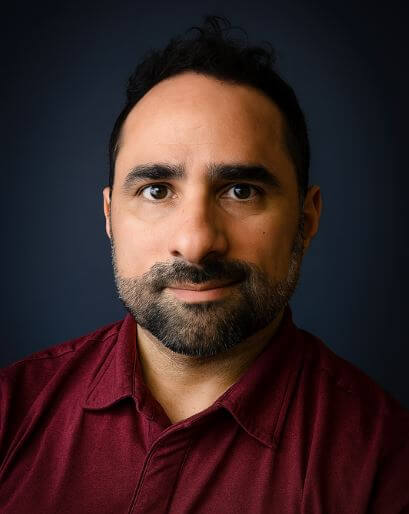 Sam Nieves has a Bachelor’s in Psychology. In 2019, he entered grad school to become a Licensed Marriage and Family Therapist, but left the field after 6 months of clinical experience. Since 2020, Sam has used his personal, clinical, and educational background to support survivors of conversion therapy. He is now a board member of the non-profit organization Conversion Therapy Survivor Network. Sam uses the online name “CantPrayMeAway” to share his own experiences as a client of conversion therapy and advocates for the end of all conversion practices worldwide.
In this podcast episode: The lasting harm of conversion therapy, identity damage, and survivor healing
This bonus episode was recorded in November 2025 in anticipation of the Supreme Court ruling in Chiles v. Salazar and released after the Court’s March 31, 2026 decision. Rather than focusing on the legal details of the ruling, this conversation centers on what conversion therapy actually is, how it can show up in subtle and disguised forms, and why its deepest harms often involve identity damage, self-doubt, and the loss of trust in one’s own body, emotions, and decisions. Sam also shares how therapists can better support survivors and where clients can find community and resources through the Conversion Therapy Survivor Network.
Key Takeaways for Therapists on Conversion Therapy Harm, SOGIECE, and Supporting Survivors
“As soon as that change effort enters the realm of your therapy room, you’re now performing conversion therapy.” – Samuel Nieves
- Conversion therapy is broader than many therapists realize. It is not limited to camps, aversion techniques, or explicitly religious counseling.
- SOGIECE, sexual orientation and gender identity or expression change efforts, gives therapists a clearer framework for identifying change efforts, even when they are disguised as exploration, support, or behavior change.
- The core harm of conversion therapy is often identity damage. Survivors may struggle to trust themselves, believe their own lived experiences, or feel safe in their bodies.
- Even valid therapeutic tools can become retraumatizing when they are used in the service of trying to change identity.
- Survivors may come into therapy rigid, cautious, or resistant, not because they do not want help, but because therapy itself has been part of the harm.
- Working with survivors requires humility, patience, and a strong commitment to client-centered care rather than therapist-directed outcomes.
- Community, validation, and naming the experience clearly can be an important part of healing.
“That ability to trust yourself is massive, and it takes a long time, and it’s honestly a lifelong journey.” – Samuel Nieves
Resources on Conversion Therapy Harm, SOGIECE, and Survivor Support
We’ve pulled together resources mentioned in this episode and put together some handy-dandy links. Please note that some of the links below may be affiliate links, so if you purchase after clicking below, we may get a little bit of cash in our pockets. We thank you in advance!
- Conversion Therapy Survivor Network, ConversionSurvivor.org
- Sam Nieves on TikTok, @CantPrayMeAway
- Chiles v. Salazar, Supreme Court of the United States, released March 31, 2026
- Research on conversion therapy shared by Sam
- A systematic review of the prevalence of lifetime experience with ‘conversion’ practices among sexual and gender minority populations.
- “Conversion Therapy” Experiences in Their Social Contexts: A Qualitative Study of Sexual Orientation and Gender Identity and Expression Change Efforts in Canada.
- State Bans on Sexual Orientation and Gender Identity Change Efforts and Youth Suicidality
- Research on the “Conversion Practices Pyramid” and broader SOGIECE framework
- “What is So-Called Conversion Therapy?” educational resource shared by Sam
- Survivor support groups and community resources through the Conversion Therapy Survivor Network
Relevant Episodes of MTSG Podcast
- What Therapists Need to Know to Support the Trans Community: An interview with Artie Hartsell
- The Practicalities of Mental Health and Gender Affirming Care for Trans Youth: An Interview with Jordan Held, LCSW
- Working with Trans Clients: Trans Resilience and Gender Euphoria, An interview with Beck Gee-Cohen, MA CADC-II
- Protecting Clients Through Better Notes: An Interview with Dr. Maelisa McCaffrey
- What Goes in Your Notes? Interstate therapy practice and documentation for clients considering abortion or gender affirming care
- Vulnerability, The News, and Your Clients: An interview with Dr. Abigail Weissman
- Getting Personal to Advocate for Compassion, Understanding, and Social Justice: An interview with James Guay, LMFT
- Therapy as a Political Act: An Interview with Dr. Travis Heath
- Reacting to Regime Change: How Therapists Can Advocate for our Clients and Communities
- An Expert Witness Weighs in on Therapist Malpractice: An interview with Dr. Frederic Reamer
- Liability Hot Potato: Defensive Therapy practices that give clients inadequate care
- When Doing “No Harm” Isn’t Good Enough: Bringing beneficence to your clients
Meet the Hosts: Curt Widhalm & Katie Vernoy
 Curt Widhalm, LMFT
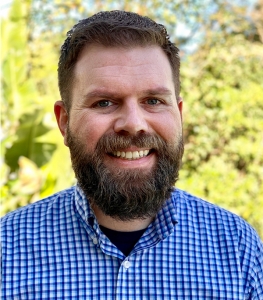
Curt Widhalm is in private practice in the Los Angeles area. He is the cofounder of the Therapy Reimagined conference, an Adjunct Professor at Pepperdine University and CSUN, a former Subject Matter Expert for the California Board of Behavioral Sciences, former CFO of the California Association of Marriage and Family Therapists, and a loving husband and father. He is 1/2 great person, 1/2 provocateur, and 1/2 geek, in that order. He dabbles in the dark art of making “dad jokes” and usually has a half-empty cup of coffee somewhere nearby. Learn more at: http://www.curtwidhalm.com
 Katie Vernoy, LMFT
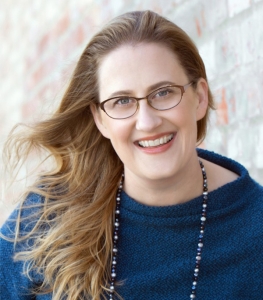
Katie Vernoy is a Licensed Marriage and Family Therapist, coach, and consultant supporting leaders, visionaries, executives, and helping professionals to create sustainable careers. Katie, with Curt, has developed workshops and a conference, Therapy Reimagined, to support therapists navigating through the modern challenges of this profession. Katie is also a former President of the California Association of Marriage and Family Therapists. In her spare time, Katie is secretly siphoning off Curt’s youthful energy, so that she can take over the world. Learn more at: http://www.katievernoy.com
A Quick Note:
Our opinions are our own. We are only speaking for ourselves – except when we speak for each other, or over each other. We’re working on it.
Our guests are also only speaking for themselves and have their own opinions. We aren’t trying to take their voice, and no one speaks for us either. Mostly because they don’t want to, but hey.
Join the Modern Therapist Community:
Podcast Homepage | Therapy Reimagined Homepage
Facebook | Facebook Group | Instagram | YouTube | LinkedIn | Substack
Consultation services with Curt Widhalm or Katie Vernoy:
Connect with the Modern Therapist Community:
Our Facebook Group – The Modern Therapists Group
Modern Therapist’s Survival Guide Creative Credits:
Voice Over by DW McCann https://www.facebook.com/McCannDW/
Music by Crystal Grooms Mangano https://groomsymusic.com/
Transcript for this episode of the Modern Therapist’s Survival Guide podcast (Autogenerated):
Transcripts do not include advertisements just a reference to the advertising break (as such timing does not account for advertisements)
… 0:00
(Opening Advertisement)
Announcer 0:00
You’re listening to the Modern Therapist’s Survival Guide, where therapists live, breathe and practice as human beings. To support you as a whole person and a therapist, here are your hosts, Curt Widhalm and Katie Vernoy.
Curt Widhalm 0:13
Welcome back, modern therapists. This is the Modern Therapist’s Survival Guide. I’m Curt Widhalm with Katie Vernoy, and this is the podcast about things that go on in a therapist’s world, things that happen with our clients, the things that are happening in the profession around us. And we talk a lot on the show about imposter syndrome, that feeling that you’re not a real therapist. And this episode, we’re really talking about actual imposters, the wolves in sheep’s clothing of the therapy profession. People use terms like healing and growth and accountability and do the exact opposite of that. And we are joined today by Samuel Nieves, a survivor of conversion therapy camp, and just talking about the conversion therapy industrial complex, the Chiles versus Salazar case that’s currently awaiting decision from the Supreme Court, and how that’s going to shape our profession going forward, and talking about not only what it is, hopefully most of our audience knows kinds of the basics of conversion therapy at this point, but really the impact and the importance of this discussion. So thank you so much for joining us here today.
Samuel Nieves 1:28
It is an honor. Thank you so much.
Katie Vernoy 1:32
We’re very, very fortunate that you were, you have agreed to come on, and we’re excited to have this conversation. But before we get started, I want to ask you the question we ask all of our guests, which is, who are you and what are you putting out into the world?
Samuel Nieves 1:44
Yeah, thank you. So my name is Sam. I’m a survivor of conversion therapy. Latinx. Grew up Mormon. I was trained as a marriage and family therapist, but I left grad school before I graduated. I’ve been married for 15, actually, I haven’t been married for 15 years, because it hasn’t been legal that long, and I’ve been with my husband for 15 years, and I’m a board member of a nonprofit organization called Conversion Therapy Survivor Network, and so that’s what I put out into the world. I help try to advocate for survivors everywhere, worldwide, but our nonprofit is specifically in the US.
Curt Widhalm 2:20
Usually, one of the other questions that we start a lot of episodes with is what a therapist get wrong about conversion therapy? And at the risk of the answer of that just being it’s just wrong, like, don’t do it. But I think maybe opening up that question a little bit more, if we have the basics ideas of what conversion therapy is, what a therapist what are they missing in what conversion therapy actually is?
Samuel Nieves 2:47
Yeah, I wish people would ask that question more, because if everyone fully understood that the SCOTUS case would have gone completely different. Because when you listen to the therapist from Colorado, who’s saying she’s being forced to transition trans kids by law. Anyone who with a basic understanding of conversion therapy would know that not only is she practicing unethically, because you know, if a client is is asking you, hey, I think I’m going to leave my husband, you don’t immediately jump in and say, All right, we’re going to do this right, like, you know, you explorer, you make space. They could be wrong, and you’re not going to take any opinion on it. You’re just going to make space and see what comes up in therapy, because you’re client centered, rather than your own opinion centered. And that’s what really bothers me about the the case and about the lack of understanding of conversion therapy is that at its core, it’s a simple lack of curiosity and a simple lack of client centered therapy, because any therapist worth their their salt would know if someone’s in your room and says, Hey, I’m struggling with A you don’t have to Have this narrative, I’m going to force you down this one path, because this is what I think is best for you, as if I know what’s best for you. And that’s what this SCOTUS case is arguing, that this therapist is being forced to do therapy in a very specific way, and that’s against her free speech rights, and so yes, people need to know that conversion therapy is still happening, that it’s wrong and doesn’t work, and that you actually could be performing it in your therapy room now with someone you don’t know you’re performing conversion therapy on them, because you’ve you’ve lost your objectivity, and for even, let’s say, an asexual person, right? Someone who doesn’t experience attraction the way an allonormative person would, if you’re going to immediately run with the DSM diagnosis of, oh, this is hypo I forget what the DSM term is, but like, if you immediately assume this person needs to work on their sexuality and become something they’re not, if they’re an asexual. You’re now performing conversion therapy on them. You have to be mindful of what the client wants, rather than just what you assume needs to happen. So I hope that answered your question.
Katie Vernoy 5:10
Well, I think there’s, there’s clearly bias that needs to be addressed here, and there are things that it sounds like. Some of it’s been politicized, some of it has been put in this space of what is morally acceptable or what is normative, or those types of things. But for some of our audience members who maybe don’t have a clear sense of what conversion therapy is, maybe we start with the basics. Start with what has been to date banned and what we’re actually talking about before we get into what actually is very good gender affirming care. So.
Samuel Nieves 5:50
I love this, yeah, I always love to center myself in what the research refers to as SOGIECE, and that’s an acronym for Sexual Orientation or Gender Identity Change Efforts, and it’s conversion therapy as an umbrella term, because the point is, at the very end, they’re taking these parts of your identity and trying to change it, rather than allowing you to explore it in the therapy room, right? So as soon as that change effort enters the realm of your therapy room, you’re now performing conversion therapy. And when you use that very wide lens, you’re now able to catch well, it doesn’t just happen in a conversion camp. It doesn’t just look like aversion therapy with electroshock therapy, which is what everyone assumes it is, even though the majority of it actually when you look at the research 2020 study showed that 80% of conversion practices are religiously founded and religiously based, right? And so when you look at conversion therapy, it can look like someone who’s a parent, right, simply invalidating their child and saying you need to pray harder. It could be corrective, you know, trigger warning. It could be corrective rape. It could be going to a school and the teacher is espouting all of this rhetoric about you need to change. You need to have heteronormative, allo normative, cis gendered feelings, etc, etc. It really runs the gamut. And as long as you center yourself on what is SOGIECE, is it a change effort that’s happening right now? If you’re just exploring that’s not conversion therapy, but as soon as you’re trying to change it through demonizing queer people or through suggesting that they’re confused and they don’t know themselves, that’s what conversion therapy is. Because the core identity, the core harm of conversion therapy, is the identity damage. That’s the majority of when I when I work with conversion survivors every week, that is the core trauma that we’re working with. The fact that we were taught to not trust ourselves, not to believe ourselves, not to value our own lived experiences, and so we had to think very critically about how to wrap ourselves in these cognitive wraps of chains so that we could exist in a world that isn’t meant for us, completely ignoring our lived experiences, our bodies and all of what who makes us us. And so that’s the core damage of conversion therapy. So that is what I really want people to ground themselves on. SOGIECE, and are you trying to change them?
… 8:22
(Advertisement Break)
Curt Widhalm 8:23
I’ve heard from some survivors of this kind of therapy, whether it be individual therapy, whether it be going to some of these camps, that it doesn’t start off as kind of this insidious prison kind of system, that it almost starts the complete opposite way, with love bombing and this real, almost feeling very, very seen from from the very beginning, I want to talk first just you’re nodding. This is a podcast, and I want to acknowledge that you’re in agreement in this as I’m kind of going along. So I’d like you to expand on that a little bit, but also to talk about how working with clients later on, how warmth and validation at the beginning of therapy later on can re-trigger some of those feelings.
Samuel Nieves 9:09
Yeah, I would say my personal therapy from what happened, has been a long journey. Because if you’re hurt in the therapy room, how do you ever feel safe going back into a therapy room, right? And so for me, what made the difference was finding conversion therapy survivor network where I could be in a support group of people who understand. I will tell you, it is quite common. When I go to pride, people will come up to the booth and say, Wow, I’m so sorry that happened to you. I didn’t go through conversion therapy, but and then they start sharing their very traumatic story of how hard it was to come out, which is essentially their conversion therapy survivor story. And until we’re there, and everyone in in the booth is nodding their head like, well, we know what that’s like, because that’s called conversion therapy. The light that turns on on people’s on people’s eyes. Like when they realize, Oh my God, that’s what happened to me. That’s conversion therapy. And I never had the label for it. I’ve last year in or rather this year in Utah pride, I had a man come up to me and he shared this story of, like, you know, it wasn’t conversion therapy, but I don’t know what to call it. And he starts saying what happened in the therapy room, and it just got more and more uncomfortable, because I had to stop him say, I’m sorry. Was your therapist so and so, because I think we had the same therapist, and it was, it literally was the same therapist, and he’s like, but, but it felt good. We worked on some really good things that I needed to work on. I said, Yeah, of course, because conversion therapy from their lens is supposed to find what made you gay, air quotes, what made you gay, heal that, and then suddenly you won’t be be gay anymore. So of course, they’re going to try and use valid therapeutic tools. But the but the goal of that was to change you, was it not? And he nodded. It says, Well, yeah, the whole point of it was to change. So my friend, that’s called conversion therapy. That’s that’s why we go to SOGIECE. And so when you look at some of the research, I think every clinician should know there can be research that says only 2% of queer people are survivors, but I’ve seen just today a study that went all the way up to 43% and it’s all in how you ask that question, did someone try to change you? If so, my friend, I’m so sorry. You get to validate yourself by giving it a label, and maybe all you need to do is give that a label and then you feel validated and you can walk away. Or maybe you need to lean in further and acknowledge what it actually was, because the World Health Organization calls it torture, right? And when you validate that that deep harm, you can finally get some work done, because you’ve been holding on to the gaslighting of yourself. It wasn’t that bad. It was just talk therapy, right? He just said, I have gender dysphoria and I don’t so, oh, well, no big right? But when you recognize it with psychological torture, a lot can open up, and it can be extremely difficult, right? But that’s what therapy does. It opens up wounds in a safe space so you can work with it.
Katie Vernoy 12:15
When you’re talking about this, it’s opening up some different understandings that I don’t know, that I recognized it didn’t have. So thank you for sharing this, because I feel like it’s it’s really broadening my understanding of what’s going on. And so, as you said, conversion therapy doesn’t always have the aversion therapy, those types of things, the camps that that stuff. And instead, it can be this gender exploration. It can be very, I don’t even know what the right word is, very hidden, very…
Curt Widhalm 12:55
It’s disguised in these other terms. It’s…
Samuel Nieves 12:58
Every single, every single time.
Curt Widhalm 13:00
What are some of those terms? Because I’ve also heard this is like…
Samuel Nieves 13:02
Gender exploratory therapy.
Curt Widhalm 13:04
Or gender confusion supports.
Samuel Nieves 13:07
So that’s why the Trevor Project was able to do a report in 2022 and they found they use certain key terms, right? Like gender confusion, same sex attraction. I wish people would stop using that, because that’s what we always call it in conversion therapy circles. So if you ever hear someone refer to something as like same sex attraction, you know they’ve been in conversion therapy circles. But they they try anything that that tries to change our identity into a behavior that’s going to be language that is conversion therapy, because they’re trying to pathologize how we act and ignore the fact that it’s also part of who we are, that it’s not something we can change, and that’s why you can’t just splice it up into quote, acting gay, right? It’s, it’s everything I do is gay because I’m gay, right? Like everything I do is, is Latinx? It because I’m Latinx, right? And so I think just it’s hard because they keep having to create new terms, right? Because in 2015 this large organization Exodus ended up getting debunked, because we caught several of their leaders, and then they admitted, oops, I’ve been doing conversion therapy for years, but not a single person changed. And then they had to close down their organization and create new ones, right? So they just renamed their organizations, and now a lot of the time, what current, modern conversion therapy looks like is they’ve learned they can’t say aversion therapy, they can’t say reparative therapy. Although they still are, they’re still operating under the idea that you that trauma made you gay, right? Even though it’s actually kind of the other way around. They think trauma made us gay because they see a lot of traumatized people. But when you look at our ACE scores, there’s a study in 2020 that says the more ACE scores you have, like adverse childhood events, the more ACEs you have, the more significantly of a risk you get, of an increase to be sent to conversion therapy, right? Which makes sense, because when you have families that are robust, they have healthy coping skills. When their kid says, Hey, I think I’m queer, they’re going to have those tools to deal with that revelation, right? Of, oh, okay, well, this isn’t what we believe, but let’s see what we can do about this, right? And so they’re not going to be sent to conversion therapy, but the families that don’t have healthy coping skills, they’re going to send them to conversion therapy, and then it creates this, this selection bias of, oh, all these queer people have lots of trauma, maybe that’s why they’re queer, right? Even though the research does not show a causal relationship. And so that’s what modern conversion therapy looks like. Now they’re going to be calling it, well, we can’t change you to be gay, but what we can do is maybe walk away from it. What we can do is embrace an identity of Christian. Maybe what we can do is embrace an identity of Child of God, right? And that’s what it looks like now. They will acknowledge even the conversion therapy organizations today that got renamed, they’ll acknowledge this is not conversion therapy in their bylaws, but then when you talk to their survivors who just left those organizations, nothing has changed. They still use the same rhetoric. They now just have little snippets on their website that say this isn’t conversion therapy, but they still talk about walking away from it. They still talk about the lifestyle, they still talk about all of these things. That was the exact same rhetoric that I received when I was in conversion therapy, and we called it the reparative therapy.
Katie Vernoy 16:32
When you were talking about those of us who may be acting from a place of bias ‘we know better than our clients,’ and that change effort are what make it conversion therapy. For me, being sometimes someone who looks at all the details and kind of digs in and has the objections. I think about my clients who are depressed, or my clients who have behaviors that they would like to change, or that I think would help be helpful for them to change, because they’re seeking health and wellness, and when you shifted it to behavioralizing identity, that made it a lot more clear, because I was going to ask that question, like, Hey, I mean, part of therapy is change. We want people to change, or they want to change. So part of it is behavioralizing identity, and it seems like the other part is also, which, you know, this is good therapy versus not so good therapy, following the client’s lead. Arguably, someone who’s seriously depressed may not want to make the changes, and so we may push them along, and we we need to watch that too. But it feels like the the key difference is identity versus the change effort, so to speak. Am I catching that? Like, is there something that I’m missing there?
Samuel Nieves 18:01
No that’s it. Because if you’re saying, you know, I identify as someone who is someone who’s depressed, if that was my identity, if I’ve built my whole life struggle around that’s just who I am, right? Okay, well, then conversion therapy would be trying to change your identity as a depressed person, but this is where you could lean into the research from Dr. Diamond. Dr. Lisa Diamond has done wonderful research on sexuality, right? Where she said sexuality absolutely is not malleable, but it can be fluidic for a lot of people, right? And so maybe you could be a lesbian who happens to really enjoy being intimate with this guy. You’re still a lesbian, but your your sexuality can be fluid in this realm. Okay, cool. Humans are different, right? That’s the difference between behavior which can be fluidic, versus an identity which tends to be quite rigid because we didn’t choose this. This is something that’s formed over a lifetime, right? And so if you’re working with let’s use this example as a client who identifies as a depressed person.
Katie Vernoy 19:08
I’m gonna call them ‘the curmudgeon’ that helps me a lot.
Samuel Nieves 19:11
Yeah, so let’s say this is their identity that they really relate to. Okay, I’m gonna affirm that. Okay, so what are healthy things we can do around that identity, to embrace the rest of who you are, and if on their own, you know what, I may not need that identity anymore. Okay, cool, because research shows that identity might not necessarily be healthy, but when it comes to a sexual orientation or a gender identity, all the research affirms not only is it not changeable, but there’s nothing wrong to it. It’s not something that has anything but stigma from society attached to it, and no stigma in the world is going to change how you connect to the world, right? And then identity as a depressed person you know as a maybe bad example. It’s. Still could be worked with under that lens of, okay, well, let’s not change that, if it’s fluidic on its own, cool, but let’s, let’s work with what you do want to work with, and what behaviors, clearly, are negative.
… 20:11
(Advertisement Break)
Curt Widhalm 20:13
For people who have been through SOGIECE, the feeling that I get is that a lot of them haven’t graduated SOGIECE type therapies or conversion therapies, they’ve learned just to mask or act really, really well, and especially for those who learned how to do this during their formative years, that there’s a lot of confusion that can end up happening. There’s a psychological cost to that thing that you’re talking about as far as being able to speak to who they truly are. For therapists who are working with post SOGIECE clients, can you talk about how that experience, from a client’s perspective, is as far as being able to untangle who they truly are, who they’ve put to themselves, to this acting out to the rest of the world, and I guess it might show up, I guess, as resistance in therapy at first.
Samuel Nieves 21:08
Yeah, yeah, oh yeah. We could be very resistant. Oh my gosh. We could trigger it every week. I would say we tend to be very rigid in our thinking, because we’ve had to. I would say that one of the hardest things we do is connecting with our bodies and the ability to trust ourselves. As far as you know, even though it’s a support group, I do have a therapeutic lens because of my training, I’ve noticed when people graduate from our group, the change that seems to happen is two things. One, they no longer blame themselves for what happened and their participation in it, because, like, for someone like myself, I was a devout Mormon, and I couldn’t conceive of not going to conversion therapy, because my whole, you know, religion was based on the idea of marrying a wife and having children for an eternity. How could someone who’s gay function in such a society, right? And I realized just because I said yes and wanted it doesn’t mean it was consent, because it was coerced, right? And so that’s the first change that we often need to make, is we need to stop blaming ourselves for being coerced and acquiescing to our trauma, right? And so self love and acceptance is absolutely huge and related to it, the second thing that we need to graduate with is a sense of being able to believe ourselves and trust that we can make good decisions for ourselves, because our whole conversion therapy journey, which is often a lifetime, is looking at an experience and telling ourselves we don’t understand it and that we’re wrong. And so if you can get someone who’s in their queer joy, who can be like, Oh my gosh, you know what, I like apples, who cares if everyone’s telling me I’m supposed to like pineapple, I just really like it, and that’s okay. They’re not bad if if they disagree, and I’m not bad if I disagree. That ability to trust yourself is massive, and it takes a long time, and it’s honestly a lifelong journey. I have been healing myself and coming to support groups for years, for about five years now, and I am still having moments when someone will say something in our support group and I will realize, Wow, I still don’t trust myself in my own decision making in that realm, and I’ve never acknowledged that. Thank you for helping me realize that, and it’s going to be a lifelong journey. Those are the two things that we really need. And so I would say, be tread lightly, but do what a normal therapist would do. You know, just make space for mistakes are okay. Check in with your therapeutic relationship, and just be aware that literally anything you say potentially may have been used against them in conversion therapy. There is not one good, healthy therapeutic tool that I’ve ever seen, and thought, Okay, well, conversion therapy can’t use that. No, they do. They use it in conversion therapy and bastardize it and say, this will make you not queer anymore. So just be aware, literally anything you say can and probably will trigger your client. And that’s that’s okay. You’re not going to be able to avoid that.
Curt Widhalm 24:19
I’m really glad to hear you say that, because I think that there’s probably lots of well intentioned things that therapists say that could just be in this minefield. I’m imagining that even a question as simple as what happened to you could very much echo early SOGIECE questions that then are followed up with, well, what caused you to be gay. And is there other kind of well intentioned things that you can maybe help warn our audience and myself and Katie about that would be things that could just be very, almost offhand or second nature therapist’s comments that could also be part of this minefield?
Samuel Nieves 25:02
I wouldn’t expect a therapist to make the common mistakes that I often see, just because they tend to be more aware. Except for, I guess one, please don’t tell me I’m strong. I don’t, I don’t. I don’t need to be tokenized by the fact that I’m so strong, you know, like but I think that’s the same thing understanding you would have for a survivor of sexual violence, right? I think using the lens of sexual violence is very apt, not just because it’s quite common for survivors to be disproportionately victims of sexual violence, because we force ourselves into situations where we are not really consenting to experiences that we’re told will make us straight, right? So it’s it’s also quite common that we’ll have that experience. But quite often in support group and in the research, we will see that the damage is essentially a spiritual and identity rape that we are told, this isn’t you. You are mine now, and you’re going to be exactly what I want you to be, regardless of what you think and feel. So I would say, use a lens of sexual violence and do what you normally would do in therapy, and you’re probably going to be very well served using that lens.
Katie Vernoy 26:21
One of the reasons we reached out to you is because of what’s going on with the Supreme Court. And just to be very specific, why are bans on conversion therapy important?
Samuel Nieves 26:33
There’s a lot of reasons. We actually argue about this in conversion therapy spaces. A lot of us think that we should go directly after our therapists. A lot of us get angry because, like myself, I was an adult legally and the bans in the United States only protect children minors, and only in very specific situations when it’s a licensed clinician. It does not protect anyone from a religious camp. It does not protect anyone from, you know, Christian counseling from their pastor. None of that is protected. It’s only minors from a licensed clinician acting in a therapeutic realm, right? So it’s it’s not really going to protect the majority of survivors. However, when you look at the research, I’ve seen a study at 2020, showing the benefit of bans of conversion therapy. It does lower, it has a measurable impact of lowering suicidality for the people, that for all core people, really. But this study specifically looked at minors. And I would say even just having moved from Utah to Washington State, even though there are plenty of queer people in Utah and they’re very safe, right? Just psychologically knowing that I’m predominantly going to be more safe in this state, even if it’s not true, just that feeling of safety that’s created from that mental shift improved my mental well being. So simply living in a state where, you know, there’s a ban on conversion therapy, lowers the hyper vigilance of always being on the lookout for microaggressions for being queer. So even just that alone, if you weren’t looking at the research showing that it does have a measurable impact, the sense of psychological safety that you have of being in a state that does that is huge. And I will tell you, it’s not surprising that my specific conversion therapist in Utah went on record against the ban on conversion therapy in Utah, and he lost because there is a ban on conversion therapy in Utah for minors. But I don’t think it’s a coincidence that he specifically argued against it. And I don’t think that it’s a coincidence that the way conservatives are trying to because it is conservatives, you know, we don’t need to be political in any of our spaces, nor in my organization, but it is conservatives who are pushing it right now, and the lens they’re using is anti trans rhetoric. And I don’t think it’s a coincidence. And when you look at the SOGIECE acronym, it’s not just change efforts for your sexual orientation or your gender identity, it’s also expressions, or the expression, right? And that’s what conversion therapy looks like today. Well, you’re gay, we’re not going to change that, but let’s like, make you act less gay, whatever that means, right? And that does harm too, because it it behavioralizes your identity. So again, that’s where the damage is.
… 29:32
(Advertisement Break)
Curt Widhalm 29:34
I want to go back to something that you said a little bit earlier, if you’re okay expanding on this, but you’re talking about survivors not being able to trust their bodies as much. And I wonder if you can talk a little bit more about that, especially for therapists who might be more inclined to work somatically with their clients and what they might expect, as far as some of those reactions.
Samuel Nieves 29:59
Yeah, I have not seen ever a survivor of conversion therapy where, you know, just intellectualizing it different helps. We know how to intellectualize. We had to. That’s how we wrapped ourselves in in a box of of a closet, right? What the light bulb moments for us, like I’ll use a story from conversion therapy survivors. There’s this, this lesbian woman who said, what changed for me when I stopped conversion therapy was the moment I realized the same love and affection that I have for my cat was the same feelings I had for my husband. And suddenly I realized, oh my god, I can say I’m in love, but this is not what love feels like. And then when you first have that moment of, oh my god, is this what the songs are talking about, and you instantly have that full body recognition of, this is what it is to be in alignment with who I am, and this is why I’m queer. Suddenly everything changes. I have seen so many people who will come into group with psychosomatic issues. Doctors can’t explain it. No idea why they’re having all of these issues. But every week they’re with us, the symptoms go away because they’re finally being able to be in alignment with their body. So I would say, although this is the worst thing, we hate it. We don’t like somatic work because it’s uncomfortable, because acknowledging who we are is uncomfortable and dangerous to as a matter of fact, right? Like just, just look at the at the at what’s going on. But it is what we need to heal. We do need to be able to connect with ourselves, to align, and as soon as we can do that, the floodgates just open up and we’re able to really heal ourselves.
Curt Widhalm 31:46
What have you been working on lately? Tell me more about the Survivors Network and the work that you’re doing now.
Samuel Nieves 31:52
I love how I’m immediately like, oh gosh, what am I not working on? Conversion therapy survivors, we are volunteer run in oriented so we went to Washington, DC. That’s something we did. We’re working on a podcast so that survivors can share their stories. We’re working on a care package so that we can send pride organizations our conversion therapy, survivor flag, brochures, information and training for people. I will say, Oh, two important things that we’re working on. We’re trying to get the word out that we have a community flag. It’s beautiful. There’s the way I always explain it. When you look at it, gray on the flag represents the fact that we often have memory loss, and I forgot what the other colors are just and that’s just a great way to introduce it, but it is quite common memory loss, so we’re trying to promote that we have a flag, because that is one of the biggest things that that we’re trying to do. As soon as someone has a label for their experience, they’ll often just cry because, oh my God, no wonder it was so hard to come out, right, because it was psychological torture. I’m a survivor. Oh, that label means so much for people who need it, right? So we’re trying to promote that. And we’re also, on January 7, trying to promote International Day to End Conversion therapy. We’re working with multiple organizations worldwide and together as a world of survivors, we’re promoting IDEC, which is International Day to End Conversion therapy, on January the seventh, we’re having events so the survivors can talk. Yeah, so I’m on Tiktok. Can’t pray me away. Is my handle Conversion Therapy Survivor Network is the organization and anything and everything a survivor needs, that’s what I’m working with. And so I just hope the volunteers help me with it, because it’s it’s a lot.
Curt Widhalm 33:43
We will include links to all of these in our show notes over at mtsgpodcast.com, and you can find our show notes over there. Please follow us on our social media as well as Substack and LinkedIn now and join our Facebook group, the Modern Therapist Group, to continue on with this and other conversations, and until next time, I’m Curt Widhalm with Katie Vernoy and Samuel Nieves.
… 34:07
(Advertisement Break)
Announcer 32:49
Thank you for listening to the Modern Therapist’s Survival Guide. Learn more about who we are and what we do at mtsgpodcast.com. You can also join us on Facebook and Twitter, and please don’t forget to subscribe so you don’t miss any of our episodes.




SPEAK YOUR MIND