

The Private Practice Pivot: How Therapists Are Adapting to Platforms, Agency Work, and the Changing Therapy Economy
Curt Widhalm, LMFT, and Katie Vernoy, LMFT explore a major shift happening across the mental health profession: therapists pivoting their careers in response to changes in the private practice landscape, therapy platforms, and the broader mental health economy.
During the early pandemic years, private practice felt like a golden opportunity. Demand for therapy surged, therapists were encouraged to niche down, and venture-backed therapy platforms promised full caseloads. Many clinicians started private practices or expanded their existing ones.
But the environment has changed. Caseloads are harder to fill, referral patterns are shifting, competition on therapist directories has increased, and many clinicians are reconsidering how they structure their careers.
In this episode, Curt and Katie discuss why therapists are pivoting between private practice, agency work, group practices, and platform-based therapy. They explore how venture capital and technology are reshaping the therapy landscape and what clinicians can do to build careers that prioritize stability, sustainability, and professional community.
Rather than framing these shifts as failures, Curt and Katie emphasize that responding strategically to a changing professional environment may be the most sustainable path forward for many therapists.
Click here to scroll to the podcast transcript.Transcript
(Show notes provided in collaboration with Otter.ai and ChatGPT.)
In this podcast episode: The Private Practice Pivot and the Changing Therapy Economy
Curt and Katie examine the evolving therapy economy and how therapists are responding to it.
They explore:
- why therapists are reconsidering private practice structures
- the growing influence of therapy platforms and venture capital
- how agency jobs and group practices are becoming strategic options
- the isolation many therapists experience in solo practice
- why business knowledge and career design matter for long-term sustainability
The conversation reframes therapist career changes as adaptive responses to economic and professional realities rather than personal or clinical shortcomings.
Key Takeaways for Therapists: Private Practice Sustainability, Career Pivots, and the Business of Therapy
“Scaling back your private practice isn’t a sign of failure. It’s a sign you’re responding to the economy that actually exists right now.” – Curt Widhalm, LMFT
Curt emphasizes that adapting your career to the realities of the mental health economy is often a strategic decision rather than a reflection of clinical competence or professional value.
Key insights from this episode include:
- Therapist careers often involve pivots. Moving between private practice, group practices, agency work, and hybrid career models can be a strategic response to a changing professional environment.
- The private practice landscape is evolving. Economic pressures, increased competition, and shifting referral patterns are changing how therapists build and sustain practices.
- Isolation is a real challenge in solo practice. Therapists working alone—especially in fully virtual practices—must intentionally build consultation networks and professional community.
- Business knowledge is essential. Understanding finances, practice sustainability, and career strategy is necessary for navigating the modern therapy economy.
- Stability matters. Emotional, financial, and professional stability allow therapists to continue doing meaningful work over time.
“If we hold tightly to what we think we should have, it can take us down and make this career very unsustainable.” – Katie Vernoy, LMFT
Katie reflects on how many therapists feel pressure to achieve a specific version of professional success, such as a thriving solo private practice or large group practice. Holding rigidly to those expectations can create burnout or instability when the professional environment changes.
Curt also raises an important question about the growing role of therapy platforms:
“If your practice is entirely on platforms like Headway or Alma, you have to ask yourself: do you actually have a private practice, or are you a high-level gig worker?” – Curt Widhalm, LMFT
This question highlights the importance of examining how platform-based work affects independence, referral control, and long-term career sustainability.
Why Therapists Are Pivoting Their Careers
Curt and Katie describe several career pivots they are seeing across the profession.
Private Practice to Agency Work
Some therapists are returning to agency roles to gain predictable income, benefits, and professional structure.
Solo Practice to Group Practice
Group practices can provide administrative support, consultation opportunities, and professional community.
Private Pay to Insurance Panels
Some clinicians are reconsidering insurance participation in order to stabilize referrals and income.
Hybrid Therapy Careers
Many therapists are combining multiple roles, such as agency work, private practice, consulting, supervision, or teaching.
These pivots highlight an important reality: therapy careers are rarely linear and often require flexibility as the field evolves.
The Isolation Challenge in Solo Private Practice
One of the most overlooked challenges of solo private practice is isolation.
Many therapists—especially those working fully online—spend most of their day alone with a laptop and a series of sessions. Without intentional efforts to build professional connections, this isolation can negatively impact both personal well-being and clinical sustainability.
Curt and Katie encourage therapists to intentionally build community through:
- consultation groups
- networking opportunities
- professional associations
- peer supervision
- collaborative office environments
Sustainable therapy careers require professional community alongside clinical skill.
Designing a Sustainable Therapy Career
Katie highlights that designing a sustainable therapy career takes intention and strategy.
Many therapists enter private practice without formal training in business or career planning. Over time, they must learn how to:
- structure their workweek effectively
- prioritize income-generating activities
- manage administrative responsibilities
- evaluate financial sustainability
- make strategic career decisions
Mentorship, consultation, and continuing education can help therapists navigate these challenges more effectively.
Resources on Therapist Career Sustainability and Private Practice Economics
We’ve pulled together resources mentioned in this episode and put together some handy-dandy links.
Please note that some of the links below may be affiliate links, so if you purchase after clicking below, we may get a little bit of cash in our pockets. We thank you in advance!
Reports referenced in this episode include:
- 2025 Thrizer Mental Health Insurance and Marketing Report
- Why Are So Many Therapists Out of Network in 2025? (Thrizer article about the report)
- Heard 2025 Financial State of Private Practice Report
- National Council for Mental Wellbeing – Build a Sustainable Behavioral Health Workforce
- MFT Workforce Study (2025)
Relevant Episodes of MTSG Podcast
- Is Independent Private Practice Sustainable? Data on Caseloads, Insurance & Income – An Interview with Lindsay Oberleitner, PhD
- Special Series: Becoming a Therapist – Starting Out After Graduate School: Team-Based Care, Stability, and Early Career Decisions – An Interview with Eden Lathem
- The Business of Therapy: Surviving Economic and Industry Disruptions
- Recession-Proofing Your Practice
- Joining Your Association
- REPLAY – Structuring Self-Care
- Burnout Recovery in a Failing System: ACT, Moral Injury & Reclaiming Agency – An Interview with Shaina Siber, LCSW
- The Sky is Falling: How Therapists Can Protect Our Industry, Patient-Centered Care, and Our Businesses, An Interview with Dr. Ajita Robinson
- What if You Hate Private Practice?
- How Do Therapists Get Paid?
- Making Sense of Insurance Billing and Client Referral Services for Therapists
- Are You Too Burned Out to Work? An ethical assessment of therapist burnout and impairment
- Designing a Sustainable Therapy Career: Reflections on Burnout, Legacy, and Letting Go
- Curt’s Guide to Life: Real-World Advice for Therapists Navigating Their Careers
- Bonus Episode! When Good Intentions Lead to Bad Policy: Why the BBS Needs Therapist Feedback – An Interview with Dr. Benjamin E. Caldwell, LMFT
- Spring Health Acquires Alma: What It Means for Independent Therapists
- Why YOU Shouldn’t Sell Out to BetterHelp: An Interview with Jeff Guenther, LPC
- Topic: Business
- Topic: Career Sustainability
- Topic: Networking
- Topic: Workforce
Meet the Hosts: Curt Widhalm & Katie Vernoy
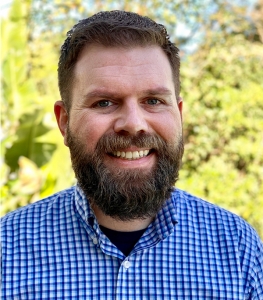 Curt Widhalm, LMFT
Curt Widhalm is in private practice in the Los Angeles area. He is the cofounder of the Therapy Reimagined conference, an Adjunct Professor at Pepperdine University and CSUN, a former Subject Matter Expert for the California Board of Behavioral Sciences, former CFO of the California Association of Marriage and Family Therapists, and a loving husband and father. He is 1/2 great person, 1/2 provocateur, and 1/2 geek, in that order. He dabbles in the dark art of making “dad jokes” and usually has a half-empty cup of coffee somewhere nearby. Learn more at: http://www.curtwidhalm.com
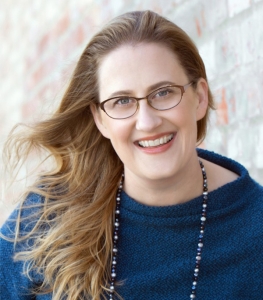 Katie Vernoy, LMFT
Katie Vernoy is a Licensed Marriage and Family Therapist, coach, and consultant supporting leaders, visionaries, executives, and helping professionals to create sustainable careers. Katie, with Curt, has developed workshops and a conference, Therapy Reimagined, to support therapists navigating through the modern challenges of this profession. Katie is also a former President of the California Association of Marriage and Family Therapists. In her spare time, Katie is secretly siphoning off Curt’s youthful energy, so that she can take over the world. Learn more at: http://www.katievernoy.com
A Quick Note:
Our opinions are our own. We are only speaking for ourselves – except when we speak for each other, or over each other. We’re working on it.
Our guests are also only speaking for themselves and have their own opinions. We aren’t trying to take their voice, and no one speaks for us either. Mostly because they don’t want to, but hey.
Join the Modern Therapist Community:
Podcast Homepage | Therapy Reimagined Homepage
Facebook | Facebook Group | Instagram | YouTube | LinkedIn | Substack
Consultation services with Curt Widhalm or Katie Vernoy:
Connect with the Modern Therapist Community:
Our Facebook Group – The Modern Therapists Group
Modern Therapist’s Survival Guide Creative Credits:
Voice Over by DW McCann https://www.facebook.com/McCannDW/
Music by Crystal Grooms Mangano https://groomsymusic.com/
Transcript for this episode of the Modern Therapist’s Survival Guide podcast (Autogenerated):
Transcripts do not include advertisements just a reference to the advertising break (as such timing does not account for advertisements)
… 0:00
(Opening Advertisement)
Announcer 0:00
You’re listening to the Modern Therapist’s Survival Guide, where therapists live, breathe and practice as human beings. To support you as a whole person and a therapist, here are your hosts, Curt Widhalm and Katie Vernoy.
Curt Widhalm 0:13
Welcome back, modern therapists. This is the Modern Therapist’s Survival Guide. I’m Curt Widhalm with Katie Vernoy, and this is the podcast for therapists about the things that we do in our practices, things that we do in our profession, the ways that we go about doing what we do. And feels like the headlines over the last couple of years. As far as the economy goes, we’ve talked about it earlier in this month. As far as things don’t seem to be working out for everybody so well anymore. You remember 2021 it was kind of that golden age of starting private practices, and even we were talking about having niche down, get your exact kinds of ideal clients. And that was when, frankly, mental health was really being sought out by everybody. Everybody was trapped at home during covid, and it seemed like clients were coming from every which direction. A lot of people who were already in private practice were extremely busy. You and I were. A lot of people looked at it as opportunities to start their private practices, did really well. There was kind of a groundswell of a lot of new platforms that would help therapists be able to fill their week. And then the economy that we have now happened, and Katie and I wanted to kind of dive into what we’ve been seeing, which is a lot of people finding that it’s harder to fill their caseloads, the platforms seem to be pivoting some different ways. A lot of people are maybe leaving private practices, whether they be digital or brick and mortar, and pivoting more into some agency type work or rounding out their income in some other ways. So we are here to talk about this trend, talk about the whys of why it’s happening, and maybe some things to look at this in kind of a positive light, and some ways that it might be rather intelligent. So Katie, what have you been seeing. As far as this conversation in the larger therapist world?
Katie Vernoy 2:26
There’s the move that you mentioned, which is private practice to agency, and that can be full time or part time. There’s moving solo practice to being an employee of a group practice. So some of the things that are required by someone on their own is taken care of by someone like Curt Widhalm. And then there’s looking at moving from private pay to insurance, one that we may end up doing a whole episode on moving from being a group practice owner back to kind of doing solo practice. There’s my journey moving agency to private practice. And I think there’s even folks who maybe they’re not getting themselves fully accredited on insurance, so they’re private pay, and then they’ll join one of these platforms to fill out their caseload. And being in this career is very volatile. Business Ownership is volatile in all regards, but our career so relies on us being on, being capable and having our wits about us. And so when finances are unstable, we have things going on personally or those types of things, it is really hard to keep trudging through, whether it’s hustling or working in a system that is not sustainable, it really is challenging. And I think the additional piece that comes in is this, I should be successful in this particular path, and if I am not successful in this particular path, and I have failed, and I don’t know It’s it’s a way to continue forward with ambition, with your life’s mission, and it may be short sighted. And so I’m excited about this conversation, because I think when we talk about the flexibility that we have as mental health professionals, it is actually kind of cool. But when we think about this ideal path of, you know, the six, seven figure individual or group practice, the Zen like ability to take care of myself in every way. It can be very appealing to a lot of folks. It may not be possible in the current environment.
Curt Widhalm 4:56
So a couple of places that I looked at, and we can include these in our show notes over at mtsgpodcast.com, the 2025 Thrizer mental health insurance and marketing report, as well as the Heard 2025 financial state of private practice report as just a couple of examples.
Katie Vernoy 5:18
And and the conversation we had with Lindsay last week from SimplePractice and their state of the private the profession for private practitioners.
Curt Widhalm 5:26
So we’re bringing just more than vibes from Curt and Katie and reporting on what we’re seeing in therapists Facebook groups here. But I think reflecting on the overall trend is the people who have been previously successful in private practice continue to be successful in private practice, but according to this Heard report, that there’s still a third of private practitioners whose gross income is less than $25,000 per year, and that’s across 48 states, sorry, South Dakota and Mississippi, nobody responded to them for their report, but…
Katie Vernoy 6:03
So respond to things North Dakota or South Dakota?
Curt Widhalm 6:07
South Dakota.
Katie Vernoy 6:08
SouthDakota.
Curt Widhalm 6:10
But the K shaped economy that we’ve been hearing about is definitely still very much in place. And what I’ve learned in now 15 plus years of running a private practice is that things don’t stay the same. There are changes. There are things that we have to adapt to, and not everybody necessarily has the convenience, the privilege of being able to step back and plan out when the next change is going to happen. Now I like to sit on my our our high horse, or?
Katie Vernoy 6:53
We have a high like couch on top of a horse?
Curt Widhalm 6:57
Yeah sure. That at the 2020, or 2021, Therapy Reimagined Conference, you and I were talking about the VC companies are coming, and they’re coming for our jobs, and people should niche down, and they should talk about, what are the things that can be done that aren’t necessarily just telehealth based, or aren’t just necessarily venture company based. And in my practice at the time, we made a very distinct decision. We wanted to focus on the people that couldn’t be served by the online sorts of spaces. So we really leaned into higher acuity cases. We really leaned into working with kids. We really leaned into people who didn’t want to be seen online. Now we’re still seeing, I don’t know, a third to half of our clients online, but we had the kind of foresight you and I, and then also my practice employees and myself to be able to say there are going to be trends that change, and we want to make ourselves resilient against those. And so by leaning into higher acuity type clients, the trade off was we have higher acuity clients that we have to build a practice around and be more responsive too in between sessions. And we’re one of the practices that is fairly resilient, at least as of the time of this recording, to be able to say, while we’re seeing a dip in in people reaching out to us like everybody else, we’ve also positioned ourselves as a place that people need to go to, rather than one of the things where, what’s the thing that I’ve heard in recession times before, that the things that go out the window first, when people are starting to cut their budgets are haircuts and therapy. So
Katie Vernoy 9:01
Yeah, things that are seen as a luxury.
Curt Widhalm 9:04
Exactly. And so putting the privilege of having 10 years of experience of running a business ahead of that, I want to also say that if you are scaling back your private practice, if you are looking at this as a way to create more stability for your income, your needs for health insurance, your needs for being able to make sure that you have a 401K, it’s not a sign of failure. It’s a sign of you being responsive in the way that you can for the economy that exists right now. And what I hope that you take out of this is that you can return to private practice. It’s not a moral failure of a human being. Plenty of businesses of all kinds open and close. But with the hopeful ability to have some foresight when the economy does lighten up, when clients do return, to make some of the same kind of 5 to 10 year plan decisions, as far as where does the world seem to be going? So that way, you’re positioned to hopefully be able to have the kind of resilient practice that makes sense for you.
… 10:25
(Advertisement Break)
Katie Vernoy 10:27
And we have a lot of episodes where we talk to each other, but also to some of the other experts in the field, and we’ll link to those in the show notes over at mtsgpodcast.com where they talk about or we talk about different assessments to do, things that you can do to become more sustainable financially, what types of things to invest in, so those, there’s a huge amount of episodes that we can link over there, or maybe we’ll just put a keyword optimized, here’s the business ones that we talked about this. Because we’ve been talking about this since before the pandemic. And it really is something where, you know, we were not taught about business in grad school, nor do we think we should have been. And there is so much of this that it’s about business. And so all of those things Curt, I agree with it’s it can be a strategic move. It can be a potentially strategic retreat. In my case, one of the moves that I made felt like it was an injection and then a regrouping. So there can be all kinds of reasons why we make shifts. I think if we hold tightly to what we think we should have, it can take us down, and it can make it very unsustainable. So there are the financial reasons and benefits those types of things where people might shift how they operate in order to make those hard personal decisions: This is what I need to do to work. This is how I need to do it. Another reason that I see for people moving from, you know, solo practice to group practice or solo practice to to community mental health or other types of agencies or treatment centers is isolation and a lack of community. I know we had our interview with Eden, and she made that decision, so we’ll link there as well. But it’s very stark. The difference between working in an agency with colleagues and consult teams and all of the things, and working by yourself in solo practice, both clinically and personally, I felt it dramatically. I felt so isolated when I first moved to private practice, and it’s hard. What was your experience moving from group, from agency, work to private practice?
Curt Widhalm 12:56
I’m a naturally extroverted person, and so I filled a lot of the time as I was building up my caseload with networking and really just kind of being out and being on. And I think if I was just sitting in my office or at home all day trying to build a practice, when my wife would come home, she would be flustered with how much I would just be ready to talk and exude. And so for me, I kind of naturally started really leaning into working on building out my community network at the time. But what has really been happening, even in our practice this week, is we’ve had some higher acuity type things happen in our practice this week, and we have just kind of been commenting on nobody loves team meetings, but it’s a really good thing that we have a lot of team meetings already set up, because if we were just relying on passing each other in the hallways in these higher work type weeks, it would still feel very isolating. But we have structured type meetings where we’re able to say, Hey, how are you doing? When is when’s the next time that you’re taking some time off? I also know that you’ve got some other things going on in your personal life that even your off time doesn’t seem like off time right now, you need to really take some space for yourself, because it looks like you’re kind of being worn down a little bit. And it’s really nice to have a community that is kind of built in. I mean, I think my practice is phenomenal. Most of my employees agreed.
Katie Vernoy 14:48
The most.
Curt Widhalm 14:50
And it’s really something where that structure helps to sustain and keep people going. And it helps to normalize, even just a lot of the reactions to the outside world. And one of the big things that seems to happen when economy shifts like this, we’ve done a couple of recession proofing your practice episodes in the past, and I think we correctly predicted five out of the last two recessions. And it’s something where this time it does seem to be really real. And…
Katie Vernoy 15:28
Yeah.
Curt Widhalm 15:29
One of the things that happens when you’re working by yourself is that it feels like you’re the only one who is going through this. But we’ll include this link in the show notes as well, but according to the National Council for Mental Well Being, turnover among mental health clinicians is at 33% at the end of 2025. This is higher than any other healthcare field. So you are not alone, and some of the positioning of this episode is also, if you can afford it, don’t just take an agency job to take an agency job, because you might be walking into something where you’re just going to be feeling chewed up and spit out at another toxic work environment. So yeah, to your point, a lot of this is staying connected with community and staying very much with people that we can talk shop with, because we are one of the couple of professions that I can think of where what we do during the day, we can really only talk to each other about, the other the other one is magicians.
Katie Vernoy 16:40
Yes, one point I want to make from the two, two of the things that you’ve said is, we have a lot of folks who started their practices solo, working 100% virtual, and we have this huge isolation and loneliness that can happen in solo practice. Reflecting on your experience, you more you were more outgoing, you had a networking strategy, and you’ve now built a very warm, connected group practice. For folks who are sitting by themselves at home with their laptop and their clients that can feel like a very big hill to climb. And so for me, I’ve I’ve built out my networks, I’ve done some in person. I’ve got some colleagues at my office. So I’ve created what I needed, but I want to honor that there are folks who are introverted, who potentially don’t have a lot of resources, and so sitting at home by themselves, trying to build their practice and all of those things, it can feel very daunting to shift that. We’ve got episodes on joining a professional association. We’ve got talks about networking, and we may need to update our networking one again. There’s, there’s a lot of things that you can do, and I think those things are required to be successful in private practice, if you don’t have a strong social support network or something that’s going to sustain you beyond the work and the laptop. So this is a this is a particular call to action. If you feel very determined, I’m going to stay in private practice, whether it’s consultation, supervision groups, networking groups, professional association, find some connection at the level you need it in order to make it sustainable, because you with a laptop in a dark room, is not sufficient to keep this going.
… 18:49
(Advertisement Break)
Curt Widhalm 18:49
One of the things that I wanted to talk about is more in depth, is about the VC companies, and by extension of this, is the artificial intelligence that is a part of our field already, we’ve had several episodes on this. There’s number one, the VC squeeze that even for some of the people who have successfully negotiated higher rates with some of the platforms, what we’re seeing them report is they’re getting fewer referrals, largely because they’re getting higher reimbursement rates from the platforms, and the platforms seem to be sending those referrals out to places where the platforms could make more money off of them. For people who aren’t on the platforms, we’re also seeing lots of reports of competition with the platforms in places such as Psychology Today, where it seems that a lot of the other people’s profiles in your area are being managed by companies such as Rula. And so if your solo practice is competing against a Rula marketing agent who’s able to say the picture that you responded to isn’t available, but 15 other people who are on our platform are. That that ends up being more competition. Those are some of the other pressures that people in private practice are feeling. But also the way that AI seems to be coming in is according to AAMFTs 2025 workforce study, 52% of MFTs who responded to this report are already using AI tools and some projections by research.com 2026 workforce report is that by 2030 35% of clinical mental health tasks are going to be completely augmented and replaced by artificial intelligence. So this is really kind of the wake up call that I am trying to send out to our audience, to the introverted people, to the ones that you’re talking about, to the people who are just now starting to figure out all right, what does business projections actually look like? Is, how do you operate in the world that is going to be when you’re ready to put yourself back out into private practice or within some of these agency models, because some of the things that we’ve talked about in those previous podcasts is not going to be the world that people who are returning back to private practice are going to see. As much as people are going to try and recreate the private practice of 2018 or the private practice of 2021, looking at what is actually happening to our field and how you fit into that needs to be part of that equation. So if you are at home, and you are one of the lovely listeners that we have who finds themselves in the introverted descriptions that Katie was just describing. That’s okay, but I would encourage you to really evaluate what kinds of trade offs you need to do to have a sustainable career within this field. It might be choosing, okay, I’m gonna work for one of these agencies. This seems to be where I settle in. This is what I’m doing. I just want you to be able to do that in a way that is intentional and makes sense for you.
Katie Vernoy 22:30
When someone is trying to create a private practice, let’s start there. When someone is trying to create a private practice and they are more introverted, maybe they’ve fallen out of community mental health or other types of agency work, or even a group practice that isn’t as warm and lovely as Real Honest Therapy by Curt Widhalm.
Curt Widhalm 22:54
The warmest and loveliest.
Katie Vernoy 22:55
The largest and loveliest, or the whatever the words are. Anyway, it can feel very daunting if there’s not enough, not any familiarity with AI tools, with the landscape. And those are the folks I see jumping into even, you know, oh, help us BetterHelp. Or the ones that really, truly pay awful rates. And so the most important thing that folks in that space can do is become more informed and do the research if you’re going to be home and wanting to do something active, listen to our podcast episodes, research the different technological advances that have been made in the mental health space. Research the companies that you’re thinking about joining, or the insurance companies that you’re wanting to credential with, because there’s a lot of information out there. It’s not all accurate, because, of course it’s not, it’s the internet, but there’s a lot of information that’s out there that can help guide some of the decisions. And so that feels like a doable task, if you can get into a regulated space to be able to to learn what you need to learn. So that’s step one. For the folks who are going back and forth between agency work and private practice or their group practice and their own solo practice, or even doing part time agency or treatment center work or that kind of stuff, it can be very hard to really see how to create a single career and a work week even. And so some of the stuff we’ve talked about, like systems of self care, and some of the other episodes that we have can help to design that. But I know when I first jumped into private practice, I didn’t know how to design a work day, and so I burned out. I was doing tasks that were not driven towards financial stability, or even billing anything. I was I was doing things very wrong, and so it took a lot to learn all of these tasks, whether they’re paid or not, are work tasks. Here are the things that are most relevant. Here’s how I make sure I’m making money. Here’s how I’m sure I don’t get fired from the things I’m employed with, from other people, this is how I continue to focus on whatever my goal is, whether it’s more private practice time, you know, all the folks that want to have like a secondary like courses or coaching kind of thing, but getting clear on that when there’s so many different pieces to it can be very hard. And so I want to acknowledge the hard and say it’s figureoutable. Whether it’s, you can do it on your own, and you can kind of put it all on a piece of paper and put it over or if you need someone to talk to and get some consulting or coaching. But I think there’s, there’s a way to make it work. But it feels very daunting in the moment when you’re trying to sort all those things out. And so I want to, I want to, I want to just acknowledge that this isn’t easy. If you’re not saying, This is my solo private practice. I’m going to see 15 clients, I’m going to make the money I want to make, and that’s it. And everything flows. And it’s all wonderful. It’s not. It takes a lot more strategy then I’m just going to put together my private practice, and all will be well.
… 26:16
(Advertisement Break)
Curt Widhalm 26:26
One of the things that I think is important to say is that none of this has anything to do with your clinical skills. This doesn’t necessarily mean that you are a bad clinician, and a lot of people are facing this, and this doesn’t have to be an all or nothing approach. That unless you’re moving into an agency that requires you to spend 100% of your time on site, there’s a lot of modern agencies that have four day work weeks, that have kind of a work from home, at least part time, sort of position that can allow for you to scale back your private practice, as opposed to needing to be all in on it. And this is something to just kind of give yourself a break on, but also really kind of looking at it from still that business sense, and some of the business stuff that you’re going to really want to look at is your profit and loss statements. Those are really the hard realities of being in a private practice, of running a business is looking at, am I spending 60 hour work weeks? I might have my six figure private practice, but if my net at the end of the year, after paying self employment taxes and all of the other compliance sorts of things, is $48,000 that might not necessarily be this same kind of effort that you’re wanting to put in, that you might be getting $85,000 a year at an agency job that allows for you to have the flexibility to see five very niche clients that you really do want to work with privately. So some of these are some of business skills that you have to pick up along the way, and might need mentors or a consultant to be able to help you really evaluate what your practice is. I also want to gently nudge, if not challenge, if your practice is entirely on platforms such as Headway or Alma really evaluating: do you have a private practice in place at all, or are you just a high level gig worker? Because if all of the information that you are doing, all of the credentialing, is done by these companies, it might feel like it’s your practice, but if that is something where you’re holding on to that as an idea, that might be one of the mental steps that you have to challenge your step to be able to say, what am I really holding on to? And if that is your own ego getting in the way, to be able to make kind of what makes sense for you in what what is a sustainable career, what is a sustainable position for the next few years, to be able to really look at what is most important to you in the larger picture of this process.
Katie Vernoy 29:38
So our takeaways one: don’t let your ego get in the way, make choices that make sense for you. Two: make sure you have a network or a community that helps you navigate this career, because doing it by yourself isn’t sustainable. Three: designing your career is is actually work. It’s structured. It’s, it takes a lot of soul searching, and it’s something that may need some outside guidance to help you with, because it can be hard when you’re in it. And four: and this, I’ll cite you, Curt is stability is sexy.
Curt Widhalm 30:15
So sexy.
Katie Vernoy 30:17
And building stability for yourself, whatever that looks like. It can be emotional stability and doing the work you absolutely love. It can be financial stability and making sure that you’re making the amount of money you want to make, and having benefits alongside, or some other form of stability that that helps you continue forward. But it’s okay if you’re seeking stability and not this ideal practice that somebody in some coaching program has said is what is for you. There are so many options strategically, choose which options make the sense for you right now, and then reassess because it changes.
Curt Widhalm 30:56
We will include links to a lot of the things that we’re citing and a lot of our previous episodes are over in our show notes at mtsgpodcast.com. Follow us on our social media, join our Facebook group to continue on with this and other conversations, and until next time, I’m Curt Widhalm with Katie Vernoy.
… 31:15
(Advertisement Break)
Announcer 31:16
Thank you for listening to the modern Therapist’s Survival Guide. Learn more about who we are and what we do at mtsgpodcast.com. You can also join us on Facebook and Twitter, and please don’t forget to subscribe so you don’t miss any of our episodes.




SPEAK YOUR MIND