

Working Within a Broken Insurance System: Payer Scrutiny, Claim Denials, and Value-Based Care in Private Practice – An Interview with Sheetal Shah and Shehzad Moiz of SimplePractice
If you take insurance, you probably know the feeling: an hour on hold to find out why a claim was denied, a sudden question about whether your 90837 sessions are medically necessary, a reimbursement rate that hasn’t moved in years. If you don’t take insurance, you may have decided the whole system isn’t worth propping up. Both reactions make sense. The harder question is what independent therapists can actually do inside a system that more and more clients want to use to pay for therapy.
Curt and Katie talk with Sheetal Shah and Shehzad Moiz of SimplePractice about the current state of mental health insurance: why payers are scrutinizing claims more closely, how insurers are using AI, what value-based care might look like in behavioral health, and how credentialing tools differ from platforms like Alma and Headway. Katie also asks the question many clinicians are asking, which is whether partnering with insurance means holding up a broken system.
This episode is part of our partnership with SimplePractice. As part of that agreement, we get to ask the hard questions, and our discussion and opinions are our own.
Click here to scroll to the podcast transcript.Transcript
(Show notes provided in collaboration with Otter.ai and Claude AI.)
About Our Guests: Sheetal Shah and Shehzad Moiz

Sheetal Shah brings 20 years of experience in AI, digital health, and health IT, having served in leadership roles at Woebot, SymphonyRM, Microsoft/Accenture, and the NIH/NIAID. At SimplePractice, he leads payer, employer, and health system commercial partnerships that broaden mental health access, while improving quality and the provider experience.

Shehzad Moiz brings 15+ years of experience in product strategy, fintech, health tech, and business transformation, having served in leadership roles at Navan (AI Corporate Travel and Expense), Expedia, and now SimplePractice. As VP Product Management, he leads product for revenue cycle management, including insurance and payments, helping behavioral health clinicians get paid faster and spend less time on billing and insurance administration.
In this Podcast Episode: The State of Mental Health Insurance for Private Practice Therapists
Sheetal and Shehzad walk through what has changed in mental health insurance over the last several years, from growing network coverage to ghost directories, utilization management, and tighter scrutiny of session length. They talk about vertical integration, how AI is showing up in claims and credentialing, and where value-based care is likely to start in mental health. The conversation also gets into how SimplePractice decides which payers it will and won’t partner with, its new insurance tools, and what independent clinicians can do to keep control of their practices.
Key Takeaways for Therapists: Navigating Insurance, Credentialing, and Claim Denials in Private Practice
“The time that it takes for clinicians to manage this business, it’s a massive tax on them. You’re compressed on the actual per-appointment revenue you can make, and then because of the time it takes, you have less hours in a day that you can actually spend seeing patients.”
— Shehzad Moiz, VP Product Management, SimplePractice
- Your frustration is valid, and how you participate is still your call. Sheetal’s answer to Katie’s hard question is that this is the system we have, so clinicians should get to choose whether to take insurance, which payers to work with, and what payer mix fits.
- Payer scrutiny is following utilization growth. Employers are pushing back on rising premiums, and that pressure reaches you as audits, network reviews, and closer looks at codes like 90837.
- Documentation and outcome measures protect you now and later. Clear medical necessity, measures like the PHQ-9 and GAD-7, and session length matched to clinical need help you hold up under review. Sheetal expects early value-based care in mental health to reward outcome measure capture, speed to care, and retention.
- Credentialing tools and credentialing platforms work differently. Platforms like Alma and Headway take the work off your plate, but you join their marketplace and give up some independence (and part of the fee) to do it.
- Claim denials need translation. Many clinicians get a denial code with no clear next step, and payer rules keep shifting, so knowing what a code means and what action to take shortens the path to getting paid.
- Owning your profile protects your bargaining position. As more platforms duplicate clinician listings in payer directories, keeping control of your own profile, license, and contracts keeps you from ceding control without realizing it.
“If you don’t like the way the system is structured, it probably starts with owning your profile, owning your own image and your license and your contract.”
— Sheetal Shah, GM of Simple Connect, SimplePractice
Resources on Mental Health Insurance, Credentialing, and SimplePractice Insurance Tools
We’ve pulled together resources mentioned in this episode and put together some handy-dandy links. Please note that some of the links below may be affiliate links, so if you purchase after clicking below, we may get a little bit of cash in our pockets. We thank you in advance!
- SimplePractice: simplepractice.com
- SimplePractice Insurance Essentials and Insurance Navigator (including Claim Assistant and verification of benefits): simplepractice.com/features/insurance-navigator
- SimpleConnect payer programs and your Therapy Finder profile (in your SimplePractice settings)
- Sheetal Shah on LinkedIn
- Shehzad Moiz on LinkedIn
- Concepts discussed: utilization management, CPT codes 90837 and 90834, medical necessity, value-based care, patient-reported outcome measures (PHQ-9, GAD-7), CARC and RARC denial codes, ghost directories, vertical integration
Relevant Episodes of MTSG Podcast
- Skill Issue or Systemic Reality? Systems, Platforms, and What Therapists Are Still Responsible For
- Private Practice Has Changed. Now What? How Therapists Can Find Clients and Stay Profitable – An Interview with Dr. Ajita Robinson, LCPC
- Is Your Client Data Safe with AI? What Therapists Need to Know About HIPAA, BAAs, and Session Transcripts – An Interview with Ali Hartley, JD
- How AI Tools for Therapists Are Built: Trust, Data Privacy, and Choosing What to Adopt – An Interview with Ian Knox and Megan Toomey of SimplePractice
- Is Independent Private Practice Sustainable? Data on Caseloads, Insurance & Income – An Interview with Lindsay Oberleitner, PhD
- The Private Practice Pivot: How Therapists Are Adapting to Platforms, Agency Work, and the Changing Therapy Economy
- Modern Therapist’s Consumer Guide: SimplePractice
- Medical Necessity or Personal Growth? Why Documentation Matters in Therapy
- Therapy Insurance and Billing Trends for Private Practice in 2025: An Interview with Sanjana Sathya
- Reporting Back from the Behavioral Health Tech 2024 Conference
- How Do Therapists Get Paid?
- Making Sense of Insurance Billing and Client Referral Services for Therapists
- The Sky is Falling: How Therapists Can Protect Our Industry, Patient-Centered Care, and Our Businesses, An Interview with Dr. Ajita Robinson
- Should Private Practice Therapists Take Insurance?
- Busting Insurance Myths: An Interview with Barbara Griswold, MFT
Meet the Hosts: Curt Widhalm & Katie Vernoy
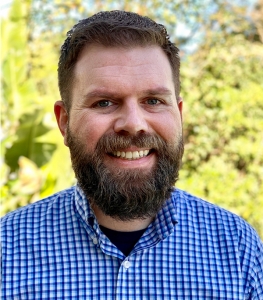 Curt Widhalm, LMFT
Curt Widhalm is in private practice in the Los Angeles area. He is the cofounder of the Therapy Reimagined conference, an Adjunct Professor at Pepperdine University and CSUN, a former Subject Matter Expert for the California Board of Behavioral Sciences, former CFO of the California Association of Marriage and Family Therapists, and a loving husband and father. He is 1/2 great person, 1/2 provocateur, and 1/2 geek, in that order. He dabbles in the dark art of making “dad jokes” and usually has a half-empty cup of coffee somewhere nearby. Learn more at: http://www.curtwidhalm.com
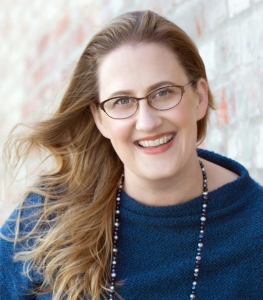 Katie Vernoy, LMFT
Katie Vernoy is a Licensed Marriage and Family Therapist, coach, and consultant supporting leaders, visionaries, executives, and helping professionals to create sustainable careers. Katie, with Curt, has developed workshops and a conference, Therapy Reimagined, to support therapists navigating through the modern challenges of this profession. Katie is also a former President of the California Association of Marriage and Family Therapists. In her spare time, Katie is secretly siphoning off Curt’s youthful energy, so that she can take over the world. Learn more at: http://www.katievernoy.com
A Quick Note:
Our opinions are our own. We are only speaking for ourselves – except when we speak for each other, or over each other. We’re working on it.
Our guests are also only speaking for themselves and have their own opinions. We aren’t trying to take their voice, and no one speaks for us either. Mostly because they don’t want to, but hey.
Join the Modern Therapist Community:
Podcast Homepage | Therapy Reimagined Homepage
Facebook | Facebook Group | Instagram | YouTube | LinkedIn | Substack
Consultation services with Curt Widhalm or Katie Vernoy:
Connect with the Modern Therapist Community:
Our Facebook Group – The Modern Therapists Group
Modern Therapist’s Survival Guide Creative Credits:
Voice Over by DW McCann https://www.facebook.com/McCannDW
Music by Crystal Grooms Mangano https://groomsymusic.com
Transcript for this episode of the Modern Therapist’s Survival Guide podcast (Autogenerated):
Transcripts do not include advertisements just a reference to the advertising break (as such timing does not account for advertisements)
… 0:00
(Opening Advertisement)
Announcer 0:00
You’re listening to the Modern Therapist Survival Guide, where therapists live, breathe, and practice as human beings. To support you as a whole person and a therapist, here are your hosts, Curt Widhalm and Katie Vernoy.
Curt Widhalm 0:15
Welcome back, Modern Therapists. This is Modern Therapist Survival Guide. I’m Curt Widhalm with Katie Vernoy, and this is the podcast for therapists about the things that go on in our work, the outside influences that affect our work. And today we’re tackling every therapist’s absolutely favorite, deeply relaxing, completely stress-free topic: fate of the insurance world. Now, before you reflexively stop listening, hear us out. We know that for most clinicians, dealing with insurance claims, credentialing, and paneling feels less like running a practice and more like trying to play a high-stakes game of telephone with an angry fax machine. You launch a private practice with a heart full of clinical passion, and three months later, you’re marooned on hold for 45 minutes listening to distorted ’90s hold music while begging representatives to explain why a claim was rejected. So we want to get into the actual state of insurance for practitioners today, and to help us untangle that, we are joined by Shital Shah, the GM of Simple Connect, and Shazad Moyes, VP of Product from our friends over at Simple Practice. Thank you so much for joining us today and bringing in your perspectives. And this is what you do all of the time, we get to be visitors on this conversation, so we’re glad to have people who are on the the ground level and helping to demystify, but also tell us about the actual state of the world. So, thank you for joining us.
Shehzad Moiz 1:56
Thanks for having us.
Sheetal Shah 1:57
Thanks for having us.
Katie Vernoy 1:58
I’m really looking forward to this conversation. This is a conversation that’s part of our partnership with SimplePractice, and as part of our agreement, we get to ask the hard questions. And thank you so much for the willingness to to answer all these questions that we put forward. We have a lot to cover, so I will I will leave that there. But I’m going to start with the question we ask all our guests, which is, “Who are you, and what are you putting out into the world?”
Shehzad Moiz 2:24
I can start first of all. Thank you both for for having us. So, like Curt said, my name is Shehzad Moiz, and I’m a VP of Product here at SimplePractice, and and I oversee what we call revenue cycle management. So basically, everything insurance, billing, and payments related. And for those who don’t know what RCM is like, my friends and family. The way I explain it is, my job is to help clinicians get paid faster and more reliably. So that that’s that’s what I’m trying to put out in the world.
Katie Vernoy 2:50
I like that.
Sheetal Shah 2:51
That’s awesome, Shehzad. Well, like like Shehzad said, thank you for thank you for having us. I know we won’t solve all of insurance on this on this podcast, but hopefully it helps us move in the right direction. I’m Sheetal GM at SimplePractice, dad of three kids, husband to a clinician. We probably talk way more about insurance and access and policy than I think is healthy, probably at home. Clinical, probably. I’d say my focus is you know really try to bring more connectivity to a very fragmented healthcare ecosystem, so Shehzad and team are helping clinicians get paid, and my focus is to help our clinicians get found and discovered by payers in the market.
Curt Widhalm 3:32
We’ve invited you on the podcast to talk about insurance because you’re living in the space; you have a pulse of what’s happening. So, just to give us some context to start, what is SimplePractice doing in the insurance space? You’ve recently made some pretty large product announcements. So, what’s the new insurance offering? What is the space that SimplePractice is in right now?
Shehzad Moiz 3:55
Yeah, I can I can take that one. I think your intro kind of alluded to a lot of this, which I which I love.
Curt Widhalm 4:01
90s hold music, right?
Shehzad Moiz 4:04
Insurance is really hard. I know that’s an understatement, and I think we’ve kind of gone on a long listening tour, and and we see this feedback. We see this feedback in all forms, whether it’s direct one-on-one conversations or through you know customer support tickets or what have you. Insurance is hard, and we’re kind of sitting in the middle and helping our clinicians who are at some point in their evolution kind of demystify and learn how to do it best. And so, what we what we kind of realized, and I think it’s a fundamental principle that we landed on, was that there’s a set of essential tools that clinicians need, whether you’re a solo clinician just getting started or whether you’re a group of 10 to 20, that you need to manage insurance. And previously, we had kind of tiered our offering based on how our subscription tiers were structured. So the big fundamental change that we made is we pulled it out and we said, “Hey, every practice needs to set of insurance essential tools, and these workflows are necessary and a prerequisite for you to manage insurance. And so we kind of made that available to everybody. But we also learned that you know there are some customers who kind of need a little bit more, and for that we wanted to build a product and offering that starts to give a little bit more automation and tooling, so that we can make it as easy as possible. But as you know, the work is never done, and this is something that many people that came before us have tried to figure out. And a lot of what we’re doing is just trying to connect better with the community of billers and practice owners to understand where those friction points are, so that we can reach you know a vision of making it as frictionless as possible.
Katie Vernoy 5:43
So we’ll go into the insurance products more later. So because we want to get into the meat and potatoes of this conversation, so maybe we can start with a broad overview. What is the current landscape for mental health insurance coverage? What’s changed most in the last few years?
Sheetal Shah 6:02
I think it’s a very interesting time. The good, bad, and ugly, right? The good is I think overall more care is being delivered and funded like year over year, and I think we continue to sort of see that progress. Payers are growing their network coverage is sort of what we’re seeing. We see it in the data. We see it in conversations we’re having, we reaffirm our our customers as well. It’s not seamless, and like that scenario we have to solve for as an industry, right? The bad is like as we look at insurance and coverage at the policy level. I think we continue to have significant issues in that we know that physical health and behavioral health shouldn’t be treated as as two silos, right? And so there’s a policy front that needs to be sort of really worked on to bring behavioral health into the same sort of parity and adequacy that that you have with physical health. I think the ugly piece of sort of the movement in insurance is it’s still a freaking terrible experience for therapy seekers. As bad as it is for you know providers, it’s just equally as bad for therapy seekers. And what I mean by that is, and we’ve all heard the stuff around ghost directories and phantom directories, schedules that are are false and the like. And I think a lot of that has to just do with again, it just bleeds down from policy, right, and reimbursements, and then ultimately what we see broken in the system is that there’s sort of a disconnect, and we have to solve for that. And I think that’s where there are some attempts for insurance to kind of drive fixes in that, from the member booking experience to finding providers that are a good match.
Curt Widhalm 7:44
Maybe more jaded look at the insurance coverage industry or the or the way that it is is it’s to feed the shareholders and not necessarily the people who are subscribing it, whether that be the practitioners or the people seeking out services, if that’s really kind of the jaded look at things, we’re now seeing that a lot of these large insurers are owning provider groups, they’re owning hospitals, they’re owning AI companies that are potentially being the first interventions that customers are getting before they even ever actually see therapists. This vertical integration, how is it shaping benefits and and the services that clients actually have access to?
Sheetal Shah 8:32
Yeah, I mean, here’s a perspective I’ll give you because I, you know, we we come here. I was at a event with the NHS in the UK, and you know, it’s funny I hear on their side where it’s the healthcare design is different, right? You know, you have you have a a public healthcare system, right? And it’s vertical and horizontally connected and integrated, but they also have their host of issues. I think part of what we see is sort of the framework that we have in the U.S. In the U.S., healthcare is mostly driven by employer dollars, right? Which is very different than other countries, and they have their own issues, and we have ours. I think what we saw in the last couple decades on the integration front, I think the hope, maybe the hype, was that there would be better coordination, and we would be able to bend the cost curve because everyone’s aligned, right? Better margin capture is probably what was achieved, but you know there are some movements towards you know proactive preventative care versus sort of the reactive. My honest opinion is that vertical integration with behavioral health, though, has been super limited in success, and it comes down to something very simple: is very low reimbursement, and it’s a super fragmented ecosystem. And so, there has been some of that vertical integration: insurers, large primary care delivery specialty hospitals, surgical centers, what have you, but where you’re not seeing much I think is in behavioral health with those that are stacking vertically.
Shehzad Moiz 10:04
And if I can just add to that, I think if you were to like look back in time a little bit, we’ve seen this like slow shift, you know, kind of quarter over quarter of just the share of insurance appointments to self-pay appointments, and it creates that top line pressure, as as Sheetal referenced, in terms of just reimbursement rates. And then the time that it takes for clinicians to manage this business, like it’s a massive tax on them. So you’re kind of compressed on the actual like per appointment revenue you can make, and then because of the time it takes, you have less hours in a day that you can actually spend seeing patients. So there’s just an inordinate amount of pressure that we’re seeing on clinicians to enable them to grow. And I think that’s where you’ve seen an advent of alternative paths. And clinicians have to give up a lot to take to go down this path. And I think what we want preserve is like independence and being able to run your practice your way and the way you’ve always kind of envisioned it.
… 11:04
(Advertisement Break)
Katie Vernoy 11:06
I’m hearing all of this conversation around margins improving and trying to to you know move the cost curve and that kind of stuff, and I I feel like it confuses me. 90837 getting reimbursed less frequently, or you know different folks getting paid much less even for 90834. I’m seeing you know the the mecca of value based care where all of a sudden somebody’s going to be able to make a lot of money if you know if they somehow figure out how to do care in a different way. I mean, there’s there’s solutions here that are theoretically either making it even harder for clinicians to make any money, or promising something that individual clinicians really can’t do. And so maybe I know I kind of threw two different things in there, but maybe you can talk to some of those things about what is happening here, because I think I agree with you, Shehzad. I think the behavioral health and the mental health integrations, or maybe Sheetal, it was you that was said this. That I agree that that they can’t look exactly the same because of how we operate, and even the solutions that theoretically are for us are actually making it worse. And so, how do we make sense of this? I know that’s kind of a really broad question. I don’t know where to go with it. I’ll leave it in your competent hands.
Sheetal Shah 12:29
I’ll take the first part. Like, what’s driving these changes? And look, over the last six years, we saw access increase. We saw insurance-based reimbursement for care increase, and that means utilization on a chart or database shows it’s increased year over year for the last six years, right? And I think what’s starting to happen is that purchasers of healthcare, employers generally, right, and behavioral health, you also have government heavily involved, but are sort of starting to push back on the year-over-year premium increases that they face with the insurance companies that they work for, and so what that translates into is pressure in the way that the dollar flows in healthcare in the U.S. Purchasers putting pressure on payers, which then forces payers to start utilizing utilization management, right? UM, that means more audits, more evaluation of network performance. I’m starting to see potentially more network sort of compression in certain markets, and that’s what we’re seeing with the 90837. It’s more scrutiny when you look at it on a chart. It just looks like it continues to go up, and we have to apply some, you know diligence or governance on this, and so that’s I think what’s driving these changes. How clinicians respond, though, Shehzad, I’m super curious your take here. I think part of it is you know you have to be prepared, right? Starts with clinical documentation around medical necessity. It’s making sure you can capture patient-reported outcome measures, or any number of those clinical instruments, to ensure that you’re more deliberate about session length to clinical need. But yeah, I mean, Shehzad, I’m I’m curious on on your end.
Shehzad Moiz 14:12
I think that’s right, and I think it’s kind of the role that we see our ourselves playing as part of you know what we could do in the platform itself. But it’s also just like education that we can provide, right? Like to your question, Katie, it’s like clinicians are asking us the same question. It’s like, what do we do, right? Like, what do you want us to do? Like, we’re trying to build businesses and practices here, but it feels like all these tensions are coming at us. And I think our our role is twofold. One is like we are a technology company, and what can the technology do for you? There’s a pattern there, and a set of problems that we can help you functionally solve. But I think there’s another part, which is advocacy and education, right? And we’re probably just starting to do those things. But you know, I think the question we’re asking internally is, what more can we do, right? Like, how can we actually provide guidance of of what to do functionally. What can we do to educate you about the ever changing tides in policy and in the market? So we could not only be the like the functional partner to you, but actually an advisor on how to navigate. Right. So a simple example of something we’ve noodled on is like, you know we know our clinicians they they decide that hey I want to build my caseload. I want to go work with a certain payer. Who do I go to right like where am I finding that information? There’s no real good sources of that, it’s all kind of crowdsourced and we know people are going to like Reddit forums to figure out who to get a network with. We can start to be an aid here and help guide you into some of that decision making, and I think that’s the role we we want to get to. Is we all acknowledge this this system is has a lot of thorns and it’s changing, and there’s you know profit seeking mechanisms at many different points, but we understand where clinicians and practices want to grow into, and how can we be a partner to you in helping achieve that? And whether it’s education in certain places, whether it’s technology in others, but really be viewed as that that guide for you along the path.
Curt Widhalm 16:14
We have spent a lot of this year talking about artificial intelligence and the various ways that it’s showing up in our profession. How is it being used by insurance companies? Utilization reviews, claims processing, care navigation are they replacing therapists with AI? Is that on the platform? What are you seeing as far as artificial intelligence in this space?
Shehzad Moiz 16:38
Yeah, I can I can start, and I think the first part of your question, in terms of like what is AI doing within the insurance and billing space? I think it’s really interesting. And call it as like a observer and student of the landscape, like the number of, you guys are probably seeing it too. Like the number of AI revenue cycle management companies that pop up. I basically get a five every week that I’m trying to, and they’re all you know five people in a garage somewhere. So, what does that tell you? What can you glean from that? I think there’s this obvious use case, right, where you have patterns and data available where you can make certain judgments. It’s also a very operational workflow, right? Like if you think about the credentialing process, like the amount of paperwork and documentation and back and forth that needs to be done. What can AI kind of do to support that? Another example is just claim denials, right? One topic that we’ve seen a lot of recently is you know the prospect of calling a payer is like like you mentioned in your opening, or like, do I want to sit on the phone for an hour, or can I go do something else with my time? But because I have to, and I have five payers, it’s like five hours a week that I’m spending just waiting. Like, are there solutions? And that’s what we’re starting to see. Like, there’s solutions with technology that are starting to come up that can help take away a lot of that administrative burden. So, going back to the vision that we have is like we want to take all that out, and I think like AI is opening up opportunities that probably didn’t exist before. In terms of the second half of your question is like what is SimplePractice doing? I think within billing and insurance, we’re probably still a little bit early days in exploring new avenues. The one big product that we did have was our our AI scribe that was launched earlier this year. I think in general, like our customers are in a position of like learning of what AI can and can’t do, and there’s obviously sensitivity in terms of their own data and their own information. And one thing that we hold paramount is how to protect that at all cost, right? We know privacy and security is so critical in ensuring the trust that our clinicians have of how we protect it, and that’s something that we’re really like careful about and learning from from our customers of you know what do they feel comfortable with and not.
… 18:56
(Advertisement Break)
Katie Vernoy 18:56
I’m hearing insurance companies are bulking because more people are accessing therapy using insurance. They’re wanting to look at it more closely. They have AI tools to look at it more closely, and so clinicians are being told, “You’re doing too much. You can’t use this code. You can’t have this many sessions. We’re going to deny claims. We’re going to do all this stuff.” And so there’s there’s more scrutiny. That scrutiny is not seeing the value that therapists are providing in the same way, and they’re using AI to find the tiniest mistakes. And I’ve spent the hours on the phone recently. The tiniest mistakes to deny all claims, and so clinicians aren’t getting paid, or they’re being paid less, and it it feels like a nightmare. And there’s there’s this other piece of that the insurance, you know, and I think this goes back to what Curt was trying to to say earlier is that insurance companies seem to be in the business of paying their shareholders and not providing care to real people, and making sure that clinicians can afford to actually run their practices. And so a lot of clinicians are seeing insurance as the devil, and it’s this this horrible this horrible thing, and so, you know, we’ve started talking a little bit about like how SimplePractice is is putting together an offering to help folks navigate insurance, which I think does help clinicians and and patients to navigate these systems. And we’ll get back to that, but it seems like even partnering with insurance is, in some ways, you know, a moral stance of saying like, “Hey, we’re going to partner with this system and keep holding it up.” And so, how do you respond to that? Because I think a lot of clinicians are really so anti-insurance, and I go back and forth. I don’t hold this exactly. I’m very pissed off about what’s happening in the insurance system, but I think there are a lot of folks that don’t see our insurance system as salvageable and and that it should not be held up. And so, how is SimplePractice making decisions about partnerships and putting together this system of of insurance?
Sheetal Shah 21:22
I’ll take part of that.
Katie Vernoy 21:25
It’s a big question. I understand, Sheetal. It’s a it’s a huge question.
Sheetal Shah 21:28
So one, I you know, like there’s a bit of a grounding principle for me that came later in life about this topic, and it was like: one behavioral health professionals, these clinicians that are so important, it for me, like for my kids’ generation, right? They have to realize it’s not just them. Primary care and other specialties go through the same thing. The friction is there because our model of healthcare in the U.S. requires it, incentivizes it, right? So, like, there’s the system is the system we have. So now, how do we work with it? And I think that’s the part that excites me and Shehzad and others is like, how do we make it easier to work? Right? Healthcare is super complicated. There are MBA courses that are three years long on healthcare, and even then, it’s really difficult to figure out how do you work within a system where you there’s sort of pride, but we have to accept that individuals, my kids, my peers, myself, like we have insurance. We want to seek care from a therapist. Now, I bring insurance to the table as a as a patient, and I kind of want to use my medical reimbursement, you know. And so we’re starting to see like more therapy seekers have insurance, and they’re seeking care to and use their medical benefits or their employer benefits. Right? There’s the EAP side of the house as well, and so it’s like one of those. It’s where I think SimplePractice belief is you should choose the practice and the way you want to operate with insurance or without, or which specific payers. Right? You you could build a nice payer mix, payers that you’ve worked with. Our goal ultimately is to make it easy, whichever way you want to practice. And if it’s with insurance, we’re doing everything in our power in that respect. And Shehzad can speak to the credentialing side. But on my side, it’s like part of the issue is around discovery. Payers continue wanting to be able to find a good provider match, and the thing is, payers’ view of the provider directory, is messy. It’s old. It’s disconnected. And the therapy seeker’s experience is just going through and calling through what essentially is the yellow page archaic times of calling a phone number and trying to see if I can find someone calling, calling, calling, and and I think there’s there’s that’s where we’re trying to solve from from a technical perspective, from a technology perspective, is insurance isn’t great. Everyone feels that perspective. I get it, but it’s the system we have. So let’s build some tools to make it easier to work with, make it easier for providers to get discovered in workflows, in insurance, in primary care, in the employer EAP setting. I think that’s some of the work that we should all be sort of focused on at this point.
Katie Vernoy 24:16
So the system’s broken, but it’s a system we have.
Sheetal Shah 24:20
I don’t understand how else to rationalize it.
Katie Vernoy 24:22
Yeah, no, it makes sense.
Curt Widhalm 24:25
Earlier, Katie had brought up values-based care, and you know, if we’re talking about broken systems and potential ways to break the systems even more, can you talk about what values-based care is and what the implementation is currently looking like for the mental health space.
Sheetal Shah 24:46
I’ll do this one, Shehzad. I feel like I’ve spoken a lot.
Curt Widhalm 24:48
You guys are getting questions from Katie that are these big esoteric ones, and I get to ask these really unfun questions.
Sheetal Shah 24:57
I love this part of policy because it has like this grand ethos of this is what’s going to bend the cost curve, right? Value-based care. So, value-based care is this concept for listeners that I would love to learn from if they figured out. But the way I have it in my head is we’re moving from sort of a volume-based world of this fee-for-service, every visit you get paid, to more value-based where you get fee for value, and we’re seeing this outside of behavioral health. I think behavioral health and value-based care might be sort of one of the last specialties that goes down this path. And there’s a lot of different value-based care constructs. There’s like episodic-based payment. There’s bundled payments. There’s accountable care organization where you’re paid a fixed monthly fee to just to manage the person and you manage the risk there. We’re way too early in mental health. There’s a question of what good looks like in terms of care, but here’s what my spidey sense is picking up in terms of where we see VBC value-based care come first in mental health, I think there’s a few things. One, speed to care metrics will be a place that value-based care payments are based on for a provider, like how quick can you get a therapy seeker client in. Second will be retention to like second or third appointment, treatment course completion, and I don’t know what good looks like there. Good’s going to be very different for different people.
Katie Vernoy 26:23
Yeah.
Sheetal Shah 26:24
And then capturing of, and I’m saying capturing of patient reported outcomes, your your PHQ nine, GAD seven, etc. I think for mental health, for value based care, you’re going to start seeing payers evolve to paying for those metrics or putting rate lifts in for those metrics, and part of the work that we’re doing at SimplePractice is making sure that you know when that time comes and that our customers are able to present that data to back up that they’re delivering value. Right, that’s just my opinion.
Katie Vernoy 27:01
So I know we’re kind of shifting back and forth. So I’m going to shift again just a tiny bit because I think value-based care is relevant to this question, but it also kind of finishes the second part of the previous question, which is around credentialing. And so, Shehzad, you’ve talked about how difficult it is to credential. You’ve talked about putting together some of these tools to make sure that folks can actually access and receive payments for the care that they’re providing. Can you talk a little bit about what that looks like? Because I think when clinicians hear that SimplePractice has added a credentialing service, they think of the Almas and Headways who are credentialing within their own NPI. They’re taking a piece of the fee. They’re doing that kind of stuff. My understanding is that there’s a very simple model. Oh, I said simple, ha. There’s a different way that SimplePractice is is modeling this service that’s providing some of this stuff where that people can take care of value-based care, but can also have their own independent practice and provide the access that insurance has. Even though we know insurance is broken, like we said before, it’s it’s a system we have. What does this look like, and how is it different from these big, gigantic insurance platforms that seem to be taking advantage of clinicians by taking more of the fee than they should?
Shehzad Moiz 28:27
The operative word, I think, or the key word, is independence. Right. Our mission has always been to empower private practice, and we want clinicians to retain that independence. So when when we brought, or as we are, we’re kind of in the process of bringing this to life over the next several months. Credentialing is essentially like a workflow that we know clinicians have to go through, and we are building a workflow for them to do it. But they retain all of their independence. We are we’re merely the technology solution for them to do it. We see these technology companies who offer this as a platform for much larger health systems and enterprise size practices, but many of our clinicians don’t have the scale to tap into that. So that’s the product that we’re bringing to market. The big difference, obviously, as as you pointed out, is with the Headways and the Almas, is you kind of have to give up that independence, right? You’re essentially joining their marketplace, and you’re benefiting. They’re basically taking that work away for you, but we know that comes at a big cost. And clinicians don’t want to give up that independence, and so we want to help them retain that independence. And again, it goes back to giving them the tools to solve the problem, and you know, a lot of the information needed to go through credentialing it sits in the EHR, right? So there are ways that we can actually help them by pre-populating some of this information for them, and really reducing the amount of time that they have to spend going through the process. I think where we want to get with it is we can actually start to guide them as to like which payers would give them the optimal mix. Help them with reimbursements and payout rates. We’re not there yet, but that’s kind of where we want to go. And the front end of that experience that we think we can play a role in.
Katie Vernoy 30:09
The decision making is what you’re talking about.
Shehzad Moiz 30:11
The decision making. That’s right.
Katie Vernoy 30:13
Got it.
Shehzad Moiz 30:13
That’s right.
… 30:14
(Advertisement Break)
Curt Widhalm 30:15
For clinicians who are using insurance and are SimplePractice customers, you know, a lot of the problems that we’re talking about that happen in the clinician space: delayed reimbursements, unexplained denials, disappearing claims. How does SimplePractice help clinicians navigate those issues?
Shehzad Moiz 30:34
We obviously get that data, and historically, we’ve just been presenting it to clinicians, and you know, candidly, they’re they’re left to fend for themselves, right? Like we’re gonna give you some rock or CART code, and you many clinicians don’t know what that is, and I didn’t when I started, and so they have to they have to call somebody and figure it out. And again, it goes back to that pain in the process. I think what we’re trying to do is like demystify what that means. So you get a, you know, I’m making this up. This isn’t actually a code, but CO 1095, right? You get that in your denial page, and what we want to do is decode what that actually means, and actually tell them what’s the specific action you should take, and in some cases, if it’s permissible to do, take it on their behalf. So there’s a there’s a meaningful role that we can play in helping educate and guide clinicians on what step to take. Not only two things: one, help resubmit if a denial or rejection were to occur, so you know make that time window shorter, and then actually, and most importantly, maximize the outcome of getting you paid more frequently. So I think our role is helping understand what’s happening behind that curtain and providing a translation layer for clinicians to take the right action to to maximize their their payout rate. The last point I’ll make is that like we also know that changes all the time, right? Like this is not a once and done. Payers are going to start will change how they behave and what they may have approved yesterday, they might not approve tomorrow. And so, you know, we have to stay on top of that and be ever learning, so that we can make sure we are updating as needed.
Katie Vernoy 32:18
Part of the way I’m seeing this, is this is structural advocacy. Let’s create a system for independent practitioners to be able to compete with these larger platforms by being able to get credentialed on their own NPI. Make sure that they actually get reimbursed for the insurance that they’re taking and that they’re providing access, hopefully, at reasonable rates. Although that’s a whole other conversation. And to me, I think that’s great. I think there’s there’s this other element of you know, are we propping up a broken system? But it’s the only one that we have. So how do we shift that. Are there other ways that you see that advocacy could be happening, either from SimplePractice or from independent clinicians who are, as I am, disgusted with the direction that insurance is heading?
Sheetal Shah 33:15
First, to maintain your autonomy and independence, like make sure you’re pushing everyone on choice and transparency, and making sure you you have control. One example of that is you are seeing the plethora of companies taking over your profile, and all of a sudden you’ll go to a directory, and hey, you you’re starting to realize that your profile sits with your profile, with another profile of you from another platform, right? All of a sudden, you ceded control there, right? And ultimately, you lost your bargaining chip on the table. So, I would say, if you don’t like the way the system is structured, it probably starts with owning your profile, owning your own image and your license and your contract. Like those are certain fundamentals that allows you to play in the game without not necessarily making sort of the the system itself more broken.
Curt Widhalm 34:10
How does SimplePractice decide who to partner with? What are what are the principles behind SimplePractice that we can tell our listeners, the clinicians out there who have concerns about all of the various insurance problems that we’ve been talking about for the last 45 minutes, the the unsustainable rates, the emerging models. What is guiding SimplePractice’s decisions that can help calm some of those concerns?
Sheetal Shah 34:39
When we launched Simple Connect earlier this year, our goal was to say, “Hey, we have an amazing customer base, diverse, 250,000 plus clinicians. 25,000 of them are in rural behavioral health shortage areas, right? So it’s like we have this amazing base. We have payers that are super interested in working. Many of them already work with these providers and there’s sort of been this sort of fragmented ecosystem. And so the part that we’re doing and we’re just getting started is we’re trying to connect, bring the market to the providers to our customers by helping, one payers want to work directly. They just never had the tools to do it. They never had the ability to engage, to be able to reach a large audience, and so we’re we’re bringing the tools for them so that way they can engage, bring new providers on with direct contracts. That’s step one. We’re super excited because we started that journey at the beginning of the year. We have like a handful of payers that are already involved, and we have 1000s of customers that we’ve enabled them to work inside of that construct, so that’s that’s one thing. So we look for payer partners, health system partners, employer partners that actually want to have that direct relationship. That’s like step one because you’re in it for the right reason, and at the end of the day, it actually is the model that puts more less margin in third parties and puts more cash back into the provider’s pocket. And at the end of the day, it’s cheaper for the bigger, the big system view.
Katie Vernoy 36:09
Are there any reasons why you wouldn’t partner with an insurance payer or or some of these different payers? Like, are there no goes that you have in mind when you’re assessing payer?
Sheetal Shah 36:21
Oh, for sure. If there is no autonomy, independence, meaning our customers don’t have the choice, the transparency, or control, it’s it’s no good. No way, right? Because just look at our business model. Our business model depends on customers paying us every month for a subscription, and we’re not going to screw that up. That’s number one. So every payer partnership that we launch is a program that’s set up with Simple Connect. A customer has to opt in, and it’s their choice. And every opportunity looks a little different depending on where you are in practice. But we want to make sure that that marketplace exists and that a provider remains in control. So whenever there’s you know questions that have come up of you know can we design the partnership like this that requires loss of control it it’s a no go.
Shehzad Moiz 37:09
To pull it in the abstract a little bit, whether it’s in Sheetal’s world or in my world where you’re looking at different potential technology partnerships, it all stems from just shared values. Like I think we have a strong opinion of the value system for the company and what we are trying to accomplish, and it’s on us really as we’re as we’re screening for these partnerships to make sure that those partners adhere, understand the the value and mission of what we’re trying to accomplish, and I think, given given our scale, like we have the right to push for that, and that ends up being like the beacon ultimately as we make the decisions of who to work with, and then also who not to work with.
Katie Vernoy 37:53
So, if clinicians want to take advantage of the the new tools that SimplePractice has to offer. Can you describe what those tools are and how they would avail themselves of those tools?
Shehzad Moiz 38:06
I can start on the insurance billing side. I probably touched on this a little bit earlier. We have two new products in the market: Insurance Essentials, Insurance Navigator. Insurance Essentials is essentially what everybody now gets out of the box. So when you sign up for SimplePractice, it is the experience you have. It is a core set of tools to kind of help you throughout that journey we have touched on. And then, if you are seeking more, and there are many reasons why you might be doing that, we have an add-on called Insurance Navigator, which has a set of smart tools that are available to you, such as verification of benefits, an AI claim assistant, as well as access to a team of insurance specialists who have years of experience doing billing work and are really there to help guide you on how to using the tools and and providing that education for for what’s available to you. And Sheetal, hand it over to you on the Simple Connect side.
Sheetal Shah 38:59
Yeah, absolutely. So, like I said, on the Simple Connect side, we want you to be able to work with the payer partners that you have contracts with, and connect you with those that want to work with you directly. I would say with Simple Connect, some of the important tricks: complete your Therapy Finder profile that’s sitting there in the Marketing tab, settings tab, inside a SimplePractice, because that’s where we’re able to identify and connect you to payer partners. We actually launched one earlier this year that provided a rate lift, which is super cool for a majority of of the individuals that opted in to that program. But it’s it starts there, and we are notifying customers when there is an opportunity and presenting it in in through email and through notification on the platform itself. But take a read. Ask us questions. We’re trying to make this system work. I would say keep an eye out for the Simple Connect payer programs that are that are launching.
Curt Widhalm 39:52
I want to thank you both for spending this time with us and being able to talk about various problems of the insurance company and what SimplePractice is doing to help out its customers. Where can people find out more about the two of you, the work that you’re doing, and SimplePractice’s offerings?
Sheetal Shah 40:14
I’d probably say start on our website. Reach out to us on LinkedIn. Either one of us, you have a you have a direct line, and we’ll drop an email.
Shehzad Moiz 40:23
Yeah, plus one. Reach out to us on LinkedIn and and on the site.
Curt Widhalm 40:27
And we will include links to their LinkedIn’s in our show notes over to mtsgpodcast.com. Follow us on our social media. Join us in our Facebook group, the Modern Therapist Group, to continue on with this and all of the other conversations, and until next time, I’m Curt Widhalm with Katie Vernoy, Sheetal Shah, and Shehzad Moiz from SimplePractice.
… 40:50
(Advertisement Break)
Announcer 40:52
Thank you for listening to the Modern Therapist Survival Guide. Learn more about who we are and what we do at mtsgpodcast.com. You can also join us on Facebook and Twitter, and please don’t forget to subscribe so you don’t miss any of our episodes.




SPEAK YOUR MIND