
How Therapists Can Help Clients With IBS, Chronic Nausea, and Gut-Brain Disorders: An Interview with Dr. Ali Navidi
Curt and Katie talk with Dr. Ali Navidi about the messy intersection of gastrointestinal symptoms and mental health, including IBS, chronic nausea, functional dyspepsia, and other disorders of gut-brain interaction. This conversation helps therapists understand when GI symptoms may be clinically relevant, how to stay within scope, and why specialized behavioral health treatment can directly reduce symptoms rather than only helping clients cope with them.
Click here to scroll to the podcast transcript.Transcript
(Show notes provided in collaboration with Otter.ai and ChatGPT.)
About Our Guest: Dr. Ali Navidi, Licensed Clinical Psychologist and Co-Founder of GI Psychology
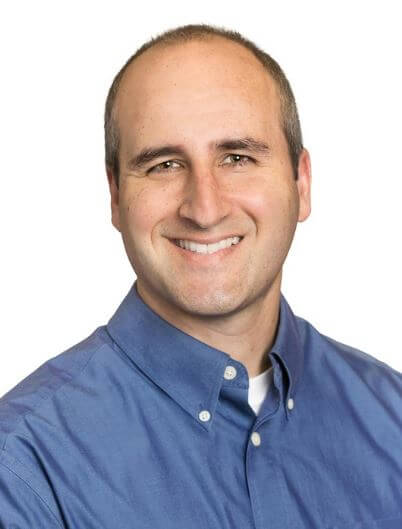 Dr. Ali Navidi is a licensed clinical psychologist and co-founder of GI Psychology, a national telehealth practice specializing in the treatment of gastrointestinal (GI) disorders and chronic pain. In addition to providing patient care, Dr. Navidi oversees clinical training and outreach initiatives at the practice.
He has presented on GI disorders and chronic pain to organizations across the country, including the American College of Gastroenterology, UNC School of Medicine, George Mason University, Georgetown University (Grand Rounds), INOVA, as well as through podcasts, television appearances, and multiple State Academies of Nutrition and Dietetics.
In this podcast episode: A practical introduction to disorders of gut-brain interaction and what therapists need to know about GI symptoms and medical rule-outs
This is a practical conversation for therapists who may not specialize in GI work but are very likely seeing these issues in their offices. Dr. Navidi explains the gut-brain axis in plain language, outlines the client populations most likely to experience disorders of gut-brain interaction, and emphasizes that therapists can play an important role in screening for symptoms, encouraging medical evaluation, and collaborating with providers when the diagnostic picture is unclear. He also explains why these disorders are often misunderstood, why clients may feel invalidated by medical systems, and how targeted treatment can create significant relief in a relatively short amount of time.
Key Takeaways for Therapists: Recognizing common presentations, understanding brain-gut treatment, and staying within scope
“…what I’m wanting to put out into the world is that you don’t just have to live with it.” – Dr. Ali Navidi, Licensed Clinical Psychologist and Co-Founder of GI Psychology
- Therapists are often in a strong position to catch these concerns, but many are not trained to ask about GI symptoms directly. Dr. Navidi highlights four groups that are more likely to experience these disorders: clients with anxiety disorders, trauma histories, autism, and eating disorders.
- Disorders of gut-brain interaction are not caused by visible structural damage like ulcers, tumors, or inflammation. Instead, they involve the way the gut and brain are communicating.
- Therapists should not assume a diagnosis like IBS without medical confirmation. Screening and referral are important first steps, followed by collaboration with gastroenterologists or other medical providers when symptoms remain confusing or clients fear something has been missed.
- These disorders can be treated directly with specialized behavioral health approaches. Dr. Navidi explains that targeted CBT and clinical hypnosis can reduce core symptoms like pain, bloating, constipation, diarrhea, and nausea, not just the anxiety around them.
- Dr. Navidi’s treatment model focuses on three main processes: hypervigilance, catastrophizing, and visceral hypersensitivity. Together, these processes can create a self-reinforcing loop in which the brain amplifies and distorts gut sensations, increasing distress and symptoms.
- Clients may struggle to trust treatment after years of being told that tests are normal or that the symptoms are “all in their head.” Part of the work is validating that the pain is real while also helping clients understand how the gut-brain system functions.
- When food and diet questions arise, therapists should stay cautious and avoid overstepping. Dr. Navidi recommends referral to a GI-focused dietitian rather than trying to manage elimination diets in therapy, especially because misinformation can contribute to long-term food restriction or ARFID-like patterns.
- Therapists should also be careful around popular conversations about microbiome treatments, SIBO, probiotics, and other wellness claims. Dr. Navidi notes that the science is still emerging, and clients can get lost in years of chasing explanations that overlook the brain-gut component.
“The pain is very real. It’s as real as any pain that anyone experiences.” – Dr. Ali Navidi, Licensed Clinical Psychologist and Co-Founder of GI Psychology
Resources on Gut-Brain Disorders, IBS, and GI Psychology
We’ve pulled together resources mentioned in this episode and put together some handy-dandy links. Please note that some of the links below may be affiliate links, so if you purchase after clicking below, we may get a little bit of cash in our pockets. We thank you in advance!
- Website: GI Psychology
- Facebook: @GIPsychology
- Instagram: @GIPsychUSA
- LinkedIn: @GIPsychology
- YouTube: @GIPsychologyMindYourGut
- Referral relationships with gastroenterologists and GI-focused dietitians
- Specialized CBT and clinical hypnosis for disorders of gut-brain interaction
- Further education on IBS, chronic nausea, functional dyspepsia, and related GI concerns
- Brain Bites: Gut-Brain Insights Presented by GI Psychology
- GI Psychology Blog
Relevant Episodes of MTSG Podcast
- Why Food Anxiety Is Not Always About Dieting: Understanding ARFID and Intuitive Eating An interview with Robyn L. Goldberg, RDN, CEDS-C
- Navigating Food, Body Image, and GLP-1 Medications: An Interview with Robyn L. Goldberg, RDN, CEDS-C
- Navigating the Food and Eating Minefield, An interview with Robyn Goldberg, RDN, CEDRD
- What Therapists Need to Know About Neurodivergent Clients and Families: An Interview with David Smith, LCSW
- How to Stay in Your Lane to Support Diversity and Inclusion, An Interview with Dr. Joy Cox, PhD
- Are You Actually Neurodivergent Affirming? An Interview with Sonny Jane Wise
- Why Are So Many Adults Getting Diagnosed with ADHD and Autism? An interview with Dr. Monica Blied
- Neurodivergence: An Interview with Joel Schwartz, PsyD
- When Clients Reject Your Diagnosis: How to Handle Pushback Without Losing the Therapeutic Alliance
- Managing Chronic Pain and Illness: An interview with Daniela Paolone, LMFT
Meet the Hosts: Curt Widhalm & Katie Vernoy
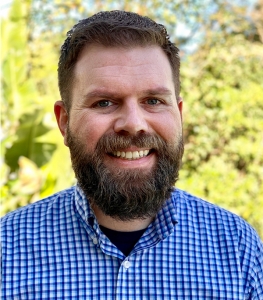 Curt Widhalm, LMFT
Curt Widhalm is in private practice in the Los Angeles area. He is the cofounder of the Therapy Reimagined conference, an Adjunct Professor at Pepperdine University and CSUN, a former Subject Matter Expert for the California Board of Behavioral Sciences, former CFO of the California Association of Marriage and Family Therapists, and a loving husband and father. He is 1/2 great person, 1/2 provocateur, and 1/2 geek, in that order. He dabbles in the dark art of making “dad jokes” and usually has a half-empty cup of coffee somewhere nearby. Learn more at: http://www.curtwidhalm.com
 Katie Vernoy, LMFT
Katie Vernoy is a Licensed Marriage and Family Therapist, coach, and consultant supporting leaders, visionaries, executives, and helping professionals to create sustainable careers. Katie, with Curt, has developed workshops and a conference, Therapy Reimagined, to support therapists navigating through the modern challenges of this profession. Katie is also a former President of the California Association of Marriage and Family Therapists. In her spare time, Katie is secretly siphoning off Curt’s youthful energy, so that she can take over the world. Learn more at: http://www.katievernoy.com
A Quick Note:
Our opinions are our own. We are only speaking for ourselves – except when we speak for each other, or over each other. We’re working on it.
Our guests are also only speaking for themselves and have their own opinions. We aren’t trying to take their voice, and no one speaks for us either. Mostly because they don’t want to, but hey.
Join the Modern Therapist Community:
Podcast Homepage | Therapy Reimagined Homepage
Facebook | Facebook Group | Instagram | YouTube | LinkedIn | Substack
Consultation services with Curt Widhalm or Katie Vernoy:
Connect with the Modern Therapist Community:
Our Facebook Group – The Modern Therapists Group
Modern Therapist’s Survival Guide Creative Credits:
Voice Over by DW McCann https://www.facebook.com/McCannDW/
Music by Crystal Grooms Mangano https://groomsymusic.com/
Transcript for this episode of the Modern Therapist’s Survival Guide podcast (Autogenerated):
Transcripts do not include advertisements just a reference to the advertising break (as such timing does not account for advertisements)
… 0:00
(Opening Advertisement)
Announcer 0:00
You’re listening to the Modern Therapist’s Survival Guide, where therapists live, breathe and practice as human beings. To support you as a whole person and a therapist. Here are your hosts, Curt Widhalm and Katie Vernoy.
Curt Widhalm 0:12
Welcome back, modern therapists. This is the Modern Therapist’s Survival Guide. I’m Curt Widhalm with Katie Vernoy, and this is the podcast for therapists about the things that go on in our world, the ways that we can help our clients, and we’ve all told our clients to trust their gut, but what happens when that gut is constantly sending out error messages? As therapists, we are great at helping people to digest their trauma, but we’re often less than prepared when digestion is actually the problem itself. So we are joined today by Dr. Ali Navidi to talk about the messy, often literally messy, intersection of GI issues and mental health. And we are very grateful to have you here. I promise I will not continue to make these jokes throughout the episode.
Dr. Ali Navidi 1:04
Curt, I think it’s a wonderful start to this podcast today. No, because it actually got me thinking. I’m like, huh, yeah, that is a common saying. And, and the the types of disorders that that I’m frequently treating are literally ones where I need to teach patients not to trust their gut.
Katie Vernoy 1:28
Oh, interesting. That is interesting.
Dr. Ali Navidi 1:30
Yeah.
Katie Vernoy 1:31
I’m so excited to jump into this. This is something that’s near and dear to my heart. But before we get started, I’d love to ask you the question that we ask all of our guests, which is, who are you and what are you putting out into the world?
Dr. Ali Navidi 1:44
So I am in a concrete way, you know, like I’m a clinical psychologist in the DC metro area, and I’ve had a practice, you know, a solo practice, for about 14 years, and what I’m putting out in the world is kind of a labor of love of starting so, long story short, I developed a specialty in working with patients with GI disorders. And what I’m wanting to put out into the world is that you don’t just have to live with it. I think that’s kind of the core message of patients with irritable bowel syndrome, patients with chronic nausea, disorders like functional dyspepsia, things like that. Often they are given the message that, you know, okay, we’ve done what we can. It’s not going to kill you. Kind of just live with it. And want to put out there that this is not true, that there are very effective, empirically based treatments available for these patients that really work and they help a lot.
Curt Widhalm 2:59
So maybe starting with kind of the building blocks of this, I’ve often heard that the gut is kind of the second brain, or the little brain, compared to our talking big brain. Can you maybe start by breaking down that gut brain axis in a way that therapists can understand how that might apply to their clinical work.
Dr. Ali Navidi 3:20
Yeah, so I like to keep it simple and and so the explanation I like to give about the gut brain axis is essentially the same explanation that I would give to a patient. I don’t think there’s a lot of value in going deep into the neurotransmitters, into the different nerve connections and and I think if we just keep it simple and let people know that there is this thing called the gut brain axis, and it means that there’s a special relationship between our brain and our little brain in the gut. And the reason we say little brain in the gut is because it there is a little nervous system in there, and so they are always communicating with each other. And that means that the gut is influencing the brain, and that the brain is influencing the gut, and so what happens in each affects the other. And that’s a really important starting point. And you know, you could get into the vagus nerve and the central nervous system and the enteric nervous system, but essentially, people need to understand that that communication is happening, and it’s happening all the time.
Katie Vernoy 4:33
What does it look like that communication?
Dr. Ali Navidi 4:35
Well, yeah, I think some of it is just very it’s kind of well understood, right? We all know my son, for example, we all know people in life who get hangry, right. And and he was a perfect example, just unreasonably angry and then literally right after he’s done eating a wonderful, kind person, and the shift is just so quick and so powerful. And that’s just a simple example of how the gut affects the brain. And we know that the brain affects the gut also because we can think of something and lose our appetite, or we could think of something else and start to feel hungry. Who hasn’t been engaged working on something intensely, and then they’re right when they’re done, they’re like, oh, wait, it’s lunch time. And then suddenly they start feeling hungry. They didn’t feel it before, but right when they they thought to themselves, okay, it’s lunch time now they’re hungry. And so these are just simple examples of how the brain can affect the gut and how the gut can affect the brain.
Curt Widhalm 5:49
I am maybe starting this with, I don’t know that I’ve had any clients ever come in to me identifying, hey, I have chronic GI issues as their primary reason for mental health treatment. And I’m wondering, what kinds of presentations do people usually show up in, maybe kind of the general therapist’s office that would warrant the therapist to screen Hey, do you have medical history that needs to be checked out? How does this normally show up?
Dr. Ali Navidi 6:22
I love that question, because I think as therapists, we are in a great position to catch a lot of these problems and to steer people in the right direction, but I think we’re not trained to ask. It’s not part of our general training. So I can give I can make it really easy, like four main groups are gonna have a much higher percentage of these problems. And these problems are called disorders of gut brain interaction. They include irritable bowel syndrome, they include about 20 other disorders that can occur in the GI system, but they’re all disorders that there’s no structural cause. The cause isn’t, isn’t because of inflammation. It’s not because of an ulcer, it’s not because of a tumor. It’s, it’s, they’re going to check it out. They’re not going to see a structural cause this. The cause is more process of how the gut and the brain are communicating with each other. So there are four groups that are going to have a higher percentage right off the bat, patients with anxiety disorders, they’re much more likely to have GI issues. Patients with a history of trauma, much higher percentage of GI issues. Patients that are on the spectrum, also much higher percentage. And then any patients that have, or currently do, have an eating disorder, they also have a much higher percentage. So if, if you have patients in those categories, which I don’t see how any of us don’t, just simply asking, you know, how are things going with you in terms of your your GI system, you know, in terms of upper GI, in terms of lower GI, how are things going? And then if, if they’re saying that there’s some problems, asking, if they’ve gotten it checked out, because that’s always the step right? I don’t want to start treating someone for IBS until we get a medical professional confirming that it actually is IBS.
… 8:31
(Advertisement Break)
Katie Vernoy 8:32
It seems like it would be fairly murky. I’m thinking through how process can lead to more functional disorders in the GI system, and somebody that chronically has IBS might eventually, you know, develop gastritis or something. Obviously, we’re not doctors. We’re not talking about it in that way. But it seems like it might be fairly murky. How do you make sure that you’re staying within scope when you’re looking at this part? I mean, I hear that have a doctor check it out, but how do you make sure that you’re staying within scope and and keeping the communication open with the the GI specialist?
Dr. Ali Navidi 9:11
Well, I think that, I think you just answered the question, right? That is, you know, not just me, but also for all the therapists working in the clinic, that is part of what we teach them to do. You got to talk to the providers, and often you need to talk to them more than once. Because here’s a common example, a gastroenterologist, because we get a lot of referrals from gastroenterologists. Gastroenterologists diagnosis someone with IBS, they come in, we talk to them. By like, the third session, they’re comfortable enough with us to say, You know what, I don’t, I’m not sure it’s really IBS, because, you know, I’m having this pain and and this and that, and they’re saying, you know, I’m not. I think it might be something else. I think they missed it. I think they missed what it really is. So then what do we do? Well, you don’t want to just sit there and try to help them figure it out yourself, because now you’ve just walked outside of scope, right and potentially putting your patient in danger. So the move for me is I want to talk to that gastroenterologist, and I want to talk about the patient’s concerns. Now, sometimes you’ll get okay, maybe we need to get them in for more testing, but sometimes what you get is, oh, we have tested the hell out of this patient. They’ve had an endoscopy every year for the last four years, and every year we see the same thing, and this is their anxiety showing up. This is their health anxiety. And that’s good for me to know, because now I have another target for treatment, and then I come back to the patient, and I can convey the certainty that the gastroenterologist had about their condition as a kind of a lever to help them with that anxiety, to give them a reason to work on it as a problem rather than okay. I just need to let my mind run wild about what these symptoms could mean.
Katie Vernoy 11:16
Or give up.
Dr. Ali Navidi 11:17
Yeah, or give up.
Curt Widhalm 11:19
So from there, I’m assuming a lot of the treatment ends up dealing with anxiety, dealing with this, I don’t know if this fits into the episode, but dealing with hypochondriasis, kinds of issues is that kind of where you end up going with clients like this?
Dr. Ali Navidi 11:38
That’s half of it. So you can think of it as as kind of like primary and secondary, and this is the thing I think a lot of people don’t realize. So this category of disorders is directly treatable with behavioral health techniques. What that means is that we’re not just treating the secondary anxiety. We’re not treating the difficulty coping. We’re not treating the problem accepting the disorder. We can actually treat the disorder. The data shows extremely good results, meaning over the last 40 years, they’ve done hundreds of studies looking at specific kinds of CBT, not bread plain vanilla CBT, but specific kinds of CBT and specific applications of clinical hypnosis, and looked at the outcomes, and the outcomes are very good. Like just looking at certain protocols for clinical hypnosis, you get 70 to 80% of the patients reaching their treatment goals, meaning not just reduction in anxiety, but reduction, let’s say it’s IBS, reduction in, you know, diarrhea, reduction in constipation, reduction in bloating, in pain, in discomfort. So those are primary effects. We’re not just secondary effects like health anxiety, hypochondriasis, coping, acceptance, things like that we still might work on but we can also work on a primary level.
Katie Vernoy 13:24
So this is really exciting, because I think there’s a lot of frustration that I’ll just say I’ve had as a clinician, when I see my clients going through the health process and they continue to come back from their doctors. There’s my medical tests are normal. This is horrible, and there’s so much going on there and and potentially things are being missed. And so I do want to honor that…
Dr. Ali Navidi 13:46
Yeah.
Katie Vernoy 13:47
…doctors are not perfect. They’re going to miss stuff. We don’t want to doubt someone’s experience. And it sounds like being able to address these disorders of gut brain interaction directly can be very effective to help clear up the picture. So maybe that’s not being missed, but maybe something else is, but it’s all being muddied. Because when you’ve got a you’re you sent us something, and it’s dgbi disorders of gut brain interaction. When you have a dgbi that is going to be all consuming at times, because our gut is fairly consuming. So how do you conceptualize what the disorder is? How you develop a treatment plan like, Can you talk us through what that looks like? Because to me, this is very exciting. I really might, I might be attending a training soon. So please, please fill me in. What do we got here?
Dr. Ali Navidi 14:39
Well, to your first point, what you’re saying at first about muddying the water, I can give you a great example. So there’s another class of disorders called inflammatory bowel disease. So that’s Crohn’s and Colitis. And these are disorders where there’s actually inflamation, there’s strictures, there’s damage in the intestine.
Katie Vernoy 15:04
Gastritis, esophagitis, like there’s a lot of things that are actually inflammation.
Dr. Ali Navidi 15:10
Yeah, there’s real things happening in terms of autoimmune problems and the consequences of that. For IBD patient, this is not IBS, this is IBD. And so for those patients, what can often happen is they can develop a disorder or gut brain interaction on top of the structural issues. So talk about things getting muddy.
Katie Vernoy 15:39
Sure.
Dr. Ali Navidi 15:39
How do we pull that apart? Because they’re going to have pain as part of the IBD, they might have diarrhea as part of the IBD, or is it coming from the dgbi? One of the ways we can tell is we if we look at blood tests, if the blood tests are clear that their their medication is suppressing the autoimmune response, but they’re still having symptoms, we can start to suspect, okay, maybe there’s an overlay happening here, and then treating that overlay is actually going to do a lot for them, because now, when their blood tests are clear, they’re actually going to have no symptoms versus they were having symptoms despite clear blood tests, right? So that’s an example of that.
… 16:27
(Advertisement Break)
Katie Vernoy 16:28
How did dgbis work like? What are we looking at? And then, as we go along, how do you create a treatment plan? And what does treatment actually look like?
Dr. Ali Navidi 16:38
So again, I’m going to give kind of the version I would explain to a patient.
Katie Vernoy 16:43
Thank you.
Dr. Ali Navidi 16:44
Yeah, and it’s, it’s very straightforward. I think as therapists, you’re going to get it like the minute the words come out of my mouth. And so essentially, we need to understand that gut brain axis, right? And we already talked about that. And then there’s essentially three variables to talk about, hyper vigilance, which I think we all know well, catastrophizing. And then there’s something new, probably for most therapists, is this idea of visceral hypersensitivity. So let me lay out the model, so to speak. So what often happens, and it can happen as a result of trauma. And when I say trauma in this context, I’m meaning trauma to the gut. So as an example, there’s something called post infectious IBS, that’s where you get a real infection. It might be like MRSA or C Diff or just food poisoning or something, something that causes some kind of trauma. The infection passes, the trauma passes, but the symptoms don’t all stop, and what happens is the brain, at usually an unconscious level has developed hyper vigilance about the gut. So now it’s always anxiously scanning for problems. And usually there’s a certain part of the gut that the that they like lock in on, probably the part of the gut where they had problems. And then if they notice anything is wrong, they start catastrophizing. Oh my gosh. You know, like, what’s gonna happen? Am I gonna get nauseous again? Am I gonna throw up. And then, through the gut, brain axis, all that anxiety and stress actually starts to create symptoms. So it’s a self fulfilling prophecy. And if that were all, it would be rough. But then there’s something called visceral hypersensitivity, and what that is is when the brain chronically perceives danger in an area of the body, what it ends up doing is taking the sensations from that part of the body, amplifying them and then distorting them. So what is, let’s say, a full stomach after eating is perceived as painful, uncomfortable, and it can be at a very intense level, to the point where patients are going to the ER because of that pain. And there’s actually nothing wrong at all. It’s just that the brain is amplifying and distorting that signal, and it’s feeding it into a hyper vigilant, catastrophizing brain that then sends even more anxiety down, which creates even more symptoms. So you get this loop that’s always feeding itself, so then we treat it by targeting those variables. The CBT is for the hypervigilance and catastrophizing. The clinical hypnosis actually has been shown to directly reduce that visceral hypersensitivity. Right? So think of it as like turning the dial down on the the volume of the sensations, and then kind of removing that distortion effect. So that’s like, kind of the basic model we want to start explaining to patients. And of course, there’s a tremendous with these disorders, there’s a tremendous amount of avoidance.
Curt Widhalm 20:23
I was going to be the question that I popped in there is, what do those early conversations sound like? Because I’m guessing that a lot of those patients have developed even a mistrust of a lot of healthcare field because they are feeling this pain, but going into the doctors, they’re not seeing any kinds of results that are invalidating this.
Dr. Ali Navidi 20:44
Yeah, and I think that’s a really common issue to deal with for people, because they’ve been given this, like sometimes implicit message that this is all in your head, right? And we want to make sure that people understand the pain from these disorders is very, very real, and the it’s all in your head comment is a tricky one, because all pain is in your head. If we if we didn’t have a head and have a brain, we couldn’t have pain. So all pain is in your head. But more importantly, the pain is very real. It’s as real as any pain that anyone experiences. And the symptoms are very real too, that you know, the the diarrhea, the constipation, potentially nausea, vomiting, things like that bloating, often, there’s a lot of bloating happening which is incredibly uncomfortable. So you have to, you have to balance that, because you also don’t want people to get lost in the search for well, then there must be something physically wrong. And often people, they delay getting the right help because they want that second, that third, that fourth, that fifth opinion, which leads them to bounce around the medical system for years before they get the right treatment.
… 22:16
(Advertisement Break)
Katie Vernoy 22:17
How do you get folks to buy in? Because it feels so real, and you’re saying it is real, but it feels like there’s something structurally wrong to them. Doctors are saying everything is fine, or that they’ve treated the thing that was wrong. How do you get buy in? What are some of the early wins that can help with moving forward quickly? Because it feels like this is a group that has a huge level of mistrust, like you just described. And all of this, you know, kind of, even if it’s physical, you know, trauma to the gut, there’s also medical trauma. There’s potentially trauma in life, like, there’s going to be a lot of these things that are continuing to exacerbate those symptoms. And so, how do you get some really wins? How do you get this buy in? Because I feel like this is, this is tough.
Dr. Ali Navidi 23:04
It is. I think it’s a mixture. Each person needs something different. Some people, when they learn about the depth of the research about these disorders, that kind of helps some people. When you hear them describe the model that I just described that can help some people. When you go through their history carefully, and you see that when they’ve had flares in their system, their in their symptoms, it often corresponds to big things happening in their life. You know, big you know, stress, big difficulty. I think for each person, it’s different. Sometimes it’s trust in the doctor. Sometimes they just, they just move forward, and they’re often a little skeptical.
Katie Vernoy 23:50
I can imagine.
Dr. Ali Navidi 23:50
And it just is. And then after they’ve had, let’s say, their their first or second hypnosis session, and they’re like, Oh, damn. That really feels different, you know, or their first experience where they can go from, you know, having a seven out of eight pain to a two within 15-20 minutes. And they’re like, Wow. And then you ask them, could that have occurred if there was something structurally wrong, and they’re like, no. Because we’ve just, right now, been working with your brain, and so through your brain, we’re able to reduce that pain. And the only way we could have done that is if the disorder was a disorder of gut brain interaction, right? Just sometimes you just have to, they just have to kind of hold that skepticism and move forward in the treatment a little bit, because it’s not a long treatment. Often, often we’re starting to see results by like session three or four and and often, treatment is done by, you know, session 10 to 12. So we’re not talking about, you know, treating, you know, major depressive disorder or trauma or something like that. And that’s actually, as a therapist, part of the reason why it’s really satisfying to treat these disorders, because what often happens is, let’s say you treat an IBS patient, and that might take about three months, but then there’s a lot of rapport, there’s a lot of therapeutic momentum, and you can go ahead and treat their anxiety disorder or treat their trauma, and there’s already this great working relationship. They already kind of know about CBT, already they know about clinical hypnosis, and you can use those modalities to now help them with their other problems.
Curt Widhalm 25:54
I have a question that’s kind of about scope here, but it also in some of the information you sent over to us is talking about the role that diet plays in the early stages of treatment, and so I’m wondering about, how much do you get into the foods that people eat and the recommendations that you make, and being able to talk about how this makes sense as part of their treatment.
Dr. Ali Navidi 26:21
I personally don’t, I try not to talk a lot about diet. I want people, if they want to go that route, to work with a GI focused dietitian, they’re out there. They’re they’re often, you know, they’re really good at what they do. They know what they’re doing. But what I see is often, you know, these patients, let’s say with IBS, they go to their gastroenterologist, you know, they say, Oh, you’ve got IBS. And they say, Well, you might want to try this diet. And they hand them like a worn out sheet about the FODMAP. You know, it’s been like…
Katie Vernoy 27:01
The low FODMAP diet.
Dr. Ali Navidi 27:02
Yes.
Katie Vernoy 27:02
This diet, or that diet, like, crazy. And they’re so unhelpful, those, those little sheets.
Dr. Ali Navidi 27:07
Yes, yes, because these are, first off, they’re complex, because these are elimination diets, and there’s certain orders that you do it in, and and, like, then and then, how do you pull back from the elimination? Because I’ve seen many, many patients that have been told about the FODMAP diet, but they think they okay. That means I just keep avoiding FODMAP foods for the rest of my life. But that’s not the case with these diets. They need to eliminate and then reintroduce systematically in order to figure out which of the FODMAP foods are the most, you know, troublesome and blah, blah, blah. And so you get these patients that end up developing arfid, so avoidant, restrictive food intake disorder because of, you know, basically bad information about these diets.
Katie Vernoy 28:02
I think there’s probably out of all of our scopes, but I think I need to find a medical doctor to talk about this too. But there’s a lot of conversations about the microbiome and how the the things that we eat will impact that and and just kind of bringing it back to kind of what your scope is. I know when I try things myself, or I talk about it with with other folks, that there’s when you’re introducing fiber rich foods, or you’re introducing foods that are different than your day to day, some of those pain that some of that pain, some of that stuff can can be reintroduced. I’m thinking a low FODMAP diet is going to just bring down any inflammation or any kind of discomfort in your stomach. So maybe that helps, just because of that, if it’s a dgbi. But I think there’s this element of huge amounts of information around, especially microbiome lately, but there’s a huge so we’re fighting against a lot of those things. And so I’m I’m curious, how do you approach conversations about what’s happening in the popular culture around food and diet and how that might interact with somebody that has a dgbi, and then also, what are things that therapists should be aware of if they’re not necessarily treating those things so that they can support getting them to the right provider, because it feels like these conversations get huge. So maybe that’s too broad of a question, but we’re getting low on time. So, answer what you will there.
Dr. Ali Navidi 29:33
Yeah, so, so, so basically, there’s a ton of information out there. There’s a ton of misinformation out there. There’s a ton of claims about things, and over claiming things. I think some things to be aware of is that, you know, we’ve got the microbiome, and this is, this is a real thing. This is something that has been studied seriously for a long time. It affects our digestion, it affects our mental health, and we’re still figuring it out. So we don’t really completely understand what’s happening and why and how to alter it. We’ve got some theories. We’ve got some people trying things out, but it’s all very new. The the science isn’t super well established yet. So people are going to play around with probiotics. They’re going to play around with diet changes. They’re they’re going to look at things like SIBO, and I think I always have trouble with it’s like small intestinal bacterial overgrowth, and that gets even more confusing, because there’s a lot of overlap between patients with IBS and SIBO. And so I’ve seen patients overly focus on the SIBO aspect of it, spend years on different naturopathic protocols, antibiotic regimens, trying to clear up the SIBO that just keeps coming back, and then one course of brain gut therapy helps like 70 to 80% of the problem, because they were hyper fixated on dealing with these bacteria when a big part of the problem was the brain gut connection and not necessarily the SIBO. So it’s a very complicated subject. I think people can often get lost in the weeds looking at their microbiome, and I think a lot of time, we just don’t understand it well enough for there to be anyone who gives you a clear answer and seems super, super confident about like, Oh, you got to eat this kind of starch. I would be a little suspicious of.
Katie Vernoy 31:56
Exactly. So for therapists who don’t specialize in GI work, what do we need to know?
Dr. Ali Navidi 32:02
I think the key thing is that a lot of our patients are suffering from these disorders, and I think they’ve often just accepted it, and that’s probably a lot of that has come from the medical institutions that just don’t either two things like, and I’m not trying to pick on the doctors, you know physicians. Often, they don’t, they don’t know that these treatments are available, or if they know, they can’t find providers because there’s, there’s only, like about 600 in the world that are properly trained, which is sad, which is why, you know, we didn’t talk too much about this, which is why I opened the bigger practice, GI Psychology, because I was that’s that was basically the idea is, we want to make this treatment more available to people.
Curt Widhalm 32:58
Where can people find out more about you and your work?
Dr. Ali Navidi 33:02
Well, perfect segue. So about five years ago, you know, mostly through frustration with not having other providers out there who are properly trained in this, I started a practice called GI Psychology, and it happened to coincide, like directly with covid hitting. So we were gonna have maybe more of an in person practice in the DC metro area. But so why are we why? Why are we paying for space that we’re not using? So we decided to go virtual, and then we’ve kind of grown it from there, and so now we we see patients in all 50 states. It’s just gipsychology.com We’ve got a very high level of training that we put our therapist. So basically we’re looking, when we hire, we look for therapists with some some health psych background, and then and that already are experienced in know how to do therapy, and then we put them through about six to nine months of a very structured University, internal University, where they’re getting tons of supervision support, and they’re going through a lot of didactic material as well. So gipsychology.com if you’re looking for me.
Curt Widhalm 34:24
And we will include a link to that in our show notes over at mtsgpodcast.com. Follow us on our social media. Join our Facebook group, the Modern Therapist’s Group, to continue on with this and other conversations. We’re on Substack and LinkedIn, and until next time, I am Curt Widhalm with Katie Vernoy and Dr. Ali Navidi.
… 34:42
(Advertisement Break)
Announcer 34:44
Thank you for listening to the Modern Therapist’s Survival Guide. Learn more about who we are and what we do at mtsgpodcast.com. You can also join us on Facebook and Twitter, and please don’t forget to subscribe so you don’t miss any of our episodes.




SPEAK YOUR MIND