

Becoming a Therapist as a First-Generation Clinician-in-Training
An Interview with Marvin Vasquez
Special Series: Becoming a Therapist
Curt and Katie welcome back Marvin Vasquez for a second-year follow-up in the Becoming a Therapist special series. Now in the clinical phase of his graduate training, Marvin reflects on what it has been like to move from coursework into direct client work while navigating the responsibilities and emotional weight of serving the same community he comes from. This conversation explores the rewards and challenges of becoming a therapist as a first-generation clinician-in-training, including bilingual clinical work, managing self-doubt early in practice, navigating systemic stressors, and developing confidence through supportive supervision during a complex sociopolitical moment.
Click here to scroll to the podcast transcript.Transcript
(Show notes provided in collaboration with Otter.ai and ChatGPT.)
About Our Guest: Marvin Vasquez
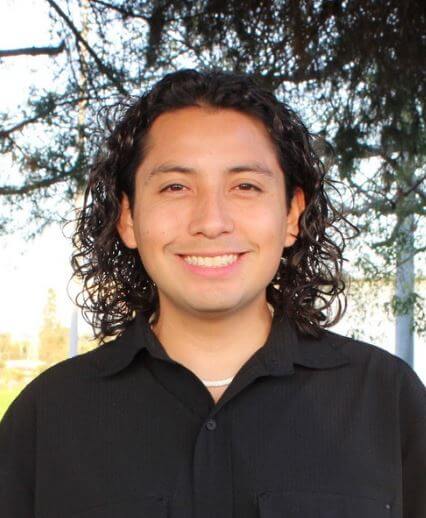 Marvin Vasquez is a first-generation Marriage and Family Therapy (MFT) graduate student at California State University, Northridge (CSUN), with a strong commitment to supporting underserved communities. Born to Latin immigrant parents, Marvin brings a perspective shaped by lived experience, intergenerational resilience, and an awareness of the systemic barriers faced by many first-generation families.
Marvin is currently completing his clinical training as an intern at Phoenix House, where he works with individuals and families impacted by mental health challenges and systemic inequities, with a particular focus on Latinx communities. He provides therapy in both English and Spanish and is dedicated to offering culturally responsive, strengths-based care that supports flexibility, emotional processing, and relational healing.
Through his clinical work and advocacy, Marvin aims to reduce stigma around mental health and expand access to equitable care in the Los Angeles community. He is particularly interested in empowering clients navigating cultural, socioeconomic, and systemic stressors, while contributing to broader change within the mental health field.
In this podcast episode: Clinical training, first-generation identity, and working within your own community
Curt and Katie talk with Marvin about securing a competitive practicum placement and beginning direct clinical work with children, families, and parents in his community. Marvin shares how providing therapy in both English and Spanish has strengthened engagement and trust, particularly with families navigating fear, uncertainty, and systemic stressors. He reflects on the emotional experience of being both a clinician-in-training and a member of the community he serves, the importance of supervision that feels collaborative rather than corrective, and how his professional identity is becoming more grounded as he gains time in the therapy room.
Key Takeaways for Therapy Students and Early-Career Clinicians: First-generation identity, supervision, and clinical confidence
“I’m doing therapy in two languages. I’m doing it in Spanish and English, and I can see how beneficial that is, especially with the families, and how we can integrate these new ideas.”
— Marvin Vasquez
- Entering clinical training can bring both pride and pressure, especially for first-generation clinicians working within their own communities.
- Supportive supervision that emphasizes collaboration can help reduce self-doubt and normalize the learning curve of early practice.
- Providing immediate, practical support is often key to building trust with clients facing ongoing systemic stress.
- Bilingual and culturally responsive care can deepen therapeutic relationships and engagement.
- Holding personal identity, professional role, and sociopolitical realities simultaneously is a common and challenging part of early clinical development.
“If you’re willing to look back at yourself and reflect on the things that have impacted you, then you know, you would be at a better place to help other people… it’s better to do the work right now, or, you know, during that process.”
— Marvin Vasquez
Resources on Clinical Training, Community Mental Health, and Advocacy
- California State University, Northridge – Marriage and Family Therapy program
- Phoenix House – Community-based behavioral health services
- California Specific Safety Plan for Immigrant Latinos from Marvin Vasquez
Relevant Episodes of the MTSG Podcast
- Becoming a Therapist as a First-Generation Immigrant
Special Series: Becoming a Therapist — An Interview with Marvin Vasquez (Year One) - How Therapists Can Support Community-Building in Immigrant and Marginalized Populations: An Interview with Adriana Rodriguez, LMFT
- Bridging Cultural and Communication Differences in a Bilingual Psychotherapy Practice: An Interview with Dr. Carmen Roman
- Therapy with an Accent, An interview with Namrata Rindani, LMFT
- Clinical Considerations When Working with Asian Immigrants, Refugees, and Dreamers: An Interview with Soo Jin Lee
- Welcome to Therapist Grad School!
- The Clinical Supervision Crisis for Early Career Therapists: An Interview with Dr. Amy Parks
- Agency and School Drama
- Topic: Therapist Education
- 3 Things I Wish I Knew Starting Out (blog post)
Meet the Hosts: Curt Widhalm & Katie Vernoy
 Curt Widhalm, LMFT
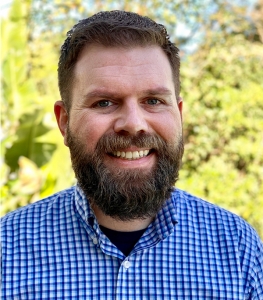
Curt Widhalm is in private practice in the Los Angeles area. He is the cofounder of the Therapy Reimagined conference, an Adjunct Professor at Pepperdine University and CSUN, a former Subject Matter Expert for the California Board of Behavioral Sciences, former CFO of the California Association of Marriage and Family Therapists, and a loving husband and father. He is 1/2 great person, 1/2 provocateur, and 1/2 geek, in that order. He dabbles in the dark art of making “dad jokes” and usually has a half-empty cup of coffee somewhere nearby. Learn more at: http://www.curtwidhalm.com
 Katie Vernoy, LMFT
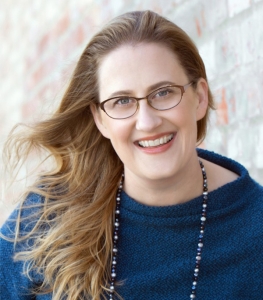
Katie Vernoy is a Licensed Marriage and Family Therapist, coach, and consultant supporting leaders, visionaries, executives, and helping professionals to create sustainable careers. Katie, with Curt, has developed workshops and a conference, Therapy Reimagined, to support therapists navigating through the modern challenges of this profession. Katie is also a former President of the California Association of Marriage and Family Therapists. In her spare time, Katie is secretly siphoning off Curt’s youthful energy, so that she can take over the world. Learn more at: http://www.katievernoy.com
A Quick Note:
Our opinions are our own. We are only speaking for ourselves – except when we speak for each other, or over each other. We’re working on it.
Our guests are also only speaking for themselves and have their own opinions. We aren’t trying to take their voice, and no one speaks for us either. Mostly because they don’t want to, but hey.
Join the Modern Therapist Community:
Podcast Homepage | Therapy Reimagined Homepage
Facebook | Facebook Group | Instagram | YouTube | LinkedIn | Substack
Consultation services with Curt Widhalm or Katie Vernoy:
Connect with the Modern Therapist Community:
Our Facebook Group – The Modern Therapists Group
Modern Therapist’s Survival Guide Creative Credits:
Voice Over by DW McCann https://www.facebook.com/McCannDW/
Music by Crystal Grooms Mangano https://groomsymusic.com/
Transcript for this episode of the Modern Therapist’s Survival Guide podcast (Autogenerated):
Transcripts do not include advertisements just a reference to the advertising break (as such timing does not account for advertisements)
… 0:00
(Opening Advertisement)
Announcer 0:00
You’re listening to the Modern Therapist’s Survival Guide, where therapists live, breathe and practice as human beings. To support you as a whole person and a therapist, here are your hosts, Curt Widhalm and Katie Vernoy.
Curt Widhalm 0:12
Welcome back, modern therapists. This is th Modern Therapist’s Survival Guide. I’m Curt Widhalm with Katie Vernoy, and this is the podcast for therapists about the things that go on in our professions, the things that happen to therapists. And we are working on this project where we started last year with some grad students, and we’re following up with them each year and kind of seeing how stories change, how perspectives has changed, and we were reflecting off air somewhat recently that this is really cool to do in real time and getting updates from people and to the future people listening to this, it’s, I’m assuming, really cool to be able to hear all of these perspectives change all at once. And among that is our interview today. We are joined once again by Marvin Vasquez and thank you for coming back and spending some time and talking about your experiences is in grad school and on your pathway to becoming a therapist.
Marvin Vasquez 1:16
Yeah. Thank you. Katie, Curt for holding this. I’ve actually like seeing some of your other interviewees, and it’s been great. It’s been great to hear like the process and how different and diverse it is, but it’s also like similar we’re all having similar thoughts. You know, I’m currently in my second year as a marriage and family therapist. I am at the California State University in Northridge, and I’m currently completing my clinical training at Phoenix House, California, Lake, buterrace, they kind of work with a diverse community, but mostly, you know, Latinx individuals and families, the thing that I wanted to do and what I set out to do in my first year, I am getting to do it, and that’s really rewarding.
Katie Vernoy 1:58
Before we jump into the further conversation here, let’s remind folks who you are and why you wanted to be a therapist.
Marvin Vasquez 2:08
Well, I think the last time we spoke, the reason I wanted to be a therapist was a lot of the things that were, were happening in my community, my personal experience, were things that like, I realized that we’re kind of a helping community. We’re a resilient community. All these things that are that made me kind of navigate towards, like, being a therapist and then just kind of giving back, right? Like, that’s kind of like my biggest thing. So I really needed to find, like, a, you know, a field work site or practicum side, that kind of promoted, like, mental health in my community, and promoted like, you know, processing feelings and all this stuff. And I think that’s like the my biggest like reason, right? Like, I’m seeing the things that weren’t offered to me at a young age are now being offered, and I can be part of that. I can be part of that resource now. I could be, you know, I’m doing therapy in two languages. I’m doing it in Spanish and English, and I can see how beneficial that is, especially with like the families, and how we can integrate like these new ideas, right? So I think that I’m not really trying to promote like the right way to think, right? I’m just trying to promote like, new ways of thinking, feeling and relating to those like uncertainties. Like, maybe I think I talked about like, some survival stances that sometimes we we place ourselves in the Latinx community. Like, Oh, this worked for us. I’m going to keep going because it’s consistent. It’s like a caution. It’s like the endurance that we’ve been put in and and it’s really difficult once we hunker down on these thoughts, like, Oh, I’m thinking this way. I’m going to behave this way, because I’ve survived this way. And my my thing is, is like, Yeah, let’s keep these survival things that are keeping you going, but that rigidity is like sometimes hurting you and you and your relationships, right? So like, How can I promote more flexibility, even if it’s just a little bit and like, and then just kind of showing them how that can be beneficial for them? So it’s really like hunkering down all my ideas of why I wanted to be a therapist, and now that I’m in the room, I’m like, Yes, like, I’m I’m helping where I think, you know, my community needs the most help. And it was just to integrate a little bit of flexibility and a little bit of new thoughts in order for them to like process and find new meaning in the world and find new like ways to really integrate relationships with, you know, family members, children, you know, their their own parents. So the why I wanted to be a therapist was to work with this community, and I’m doing it now, and I think it’s like reinforcing everything that that why I stepped into this field.
Curt Widhalm 4:58
So how was your process of finding your practicum sites?
Marvin Vasquez 5:05
It was actually fairly easy. We had a like, a fair, like an online fair, of like, all these sites that were just kind of promoting themselves. They’re all community based sites, so they were just offering, like, what we promote, like what population we work with. Some of them offered stipends, which was probably the most popular site. And then some of them work with like Cal State Northridge, so they’re like partners with them. So it was easy to find one, because they gave us all the options that you know that have a contract with a CSUN, and if you wanted to find an outside one, you had to go through steps to do that. And a lot of a lot of us just really didn’t want, don’t have the time, and don’t want to do the extra legwork to find outside sources. I think some of us did, but I kind of already made my choices with that, with those and those entities that came and promoted themselves, which was Phoenix House California, they offered a stipend, and that was and they offered, like, you know, the community that they were working with, the age range and all that just made sense with me. It was super competitive. I think everybody like, you know, saw the stipend and saw like, you know, oh, this is, like, a really good position, and we’ve heard really good things about this place. So, like, a lot of third years, and a lot of people who’ve graduated really talked highly about, like, Phoenix House. So, you know, that was my first choice. And I was like, I gotta get this. So I ended up getting it. It was very competitive. I mean, anybody could have gotten this position. I really do believe in my cohort, and I think, like, everyone’s really talented and has their own way of doing therapy. So I was very lucky. I think I said that last time. I’m very lucky. But sometimes, you know, effort and luck works out. It was a very stressful situation, too. I know that a lot of people struggled to get placed and where they got placed, it isn’t as supportive what I’m hearing. And you know, they’re struggling a lot with guidance from supervision, and we’re all flailing sometimes, and, you know, I’m flailing too, but I feel like I found like, really supportive, like group or like field work site where, you know, I’m flailing, and they’re kind of like, Hey, we’re keeping it together one step at a time. They’re grounding me, they’re bringing me back. You’re here for a reason. You were chosen for a reason, and this is why. And they kind of highlight all the good that I’m bringing in and all the negative thoughts that are com, you know, flooding in in my head. I’m like, okay, they’re right. I mean, they chose me right. I’m here for a reason. You know, their guidance is very much appreciated, you know. So the process was so stressful that everyone was moving fast. Everyone wasn’t even, like, thinking about anything else but this, and I think it could have been brought up a little bit better and with a little bit more preparation by the school, but, you know, that’s like, my own critique of, like, how this went about, because it was really like, a like, very cutthroat, very like, everyone’s just going out for whatever they need. And it didn’t feel very collaborative to be, to be frank. But that’s the nature of, like, trying to be placed where you want to be placed, right? Like, sometimes you have to be ultra competitive and put your best foot forward and hope for the best.
… 8:44
(Advertisement Break)
Katie Vernoy 8:45
So you’ve you’ve talked about struggling, flailing. It seems like there’s a few different pieces to that. Can you talk a little bit about what challenges you’re facing right now as a individual and as a, you know, new clinician?
Marvin Vasquez 9:00
Yeah, I think, you know, sometimes, like, the flailing happens when you’re like, am I even doing the right thing? Like, my biggest thing was, I’m afraid of starting, because I don’t know if I’m gonna do the right thing. I’m not sure if I’m moving the right way. You know, I like one thing that I’m afraid of, right is when I tell my story, is someone going to hold it with care, if someone going to care enough, and if they’re going to go to the right direction of where I want to go? Right? So before I started, there was a lot of fear. It was like, oh my god, I’m in the room. I’m with another person. I don’t know if I’m ready. It doesn’t matter how many times I’ve, you know, gone through a simulation, it is different. But, but a lot of the times it was just like, just keep it simple. Like the most my supervisor, like, they just told me, just like, just be you. Like, just you’re talking to another person right now, like, just, don’t just, you don’t need to do all the theory right now. You don’t need to do all that stuff. You don’t need to set it up the way you you think you need to set it up in your mind. Just sit down, ask them who they are, and then you can start integrating the things you know. Like, make sure that they know how to, like, you know, cope with the things that they’re talking about before you go into anything, like, establish a foundation for them. Like, it’s all very simple things in the beginning, and then we can bring in all the other theories that you want to do. Like, it isn’t just, we just dive in and then we’re going in and you’re gonna fix them in the first day, you know, like, it’s, it’s more like subtle changes. Things will get there. Maybe you feel like you didn’t do anything, but there’s a lot of things that you did, and we could talk about that. So a lot of the flailing is, is all in my head, really, and it’s, it’s not about like, what I did or didn’t do, and I’m a trainee, and it’s not expected for me to, like, just know everything, you know. And that’s why they’re there to support me. That’s why they’re there, like, kind of guiding me, and they don’t micromanage me or anything, but they do, like, Okay, you did this. What was your outcome? Like, what do you think we should do next? You know, instead of like, this is what you did wrong, this is what you should do next. It’s more of like a conversation and a partnership, which I really enjoy. But yeah, the flailing, it happens. It just now. It’s happening a little bit less, because I’m I’m in the room more, and these thoughts are like, Okay, I think I’m moving forward, even if it’s a small, small change, it’s okay. And sometimes we move backwards. And that doesn’t mean that I’m doing something wrong. It’s just the process. You know, it’s like, up and down, up and down, down, down, down, up, up, up, you know, it’s like a never ending thing. So I just got to trust it.
Curt Widhalm 12:02
When you were starting out on this process of becoming a therapist, what did you expect the second part of graduate school to look like? And what are your experiences now?
Marvin Vasquez 12:14
I mean, I expected more like trainings, right? Like, okay, now that you’re seeing children, here are some like, trainings that’ll make you better. You know, having conversation with children, psycho educating children. These are the these are the steps you do because every age groups a little bit different. So I thought like, more specific training on, like, what you’ll be seeing in the room, like couples or families. And this is like, instead of more theories, it’s more like a foundational based, or step by step, like things that you can do. We did see a little bit of that, but some of it was a little redundant. We’ve taken courses on community health and how to write a letter, you know, a notes. And at this point, like, you know, the the sites are already training you how they want you to write the notes, the sites are already training you how to put a problem list, how to diagnose, how to do all these things. It’s more like, you know, that flailing that’s happening. It’s because we’re being presented with new challenges, new individuals, diverse individuals, and we need guidance. And our supervision is can only do so much. It’s like an hour to two hours now, like when we’re at school, we would hope that we had better structure of like, Hey, you’re gonna be in a room with this certain individual. These are some possibilities, you know, and the most I’ve the most learning I’ve had, is when we’re talking about a case, and then we have like, four or five eyes on it, and we’re all like, this is where you could possibly go. This is another intervention you can possibly do. Instead of we’re doing some DMH stuff, where not everybody’s going to do like DMH, and most of us are in DMH sites. So all this is kind of redundant, and that’s that, I think that’s my biggest frustration with, with that. But not necessarily. They’re not, you know, obviously they’re offering, like, other things that are beneficial, but they’re also offering things that are, like, I’m not really getting the point right now, like it feels this class isn’t really adding to my experience.
Katie Vernoy 14:33
So you’re wanting more clinical depth, you’re wanting more trainings that are that’s going to help you as a clinician. And I just want to comment on that, because I think in the conversations we’ve been having with folks at similar stages as you, some folks are really just wanting to get the practicum side, their wanting to get their first job, and they’re looking at the nuts and bolts of it, it seems like that was really tough. That was something that you had to overcome. But you got there, you. Got the ideal spot with the ideal population. You know, what you want to do, you’re getting a little bit of a stipend, which is amazing. Most people don’t get those for practicum, for their, you know, their first field placement. And so it’s interesting, because there’s a lot of clinical work that your experience is 100% the case. We must learn on the job. Hopefully, our practicums or agencies or whatever will train us on these things. But grad schools do have kind of a patchy record of making sure, even on the clinical end, that we have enough knowledge. And so in working with the clients that you’re working with, what are you finding, as far as how you’re gathering what you need to be able to care for them, and the way that you want to care for them?
Marvin Vasquez 15:55
Yeah, that’s a tough question. I think what I’ve noticed is a lot of the times it’s, what can you do for me? What kind of immediate change can you help me with? And I think that’s where the stabilization part or point comes in. It’s like these will help you manage your distressing emotions a little bit better, and this is how I can help you. So my, like, I can’t speak for all populations, but for the population I’m working with right now. Like, it’s okay, this is helping me. Now I can trust you. Now we can go in, you know. So I can’t just offer, hey, just trust me. This is the process. It’s like, no, like, you got to show me first, you know that this works, you know, show me how it works. And then once you show me, okay, now we can go in wherever you want to go, you know. You know, even when I’m working with with kiddos or, like, you know, teenagers, it’s like, what can you do for me, now? Okay, cool, you could do that for me. That’s great. And then let’s dive into everything else, you know. So it’s very led by them, like, what’s what’s impacting you now? And what can I help with you now? What can I help now? And same thing with parents, right? Like they’re so, like most of them are, like, the school recommended this, and I don’t know if this is even going to work, and it’s a very like, Okay, well, what’s your goal, you know, what’s your goal? And I need to know their goal. And how can I help kind of meet both, or maybe show you a little bit of like, how the work I’m doing with your kid or with your teenager, is gonna like present like a behavioral change, or present something that you actually like. So it’s very tough, because sometimes they have two different goals, and it’s like, well, we’ll see. But it ends up working out like that first initial thing, it’s like, okay, they’ve helped me with this. I want to keep coming.
… 18:03
(Advertisement Break)
Marvin Vasquez 18:03
So that’s been the struggle, you know. The biggest struggle is actually people who are dealing with outside entities, you know. So like working with with the Latinx community, there’s some current political climates that have been impacting them and have been impacting my family and impacting the whole community, which makes that process really, really hard. Promoting optimism is tough because a lot of them are dealing with like, fear, and a lot of them are dealing with fear, like, with their family members, peers, parents, their own safety and uncertainty. And all I can do in that moment is like, yeah, that’s it’s really happening, and I am, I’m not here to fix that. You know, I can’t fix that, but how can we stay grounded? Like, what can we do? And the only thing I’ve noticed that I could do is just like, I’ve kind of integrated, like, the the safety plan, but in like, a different way, like, let’s, let’s safety plan, or, like, let’s safety plan, or let’s, let’s have an action plan, you know, because that’ll get us more grounded in reality. Of like this is happening, we can’t change this, but what can we do? And, you know, I collaborated with a professor, Professor Rusio. She worked at she still works at CSUN, and she’s also part of this community, and I kind of ran this by her, and we created like this Safety Action Plan, you know, and anybody who comes in with like this kind of issue, what we do is just kind of build routine, like, okay, who’s going to be in charge of checking in with everyone? When do we check in? Do we check in in the morning? Do we check in at night? After all these things are happening, you know, what, where? What are we doing? Text messages, what’s up like? Where’s everybody most active? And are we able to share you know, locations with everyone you know? So then, so then we have a little bit less anxiety and a little bit more control of where everything’s going. It kind of sucks that we have to be put in this kind of like place. But if we’re in this place, we’ve, like, I kind of mold it like, you know, we’ve been we’ve been in worse places, you know, we’ve been resilient. We’ve been, you know, we’re strong in different ways. And I think that this is a good way to, like, kind of keep everyone together and knowing where everyone’s at and knowing everyone’s safety. And once that safety is breached, maybe, what are the action plans, right? What are we going to do now? Where can we search? Hospitals, jails, you know, maybe the the ICE holding facilities, if that’s like, a possibility. So I’ve created like, this kind of like worksheet for them to kind of go down these steps. Like, this is what we do to control what we can right now. When we when these things are, like, breached, what do we do now? Like, how do we how do we go about this? And I’ve shared that with like, my field side, and I’ve shared that with a couple of, like colleagues, and I’ve actually shared that with people in my personal life. Like, look, this is what you can do. And here’s some websites for like, free or, you know, low cost attorneys. And it’s kind of grounded everybody. It kind of grounded me a little bit. And just like, I can’t do much, but I can do this, you know, and I can just sit there with, like, the discomfort of, you know, anxiety and fear and sadness and anger, yeah, and, and that’s kind of like, what gets me the most, like, emotional and upset, because it’s kind of like, you kind of feel helpless a little bit.
Katie Vernoy 22:00
Yeah, yeah. I think there’s a lot that you’re talking about that is of the moment, and just kind of reflecting that you’re in Los Angeles and working with the Latinx community, so we know what that means, and we can understand that. I know when I was working in South Los Angeles, there was a lot of other systems that were treating all different folks, of in all different bodies, in a lot of different ways that that there was that element of, we can’t change what’s happening. We can try to advocate on our off time. We can do what we can do. But there is a piece to this where, and I’m speaking now to you specifically, Marvin, that you’re a member of the system, and you’re also impacted by the system, and it seems like you’ve been able to create a tool that’s extremely health helpful. That sounds wonderful. I don’t know if you would be willing to share it with our audience, and we can link to that in our show notes if you are.
Marvin Vasquez 22:59
No absolutely. I think it would be beneficial. Yeah, I would love to.
Katie Vernoy 23:04
But I think the the piece that I wanted to ask you about, because this is, this is something that I think all clinicians face at some point, in some way, but just where you’re sitting in your career, where you’re sitting in the in the world, in the time that we’re in. It makes sense that whether it’s flailing, whether it’s struggling, it makes sense that you’re you’re sitting in a lot of places. You’re sitting both as a as a new clinician, learning how to do the thing as a person in a Latinx body, and working with clients who maybe aren’t going to initially trust you because you’re part of a system de facto. But also what’s happening with systems right now? And so it seems like there is a lot that you’re facing, and so how are you coping with that, as you face all of these challenges at the same time?
Marvin Vasquez 24:01
Just trying to find routine. Honestly, I’ve learned, and I think that this is something that is good and bad, but I’ve learned how to present really well when I can, and in my private therapy is where these big questions are reflected, like, I’m What am I doing? How am I helping? Who am I? Am I making a difference? Why does this, why does this hurt so much? You know, so all those questions. It’s like that outlet that I need. You know, it’s this, this thing that is keeping me going, but I also have, like, a wonderful, wonderful, like, group that helps me. And some of them are family, some of them are friends, and it really helps, like, just to live a normal like life, having, like, a nice lunch, having breakfast, just just just keeping that similar routine is great, but all that’s underlying, you know, like my behavior has changed a little bit. I’m carrying around my like Id everywhere, not like my ID, passport, stuff like these things are like, subtle changes that I’m like, I need to have this because it isn’t just, you know, I don’t present as a non Hispanic person. I present like as a Hispanic person in this world. So these things are, are going to impact me at some point, or maybe not, and maybe I’m just a lucky person who’s not going to get like, you know, profiled in this world, but it’s changed my behavior, and that behavior, behavioral change really impacts me in like, in a psychological way, impacts like my family members, impacts how we behave. So the outlets is to keep routine and just normal, normal way of living and and that’s all we can do right now. And I think that’s that’s it, like leaning on my therapist and thanking her for listening to me rant for hours is the best health but yeah, and sometimes leaning in my work like, like, really seeing some changes, and seeing people being happy to come into therapy, and really wanting to express their like emotions and process them with me. That’s kind of nice. So, yeah, I think that’s the way I am coping.
… 26:47
(Advertisement Break)
Curt Widhalm 26:49
Last year, when you joined us, you talked a lot about your relationship with your family and their idea about you entering into the mental health space. How has that relationship evolves as this seems to be the apparent profession that you’re sticking with?
Marvin Vasquez 27:08
Yes, I think I will stick with this for a very long time. I’m finding that very rewarding. So my parents still don’t know, and I’ve had on and off things that there’s been a little bit of a lot of things that have been rising up since I’ve been in this field, and I think it’s hard because I’m seeing changes in other families, and I’m still not seeing changes in my family. So like, it’s very frustrating, you know, to be in that dynamic with them. I still love and care about them, but I had to set a boundary and step away. So last time we spoke, I think I was seeing them, like, every week or so, really checking up on them, really, like, having this positive mindset. But at some point I think that was a little bit detrimental to my, like, mental and physical health. So I had to step away from that and, like, let them be people, and let them control the actions that they were doing, and just being okay with that, but just not being around that so much. I still haven’t talked to them about that, but I have talked to, like my closest siblings about it, and they really appreciate it. And my sister sought out therapy, and I almost cried when I heard that, and she’s been doing a lot better, and I’m really hoping she sticks with it, and really hoping that, you know, this is like, like, a new, like, beneficial world for her. And, you know, my brother, he heard about it too, and he’s, he, like, you know, talked about the last podcast, and he saw it, and he’s like, I was in tears, and I really appreciate that you were talking about these things, and we just had a closer relationship. And that’s been really nice. He’s been reaching out for help from me. And I’m like, it’s great that we’re talking but you know it, it’d be better if, like, you know, I’m really, I…
Katie Vernoy 29:04
You need your own therapist, dude.
Marvin Vasquez 29:06
Exactly. He, you know, hopefully one day he reaches out and just like, I’m super biased and I’m, I understand why I can’t be your therapist, but I’ll help you. You know, because he’s my little brother, I’m his older brother, and I’m always, I’m always going to be there for him. I just don’t know if, like, it’s not therapy me, for sure. It’s like, it’s just me, me.
Katie Vernoy 29:28
Yeah.
Marvin Vasquez 29:28
This is me who was just trying to help you out.
Katie Vernoy 29:33
Yeah.
Marvin Vasquez 29:33
So.
Katie Vernoy 29:33
It’s the big, the big sibling’s right to advise in whatever way you can.
Marvin Vasquez 29:40
Exactly. It’s like, I’m giving you advice. I’m not, I’m not trying to make you get there. I’m gonna give you everything, you know.
Katie Vernoy 29:46
I’m not gonna be a therapist. I’m just gonna tell you what to do. That’s what older siblings are supposed to do.
Marvin Vasquez 29:52
Exactly. So I think that, I think that’s what’s the dynamics have changed there. So I kind of really enjoy that with them, and I think I’m working my way up to eventually meet on my my my meet, like my mom and dad, and help them out in different ways. But I’m not ready. Yeah, I had to set that boundary. And I think, you know, with everything going on, every that’s another animal that I’m not willing to tame yet.
Katie Vernoy 30:23
Got it. So you’ve got some family support. It sounds like you’ve got some close colleagues, you’ve got some professors, you’ve got great supervision, you’ve got a therapist it sounds like that’s very helpful to you. Are there other types of support that you wish you had at this stage in your career?
Marvin Vasquez 30:45
Yeah, I think last time we spoke about, like, where am I going to get my career advice? Like, where am I going? Where, where is this all going to end up? You know, still don’t know. Like, you know, I’ve gotten some people to kind of tell me what they did, and all these other like, you know, people are have, like, their own, you know, group, have their own private practice, and it’s like, I’m a person who needs: what did you do, step by step? Yeah, like, what are your steps? Because all I know is when it when December happens and I get my, you know, associate, like, number, where am I going to go? Like, you know, what are the options? Where am I going to work? I still need supervision. I can’t be on my own. But like, how do you choose, you know? Because where I’m currently at, where I’m contracted at, like, Sure, they hire some people, but that’s not like some might, they might not have an opening, you know, like, and a lot of people like it there. So it’s not like I can stay there, you know. So just knowing the game plan is something that I want, maybe from our program, like, hey, what’s the game plan you’re about to graduate? Here are your options, you know, like, this is what you should be looking for, you know, prepping, not just like, sorry to call them out, but not just one town hall meeting, and then everyone’s freaking out after that. Everyone’s like, on group chat, like, what the heck is going on? Because that’s kind of like, what the process been like, something’s sprung on us, and then we got to mobilize really, really quickly, you know, where I would have liked a little bit more time to think about and really, like, pick and choose. And it’s moving a little too fast, you know. So yeah, a little bit more guidance on, like, career paths and plans that would be really, really nice. And then more support, like, maybe having like groups in, you know, like, not voluntary groups, right? Like, people want to lead a group, like for Latinx, and you know, or you know, people who are dealing with or going through, like, it’s Palestinian or Israeli thing, or all these other political things, right? Like, just to talk about it, process groups. But what I’ve noticed is that sometimes the classroom becomes a process group, and now we’re not learning it’s because everything is affecting us, you know, and maybe we do need to go through this, but it’s also like, like, we need a space outside of, like this classroom. Like, we need a space where we can just talk about like, the shittiness of like, being in this environment right now. That would be really nice, because I’m not, I’m not alone. When I want to talk to someone or process it with someone, I actually feel better when it’s like, oh we’re all in this together, cool, like we all, we all can process it and bear out our grievances, and some people just, you know, deal with it in different ways, but it’d be nice to have this as a as an option.
Katie Vernoy 34:09
Sure.
Curt Widhalm 34:11
I want to thank you for spending your time with us and sharing your experiences. Real quick before we close out here, for anybody considering entering into this field, any walk away advice at this point in your career that people should consider.
Marvin Vasquez 34:31
I would consider, if you’re willing to look back at yourself and reflect on the things that have impacted you, then you know, you would be at a better place to help other people, because sometimes the things that are bothering you, or you know, have influenced your life, if you haven’t processed it, you might get that in that room and you might flail like I did for a second, you’ll have guidance. But I think really working on yourself and really working on the things that have been looming in that dark closet will pop out and will manifest in ways that you don’t think are gonna, you know, you think you’re gonna have it together, keep it together, but they’ll, they’re coming out, and it’s better to do the work right now, or, you know, during that process. So just, just be ready for that.
Katie Vernoy 35:35
Sure.
Curt Widhalm 35:37
We would love for people to follow us on our social media, join our Facebook group, the Modern Therapist Group, to continue on with this and other conversations. And this has been one of my favorite projects as part of the podcast is getting some of these updates from some people. And just wanted to, once again, want to thank you very much for sharing your time with us and reflecting on your experience, and until next time, I’m Curt Widhalm with Katie Vernoy and Marvin Vasquez.
… 36:08
(Advertisement Break)
Announcer 36:09
Thank you for listening to the modern Therapist’s Survival Guide. Learn more about who we are and what we do at mtsgpodcast.com. You can also join us on Facebook and Twitter, and please don’t forget to subscribe so you don’t miss any of our episodes.




SPEAK YOUR MIND