
Supporting Conversion Therapy Survivors After Chiles v. Salazar: SOGIECE, Clinical Care, and Community Response – An Interview with Samuel Nieves
“I think what I went through might be conversion therapy, and I’m not sure.” That doubt, an imposter syndrome born of being harmed by talk rather than something more visibly violent, is often the first thing a survivor of conversion therapy has to move through in the therapy room. In the weeks after the U.S. Supreme Court’s decision in Chiles v. Salazar, that doubt has gotten louder, and the public conversation has handed many survivors the same rhetoric that harmed them in the first place.
Curt and Katie welcome back Samuel Nieves, board member of the Conversion Therapy Survivor Network and a survivor himself, to talk about what survivors are experiencing right now and what clinicians can actually do about it. This is a follow-up to their earlier conversation on the lasting harm of conversion therapy and to the host-led discussion of the ruling itself. Rather than re-litigating the legal details, Sam and the hosts focus on the clinical and human aftermath: re-traumatization, recognizing and naming SOGIECE, why reducing these practices to “speech” misses the harm, what the profession owes survivors, and how survivors and the advocates who serve them sustain themselves through boundaries and intentional queer joy.
Click here to scroll to the podcast transcript.Transcript
(Show notes provided in collaboration with Otter.ai and Claude AI.)
About Our Guest: Samuel Nieves
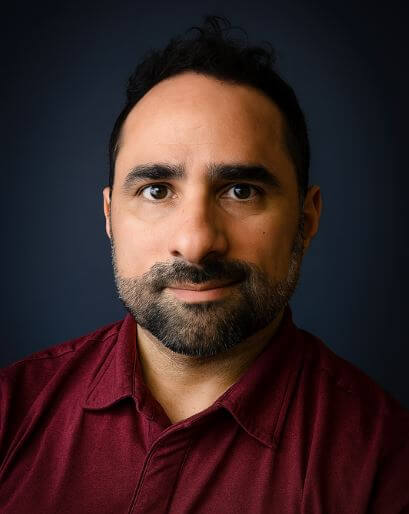 Samuel Nieves (he/they) has a Bachelor’s in Psychology. In 2019, he entered grad school to become a Licensed Marriage and Family Therapist, but left the field after six months of clinical experience. Since 2020, Sam has used his personal, clinical, and educational background to support survivors of conversion therapy. He is a board member of the nonprofit organization Conversion Therapy Survivor Network, where he helps facilitate a weekly survivor support group. Sam uses the online name “CantPrayMeAway” to share his own experiences as a client of conversion therapy and advocates for the end of all conversion practices worldwide.
In this Podcast Episode: Supporting Conversion Therapy Survivors After Chiles v. Salazar
Sam describes what he saw clinically the day the Chiles v. Salazar decision came down, when he ran an emergency support group, and what survivors have been carrying in the months since. The conversation moves through how to recognize a conversion therapy survivor on your caseload (including memory loss and shifting narratives), why validation has to come before strengths work, how to lead with curiosity rather than challenge, and how to spot and name SOGIECE, sexual orientation and gender identity or expression change efforts. Sam and the hosts also sit with why framing these practices as protected “speech” is so invalidating to people for whom words functioned as torture, what licensing boards and clinicians owe survivors, and how Sam keeps doing this work as a survivor by setting hard boundaries around advocacy and making deliberate room for queer joy.
Key Takeaways for Therapists: Supporting Conversion Therapy Survivors, Recognizing SOGIECE, and Responding After Chiles v. Salazar
“These are people who… had an intense training of learned helplessness and self-distrust. We’ve been taught not to believe our own body sensations, our own natural inclinations, our own judgment, our own feelings.”
— Samuel Nieves
- Re-traumatization, not new trauma. The post-ruling spike in distress is survivors re-experiencing old triggers, hearing the same rhetoric they heard in conversion therapy. Naming it as re-traumatization helps both clinician and client respond accurately.
- Validate before you mobilize strengths. Survivors already know how to catastrophize and feel helpless; that is how they survived. Make real space for the pain first, then, when they are ready, move toward realism and the strengths that got them through.
- Expect memory gaps and shifting stories. Many survivors had to forget parts of themselves to survive, so changing or incomplete narratives are a normal trauma presentation. Lean on your PTSD and sexual-violence training rather than treating inconsistency as a red flag.
- Lead with curiosity, not hard challenges. Challenging a survivor’s sense of reality can replicate the conversion-therapy dynamic of overriding their self-trust. Offer tentative, collaborative observations and let the client confirm or correct them.
- Know and name SOGIECE. Sexual orientation and gender identity or expression change efforts is the umbrella research term for conversion therapy. Spotting it and gently naming it can give a survivor permission to finally call their experience what it was.
- Watch for conversion-therapy language among colleagues. Phrases like “same-sex attraction” and a predetermined outcome for a client’s identity are red flags. Affirming, faith-aligned counseling is possible and needed; calling out the language when you hear it is part of the work.
- Sustainability includes queer joy. Intentional boundaries around advocacy and deliberate room for queer joy are not extras; for survivors, for whom joy was once dangerous, they are part of healing and part of staying in the work.
“When speech is the words that are used to harm the most critical part of yourself that you absolutely cannot change, no matter how hard you try, and it’s called torture. Words do hurt.”
— Samuel Nieves
Recognizing and Naming SOGIECE in the Therapy Room
One of the most useful things a clinician can do, Sam argues, is simply carry the lens. Many survivors arrive unsure whether what happened to them “counts,” because their picture of conversion therapy is electroshock and camps rather than the talk, prayer, and pressure they actually experienced. When a therapist can recognize sexual orientation and gender identity or expression change efforts and tentatively name it, that recognition can be the moment a survivor stops invalidating themselves and starts treating their experience as the harm it was.
That same lens matters between colleagues. Conversion-therapy framing rarely announces itself; it shows up as a predetermined outcome for a client’s identity or in language like “same-sex attraction” that Sam notes he hears in conversion spaces but not in clinical or affirming faith communities. The point is not that faith and therapy cannot coexist. It is that affirming clinicians, including affirming Christian counselors, can make space for a client to be queer, or not, without steering, and can name it when a peer is not.
“It’s Just Speech” Misses the Harm
Much of the public conversation after Chiles v. Salazar has treated these practices as a matter of speech, and many people have read the decision as permission to say that queer and trans people are broken and belong in therapy to be changed. For survivors, that framing is not abstract. It invalidates an experience that international human rights voices have described as torture (a specific attribution the hosts flag for listeners to check), and it lands as the familiar message that the harm did not count because it was “just talk.”
Sam is clear-eyed that the implication doing the most damage right now is the suggestion that survivors should go back, that it “didn’t work” because they did not try hard enough. For people without lawyers or advocacy networks, that implication is the injury. Therapists who understand that speech, in this context, was used to harm something a person cannot change can help survivors set the record straight for themselves.
What the Profession Owes Survivors, and How Advocates Stay in the Work
Many survivors were harmed by licensed clinicians, some still practicing, and the paths to accountability are narrow. Sam notes that survivors often prevail in court only on false-advertising grounds, that reporting a former conversion therapist is difficult, and that it can take decades for a survivor to be ready to confront the person who hurt them, which is why advocates are working to extend and ultimately remove statutes of limitations. The most accessible thing most clinicians can do, he suggests, is to learn the language, name SOGIECE when they see it, and call it out among peers.
Sustaining this work is its own clinical question, and Sam answers it honestly. He has had to set firm boundaries around when he advocates and when he is online, because the current climate keeps re-activating old triggers. Alongside the realism, he is deliberate about queer joy, reading, community, and connection that has nothing to do with being a survivor. For clinicians supporting survivors, and for survivor-advocates themselves, the takeaway is consistent with the show’s view of sustainability: acknowledge the real, then intentionally make room for what restores you. Community organizations can hold what a single therapy room, sometimes the very site of the original harm, cannot.
Resources on Conversion Therapy Survivor Support and SOGIECE
We’ve pulled together resources mentioned in this episode and put together some handy-dandy links. Please note that some of the links below may be affiliate links, so if you purchase after clicking below, we may get a little bit of cash in our pockets. We thank you in advance!
- Conversion Therapy Survivor Network (weekly survivor support group, survivor flag, and the International Day to End Conversion Therapy): conversionsurvivor.org
- Samuel Nieves online as “CantPrayMeAway” (primarily TikTok, also on Instagram, Facebook, and YouTube)
- CTSN is “Conversion Survivor” on YouTube, TikTok, Instagram, and Facebook
- The Trevor Project (crisis support; per the episode, their crisis line serves callers beyond youth): thetrevorproject.org
- Born Perfect (the National Center for LGBTQ Rights campaign to end conversion therapy)
- Books referenced by Sam: Shame Sex Attraction by Lucas Wilson and Conversion Therapy Dropout by Timothy Schraeder Rodriguez
- Concepts discussed: SOGIECE (sexual orientation and gender identity or expression change efforts), learned helplessness and self-distrust, solution-focused therapy and ACT, queer joy as intentional practice
Relevant Episodes of MTSG Podcast
- The Lasting Harm of Conversion Therapy: An Interview with Samuel Nieves
- Should Conversion Therapy Be Protected Speech? What Chiles v. Salazar Means for Conversion Therapy Bans and the Future of the Profession
- What Therapists Need to Know to Support the Trans Community: An interview with Artie Hartsell
- Working with Trans Clients: Trans Resilience and Gender Euphoria, An interview with Beck Gee-Cohen, MA CADC-II
- The Practicalities of Mental Health and Gender Affirming Care for Trans Youth: An Interview with Jordan Held, LCSW
- Bi+ Erasure, An Interview with Dr. Mimi Hoang, Ph.D.
- Good Enough, Safe Enough: Affirming LGBTQ+ Clients When You’re Not a Specialist
- Religious Trauma and High-Control Religion: An Interview with Anna Clark Miller, LPC, LMHC
- Navigating Religious Trauma, Spiritual Abuse, and Lies About God: An interview with Dr. Jamie Marich
- Exploring Systemic Trauma and Relational Privilege with BIPOC and LGBTQI Couples: An interview with Akilah Riley-Richardson, MSW, CCTP
- Getting Personal to Advocate for Compassion, Understanding, and Social Justice, An Interview with James Guay, LMFT
- Reacting to Regime Change: How Therapists Can Advocate for our Clients and Communities
Meet the Hosts: Curt Widhalm & Katie Vernoy
 Curt Widhalm, LMFT
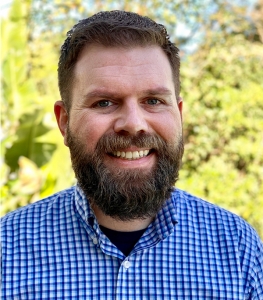
Curt Widhalm is in private practice in the Los Angeles area. He is the cofounder of the Therapy Reimagined conference, an Adjunct Professor at Pepperdine University and CSUN, a former Subject Matter Expert for the California Board of Behavioral Sciences, former CFO of the California Association of Marriage and Family Therapists, and a loving husband and father. He is 1/2 great person, 1/2 provocateur, and 1/2 geek, in that order. He dabbles in the dark art of making “dad jokes” and usually has a half-empty cup of coffee somewhere nearby. Learn more at: http://www.curtwidhalm.com
 Katie Vernoy, LMFT
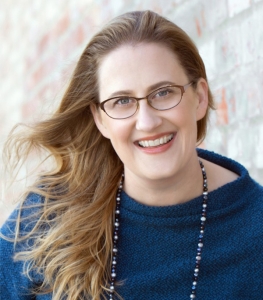
Katie Vernoy is a Licensed Marriage and Family Therapist, coach, and consultant supporting leaders, visionaries, executives, and helping professionals to create sustainable careers. Katie, with Curt, has developed workshops and a conference, Therapy Reimagined, to support therapists navigating through the modern challenges of this profession. Katie is also a former President of the California Association of Marriage and Family Therapists. In her spare time, Katie is secretly siphoning off Curt’s youthful energy, so that she can take over the world. Learn more at: http://www.katievernoy.com
A Quick Note:
Our opinions are our own. We are only speaking for ourselves – except when we speak for each other, or over each other. We’re working on it.
Our guests are also only speaking for themselves and have their own opinions. We aren’t trying to take their voice, and no one speaks for us either. Mostly because they don’t want to, but hey.
Join the Modern Therapist Community:
Podcast Homepage | Therapy Reimagined Homepage
Facebook | Facebook Group | Instagram | YouTube | LinkedIn | Substack
Consultation services with Curt Widhalm or Katie Vernoy:
Connect with the Modern Therapist Community:
Our Facebook Group – The Modern Therapists Group
Modern Therapist’s Survival Guide Creative Credits:
Voice Over by DW McCann https://www.facebook.com/McCannDW
Music by Crystal Grooms Mangano https://groomsymusic.com
Transcript for this episode of the Modern Therapist’s Survival Guide podcast (Autogenerated):
Transcripts do not include advertisements just a reference to the advertising break (as such timing does not account for advertisements)
… 0:00
(Opening Advertisement)
Announcer 0:00
You’re listening to the Modern Therapist’s Survival Guide, where therapists live, breathe, and practice as human beings. To support you as a whole person and a therapist, here are your hosts, Curt Widhalm and Katie Vernoy.
Curt Widhalm 0:15
Welcome back, Modern Therapists. This is the Modern Therapist’s Survival Guide. I’m Curt Widhalm, with Katie Vernoy, and this is the podcast for therapist about the things that go on in our practices, the things that go on in our world. We are capping off a month of talking about Pride, about supporting our LGBTQ+ community. We are fresh off of last week’s episode, where we were talking about the Chiles v. Salazar decision, and the way that that is going to have impacts across our profession. And I am so grateful to be welcoming back Samuel Nieves to be able to help us further on this conversation. One of the things that I dropped into last week’s episode is that therapists might want to consider getting more up to date, more trained on how to work with people who’ve been traumatized by SOCE and SOGIE, and we’re going to talk about all of that, as well as just kind of what Samuel has been up to over the last couple of months since he last joined us. So, thank you so much for joining us again today.
Samuel Nieves 1:17
Thank you so much, a pleasure to be here.
Katie Vernoy 1:19
Thank you for coming back on the podcast. We had planned to put out our interview this month, and they dropped the decision early, so we dropped our episode early, and it’s just such, I guess, sad place, but also a grateful place that we come to this to find out what’s been going on for you and for your organization in the fallout of that decision, but before we get started, I want to give you an opportunity to introduce yourself to folks who maybe didn’t listen to the old episode. We’ll link to that one in our show notes over to mtsgpodcast.com. But if you can let the folks on this episode know who are you and what you’re putting out into the world.
Samuel Nieves 2:00
Thank you so much. Yeah, my name is Samuel Nieves. He, they pronouns. I am a board member and also survivor of conversion therapy. The organization I’m a part of is called Conversion Therapy Survivor Network. It’s a 501 c3 nonprofit nationally, but we actually kind of have a surprising worldwide reach, which has been, I guess, not too surprising. We host a weekly support group, and so I use my clinical training. I’m not currently licensed, but I was trained as a marriage and family therapist, and so from that lens I attend our weekly support group, and we just make space for survivors of conversion therapy to talk, and you know, I guess it shouldn’t be surprising, but when the therapy room happens to be the place where some of your most significant trauma happened, it’s kind of hard to go back into the therapy room, so the support group that our organization offers, at least for me, has has been life changing. That’s why I decided to not just volunteer, but get on the board, because it’s just.. it’s.. it’s so important. So, that’s what I do. I’m on TikTok, I advocate, and we focus on supporting survivors of conversion therapy.
Curt Widhalm 3:14
When the Chiles decision came down, you ran an emergency support group that day and brought people together. I know it’s been a couple of months, and we’re going to talk about what’s been happening in the community at large over the last couple of months, but what do you remember from that day? What did you see clinically? What were people experiencing?
Samuel Nieves 3:35
Yeah, it was rough. It was, it was a bad day, it was a bad week, and honestly, it was kind of a bad month after that. Things have kind of gotten back to the regular awfulness, but it was particularly bad. Unsurprisingly, the most common thing I heard was “I feel numb to everything,” and also “I feel like I’m back in conversion therapy,” and it makes sense. And I was actually kind of worried that we were doing it, because while there was a request for it, and I did think it was needed, I couldn’t help but remember a study about how debriefing after a traumatic event can potentially increase symptoms of PTSD, but it was pretty clear to me that it was the right choice, because we were responding to a re-traumatizing, not a traumatizing event, right. Because when people, especially the public, talk about Chiles v. Salazar, they’re very much talking about the emotional impact, about the confusion of what it means, and making it a catastrophe, right? Or a lot of people will come and validate, hey, yeah, conversion therapy should be a thing we need to fix these broken people, and so no matter what you’re hearing, it’s very, very rare when you hear someone who’s like a lawyer from the Trevor Project or National Center for LGBTQ rights, setting the record straight and saying what the implication actually is. And so, yeah, it does not just feel like you’re back in conversion therapy, you’re literally hearing the same rhetoric, and so it’s very hard to push against that. So if you have a very tough session with your client, where they are absolutely re-traumatized and absolutely re-experiencing their triggers. That’s that’s what the meeting was all over, and for the rest of the week it was just trying to be in community with each other, because we were all feeling it and dealing in the myriad of ways people deal with their PTSD.
Katie Vernoy 5:41
So there’s there’s two elements that it feels like would be relevant for for your experience of of that day, that week, that month, and it seems like there’s the clinical or facilitator elements of running those support groups, and then also that of a survivor. And so what are the things that that therapist should know if they’re entering in a similar situation, where there’s crisis response, potentially support groups, that kind of stuff, as far as how to take care of themselves as facilitators, but also what the experience might be for those who are joining the support groups for needed community,.
Samuel Nieves 6:26
Yeah, and I would always defer to your clinical judgment. Your relationship with your client is definitely something that you know better than I do. But when you’re thinking about conversion therapy survivors in general, I think it’s important to remember that these are people who quite often lifelong, but if nothing else, very specifically in a short period of time, had an intense training of learned helplessness and self-distrust. Right, we’ve been taught not to believe our own body sensations, our own natural inclinations, our own judgment, our own feelings, and so honestly, while it might be counterintuitive, sometimes we need a really healthy dose of realism after we’ve been validated. Because we, we already know how to catastrophize and feel the sense of helplessness, because that’s the way we’ve survived our trauma, so that we don’t get hurt again, already be like, yep, I know I’m broken. Okay, let’s move on. I’m trying, right? And so it can be really helpful to make space for that trauma. And as soon as you see an ounce of, okay, cool, let’s lean into your strengths, let’s lean into the realism here. You’ve survived. How do we get those tools to help you survive again? Because it makes sense that you’re re-traumatized. It absolutely does. What can we do so that you can survive the rest of the day, the rest of the week, until your next session of support group? Right? Like, I think that is why I’m naturally inclined to solution focused and ACT because the problem’s there, right? We know it, we see it every single day, we deal with it. What we need is to find some way to access the strengths that helped us survive conversion therapy and really focus on that, as long as it doesn’t invalidate the person, right, like if they’re not ready to lean into that yet, obviously you know, use your clinical judgment, but as soon as you can, let’s, let’s run right into those strengths, because that is something that we need.
… 8:35
(Advertisement Break)
Curt Widhalm 8:37
There’s a lot of our audience that probably has conversion therapy survivors on their case loads, and may or may not know it. And what are things that those therapists should be watching for that they might miss? And what are some things that well-meaning therapists might miss the mark on as this part of a client’s history is coming out? I’m trying.
Katie Vernoy 9:04
Yeah.
Samuel Nieves 9:04
No, no, that’s good. Like, it’s hard because there’s so many things that I’ve noticed over the years, but what came to mind was, please remember that, I mean, it’s even in our conversion therapy survivor community flag, memory loss is huge, right. There are so many people who had to forget that they were queer in order to survive, right. And so there’s a lot of their experiences that they’re probably going to tell you happened, and they’re only giving you what they can remember right now with what their healing has allowed them to remember. So if their story changes, or if you think I’m not so sure that fits with the rest of their story, or I don’t know what to think. That’s normal, that’s okay, right? A lot of memories can come flooding back, you know, high level of trauma. Use your training for PTSD and for sexual violence training. I would say also remember that we might be highly resistant to you challenging us, right, because with that whole like we’ve internalized that helplessness and distrust, and so if if we feel like you’re challenging our sense of reality and we’re trying hard to like validate that sense of reality, it could be repeating what happened in conversion therapy, and so I know I just said, like, you know, challenge us to lean into our strengths, that’s after you’ve clearly gained a sense of we’re ready for that, and and you can tell that you’re not challenging us, you’re even saying, hey, I wonder if I can call out something I’m seeing, and I could be wrong here, but am I seeing this? Is how’s this feel for you? Right, really lean into that curiosity rather than those hard challenges that sometimes might be helpful for us. I would say usually that’s that’s not a great thing. We usually need to have that validation of you can trust yourself, and I wonder if this is something that might be going on for you. Is that correct?
Katie Vernoy 11:10
It seems like there’s a lot of care and caution that needs to be happening at this time. There’s a lot of confusion, in fact, on what actually is going on, and I think there’s there’s a few different challenges. There’s understanding what actually happened, and we talked a little bit about that in the episode on the ruling, but there’s also the impacts of what people think happened and is happening, and so what are you seeing happen with the conversation in, in the public arena around this, and how is that impacting survivors right now? Because some people think, okay, well, now conversion therapy is legalized, and that’s not what happened. We’ve talked about that. You can listen to that episode that we’ll link to in the show notes, but it seems like there’s a permission given in the public space that feels really harmful.
Samuel Nieves 12:13
Absolutely, I have had to set, at least for myself, very clear boundaries. I’ve been surprised at how much I cannot go online anymore, and unless I’m in the mental head space of all right, I got my advocacy hat on, strength-based, I got this. It’s a precarious place to be online, and we are reminding each other to set up our, our personal boundaries. It, it sucks, because for a lot of us, chosen families, all we have, and how we find them, is online. It stinks, because if you find any type of post or commentary about queer rights in any way, shape, or form, you’re likely going to see conversion therapy rhetoric there, especially if it’s anti-trans. I often do say, you know, not every instance of homophobia or transphobia is SOGIECE, you know, sexual orientation or gender identity or expression change efforts, but gosh, especially today they are often the same. It’s, it’s really hard to parse out when they’re not the same, because usually they very much are now, and they’ve been given permission to do that. So yeah, the public absolutely has been given carte blanche to say that we’re broken, that it’s a mental health disease, that we need to go to therapy. Yeah, and so I honestly can’t go online a lot of times unless I’m in that specific headspace, and it’s, it’s unfortunately the same for many of our survivors. That’s, that’s just the reality of it.
Curt Widhalm 13:48
What are you hearing, or if you’re also comfortable in sharing your own experiences as this carte blanche comes up, as you’re talking about not being able to go into the online space, is there, I guess, fear that this is something that is going to be, you know, continuing to lead to something beyond the narrower decision that we talked about in our episode last week, but is this feeling like it is step one of several coming?
Samuel Nieves 14:24
You know, when I first left conversion therapy, I had to do a lot of things to enter the real world, but one of the things that I watched was V for Vendetta, and I can tell you that scene where the queer couple is put into a concentration camp for being queer, and then I learned that that actually did happen during World War Two. I had this sense that if my conversion therapy was given carte blanche, they would go straight towards that again. So, for me, does it feel like that? sometimes. And for a lot of survivors, especially those who don’t have support, absolutely, their fear will take them there, because we know what that’s like. We know what that type of world looks like, because we’ve, we’ve survived it, and some of us barely, right? I will say, though, for people who typically have support, those fears aren’t necessarily where we go. It’s more just, it’s a lot harder to manage our triggers. You can go to therapy, you can go to support groups, and it, and it can be so hard to be like, all right, I’m not broken, I know myself, I trust myself, and it doesn’t matter how much strength you have when you go into a toxic radioactive environment, there’s still only so much radiation you can get until it seeps into an unhealthy level, and you have to remove yourself. You know, you can try to power through it, but there’s there’s a limit, right, of before those triggers start triggering, and it does feel like you’re back in conversion therapy. So, I would say for me the thing that we’re dealing with, because of Chiles v. Salazar, is that we’re trying to remind each other: I know that it was hard before, and it maybe even looked like you were getting some healing, and now it feels like you’re regressing, you got to have those boundaries of: am I starting to feel activated? Okay, now is the time. I absolutely have to do those grounding things. I have to be vigilant about it, because I can’t just assume that it’s, it’s things as normal anymore. I have to be careful that as soon as I feel activated I need to ground because it’s those triggers that are now being activated over and over and over again and our families are who are not supportive are very much being given the language to put us right back into conversion therapy, and so for those of us who are survivors who do still have some connections to their families, the majority of them are not supportive, and so it’s it’s now ramped up the pressure there too, so they can never get a break, and that’s what a lot of survivors are dealing with.
… 17:19
(Advertisement Break)
Katie Vernoy 17:20
I think the thing that that worried me the most, and it’s from both what it means about our profession as well as what it means to survivors, is that this practice was reduced to speech, and what really struck me as you’re talking is that if we’re if we’re listening to what you’re saying about these impacts, and we’re framing it as this is speech, the horrific little rhyme sticks and stones may break my bones, but words would never hurt me, just comes to mind, and I think there’s, it can really invalidate the experience. And before we hit record, you reminded me and Curt that the World Health Organization has classified this as torture, and it just, it feels so invalidating that this is speech, and so I just wanted to reflect on that first, and maybe you can add your discussion on on the impacts of this. We have a whole episode with you on that, but I think it fits here, because this has been reduced to speech, and it’s not, it’s torture.
Samuel Nieves 18:40
Yeah. I was in Washington, DC last year. We, we had enough donors that we were able to take our board members and some of our volunteers and go to the Supreme Court when Chiles v Salazar was being argued, and we did submit an amicus brief, and our words were heard. Justice Katinji Brown Jackson did reference one of the people in her amicus brief in her dissent. Right, so I have all of this knowledge logically, right, and I’ve talked with NCLR, the National Center for LGBTQ Rights. I was in a meeting with the Trevor Project, right, like I have all of this experience of people saying we got your back. I’ve been on podcasts, I’ve had people reach out to me in DM saying thank you for your work. I feel so much better. I feel supported. Of all people, I feel like I should be one of the strongest survivors who’s got this, who can take the hits, who can keep going. And I couldn’t listen to those arguments, I couldn’t.
Katie Vernoy 19:43
Yeah.
Samuel Nieves 19:44
It was too re-traumatizing, because I was hearing the same rhetoric that I heard from every conversion therapist that I had, every pastor, every family member. Like, there’s.. there’s just a limit, you know. And so you know the neurons that fire together wire together, and those neurons are still there, and you, you can definitely lean into your strengths, and you can, you can temper those so that they aren’t activated as much, right. And I’ve done a lot of work on that, obviously, from what I just described, but humans got their limit, you know, and right now we’re a lot of us are hitting our limits, and I think that is the part that is absolutely being missed in their conversation, is that for survivors who aren’t lawyers or have access to talk to lawyers who have access to to know how to advocate for themselves. It’s the implication that is so damaging right now, because the implication is you should go back to conversion therapy, because it didn’t work and you didn’t try hard enough, and I can tell you, what we’re talking about is the number one struggle that survivors of conversion therapy first have to overcome the second I start working with them, because someone told them something and they realized, I think what I went through might be conversion therapy, and I’m not sure, because I have all these, you know, images of electroshock therapy, and that’s what I think conversion therapy is, right. Gosh, when I hear more stories from conversion therapy survivors, something feels uncomfortable, and I think this might be my experience, too. And they have this huge imposter syndrome, because it was just talk, they just told me, you just need to change. My parents were just, you just need to date more girls, right? Like, it was just talk, but when talk, when speech is the words that are used to harm the most critical part of yourself that you absolutely cannot change, no matter how hard you try, and is called torture. Yeah, words do hurt.
Curt Widhalm 22:10
You have been meeting with Trevor Projects, NCLR National Center for LGBTQ plus rights. What is the. what are the organizations telling survivors? What are they suggesting survivor-serving clinicians to do right now? Because I’m sitting here being an awkward ally, I’m sitting here just trying to be not harmful in all of this, and feeling just the absolute stuckness of everything, and I’m sure that there’s a lot of our audience in the same space, obviously making the space for this, but what should we be doing?
Samuel Nieves 22:59
Thank you so much. I think, for allies who want to get involved, I think there’s just two really important things to do. Know what SOGIECE is, sexual orientation, gender identity, or expression change efforts. That is the umbrella term that you can find in the research. It’s an umbrella term for conversion therapy, right? And if you can just know that term, if you can spot it, if you can call it out, then you potentially can be giving a survivor of conversion therapy the freedom and the validation to finally give it a voice. This is why it hurts so much. Oh my gosh, it wasn’t just words, it was torture. Okay, that makes sense. Now, let’s now let’s lean into these emotions. It brings up other things, right? And for some survivors, they’re not ready for that, right? They don’t want to call themselves a survivor, because that means there was something that was so damaging, I had to survive it, and I have to acknowledge I was in literally proximity with people who aren’t here anymore, because they didn’t survive, right, and that might be too much for them. But for some people just being able to spot it and cautiously be like, do you think this might have been conversion therapy, because I heard this podcast and they were saying, you know, it’s just an attempt to change your expression or change your identity, and that’s under the umbrella of conversion therapy. Do you think this fits? Right, that can be life changing. So, absolutely, feel empowered with that language, use it, look for it, carry that lens, that alone can be super, super helpful, and the other is just know that Conversion Therapy Survivor Network exists, that you can refer people to. And on the call with a Trevor Project, when I asked them, what can we do for survivors? One of the leaders was a lawyer for the Trevor Project, said, “Hey, I know that we target minors, I know that we target our call center is for youth, and, and we clarify, you know, 25 and under, but if you’re a 40 year old conversion therapy survivor and you need support, we will not hang up on you, you call us, we are a crisis line for a reason.” So, the Trevor Project is there, even if you’re not a youth. Conversion Therapy Survivor Network is there for you. Born Perfect is there for you, right? So, there are organizations, and it sucks when you need support right now, but if you want to give to those organizations, if you want to read about those organizations, if you want to read a book, there’s this amazing book called Shame Sex Attraction. It’s a play on the same sex attraction, right? I love it. Shame Sex Attraction, the very first chapter goes into this really in-depth history of conversion therapy, modern, and what it looks like. An amazing chapter, well annotated, like 50 sources, just in that first chapter. And then the rest of the book is people sharing what it was like and actually telling their stories. A second book is coming out, a third book is coming out, and we’ve been asked to share our stories, so we’re participating in that. And then there’s another book, amazing, that just came out, called Conversion Therapy Dropout Network, where you can read about someone who was in the like Changed movement and Exodus movement, and what it was like to be closeted, knowing that it wasn’t working, and then have to come out yourself. So you absolutely, if you want to read books, there’s some books for you. If you want to give money, there’s the organizations for you. But if nothing else, just start seeing it, and don’t underestimate the power of validating a survivor, because they probably have a very long history of invalidating everything about themselves, and you validating it for them, I tell you, the first time a therapist heard I was in conversion therapy, and it’s like, well, now conversion therapy, so who knows, maybe that’s what I’m dealing with, right, not thinking anything about it, because, yeah, it’s just my life, when she paused, and she like had to compose herself and say, okay, okay, thank you for disclosing that. And she treated, treated it like I just told her I had been through torture. Oh, shoot, it was right. That gave me permission to treat it the way it deserved to be treated. No one had done that for me before. So that’s incredibly empowering. Just know that you can see it and validate it for other people. That’s actually really helpful.
… 27:42
(Advertisement Break)
Katie Vernoy 27:45
Many conversion therapy survivors were harmed by licensed clinicians, some who are still practicing. What do you think the profession owes survivors right now?
Samuel Nieves 27:59
Yeah, I mean, if I were to wave a magic wand and all therapists in the world were to tailor conversion therapy survivors, I would say survivors would call on their licensing boards and their organizations that they’re part of to make it super easy to report our conversion therapist. Right now, it’s incredibly difficult. The only way we tend to win our cases in court is by using false advertising, right? And we have to find some way to prove, well, they told me I could be straight, and it doesn’t work, so false advertising, right? Like, that’s been one of the few ways we can win our court cases, right? And so you have to rely on them being bold enough to actually say what they’re trying to do, rather than, well, I mean, we just want you to lean into your identity as a child of God, that’s all we’re doing, you know. And then it’s not as blatant, um and I would say that really is it. Call on your use what we just talked about, you know? When, when you talk about a Christian counsel, there are some Christian counselors who are pretty amazing, where they do lean into, like, hey, maybe you’re a queer Christian, or maybe you’re not queer. I don’t know. Let’s make space for all of it. I’m not going to have a predetermined outcome for you, right? And it’s not a challenge to their faith. We need more Christian counselors who are like that. But so often Christian counselors will have a predetermined outcome, and they’re not making space for that. And then it does turn in to conversion therapy, and so I would say, if you, if you hear your fellow clinician talking about that, please remind them you can be an affirming queer Christian who’s also queer. You don’t have to use that language as a way to say, and you have to tamper down your same-sex attraction. Even using the term same sex attraction, I’m sorry, I only hear that in conversion therapy spaces, I don’t hear that in clinical spaces, I don’t even hear that in queer affirming Christian spaces. They just call themselves queer or gay, right? And that is not an affront to their religion or their faith. Using the language of same-sex attraction. I really hope you call out each other. Is that conversion therapy language? Because that’s what I’m hearing, and I think that’s powerful. Because in the, let’s, let’s talk about court cases. The Colorado court case prompted the NCLR and Trevor Project to push legislation that changed the law, so now it is more neutral to viewpoint, because there’s no quote predetermined outcome, and so now we can have our court case protecting conversion therapy survivors, and they recognized, and in that meeting I was with them, they also called out, we recognize that conversion therapy survivors are very unlikely to call out and immediately take their, their therapist to court, like, what, what, what survivor of any trauma is going to be like, all right, I’m so empowered now, and I’m so healed, I’m ready to confront the person who hurt me. No, it’s going to take years, and so they increase the statute of limitations, and our goal is to remove statute of limitations. I work with survivors who, you know, 40 years ago was their conversion therapy, and they’ve just kind of stuck with it, and only now are healing. It can take a lifetime, so we let’s remove those statute of limitations, but for waving the magic wand, just call out your fellow therapist, use that term, SOGIECE, and just name it when you see it.
Curt Widhalm 31:48
Earlier, you were talking about your preferred ways of looking at things and solution focus and ACT. How do you take that approach when the cause of the trauma, the cause of all of the stress, is the very systems themselves. There doesn’t seem to be a lot of personal control over a lot of these systems themselves. So, how do you take that attitude into the work that you’re doing?
Samuel Nieves 32:21
Yeah. Survivors have responded really well to a change in how we do things. We meet for 90 minutes each week in our support group, and we do make space for literally all of it. Maybe a little warning to your clinicians, if you ever want to trigger or have a very lively conversation with a conversion therapy survivor, ask them about the topic of forgiveness, or what have you lost because of conversion therapy. You will get an earful, but we do make space for literally anything that comes up, no matter how deep and painful it gets, and then last 10 minutes of our session, or whatever we need to do, no matter how real we have acknowledged the pain is, we absolutely intentionally make room for queer joy. What are you doing to support yourself? These were a lot of really rough things you just talked about. We all share them, we all understand them. They’re our lived reality. Now what? And it’s that “now what?” that I think we forget to ask ourselves, because we’re so steeped into that, like you talked about lived reality of it’s all day, every day. And so setting up those boundaries, creating that intentional, okay, I’m now going to give myself some queer joy. I’m going to read those queer books. I’m going to watch those queer shows. Now I’m going to watch Heartstopper and say this wasn’t my reality, but boy, what I loved – would love Heartstopper to have been my, my youth experience, right? Intentionality on queer joy has been very healing, specifically for conversion therapy survivors, because for us that was dangerous, right? There are many of us where even dating is triggering. We know we’re queer and we want to date, but gosh, it’s just like the things that come up in your body just because you were told you went through steps to demonize even the thought of kissing someone or leaning into your queerness, that can actually be a trigger for you now, but somehow you have to work through that. So, whatever works for you with your level of queer joy, being very intentional about that. I think that’s why Solution Focus and ACT works, for at least the way I do things, is because we acknowledge the hard stuff, we accept it. It’s, it’s our lived reality, like, into to pretend that the world is, is, is queer accepting is, is absolutely not our lived experience. Okay. Now, what? Let’s, let’s get those, let’s get those strengths, let’s get those solutions, because that’s really what we need.
Katie Vernoy 35:01
You took a whole day off your regular job to hold the community. You run the Survivor Network on the side. You’re doing survivor work as a survivor in a political moment that keeps re-injuring the people you serve. How are you taking care of yourself?
Samuel Nieves 35:20
Uh. Ask me in five minutes, right? Just because I always like to lean into realism before I also then lean into what I could do about it. Every single advocate that I know is trying actively, trying to manage their burnout actively. So what I’m doing right now, in this very moment, I’ve made sure that I do not advocate unless I have a very specific set time. I am not reminding myself that I’m a survivor and that I’m fighting this system unless it’s this block of time for these many hours, and I know that it’s it, you know, I can see something on Facebook, or I can have an idea on a book that I’m reading, but I have to be intentional about it, otherwise I’m gonna feel like I am trying to bail out a sinking ship with a thimble, right? Like I cannot feel that. So I’m being very intentional about it. I’m also being very intentional about my queer joy. I am reading queer books. I am rereading every single book in the Murder Bot Diary series, because boy is that neurodivergent and queer, and yeah, and yeah, I am rereading it. I am sharing these books with my, my survivor friends, and I’m just reaching out with my survivor friends and checking in, and we’re talking about things that have nothing to do about being a survivor, right? And we know that we met through the group, and you know, we get it, but we’re talking about other things, and that is incredibly healing. So, that’s that’s what I’m doing.
Curt Widhalm 37:12
Wanna thank you so much for joining us once again today. Where can people find out more about the work that you’re doing, and how to support you?
Samuel Nieves 37:23
Yeah, thank you. Conversion Survivor is our tag everywhere. So, on our YouTube, if you want to watch us talking with a survivor who has a legal background, we’re analyzing every bit of the case. So, YouTube, TikTok, Instagram, Facebook, everything is at Conversion Survivor, that’s where CTSN is. Me personally, my handle is Can’t Pray Me Away. I’m mostly on TikTok, because it is a lot to be on every platform, and as you said, it’s all volunteer. We’re not paid. So yeah, conversionsurvivor.org is a great place to go. You can see our flag, you can see the things that we’re doing, you can see that we created with other worldwide organizations a flag and International Day to End Conversion Therapy on January the seventh. So everything that we do can be on conversionsurvivor.org. You can donate, you can, I guess. The other thing that I haven’t mentioned yet, if the person you’re working with feels seen by that label of Conversion Survivor, also let them know there’s literally a flag, right? There’s a lesbian flag, there’s a bear flag, there’s a gay flag, like all of our sub-communities, there is literally a flag for us, and the queer joy that survivors have loved: buying the pillows, buying the flags, buying the shirts, and then just wearing it, and then having this pride in, “I survived, I survived.” And look at the stats, like there’s research going as high as 44% of the queer community is in some way, shape, or a form a survivor, so it is a thing to be proud of. So, conversionsurvivor.org is where you can find us. Your donations are very welcome and appreciated. And if nothing else, please just start seeing it.
Curt Widhalm 39:17
Can you tell us a little bit more about what your donations go to, and why it’s so important to support organizations like this?
Samuel Nieves 39:27
Yeah, ironically, one of the biggest struggles we have is we’re less known. People don’t know that there’s a support group where you can literally be in a room where people will nod their head to everything you talk about, because they have lived it. They know absolutely what it’s going through, and so some of the best ways that we found to have publicity is to go to Pride events, and those are expensive, and then it’s emotionally taxing, and then, if we don’t happen to have survivors who know about us yet, who can man the booths, then that means we have to go, and then we have to pay our own way, and really hope that we can fund enough to reimburse us, right? So, besides just our weekly costs, our insurance costs, all of our costs of just having the organization to run, publicity is the biggest need that we have, and that costs a lot of money, and hopefully when we can get as big as the Trevor Project, there are huge needs. Our survivors are disproportionately likely to be homeless, disproportionately likely to lose their jobs, disproportionately likely to deal with so many things that they need actual real therapy, but can’t afford it, right? So there’s so many needs that we just simply can’t address because we can’t fund them, and it would be nice to be able to send free books, send free flags, and then eventually give them actual real therapy by therapist that we vetted, but just all of that takes time and management, and there’s.. it’s just too much to do.
Curt Widhalm 41:07
We will include links to all of Sam’s stuff in our show notes over at mtsgpodcast.com and follow us on our social media. Join our Facebook group, the Modern Therapist Group, to continue on with this and other conversations, and until next time, I’m Curt Widhalm with Katie Vernoy and Samuel Nieves.
… 41:27
(Advertisement Break)
Announcer 41:28
Thank you for listening to the Modern Therapist’s Survival Guide. Learn more about who we are and what we do at mtsgpodcast.com. You can also join us on Facebook and Twitter, and please don’t forget to subscribe, so you don’t miss any of our episodes.




SPEAK YOUR MIND