

Is Independent Private Practice Sustainable? Data on Caseloads, Insurance & Income – An Interview with Lindsay Oberleitner, PhD
Independent private practice has long been framed as the path to autonomy, flexibility, and professional freedom. But in today’s shifting healthcare landscape, the real question is financial sustainability.
In this episode, Curt and Katie sit down with Lindsay Oberleitner, PhD, Head of Clinical Strategy at SimplePractice, to examine national data on caseload trends, insurance participation, access to care, and burnout. Together, they explore whether independent private practice is truly viable long term – and what therapists need to understand to remain financially and professionally sustainable.
Drawing from the SimplePractice State of Private Practice report, this conversation moves beyond anecdotes and into the structural realities shaping independent private practice today and in the years ahead.
Click here to scroll to the podcast transcript.Transcript
(Show notes provided in collaboration with Otter.ai and ChatGPT.)
About Our Guest: Lindsay Oberleitner, PhD
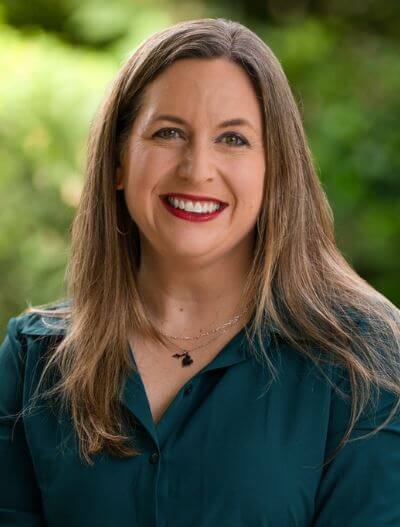 Lindsay Oberleitner, Ph.D., L.P., is a licensed clinical psychologist and Head of Clinical Strategy at SimplePractice, where she applies evidence-based practices to drive strategic clinical decision-making and advocate for mental health providers. Throughout her career, she has worked at the intersection of addiction, chronic health conditions, and the criminal justice system, underscoring her passion for advancing interdisciplinary training and collaboration. Her academic background includes a Ph.D. from Wayne State University, a postdoctoral fellowship and faculty role at Yale University School of Medicine, ongoing leadership positions on the American Psychological Association’s Continuing Education Committee, and publishing over 40 peer-reviewed articles.
In this podcast episode: Financial Sustainability in Independent Private Practice
We dig into the numbers behind independent private practice and ask the question directly: Is this model financially sustainable?
They explore:
- What percentage of outpatient behavioral health care is delivered through independent private practice
- Why some clinicians are experiencing declining caseloads despite high demand for mental health services
- Trends in insurance acceptance and what they suggest about economic pressures
- What typical full-time caseloads look like for independent practitioners
- How reimbursement rates influence livable income
- The real costs of running a private practice, including health insurance, liability coverage, and administrative overhead
- Why burnout cannot be solved by individual self-care alone
Key Takeaways for Therapists Evaluating the Financial Sustainability of Independent Private Practice
“Many people find their caseload year over year going down… many people are looking to increase caseloads, and they’re having difficulty doing it.” – Lindsay Oberleitner, PhD
Even in a climate where millions of people who need behavioral health services are not receiving care, some independent practitioners are reporting shrinking caseloads. The data suggests a structural mismatch between available providers and client access.
Financial sustainability is no longer guaranteed simply by opening a private practice.
- Visibility and referral pathways matter more than ever.
- Larger, well-funded platforms may dominate online search and marketing spaces.
- Independent clinicians must think strategically about how clients find them.
“If their rate is lower, it takes a lot more to manage… it takes a lot more to actually sustain what you need as a livable wage.” – Lindsay Oberleitner, PhD
Caseload expectations shift significantly depending on reimbursement rates and payer mix.
- Many full-time independent practitioners cluster around roughly 20 sessions per week.
- Lower reimbursement often pushes clinicians toward 25–30+ sessions to maintain income.
- Nearly half of independent practitioners report accepting some form of insurance and that number is increasing year over year.
- Costs such as private health insurance, liability coverage, and administrative expenses significantly affect take-home income.
Independent private practice can be financially sustainable, but it requires thoughtful decisions about rates, caseload structure, insurance participation, and practice infrastructure.
Independent Private Practice Is Not Peripheral – It’s Foundational
One of the most surprising findings in the data is the scale of independent private practice.
At minimum, 3% of the U.S. population receives care from independent practitioners annually, representing roughly 15–20% of outpatient behavioral health services.
Independent clinicians are also deeply embedded in rural and underserved communities, challenging the assumption that private practice is limited to affluent urban areas.
Independent private practice is not a fringe model. It is a critical part of the behavioral health care system.
Burnout and Sustainability: Individual vs. System
Burnout remains high among therapists. But as Lindsay notes, sustainability cannot be reduced to individual self-care.
Sustainable independent practice requires:
- Alignment between values and practice structure
- Strategic use of technology and referral systems
- Awareness of structural pressures within healthcare and insurance systems
- Intentional choices around caseload, community connection, and scope of practice
Financial sustainability and emotional sustainability are closely connected.
Resources on Independent Private Practice Sustainability & Data
We’ve pulled together resources mentioned in this episode and put together some handy-dandy links. Please note that some of the links below may be affiliate links, so if you purchase after clicking below, we may get a little bit of cash in our pockets. We thank you in advance!
- SimplePractice State of Private Practice Report (is not out yet, but here is the link to Lindsay Oberleitner’s video about it on the SimplePractice website)
The clinical lens with Dr. Lindsay Oberleitner - SimplePractice website: www.simplepractice.com (Or to get our special offer with them: simplepractice.com/therapyreimagined)
Relevant Episodes of MTSG Podcast
- The Business of Therapy: Surviving Economic and Industry Disruptions
- Interpersonal Branding – Therapist Marketing That Aligns With Who You Are: An interview with Carrie Wiita
- How Do Therapists Get Paid?
- What is Working Now in Online Marketing: An interview with Katie Read
- Making Sense of Insurance Billing and Client Referral Services for Therapists
- Building Your Treatment Team in Private Practice: Essential Networking Skills for Therapists
- Private Practice Planning for the Future of Mental Healthcare: An Interview with Maureen Werrbach
- Beyond Reimagination: Improving your client outcomes by understanding what big tech is doing right (and wrong) with mental health apps
- The Sky is Falling: How Therapists Can Protect Our Industry, Patient-Centered Care, and Our Businesses, An Interview with Dr. Ajita Robinson
- Should Private Practice Therapists Take Insurance?
- Why YOU Shouldn’t Sell Out to BetterHelp: An Interview with Jeff Guenther, LPC
Meet the Hosts: Curt Widhalm & Katie Vernoy
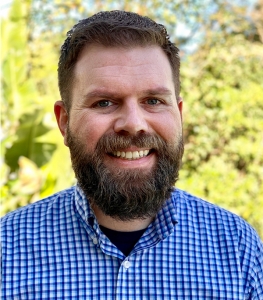 Curt Widhalm, LMFT
Curt Widhalm is in private practice in the Los Angeles area. He is the cofounder of the Therapy Reimagined conference, an Adjunct Professor at Pepperdine University and CSUN, a former Subject Matter Expert for the California Board of Behavioral Sciences, former CFO of the California Association of Marriage and Family Therapists, and a loving husband and father. He is 1/2 great person, 1/2 provocateur, and 1/2 geek, in that order. He dabbles in the dark art of making “dad jokes” and usually has a half-empty cup of coffee somewhere nearby. Learn more at: http://www.curtwidhalm.com
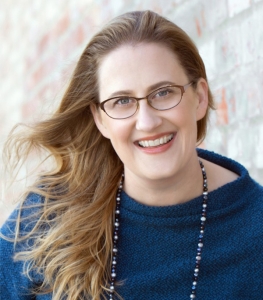 Katie Vernoy, LMFT
Katie Vernoy is a Licensed Marriage and Family Therapist, coach, and consultant supporting leaders, visionaries, executives, and helping professionals to create sustainable careers. Katie, with Curt, has developed workshops and a conference, Therapy Reimagined, to support therapists navigating through the modern challenges of this profession. Katie is also a former President of the California Association of Marriage and Family Therapists. In her spare time, Katie is secretly siphoning off Curt’s youthful energy, so that she can take over the world. Learn more at: http://www.katievernoy.com
A Quick Note:
Our opinions are our own. We are only speaking for ourselves – except when we speak for each other, or over each other. We’re working on it.
Our guests are also only speaking for themselves and have their own opinions. We aren’t trying to take their voice, and no one speaks for us either. Mostly because they don’t want to, but hey.
Join the Modern Therapist Community:
Podcast Homepage | Therapy Reimagined Homepage
Facebook | Facebook Group | Instagram | YouTube | LinkedIn | Substack
Consultation services with Curt Widhalm or Katie Vernoy:
Connect with the Modern Therapist Community:
Our Facebook Group – The Modern Therapists Group
Modern Therapist’s Survival Guide Creative Credits:
Voice Over by DW McCann https://www.facebook.com/McCannDW/
Music by Crystal Grooms Mangano https://groomsymusic.com/
Transcript for this episode of the Modern Therapist’s Survival Guide podcast (Autogenerated):
Transcripts do not include advertisements just a reference to the advertising break (as such timing does not account for advertisements)
… 0:00
(Opening Advertisement)
Announcer 0:00
You’re listening to the Modern Therapist’s Survival Guide, where therapists live, breathe and practice as human beings. To support you as a whole person and a therapist, here are your hosts, Curt Widhalm and Katie Vernoy.
Curt Widhalm 0:15
Welcome back, modern therapists. This is Modern Therapist’s Survival Guide. I’m Curt Widhalm with Katie Vernoy, and this is the podcast for therapists about the things that go on in our practices, the things that happen in our profession. And today we’re zooming out. We spend so much time in the four walls of our offices or the four corners of our telehealth screens that it’s easy to lose track of the bigger picture. Are we a dying breed of solo practitioners, or are we the backbone of the entire mental health system? And to answer that, we’ve brought in Lindsay Oberleitner. She is the head of Clinical Strategy over at SimplePractice, and she’s here to walk us through all kinds of data to really look at quantifying the massive footprint of how we practice. And so we’re talking about really the reality of being a practitioner here, and why this might be really helpful as we look at going into the next five years. And so Lindsay, thank you so much for joining us and sharing your expertise with us.
Lindsay Oberleitner 1:24
Thank you so much for having me excited to be here.
Katie Vernoy 1:27
I’m really looking forward to this conversation, but before we jump in, I’m going to ask you the question we ask all of our guests, which is, who are you and what are you putting out into the world?
Lindsay Oberleitner 1:36
So I would say at the very first level, the most important thing to me is I’m a mom to three amazing boys. I’m married to a psychologist, so lots of deep psychology talk in this home. I am a clinical psychologist by training, and I am the head of Clinical Strategy at SimplePractice. But I guess the things that kind of drove me to SimplePractice are important in who I am and how I see the world and where I can have an impact, which is I deeply believe in the ability for change. It’s what drove me to the field. I believe that the important thing is like, where we can actually support others in making change, and at what levels we have to do it. That, you know, change, in my perspective, happens at the intersections there’s I historically, a lot of my clinical work has been at the intersection of addiction and chronic pain and justice, because I was like, I can’t do one without the other. The intersections are where change can happen. But then across my career, what I realized is, because I care so much about how do we impact that, I needed to sometimes move up systems. I started with a training and community psych too, which makes me really think about like, where are we as a system, and how do we influence. If we have the voice, if we have the role, to be able to do it, how do we support those who need it. And over time, I realized that as much as I care deeply about those clinical areas and still practice, I also care about supporting kind of as a field where we grow, where we can support change, where clinicians ourselves need the support for change to happen from the larger systems too. So that’s I think, in as a whole, I, I take each step in my career to say, like, where, where does the change need to happen? Where is the power right now? And if you have a chance to have that voice, where can you make some influence?
Curt Widhalm 3:34
There you’ve been doing research on the state of private practice. Can you first talk to us about why it was important for you to do this research?
Lindsay Oberleitner 3:44
I love that question for so many reasons. But I’ll say the biggest thing that drove me is I, in the past, have worked in academic medical settings. I ran a clinic through a community mental health center, and I had an independent practice, and still do. And I think that one of the things, when I reflect back across my career, is we had a voice in academic medicine that people saw, there were reports, there’s data, there’s publications, people saw the impact, and the same, even though underfunded community mental health. There is a voice, there is an impact. There’s unifying structures that kind of bring out the data and show us what impact it’s having on the broader communities. And I think the thing that I realized over time is there’s not a huge organized voice to show where that impact is in independent practice. And there aren’t a lot of ways in which that voice kind of gets raised up to show, like, here’s the power of independent practice. We know it, but it isn’t always seen. And you know, like I said, it’s these intersections, right? Even if we’re independent ourselves, we connect with systems like we might connect with the health system for referrals. We might connect with payers, we may we intersect with lots of other systems. And being able to have this kind of shared understanding of like this is the impact. This is huge, and knowing that that also sometimes that visibility of that impact is what brings the resources and attention back. So I’ll give the example we’ve been working on also a publication, just like, what’s the review of the literature in independent practice? I was stunned by how few studies focused on independent practice at all. I mean, like, we can count them on our hands, and that lack of kind of information out there in the field, when it’s such a core part of practice and such a core part of what so many of us in the clinical profession aim for, and not having that data, not having that voice, not having honestly, also clinicians having access to data of like, what does the person in the state over from me? What does their practice look like? How do things differ across different setups of our practices? And you know, what, what am I if I think of myself as part of this broader, independent and private practice community? So it’s kind of for everyone in that way.
Katie Vernoy 6:24
And it seems like the the term independent practice to make sure we’re all on the same page, it seems like that becomes pretty muddy as well, because there’s folks who might have a private practice who are also working for a big kind of therapist mill, for lack of a good, term for it. And so there’s, there’s a lot of complexity I would imagine in trying to sort through, what does it mean to be an independent clinician right now? And so maybe you can speak very briefly, because I want to get to the results here, that’s the research that you did. But, but when you say independent practice, who are you talking about?
Lindsay Oberleitner 6:59
Yeah, I love that question. I do. I agree. It’s muddy, right? Because part of it is our own ownership when we’re in practice. Of like, is this what I identify? Am I independently practicing? But we’re talking about an independent practice really, those individuals who are not part of a larger system. They’re running their solo or small group practice, and they’re running it on their terms. And I believe deeply in being able to support that that is where you can engage in the practice that you clinically believe in. The administrative procedures you think are right for your clients. And that independence from that oversight of a broader kind of community is that independence. And of course, some people can be in private practice and be independent, but use other systems in ways, right that that they choose because it’s a fit for them, but they’re still choosing what parts of those pieces they are engaged in and what parts they are not.
Curt Widhalm 8:00
So as we’re getting into some of your findings here, what are these takeaways that you’re hoping clinicians walk away with?
Lindsay Oberleitner 8:09
Yeah, I think I mean at the highest level, one of the things that I would say is we often think about again, like I said earlier, we hear how many people seek care through these big systems, but there’s very little reflection on like, what is the size and impact on the community across the United States of independent, private practitioners. And I think one of the things that strikes me the most, again, at the highest of the levels is when we see the number of individuals uniquely treated across independent practices is making up a large percentage. So one number I’ll share is 3% of the population has seen someone in independent practice at a minimum. And if we think about how many people seek care each year, that makes up probably somewhere between 15 and 20% of how many people are seeking outpatient behavioral health. This is a huge portion of care that happens in the United States that has very little recognition externally. Again, as a as a community, we know the impact that’s being had, but it doesn’t always get seen, because, again, there’s not those data points. There’s no single system when I think about, you think about, you know, there, there’s data sets about Medicaid usage, there’s data sets about different areas that you can you can get estimates from data about what percentage of people seek care, but there’s no source that kind of brings those data points together so that we can get a real sense. And I think that’s the real one of the big pieces of real power here is seeing that huge impact. I mean, when we think about that number, it really struck me.
Katie Vernoy 9:59
So, almost, or potentially up to 20% of clinical care happening in the United States is happening by folks in independent practice. So that’s, that’s a good, hefty number. What else can we learn about that percentage of the population of both clinicians and mental health seekers.
Lindsay Oberleitner 10:21
Yeah, I think a lot of things when we think about practice setup, have we noticed changes over the years. So for example, I won’t date myself too much, but it’s been some years since I finished grad school and got licensed, but it was really common that you went through kind of different many people went to different systems to begin their career before they moved to private practice. What we’re seeing, one example is that people are much more likely now than in the past, to go straight to private practice. To know like this is the path, and I have systems that I can use and rely on that I don’t need to make that step if it’s not what I want right as my primary step. Whereas I found Community Mental Health actually very fulfilling, that’s not everyone’s path, that that’s where they want to be. And we do see those transitions of people much earlier in their in their career, much earlier in that first step of licensure, actually starting their own private practice. I also think some interesting things about, you know, we hear in the US time and time again about the shortage of mental health providers, and by all means, we have needs that are unmet, right? 50% of people don’t get care who need it in any given year for various reasons, but care is on those needs are unmet. But what we also see is that’s not consistent across all clinicians. In fact, many people find their caseload year over year going down, not all, but a sizable number. And you know, one of the questions when I see something like that is like, is it intentional? And sure, some portion of that was intentional, but many people are looking to increase caseloads, and they’re having difficulty doing it. And I think, you know, without being able, we can make a lot of assumptions about where this happens, but I think what we’re seeing is there’s big names with lots of money and marketing behind them that can get out in front of people seeking care. And there’s a real mismatch between who is available and ready and specialized in an area and who gets seen and who can get searched for and get matched up. And that’s a real strain on both seekers, but a strain on clinicians too, to have to think through that much of our work and energy going into, how do we reach the people who need us, who we want to work with, right? And seeing those numbers go down, small but meaningfully go down year over year, knowing in surveys that many people are like, actually, I do want to increase my caseload. This isn’t intentional. I want more. Is a really hard thing when you see that that true mismatch in the system.
… 13:08
(Advertisement Break)
Curt Widhalm 13:09
What does this mean for clinicians who are practicing and how are they responding? Or how would you expect people to respond to this when it’s not just you, you listener here, but it’s everybody. This is large data that this goes beyond your anecdote into national trends.
Lindsay Oberleitner 13:30
Yeah, and, you know, I think some of the things about what we can do with numbers like this is, you know, I’ll add a couple other interesting things, because I think it ties into the answer of what we can do with it. Those shortages are more extreme. We hear time and time again for youth, those under 18, getting access to care. And I’ve had to find care for my own child that was hard to find, as a clinician who knows systems, finding that connection. But in private practice, I mean, we’ve seen 42% are saying, Yes, I see, I see individuals under age 18 in the group that we had looked at and surveyed. And I think it’s meaningful that that’s there. We often hear things like, find your specialty and get it out there and find your niche and make sure that it’s clear. And I think that’s really important and solid advice. But when I look at some of these pieces, I think it goes beyond that and it involves this is when it goes back to that system of like, Where does the system support you getting that info out? So me making my own website and having that stay there without doing outreach to people I know locally, without having the ability to connect into systems that can promote where I want it promoted within my control. Without having that it doesn’t, it doesn’t win out over the rest of the noise, right? And I think I raise that as I see it both as a clinician and as someone who’s had a hard time connecting a patient, a family member, a loved one with the right care. So I even sit in this space where I’m like, this is hard. It’s a hard problem to solve. How do we raise up those individuals, right? How do we as a community, and I mean this broadly, find those ways to actually support those who want that message out. Like I’m accepting, I am open. Here’s what I do. Here is my niche. You need that as the baseline, but you need those systems that help also promote and support that baseline.
Katie Vernoy 15:37
So you’re putting forward that part of this is a lack of awareness, right? There are clients there that would come to practitioner A, but practitioner A is hidden amongst the you know, Better Helps whatever, right? The ones that you can’t say, but I can say, because it’s fine. But like the the ones that are stealing all of the SEO juice, they’re stealing all of the ad dollars, you know. And that stealing is the wrong word, but they’re they’re taking so much of that space on the internet that us doing our normal stuff isn’t working. So part of it is, if they just knew I was here, you know, or that new practitioner, A was there, they would have all the clients they need. And I agree. I agree. I think that is part of it, but I think there’s also this pricing mismatch and the insurance issues, and so I don’t know if your your research went into that at all, but I would love to hear what you’re finding. If that’s that’s relevant to this conversation.
Lindsay Oberleitner 16:33
I think it is really I think that’s a great point, and something that we’re looking into as well, which is what we’ve also what we can also see is the number of individuals in independent practice who are taking insurance is also going up year over year. So as we see that difficulty with being able to kind of get access, get seen, get connected with those who need care, right? We also see that many people are like, maybe part of the answer is actually engaging in more payer contracts, whatever it might be, picking and choosing which pieces work best. But this is a way and you know what we have found in the past is many people’s rationale, many clinicians rationale is exactly that, like, I need to find a way to make it more accessible, to be able to be seen, to be able to make care accessible in a way that people can afford my care. And I think this is uniquely placed depending on where your where your specialty is, who you’re focusing on, your community, and where you’re based, and where you’re trying to build as well, right? So, whereas we can see there are many individuals who maybe are in a very metropolitan area, serving the very metropolitan region, who are like private pay brings me in kind of all the clients I need. That may not be true, right in all spaces. It’s not often true in my space, right, of addiction and criminal justice, and in thinking about groups that really insurance coverage is a key point of access. So like also, how do you share that info, right? And how do you get that accessible? How do you think about the many ways in which you can do that? Of course, some people choose through out of network support. But again, when we’re looking at nearly, nearly half are accepting some level of insurance now, not even out of network, like truly a network and independent practice. That’s a big area of growth year over year. And it doesn’t look like it’s something that’s slowing down in any way. And I think this is a big driver of it.
Curt Widhalm 18:37
What have those in network numbers looked like before?
Lindsay Oberleitner 18:41
Yeah, so the growth is small but consistent, right? So it is a few percentage points that increase kind of year over year. You know, in this report, we were really just looking at what was the difference from 2024 to 2025 so what was the growth most recently? But I can say, speaking outside even of the report of what we see is it’s more than that. It was once lower, much significantly lower. You know that it’s in the 30%, then it’s in the 40% and it’s growing and growing steady, small, but growing. It is not consistent across all types of practices. And it’s not that growth is not consistent across all license types, but it’s there, and it’s steady. And I think this I balance with the fact that insurance, and one of the things we hear in this, in a survey we conducted too, is insurance is hard to take, right? It’s hard to maintain all of those pieces, it’s hard to stay on top of shifting requirements that even stretch into clinical practice. As as a Michigander myself, there’s been a lot in the news about some of the shifts in some of the payers, you know, within our within my own state, and you know how you can use a certain diagnosis and what’s covered, and those, those things are hard, both because they’re hard when you believe differently and you have clinical expertise that disagrees, but it’s also just hard to stay on top of. So that desire to increase the taking insurance is not met with lack of stress and lack of pain in doing it.
Katie Vernoy 20:23
It seems like during the pandemic, almost everybody that decided they wanted to go into private practice could put up a virtual shingle get started very quickly, and maybe didn’t have all the clients they needed. But it certainly felt like it. I certainly my caseload was way higher than I wanted it to be at that time. And that’s obviously shifting as the economy shifts, as people start, you know, when we started going back in person, there’s, you know, folks that are 100% virtual still, or some people have gone back into the office 100% or there’s a lot of us that are hybrid. And it seems like what a an independent practice looks like right now is very different than what maybe felt like it was promised during the pandemic. And so what are you seeing as how you know, kind of, what is the the potential for income, what is the potential for caseload, like, what are you seeing as far as, what’s what the averages are? And obviously, I know this is dramatically different for those of us in California versus those of you Michigan, but, but what is actually, what can people actually expect or look look toward when they’re wanting to set up an independent practice, or if they’re wanting to sustain an independent practice.
Lindsay Oberleitner 21:47
So I think I mean amazing question, and so important, because this is part of like, how do you judge like, what, what am I actually expecting? Right myself, from history and community mental health, those days were very different than what you can sustain on your own right, a 50 client caseload isn’t exactly what you can manage when you’re thinking about follow ups and all the documentation, all the billing on your own right. It’s a different world. So when you’re when you’re thinking about that and being able to make those judgments, I think this is really important. And we, you know, one of the things that I do want to say in this is, there’s so many different ways before I can even answer the like, if we think about full time, is there’s so many ways to be in private practice, and in that so many ways, you know, some individuals are still working at a hospital system, and they have a true private practice that they’re maintaining that looks very different in practice than someone who’s doing this as their full time, right? So I’ll answer the question a little bit more in the full time range when we’re breaking down those things. But, you know, we see that that that range is probably, I mean, there are a whole lot who tend towards kind of, this is part time. This is part of what I do, or I’m doing this, but it’s not really meant to kind of build my full kind of income and support. So if I were to think about that kind of primary audience of you know, who’s doing full time practice, and seeing this as their full time income, we do see big differences in caseload when we think about who is doing solely private pay, right? That is different if you’re thinking about your kind of potential for what you’re going to make and what you need to do to engage in that, in that, including marketing. And we see that, you know, there are full time practices that are regularly that we see in they might have 15 cases, right? They might have 15 individual clients that they are seeing that that brings them that is their goal, right? And we’re trying to get better at like, what is your actual goal, and are you meeting it? Whereas we regularly see those that are perhaps doing a mix of private pay and insurance pay, reaching into that 25, into that 30, you know, not necessarily every client every week, but much closer, much closer to what I experienced in a in a treatment center, right then, then what some people phrase as private practice. I think that average hits right around 20, though, right? That many people are seeing about 20 clients, as if we were to think about like seeing how many are you seeing each week? Even if there’s some people you’re alternating or something like that. And we do see that rates go up year over year, insurance, not consistently, however, private pay rates do as a country, if we look at overall increase year over year, which is amazing I will own as a clinician, I spent years staying at the same rate for some of my services, because that was so hard. And I would advocate for anyone to really look back at that lens and like, how are you keeping up and able to sustain your own costs? Right? But it is something that we do see increase year over year. And there will be very clear specifics, kind of in group, in size, solo versus groups, versus where are you sitting in that private practice ecosystem? And what are those typical caseloads? What are those typical overall revenue earnings? And one of the things that we’re asking also, is that I don’t have the full answers on yet, is, what are the costs that you associate with your practice? Because they do grow for many people, right? When we start thinking about the very, I remember when I first made my list, right? And it’s like, oh, you start adding in liability. You start like, it’s you think about the month to month, and then when you really add up, you know, what does this mean for what people are actually taking home. Private health insurance is one question we’re also asking people, which is, we know this has been a hard shift, as some subsidies end, and the cost of paying for health insurance for yourself can get really high, and a real big contributor that we have heard anecdotally many times of why people feel like they need a position beyond private practice.
… 26:06
(Advertisement Break)
Curt Widhalm 26:07
You’re highlighting the very part time versus the very full time arrangements. Does your data show a sweet spot for caseload size, where it’s financially sustainable, where it keeps that clinical excellence, or are we seeing a trend where therapists have to just overextend themselves to keep the lights on?
Lindsay Oberleitner 26:28
That’s a great question. I think the hard thing is that, I mean, I not to give too many caveats, but I will say that is the hard thing. Living in Metro Detroit, my costs are very different than living in California or living, you know, they’re so what, what we think as the sustainable income probably varies quite a bit. And when I might see a value that’s like, Oh, this is, you know, this is perhaps a salary at least equivalent with what you might see in another system as a clinician. Again, I would say in that private pay, we’re seeing it more often, I can’t answer consistently. You know, just because we know the costs of living are going to be different state to state, but that many people are building sustainable practices, right about that kind of 20 mark, we see that as a very common level of like, how many sessions do you intend to do per week? But that isn’t consistent. If you are not having a rate that is high enough to support that, that can be really hard. And I will say there is also a big jump around that kind of 30, because I think that’s where a lot of people find that if their rate is lower, it takes a lot more to manage, right? It takes a lot more to actually sustain what you need as a livable wage. And I think some of these other factors deeply go into that livable wage piece, which is like if you’re paying out of pocket for a health insurance plan, that is very different than if you maybe have a partner that you’re getting health insurance through. The sustainability of your practice and the revenue that you’re able to bring in and keep for running your own having your own income, not just those costs that you would otherwise see as maintained in other systems, can be really tricky. So I know that’s a lot of caveats with it, but I think the truth is, there are a lot of caveats. It’s hard to give a single like this is what would work across the country, right. What we know is what people are typically kind of doing right now, and asking some of those questions about like or do your costs hit the highest, and what are the ways that you make that more sustainable?
Katie Vernoy 28:36
So you sent over kind of a an outline of what you were looking at before we recorded, and looking at it, it’s basically all of the things. It’s going to be very comprehensive. And so at the once we air this, we’ll be able to put a link to it in our show notes over at mtsgpodcast.com. And so there a lot of information, and I think potentially Curt and I will look through it and see if there’s anything else that we need to sort through on the podcast, but before we move into kind of what all this means and how folks can potentially apply this to their own practices and how they think about it, what are some of the more surprising patterns you found in the data? Things that that you want to make sure that we highlight in this conversation.
Lindsay Oberleitner 29:20
You know, I think one of the things that most surprised me as we we hear about the role and and there is an important role, this is not to diminish the importance of other community organizations and serving as part deeply embedded in communities, but one of the things that surprised me most we often hear, you know, independent practice as being like, oh, it’s in these, you know, you can find private practitioners in…
Katie Vernoy 29:49
In the big coop.
Lindsay Oberleitner 29:50
Yeah, exactly. But you might not be able to find them in, I think about my husband, grew up in somewhat rural Ohio. You’re not, you know, the idea is you’re not going to find a private provider there. At least we hear that a lot. I don’t believe it, because I have friends and colleagues who live in many of these places, deeply embedded in the communities. But I think one of the things that struck me most is what a core aspect of access to care and and to the communities that most need it. Private Practice serves as that. You know, we see across those states with the lowest access to behavioral health care, there are a large number of private practice providers in those spaces. And I think the amazing thing is, we’ve seen lots of without naming any particular companies or approaches at this, there have been lots of ways in which, like big company comes in and says, we’re going to offer telehealth deep in this kind of rural space or inaccessible space, and it’s not worked out. And I think this is, this goes beyond the data into some of my interpretation of this. So I’m going to claim that can’t say this straight from the data, but what I would say is, I mean, I think the strength of private practice being deeply embedded across all of these communities is that you’re talking to someone who deeply knows your community, who you are. They are part of, part of the same kind of system community. Even if they’re not in the same city as you, they’re somewhere nearby, they understand parts of you and your experience as a client coming in and seeing the amount of care that happens through private practice in those communities, I think it struck me not because I didn’t already believe it, but because it’s just such a powerful comment on how it’s truly kind of the interspersed fabric across the US is those small, private, independent practices, engaging in their communities, being deeply part of their communities, and knowing those communities. I think that that one is the one that gets me every time I love like when I think about that, it just, it always strikes me. And also, I think a similar thing that strikes me, as we often hear things like, as an addiction specialist myself, like, Oh, that. I’m like, Well, I do that, right? That’s in private practice. But you hear these, like, oh, this type of severity, or this type of condition you know, isn’t something you go to private practice for. And that’s just not true. We see individuals specialized across the entire spectrum, right, individuals who have deep expertise across areas that have so traditionally been thought of as like, Oh, you have to go to a hospital. And not saying people shouldn’t go to the hospital for care, but saying it is also something deeply owned by private practice as well. And that expertise doesn’t stop when you walk out a hospital door as a clinician, your expertise is yours, and it’s throughout, and it’s all of these spaces.
Curt Widhalm 32:55
Looking at the data trends, what should therapists be learning, doing, investing in today to be relevant in 2030?
Lindsay Oberleitner 33:05
I love that question. I mean, I think if I focused specifically on the data, I think some of the things that I see are getting connected, right, getting connected across places. So sure we see it in insurance, right? Getting connected into a system that connects you through. Amazing. Seeing people who are part of groups, who then shift out of groups and run their solo practice, but they’re connected in their community. That when we see things like, where are people getting their referrals, and how do they build those those pieces, so often it’s I outreached to this school, I outreached to this health center. I got connected as and built that web in my community. But I don’t think it just has to happen in that. You know, I think about back in the day running a forensic clinic. It would mean I was trying to make sure I knew everyone in an office right in criminal justice, I show up with cookies once a year, right? It doesn’t need to be cookies anymore. I think it can be digitally done as well, right? And I think that’s part of it is leaning on the tools that allow you to do that digitally. I couldn’t keep that up as an individual practitioner, showing up with cookies to everyone I want to work with. Nor do I think I should have to to build those connections, because that’s a true where we are providers who are offering a real service that’s hard to connect to, right? So being able to build those digital connections, I think, is extremely important. So whether it’s connecting with other providers through digital means, whether it’s connecting into systems to you know, use those tools, use that ability to schedule online, if it works for you and your practice. But those things seem to really work in people being able to connect more to maintain that caseload, which is technology slowly starts to answer some of those like now that direct ability to schedule is the replacement for the cookie. I mean, I still have cookies, but now I can eat them myself, instead of sharing, sharing them to try to build those connections.
Katie Vernoy 35:11
So use a digital tool so you can eat your own cookies.
Lindsay Oberleitner 35:14
Yeah, exactly, exactly. Keep the real, keep the stuff you can enjoy. Use the digital things that can take some of that work out of it. You know, I think it’s I was just thinking about this earlier this week, how much I used to do some research on open access and warm handoffs, and how important all of those things are. But technology is starting to become that we need a new term. It’s not a warm handoff, because it isn’t right, but it takes some of those things where it’s like, you know, what? I feel connected now all of a sudden, because this provider or this, you know, system, helped me figure out how I schedule with this private clinician, and I already feel engaged because I see them. I see my appointment. I feel like the warm handoffs happened even when I don’t hear that that name yet, right? I don’t or I don’t hear them speak to me yet.
… 36:10
(Advertisement Break)
Katie Vernoy 36:12
So networking, it sounds like digitally or in person, and making sure that you are doing the things that embed you within a community or within a system. And so are you suggesting that independent clinicians maybe create their own kind of collective in some way? Like that it’s that we behave like the larger systems, or take the best parts of the larger systems and refine them so that we can stay autonomous. Because I feel like that becomes the battle, right? It becomes, do I take insurance so that I can be more approachable, have a large system looking for clients, for me? Do I put all of these things in place so that I can behave similarly to what a big system is. Like it just it feels a little bit daunting, because that’s not necessarily what we went to grad school to do.
Lindsay Oberleitner 37:14
Oh, we sure didn’t. Did we? Like when I think about the many things I do that are not related at all to graduate training. I mean, I actually this is where I deeply believe that technology can take the place of giving up control and giving up your independence. Independence is a lot of reason why many of us go down the pathways we do. We know our expertise. We know how we want to run and function, and we don’t, you know, many of us choose paths to allow those freedoms, because that’s part of what gives us also the joy and ability to continue this really hard work. So I think this is where, instead of feeling like the system is the only option, need system, loosely to say like, let technology be a tool. Let you know, on, you know, an online group where you can say, like, Hey, you’re in my region. Like, let’s connect. Be the tool, instead of something that comes in that, you know, I think back to my dad always told me, the one thing I can tell you, Lindsay, as you grow up is, like, don’t take a job where you’re told what to do all the time. And I think I think about that when I think about these systems, I’m like that that’s hard for many of us who care deeply. He said it not because I was difficult, but because I cared about how I did the things I did, and holding true to my beliefs was big in my mind. And I don’t think you need to give that up to be connected. I think you can instead say, here’s the tool that works for me. Look at a menu of options of you know, do I want to use online scheduling? Because that’s how my clients like to connect to me, and I feel really comfortable with it. Awesome. Choose that path. Do you prefer having your local, online network of clinicians that you can connect with or through your EHR, build those referral networks, do it if that’s what works for you. But it’s the choice over which of those technology tools you use and remaining in control of it that I think is what gives us the freedom that many of us are looking for in this.
Katie Vernoy 39:18
For sure.
Curt Widhalm 39:19
I think I saw somewhere about clinicians performed 6 billion minutes of therapy, which I think is longer than the entire recorded human history, and we’re experiencing burnout at still like 50%. Do we just need to, like, take an industry wide collective nap at this point. Like, what are resilient therapists really doing differently here?
Lindsay Oberleitner 39:48
Oh, burnout. We’ve all been, I can, I’m sure each of us have our like, when were we really right? Like, we use that term, but we’ve probably, most of us have hit that mark at some point. I sure have in my past. Yeah, I think the hard thing is that what we’re seeing is we treat burnout as an individual problem, and this is even more real when we’re talking about you’re in private practice and you’re running these things on your own, that we see it as an individual but there are so many things that are all the bubbles with which we interact in our world, the bubbles with which we have to interact through our practice, because we’re not sitting alone, right? And all of those are weights and our healthcare system overall, our communities, the stress our communities are experiencing, those are all things that impact our burnout. So we could be the most we could be someone who’s out there engaging in exercise, getting their son like doing all those things that we try to put it back on and still struggle, because those systems can can put a strain on us. So I don’t think it’s either/or right. We have to do those things. We have to care for ourselves. We have to build the systems that work for us. But I think one of the things that’s most important to bring those two sides together, the individual and the worlds in which we need to function is, are you choosing things that are aligned with your values as you move through those pieces, and are you finding those pieces that still bring you excitement and joy? And so to take it out of just the number that burnout is still high, but to actually talk about like, what does that mean? I mean, sometimes it’s simply the idea that there is something that excites you in what you’re building right now, right that you could be busy, but if there’s still excitement and joy from it, it’s different. So I think being able to do that, to be able to say, like, here’s this part of the system, doesn’t work for me. How can I, if I can cut myself from it, and how can I recognize those outside things I have no control over, which I’m sure we can each think of many that drain us right now, that are external to our immediate bubble, but we see in the news, we see in our lives, we see in the healthcare systems, and they drain us, and so like, where do we feel like we’re able to take action? Is another really big piece of reducing that burnout. So the numbers are still high. The numbers do shift, but I think it’s because we can’t take something that’s individual and system and have just the individual fix it. So resilience comes from being part of that, like being aware and making being able to say, like, these things don’t work. And I’m gonna, you know, separate from what I can you know if some part of your practice doesn’t work for you, if seeing a certain type of client you used to really love, but does feel like you’ve gone through something personally, maybe there are things that you can do to reduce it, but you also need to acknowledge those system strains.
Curt Widhalm 42:47
Where can people find out more about you, the work that you’re doing, where your report has come out?
Lindsay Oberleitner 42:55
Awesome, yes. So love anyone who wants to get a chance to read the report. We really see this as data, like some of the questions that Katie and Curt you’ve asked me today, are things we hope that you can go in to this report and be like, hey, what do other clinicians like me look like in doing this type of practice? How many clients are they seeing? So I hope you do access. You can get it directly on simplepractice.com and and we will make sure it’s clearly accessible. You can access. We’ll also share. Can share links to some of the articles and places that talk about some small parts of the survey individually. So really appreciate hope you take the time, and if you have questions, I am I am always reachable as well.
Curt Widhalm 43:41
And we will include a link to the reports in our show notes over at mtsgpodcast.com. Follow us on our social media. Join our Facebook group, the Modern Therapist Group, to continue on with this and other conversations. We’re also on Substack, LinkedIn, all of the places find our stuff, and until next time, I’m Curt Widhalm with Katie Vernoy and Lindsay Oberleitner.
… 44:03
(Advertisement Break)
Announcer 44:05
Thank you for listening to the Modern Therapist’s Survival Guide. Learn more about who we are and what we do at mtsgpodcast.com. You can also join us on Facebook and Twitter, and please don’t forget to subscribe so you don’t miss any of our episodes.




SPEAK YOUR MIND