

What Therapists Need to Know About Neurodivergent Clients and Families: An Interview with David Smith, LCSW
Curt and Katie talk with David Smith about neurodiversity-affirming therapy, autism, ADHD, PDA, family systems, and burnout for neurodivergent therapists. David shares both his clinical perspective and lived experience as an autistic therapist, with a strong focus on what helps therapists better support neurodivergent clients and the families around them.
Click here to scroll to the podcast transcript.Transcript
(Show notes provided in collaboration with Otter.ai and ChatGPT.)
About Our Guest: K. David Smith, LCSW
 David Smith, LCSW, is an autistic therapist who provides neurodiversity-affirming, trauma-informed therapy online in 5 states (Oregon, California, Idaho, Vermont, and Florida). He also provides clinical supervision for therapists working toward LCSW or LPC licensure in Oregon, particularly those who are neurodivergent themselves or who are passionate about supporting neurodivergent clients. In addition, he provides consultation, training, and workshops for medical practices and professionals, other therapists, employers, and school districts about ways to become more neurodiversity-affirming and supportive of neurodivergent people.
In this podcast episode: Neurodiversity-Affirming Therapy for Neurodivergent Clients, Families, and Therapists
Curt and Katie invited David Smith to talk more deeply about what neurodiversity-affirming care actually looks like in practice. This conversation moves beyond individual diagnosis and into the realities of therapy with neurodivergent adults, family systems where multiple members may be neurodivergent, the impact of PDA, and the ways neurodivergent therapists need to protect their own nervous systems to sustain good clinical work.
Key Takeaways for Therapists on Neurodivergent Clients, Family Systems, and Therapist Burnout
“People have been in therapy for years, and the topic of neurodivergence was never even considered at any point along the way.” – David Smith, LCSW
- Therapists often miss neurodivergence entirely and may conceptualize clients only through anxiety, depression, or cognitive distortions rather than recognizing the stress of living in environments not built for their nervous systems.
- Neurotypical therapists can work effectively with neurodivergent clients when they lead with curiosity, attunement, acceptance, flexibility, and a willingness to adapt expectations around eye contact, pacing, organization, and session behavior.
- David emphasizes that many common therapeutic approaches may need modification when the root issue is sensory overwhelm, nervous system dysregulation, or chronic stress rather than faulty thinking alone.
- In family therapy, neurodivergence is often not limited to one person. Multiple family members may have different neurotypes, and that can shape attachment, communication, expectations, and what the family perceives as normal.
- PDA can look like oppositionality, but David reframes it as a nervous-system-level threat response to demands. Traditional rewards and consequences may not help and can backfire.
- Therapists working with parents of neurodivergent young people may need to offer psychoeducation, distress tolerance, and practical support rather than just individual therapy for the identified client.
- Destigmatizing conversations, psychoeducational handouts, and helping families become curious about neurodivergence can slowly open doors even when some family members are resistant.
- Neurodivergent therapists need more than generic self-care. Sustainable practice requires reducing demands, grounding, rest, and individualized regulation strategies that truly support the nervous system.
“It’s not a bubble bath. It’s not going out with friends to do a wine and sip paint kind of thing. It’s taking time to reduce the demands that you’re placing on yourself dramatically.” – David Smith, LCSW
Resources on Neurodiversity-Affirming Therapy, PDA, and Family Systems
We’ve pulled together resources mentioned in this episode and put together some handy-dandy links. Please note that some of the links below may be affiliate links, so if you purchase after clicking below, we may get a little bit of cash in our pockets. We thank you in advance!
- David’s website: thrivingfamilytherapy.com
- YouTube: @ThrivingFamilyTherapy
- Medium: @ThrivingFamilyTherapy
- Substack: @ThrivingFamilyTherapy
- Instagram: Thriving Family Therapy
- Free resource: 5 Stress Regulation Strategies for Neurodivergent Adults
- Mentioned by David: Dr. Kim Sage
- Mentioned by David: Dr. Megan Anna Neff
Relevant Episodes of MTSG Podcast
- Are You Actually Neurodivergent Affirming? An Interview with Sonny Jane Wise
- Why Are So Many Adults Getting Diagnosed with ADHD and Autism? An interview with Dr. Monica Blied
- Neurodivergence: An Interview with Joel Schwartz, PsyD
- Why Food Anxiety Is Not Always About Dieting: Understanding ARFID and Intuitive Eating An interview with Robyn L. Goldberg, RDN, CEDS-C
- Advanced Minds, Unique Challenges: Therapeutic Approaches for Gifted Children
- Mindfulness, EMDR, and Wearable Tech: An Interview with Dr. Steve Dansiger
- How to Stay in Your Lane to Support Diversity and Inclusion, An Interview with Dr. Joy Cox, PhD
Meet the Hosts: Curt Widhalm & Katie Vernoy
 Curt Widhalm, LMFT
Curt Widhalm is in private practice in the Los Angeles area. He is the cofounder of the Therapy Reimagined conference, an Adjunct Professor at Pepperdine University and CSUN, a former Subject Matter Expert for the California Board of Behavioral Sciences, former CFO of the California Association of Marriage and Family Therapists, and a loving husband and father. He is 1/2 great person, 1/2 provocateur, and 1/2 geek, in that order. He dabbles in the dark art of making “dad jokes” and usually has a half-empty cup of coffee somewhere nearby. Learn more at: http://www.curtwidhalm.com
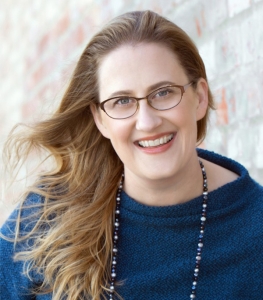 Katie Vernoy, LMFT
Katie Vernoy is a Licensed Marriage and Family Therapist, coach, and consultant supporting leaders, visionaries, executives, and helping professionals to create sustainable careers. Katie, with Curt, has developed workshops and a conference, Therapy Reimagined, to support therapists navigating through the modern challenges of this profession. Katie is also a former President of the California Association of Marriage and Family Therapists. In her spare time, Katie is secretly siphoning off Curt’s youthful energy, so that she can take over the world. Learn more at: http://www.katievernoy.com
A Quick Note:
Our opinions are our own. We are only speaking for ourselves – except when we speak for each other, or over each other. We’re working on it.
Our guests are also only speaking for themselves and have their own opinions. We aren’t trying to take their voice, and no one speaks for us either. Mostly because they don’t want to, but hey.
Join the Modern Therapist Community:
Podcast Homepage | Therapy Reimagined Homepage
Facebook | Facebook Group | Instagram | YouTube | LinkedIn | Substack
Consultation services with Curt Widhalm or Katie Vernoy:
Connect with the Modern Therapist Community:
Our Facebook Group – The Modern Therapists Group
Modern Therapist’s Survival Guide Creative Credits:
Voice Over by DW McCann https://www.facebook.com/McCannDW/
Music by Crystal Grooms Mangano https://groomsymusic.com/
Transcript for this episode of the Modern Therapist’s Survival Guide podcast (Autogenerated):
Transcripts do not include advertisements just a reference to the advertising break (as such timing does not account for advertisements)
… 0:00
(Opening Advertisement)
Announcer 0:00
You’re listening to the Modern Therapist’s Survival Guide, where therapists live, breathe and practice as human beings. To support you as a whole person and a therapist, here are your hosts, Curt Widhalm and Katie Vernoy.
Curt Widhalm 0:13
Welcome back, modern therapists. This is the Modern Therapist’s Survival Guide. I’m Curt Widhalm with Katie Vernoy, and this is the podcast for therapists about the things that go on in our practices, the things that go on in our world, the types of clients that show up. And Katie and I have talked a fair amount through our history, little bits here and there about maybe some of the ways that diversity shows up in our practices, and a lot of times that that can also include clients who come from neurodivergent backgrounds. And we are really excited today to be joined by David Smith, LCSW, to talk about neurodiversity affirming practices more in depth, and also to dive into how it shows up in family therapy. So thank you very much for joining us and sharing your expertise with us.
David Smith 1:05
I’m happy to be here, excited to talk to you both.
Katie Vernoy 1:09
We’re very excited about this conversation, but before we jump in, we want to ask you the question we ask all of our guests, which is, who are you and what are you putting out to the world?
David Smith 1:18
Who am I today? Well, as you mentioned, I’m a therapist who specializes in neurodiversity affirming practice as well as complex trauma and really complicated family situations. I’ve been in practice for this point about this will be my 10th year coming up and in private practice for about two and a half years, coming up on three. I practice across Oregon, California, Idaho, Florida and Vermont, primarily Oregon, which is where I’m based, and have been in the past, a school based therapist working with elementary school kids and their families. Also worked with a lot of adults, especially recently and increasingly focus on neurodiversity affirming care as the primary aspect of what I do. I’m also late diagnosed autistic myself. I ironically, had been working with neurodivergent adults and children for quite a while, and my wife, from the moment she met me six years ago, had said that she thought I was probably autistic, and she’s a therapist herself with 20 years of experience, so I probably should have taken her seriously, but I said Nah, it’s trauma. I work with autistic kids all the time. That’s not that doesn’t fit me. And then when I started working with autistic adults, they started calling me out more and more and saying, dude, that’s th ’tism. You got to start paying some attention to this. The first thing they would ask me, a new client would ask me if they were autistic, naturally enough, would be are you autistic yourself? In other words, can you understand my perspective? Can you relate? Or are you just going to be another person in a long line of people who just doesn’t get me and tries to apply a neurotypical lens to my my experience. And all I could say was, well, I don’t know, my wife thinks so, and she’s pretty smart, but I finally decided that was not very authentic. So I went and got the assessment, something that most of my clients had been through, and I had never been. So, lo and behold, a psychologist who assessed me took about 45 minutes in the interview, plus his screening tools, of course, to say, Yep, you’re autistic, all right. And I was both floored and not surprised at all. So that’s been something I’ve been kind of wrestling with. That’s a formation point in my identity for about a year and a half now. So that’s that’s been, I wouldn’t say it’s the central fact of my life, but it’s become an important one. It’s a new one. So I’m still exploring it very deeply. Like most autistic people, I’ve been doing a deep dive on it for quite a while. Its become a new special interest, which helps, since that’s my field. Other things, I spend part of the year going back and forth between Oregon and Peru, which is where my wife is from. So I spend spending more and more time in Central and South America, learning Spanish, still fairly rusty. Can understand more and more, but I’m not great at speaking it yet. My wife’s family call family calls me El Gringo Picante. I love to sail, love to write. Been working on getting out and doing more speaking. I do clinical supervision in Oregon. I’m trying to do more training and education around neurodiversity affirming care for businesses, employers, schools, other therapists, medical practices, things like that. Have three boys on my own, so they’re now 16, 18, and 20, wonderful boys and yeah, those are the major things.
Curt Widhalm 5:00
You had mentioned about the lens of seeing clients who come from a neurodiverse background, that might be, I think I might know where you’re going with the answer to this next question we ask it not from a shaming place, but from a place of collective wisdom. What do therapists usually get wrong when working with neurodiverse clients?
David Smith 5:22
I think the number one thing is they don’t look for it. I have had many, many stories, including my own, where people have been in therapy for years, and the topic of neurodivergence was never even considered at any point along the way. The idea that someone might be struggling not because they have some sort of a thought error or persistent depression and anxiety on a standalone basis, but because they are neurodivergent and they’re trying to fit into a world that wasn’t made for them – was never really considered by anyone in the room, including not just a client, but multiple therapists. Another thing that happens is when someone does mention they think they might be autistic or they might have ADHD or both many therapists, because it’s not part of their training, and let’s, let’s face it, it rarely is in any master’s level program, and even most PhD level programs beyond your assessment and diagnosis course, they don’t know what to do, and so their first instinct is to refer out and look for someone like me who’s an autism specialist or an ADHD specialist, which means, number one, they’re not going to find very many. There are very few people who truly specialize in that area. And number two, they’re sacrificing potentially months or years worth of therapeutic rapport over something that they just don’t feel confident about. So calling up someone like me for a consultation to say, look, my client thinks they might be autistic or they just got diagnosed. They just found out they have ADHD. What are some things that I should be thinking about? How can I adjust my approach rather than punting to someone else, is another common mistake that I see, and then I think a lot of times, I don’t know how well understood this really is in the broader therapeutic community. Well meaning, very evidence based approaches that work for neurotypical people either don’t work the same way with neurodivergent people, or they can sometimes, I don’t like to say they are harmful, but they have unanticipated consequences. So CBT is probably the most common thing used in the US, just because that’s what most of our training is based around, and has been for 60 or 70 years. Perfectly good, gold standard therapy. When you’re applying it to neurodivergent people, however, who are struggling with things like emotion regulation, meltdowns, shutdowns. I’m not just talking about kids here, so I need to be clear when I’m talking about autistic people, there’s often a mindset that says that means children. Remember, autistic children grow up into autistic adults. So most of my population is adult. When you use CBT or DBT or most other therapies that are very common with neurodivergent adults, a lot of times, the root causes of their difficulties are not from thought errors. They’re not from difficulty in linking the cognitive behavioral triangle. You know, action, behavior, consequence, and if you find the the entry point and can change any one of those three, the whole system will change, and it’ll get better, right? Well, often, when you’re dealing with neurodivergent people, the root cause of the problem is sensory overwhelm. It’s nervous system dysregulation. It’s a sympathetic dominance in their their nervous system, from a polyvagal standpoint, difficulty activating the parasympathetic nervous system because of the way they’re wired. There are a lot of complex health problems that tend to come along with it, that feed into it. There’s often a massive number of co-occurring conditions that often get treated individually. OCD is one very common example, if you just treat it as standard OCD, and you use, say, prolonged exposure, you’re probably not going to have very good results. Either, those approaches need to be modified to deal with the fact that you’re working with someone with a very complicated nervous system, or you need to try something else. Often, interventions that work directly with the nervous system, or get around the wall between the conscious and subconscious mind, like brain spotting, hypnosis, somatic experiencing, EMDR to some degree, those sorts of interventions tend to work better. Often what we’re dealing with in the work that I do is stress management. Stress just being energy flowing through the nervous system, not necessarily with a positive or negative valence, even excitement is stress and can be just as dysregulating as a really horrible experience for many people with a fragile nervous system. So working with this person, this complicated nervous system, in a holistic way, mind, body, spirit, relationships, let’s not forget relationships, their situational environment at work or school, in their family. It’s a whole person approach that really has to be taken into account. If you approach this person in the traditional way that Western psychology still is biased toward individual with their own cognitive behavioral issues in isolation from the environment they live in, you’re not really going to be helping them very much. And in fact, when inevitably, your therapy fails to really change their experience very much and they’re still struggling, they get the unconscious message that they now tried therapy and they failed at that too. And so now there’s something wrong with them. I couldn’t even succeed at therapy. That’s not really their fault. It’s because we didn’t know how to help them with the core issues, which are really super complicated, let’s face it, in a lot of cases.
… 11:35
(Advertisement Break)
Katie Vernoy 6:32
When you were first talking, especially kind of uncovering your own diagnosis journey, you were saying that clients were calling you out, or your clients were getting diagnosed. I’ve had the same experience, so I I understand that. But you also mentioned that clients wanted to know if you were neurodivergent or autistic as well, and that there was a benefit to that shared lived experience, and I’ve seen that in my own work as well. I feel like there’s different neurotypical, neurotype communication, you know, neurodivergent folks, you know, speak in a different way, or connect in a different way, or understand the sensitivities in a different way. And this is a legitimate question. It’s not leading at all, but I think it sounds like it is right now. But can neurotypical folks learn how to work with neurodivergent folks effectively enough, if they are coming from such a different neurotype?
David Smith 12:38
Yeah, I think absolutely. Many of the therapists that I so I’m not just a therapist, I’m also a client. Of course, like most of us. Most of the therapists that I’ve worked with are neurotypical. In fact, I don’t know that I’ve ever worked yet. I’m looking now for a therapist who is themselves, neurodivergent and openly so. I’ve got my suspicions about some of them. But the main area, it’s a relationship. It’s a rapport, and like any relationship, is based on curiosity, acceptance, attunement and a non judgmental, unconditional, positive regard, right? Anyone is capable of doing that. Now, if you’re a neurotypical therapist or clinician of any kind, professional, and a neuro divergent client comes into your purview, you can expect to see some things that might seem odd if you have, if you’re not used to it. So why does this person not make eye contact? Many people assume it’s, will assume it’s out of shame, for example, or they’re uncomfortable. No, they’re simply they find, for autistic people, often direct eye contact, especially when it’s sustained, is extremely emotionally overwhelming, because the eyes are the windows of the soul, right? So can only take so much of that energy before you get overwhelmed if you’re if you’re autistic. They may miss appointments. If it’s ADHD, they’re truly disorganized. That’s why they’re coming to you. So missing appointments is part of the picture. If you have a no show twice and you’re out kind of policy, you’re going to lose that client. Work with them on their organization skills, or find out what it is about the structure of the way that appointments are being held that makes things uncomfortable for them. If they’re coming to your office in person, by nature, for most autistic people, that is a stress. This is why I do all my work online. I never see clients in person. Being able to do a therapy session from wherever you’re most comfortable, in your bedroom, in your pajamas. I’ve seen people show up in a onesie shaped like a bear because that helps them feel safe. That’s awesome. That’s beautiful. I was tempted to get on my own little like a Chewbacca robe that I wear around that my mother in law gave me.
Katie Vernoy 15:09
Nice.
David Smith 15:10
However you want to show up is fine if it makes you feel safe. But some of the things that neurodivergent people do just as a matter of course or to try to regulate their nervous system, like getting up and moving during a therapy session when they’re in front of a camera, could be off putting for a therapist who’s not used to that sort of thing. A lot of autistic people also speak very slowly and deliberately, or they’ll go on like crazy, like a racehorse out of the gate, and they will not stop for the entire session, and you’re just sitting there trying to keep up. And that’s normal when you’re working with this population. So learning how to adapt your style to these different presentations, and each client is going to have a different presentation, is just part of the journey when you’re working with this population. And that could be challenging for people who are used to folks showing up in a certain way and then making judgments and conclusions from a clinical standpoint about their presentation. Do they make eye contact in the MSE that could have some sort of implication for whether or not they’re fully oriented, right? Well, not if you’re working with someone who’s autistic.
Curt Widhalm 16:24
One of the things that you had mentioned earlier is about the environment that somebody comes in with, and this is where the environment and my question is the family surrounding the client, and moving this conversation more towards family therapy. What are some of the issues that you see arise in family therapy? I have further questions that are going to include both where everybody in the family has neuro divergence and also neurotypical, typically parents or neurotypical presenting parents and their pushes for their neuro divergent childs to appear in certain ways.
David Smith 17:06
I just want to note the beautiful and subtle way that you plunk that in there “neurotypical seeming parents.” And the reality that when you’re dealing with autism, ADHD, other forms of neurodivergence, dyslexia, dyscalculia, epilepsy and so on, often this is not an isolated person within the family system who is the only one dealing with that sort of thing. So let’s just say you’re dealing with an autistic child. There are a number of things that are likely to come up. One is school avoidance. Is a common issue, high degrees of anxiety, often with causes that are not easy to pinpoint. Often there are chronic health issues, tummy aches, which often are the rationalization for not wanting to go to school. Those may be truly somatic, they may be psychosomatic, they may be situational. Often you’re dealing with families that are under stress because working with children with these kinds of conditions, especially if they’ve not yet been identified or diagnosed, and if they have not gotten the appropriate help, puts a lot of stress on a family system, and especially if the parents themselves are not neurodivergent and have not addressed the issues around understanding their own neurodivergence and how to accommodate it and how to work with it. They’re operating blind, and they’re often way behind the curve and trying to learn how to manage their child, even with the best of intentions, because as soon as they get a handle on it, it changes. And often, one of the things that probably isn’t talked about enough is that these families, these parents, are caregivers, which may or may not be the biological parents. They may be grandparents, aunts, uncles, whoever they often are getting lots and lots of unsolicited advice from the people around them, which, while well intentioned, is often not only not helpful, it often could be counterproductive. So within the neurodivergent community, there’s a phenomenon called PDA, variously known as pathological demand avoidance or pervasive drive for autonomy. I just put together a series of articles on this, and I’m working on a YouTube video about it to try to help clarify some of it. It’s present in somewhere between five to 30% of autistic people, not just children. It’s still seen as kind of a child only issue, but PDA kids grew up into a PDA adults, it’s commonly believed to be primarily with autism the. It’s actually not true. According to more recent research, it’s at least as prevalent in the ADHD population as the autism population, and it may be its own neurotype. We’re not sure yet. Research is still being done. When you’re dealing with a person with demand avoidance, any sort of expectation, either from the outside world, or even from their own body, even things that they want create extreme anxiety and can create a full blown fight, flight, panic reaction, and this can show up as defiance and oppositionality. You’re trying to get them out the door to go to school, and they just have a meltdown every single morning. You want them to brush their teeth, the first answer is, no, come to dinner. No. It looks like it’s being driven by defiance. It’s not. It’s a real challenge to work with this. And there’s more and more information out there for parents about how to work with a child with PDA. And there’s even information for now adults who are dealing with PDA about how to manage their own nervous systems. Unfortunately, it’s not very well known outside of that very limited community of families who have to deal with it every day. So they get lots of advices. It just says you need better limits. Why aren’t you giving that kid better discipline? You need to be more firm with them. They have no structure. You’re letting them get away with murder, blah, blah, blah. None of that’s helpful. Traditional parenting approaches and discipline not only don’t help, they backfire. So rewards and consequences, token economies, sort of things that most teachers are taught for a child with PDA a reward is still a demand, and often they have a long history of failing to meet the expectations that would get them that reward. So now they’re expecting to fail, which causes anxiety. A consequence is a threat, and both take away their autonomy. So as soon as you start talking about rewards and consequences, there’s nothing you can reward them with that’s going to overcome that threat response, or that’s going to motivate them at all, and there’s nothing as a consequence that you can legally do without getting reported to Child Protective Services that’s going to overcome their fear of the expectation. So you’re stuck. So you have to use different approaches, greater flexibility, really prioritizing what sort of expectations are truly important to you, which ones you can relax a bit on or do at a different time or in a different way, picking your battles and using your language carefully so that you phrase things as a conversation, a collaboration, rather than a demand or an expectation. These are some of the kind of common things that we work with. Another thing that comes up a lot in working with families like this, once the children get a little older, whether it’s middle school, high school, on into college, at some point, most of these neurodivergent young people hit a wall where their ability to manage themselves within the environment they’re in becomes exceeded by the expectations that are on them, and they just have a collapse. There are several very predictable break points where this often happens. Kindergarten is an obvious one; third, or fourth grade. When I was a school based therapist, this is the point where a lot of those higher masking autistic kids would get diagnosed or set for diagnosis, because they just started falling apart because the social demands and the academic demands both spiked. The transition into middle school, which also involves puberty. Ooh, boy, yeah. High school sometimes is more manageable, just because if they made it through middle school, high school becomes a more of a relief. There’s more freedom, and there are more people who are just kind of outside the bell curve anyway. People are exploring their identities, and there are a lot more. There’s a lot more diversity in the high school crowd than there is in that very conformist middle school environment, but a lot of people do struggle there. Once they graduate high school or graduate college and the structure is gone, there’s often a complete collapse. And I hate the term that society uses ‘a failure to launch’ but that’s essentially what happens. They come back home, or they find an apartment, and they go nowhere for a long time, they don’t know what to do, and parents are just at their wit’s end. This kid should be going off and starting a career, meeting people, getting out and making friends, dating whatever. There’s all these expectations for what should happen, and they just can’t and so that’s a common point where someone like me is called in to try to work with parents and this young person to see what we can do.
… 24:50
(Advertisement Break)
Curt Widhalm 24:52
How often do those conversations start with ‘You mean we’re just supposed to give up on them?’
David Smith 25:00
I haven’t heard it phrased quite that way. I have heard it said I’ve heard many times I just don’t know what to do. They’re stuck, and I don’t know how to help them in the more severe cases. So that’s, there are different categories, right? So I think of neurodivergence of any any sort, is kind of, it’s not, I don’t like the term spectrum. I think of it more like a spice mix. It’s like Garam Masala or tahini or Zatar, depending on what culture you come from, or, you know, Chile. Do you prefer Cincinnati or Texas, I don’t care. It’s a mix. There’s certain specific ingredients that are always included. And every serious cook in that culture has their own secret ingredients that are sprinkled in, and they may use just a little dash of it, or they may throw in the whole handful. And I think of autism kind of the same way. So there are some people who are lightly spiced, like me, gringo picante. There may be others who have the whole jar thrown in and they’re very significantly affected by their neurodivergence, same with ADHD. There are some people who can make it through with just mild distraction and some impulsivity. And there are other people for whom it’s really difficult to manage. So there are parents who are dealing with a neurodivergent child who has been able to mask and get through with some difficulty, but they’ve been relatively successful, and then they run out of structure when they graduate high school or college, and then they just get stuck, and they stay home, and they’re on their video game machine all night, and then they’re sleeping all day, and they’re not really doing much. They’re not getting a job. Don’t know how to go about looking for a job and so on. Then you got people who are more significantly impacted, where their parents are calling in a panic, their child is self harming, they’re having regular crises, they’re isolated, they’re going in and out of treatment facilities, and their life is generally at risk. Those are different approaches, right? So in the case of the former, the parents who are dealing with a child who’s simply struggling to adult, which, let’s face it, is hard for everybody these days, of any age, those parents and that, that person, the young person that they’re concerned about, need one sort of approach, and often that’s that’s directly with a young person to help them figure out, well, you know, what sort of social skills do you need? How do you go about figuring out what you want to do with your life? And no, you don’t have to have the entire plan at age 19 in order to get started. It’s okay to experiment and try. And that can help that that family quite a bit to get that child moving. It will probably be slower than a child who is neurotypical of the same age, a young person. People who are neurodivergent, have a spikier development path, and it tends to be a lot less linear. And helping the parents learn that that is normal and okay and to take their time and to have some patience and provide support in different ways is crucial. For the young person who is really deeply struggling, a lot of times, it’s helping that parent deal with the massive uncertainty and fear of not knowing whether or not their child is going to make it in the world at all, and often, it’s helping them find resources to support that young person in their struggle to figure out how to manage unmanageable feelings and emotional states and all the things that come along with that. In that case, I’m working primarily with the parents, and a lot of it is more case management and distress tolerance for the parents, rather than working directly with the young person, because they need a much higher level of care than I can provide as a solo therapist working online. They need probably intensive outpatient or residential treatment. And so knowing those systems and how to refer families into them, how to help them find them, and how to help them pay for them, is a major part of what I do with in those cases.
Katie Vernoy 29:33
For families that either have the path that a lot of adults I’ve known have taken where they identify either because their child is diagnosed, or their clients are diagnosed, or someone you know mentions to them and they’re they’re late diagnosed, and they’re starting to understand their own journey. They have kids who have different different spices in their neurodivergent spice rack, and the family is really struggling to work together and accommodate all the members. What does that look like? Is there, do you have advice for families, and what does your work like look like with families where there’s a lot of neuro divergence sitting in every member?
David Smith 30:21
That’s really common and it’s often not recognized. So when we’re dealing with families that are extra spicy, often it’s not just one neurotype at play. So let’s say you’ve got a family of four. Just to think of one particular client scenario, two of the family members, one parent and one child, lean more heavily toward autism, the other two lean more heavily toward ADHD. Both of the children are aware of their neurodiversity. Both parents are in denial, and that affects the family system in some really significant ways, especially when this is largely unconscious and people are just basically doing what they have always done. Now keep in mind, ADHD and autism are both among the more genetically tied conditions that we know about, and so chances are you’re dealing with multiple generations of neuro divergence. We’ve started to become aware in the therapeutic community about intergenerational trauma and how there’s an epigenetic component of that. It has not yet been recognized quite as much what the intergenerational neurodivergence pattern looks like and how that affects family systems. So it affects your attachment relationship. It affects your ability to attune with your child. It affects communication patterns. It affects what’s considered normal and abnormal within the family. And so you wind up with people continuing with intergenerational patterns that from an outside standpoint, would look really dysfunctional and not ideal for raising healthy children and functioning as a well oiled family unit in the world. But to this family, it seems perfectly normal, because this is the way it’s always been within their entire extended family, it doesn’t even occur to them that there’s something to be looked at here, because that’s just the way we are. I mean, you should see great uncle so and so they were crazier than a loon. And yet, just like the fish doesn’t see the water that it’s swimming in, these people are being affected by the patterns of attachment and attunement that are happening within the family generation after generation. If you can make people aware of the ways that that’s affecting each other and help them learn ways to cope and compensate for the ways that the other family members work and call attention to some of the patterns and the needs that are trying to be met, then things can shift. Often, unfortunately, I’m working with one, one member of that family who is more conscious of this than others, and all I can help them do is see what is going on within the larger family system through that lens that I’m looking at it with, of course, which is always just one person’s view, and help them learn to do what they what little they can do to try to shape that from their own perspective. It’s very, very rare in my experience that I’m working with more than one family member who is or where several members of the family system are open to the idea of learning and change. But when you’re it’s very common to deal with an autistic person and an ADHD person in a couple, for example. And those are very, very different ways of communicating, looking at the world, dealing with sensory systems and so on. Often, the autistic person is very calm and stable and relies on routine. The ADHD person is the life of the party and wants constant stimulation and change and fun. Those two can balance each other very well and create a very self supporting, self sustaining, mutually nurturing relationship. But there are often a lot of challenges if one or both of those members of that system are blind to it. A lot of times it’s about psycho education and awareness.
… 34:29
(Advertisement Break)
Curt Widhalm 34:31
How do you help family members who might not be open to some of these conversations become more open to it, whether it be part of the narrow ways that their own neurodivergence might have them experiencing the world, whether it be particular cultural influences that might not be open to exploring diagnostics. Do you have recommendations for our audience on ways to help navigate some of those conversations?
David Smith 35:02
It’s really difficult, and I although some of the stigma around neurodiversity is getting better, some of the ways in which it’s becoming more of a feature in our cultural awareness are not always helpful. So I love the fact that there are more autistically coded or ADHD coded characters appearing in popular media. But as an autistic person myself, I find it really annoying how many different variations of young Sheldon and the good doctor and the extraordinary Attorney Wu keep showing up. It’s the same person, possibly with different genders, but the socially awkward, brilliant, kind of annoying, autistic person who has poor social skills is something we don’t need to see a lot more of. There are many different varieties of autism, including people who are extraordinarily empathetic to the point where they have difficulty tuning out their compassion for the world and fall apart because they’re so sensitive. Not that I naming myself or anything. We need more variety in what’s being shown out there, and that neurodivergent people show up in all walks of life and in all different flavors, and have common struggles, largely around the way that their sensory nervous system responds to the environment. A lot of times, when I’m trying to help reluctant family members approach this topic, I can get a little sneaky, like I have one case where I’m trying to help a mother encourage her teenager who’s in complete denial because autistic people are you know, the kids with headphones walking down the special ed hallway, and he doesn’t want to be one of them, completely denies that he’s one of them and uses it as a autism, as a curse word, as an insult toward others. I’ll have conversations with her in our therapy appointments, which remember, are online in her home when she knows that he’s going to be walking through the room, and we’ll be talking about, well, so autism is not a bad thing. We’ll be having an open conversation that is very destigmatizing around what it is, and I’ll invite her, with her consent, to make sure that he is within earshot of some of those conversations as we’re having them, so that he’s exposed to the idea. Sometimes I’ll suggest YouTube channels that from people that I really admire. Dr. Kim Sage is awesome. Dr Megan Anna Neff is one of the pillars of the neurodiversity community. There are podcasts that I suggest lots of, lots of materials that I can send to people. And I will suggest, you know, have your spouse, your partner, your child, watch this with you, and maybe it’ll open up conversation. Oftentimes, it’s dealing with older people like grandparents, who are just not on board. It’s not that they’re they’re closed minded or opposed to the idea they just have never thought of the the idea that anyone, their family, might be autistic, they don’t even know what that is. So having a brief conversation with them, with the client’s permission can often open up a lot of doors and a lot of curiosity. And then I’m really big on sending out handouts to my clients. They’ve come to know that after most appointments, there will be an email for me a couple days later that says, follow up, and then there will be a bunch of psycho educational materials attached to it. I don’t know whether or not they ever read them. Probably not. I told them there will not be a quiz before you’re allowed to have your next appointment. But sometimes it can make a difference, and sometimes they pass them along to other people who might benefit from some of that information, and slowly, the stigma is reduced, and people learn a bit more, and they learn to normalize some things that seem pretty strange, and new vocabulary is introduced, and people will start learning what kind of questions to ask, not what the answers are, but what to be curious about. It’s really about the individual experience of any individual person.
Katie Vernoy 39:06
So, the last question I want to ask is about neurodivergent therapists accommodating their own needs when working with neurodivergent clients.
David Smith 39:16
That’s a huge one. We could spend a whole episode just about that.
Katie Vernoy 39:21
So just a few tips then.
David Smith 39:23
Yes, one of the core features of being neurodivergent, whether it’s autistic or ADHD or a mix or any of the other flavors, is the risk of burnout, because we’re dealing with very delicate nervous systems in general, and if we have pushed ourselves hard enough to get a master’s degree or PhD and become a therapist in the first place, we’re high achieving people who don’t accept limits very easily, even when our nervous system is screaming at us that this is too much. And most of us have had to go through the hazing ritual that we call community mental health in order to get our degree, which is in most circumstances, not all, but most pretty brutal, and is still the primary way that we get our license, so that we have our permission to practice. By the time we get through that, a lot of us are kind of limping along on not all the cylinders that our engine was designed with, and we’ve got some electrical shorts happening in the system, and we’re sputtering. I’ve been through multiple episodes of autistic burnout. I didn’t even know what that was at the time that I was experiencing it. Looking back, my first one was probably when I was 11 years old. My most recent one has been within the past few months. Learning how to nurture your mind, body and spirit in ways that actually work is crucial, and it’s not self care the way that’s talked about in popular culture. It’s not a bubble bath. It’s not going out with friends to do a wine and sip, paint stuff kind of thing. It’s taking time to reduce the demands that you’re placing on yourself dramatically and doing things that move your body, rest your body, take your nervous system down multiple notches and often learning how to manage all the different aspects of this complicated interconnected system that we call our being, our physical being, our emotional and mental being, which are all interrelated and affect each other very deeply. So in my case, that meant finding an integrative medicine physician who could deal with all the things, as Dr Malhauser puts it, kind of a code word in the neurodiversity community for all the complicated interrelated things that seem so bizarre and mystify most people who don’t experience this, but we really do have to manage all the things in order to keep going. It’s annoying, it’s unfair, it’s time consuming. It can be really exhausting, but the consequence is not only going down yourself, but losing the ability to provide good care for all the people who depend on you, whether that’s family or your clients or whoever. I’ve learned to do better. This is still a learning edge for me, but I’m learning to do better at recognizing when I need to scale back and focus down on just the things that are truly essential, and take time to draw myself, to walk, to rest, sleep, whatever it is that I need to do. Neurodivergent people are energy sponges, and often as therapists, we are exposed to extremely dysregulated energy on a regular basis. So finding ways to ground yourself and get that energy out of your body are essential. For me, I look out of my windows at a beautiful backyard. It’s quarter acre, but it has deer and turkeys and lots of leaves and trees and beautiful sunlight right now that I’m looking at, and that helps me. But learning what it is that takes your nervous system down from DEF CON 2 to peace is part of the learning curve, and the price of not doing that is that your career will be very short, your health will not be great, so please take it seriously. You’re worth it.
Curt Widhalm 43:43
Where can people find out more about you and all of the wonderful work that you’re doing?
David Smith 43:49
The best way is at my website, which is thrivingfamilytherapy.com. I also have a YouTube channel, which I’m making more active and write on Medium and Substack at thriving family therapy is the handle for each of those. I’m also on Instagram, although that’s still something that’s not very active yet. I have a free resource that I’ve put out recently on my YouTube channel, a downloadable guide five stress regulation strategies for neurodivergent adults. You’re welcome to get on my YouTube channel and download that, and you can always reach me through my website. My contact information is on there. I am open for therapy for people in those five states, Oregon, California, Idaho, Vermont and Florida, for clinical supervision in Oregon and for consultation and trainings, pretty much anywhere,
Curt Widhalm 44:45
And we will include links to David’s stuff in our show notes over at mtsgpodcast.com. Make sure you follow us on our social media. Join our Facebook group, the Modern Therapists Group to continue on with this and other conversations and until next time, I’m Curt Widhalm with Katie Vernoy and David Smith.
David Smith 45:04
Thank you very much.
… 45:07
(Advertisement Break)
Announcer 45:07
Thank you for listening to the Modern Therapist’s Survival Guide. Learn more about who we are and what we do at mtsgpodcast.com. You can also join us on Facebook and Twitter, and please don’t forget to subscribe so you don’t miss any of our episodes.




SPEAK YOUR MIND