

Private Practice Has Changed. Now What? How Therapists Can Find Clients and Stay Profitable – An Interview with Dr. Ajita Robinson, LCPC
If your caseload has thinned out and the directory listing that used to fill your practice barely pays for itself anymore, you are in good company. The private practice model many therapists built their careers on has shifted underneath us. Insurance panels and directories send fewer referrals, venture-backed platforms can book a new client by tomorrow, and demand for mental health care remains as high as ever. So where are the clients going, and what can you actually do about it?
Curt and Katie welcome back Dr. Ajita Robinson, grief and trauma therapist and CEO of Legacy Wellness Group, to talk about what has changed in the business of therapy and how therapists can respond with a clear strategy. Dr. Robinson shares how her practice grew to more than 200 clinicians across 18 locations by following its own referral data, why she wants more therapists pursuing government and employer contracts, and how our training teaches us to serve to depletion when we could be building an ecosystem around our expertise.
Click here to scroll to the podcast transcript.Transcript
(Show notes provided in collaboration with Otter.ai and Claude AI.)
About Our Guest: Dr. Ajita Robinson, LCPC
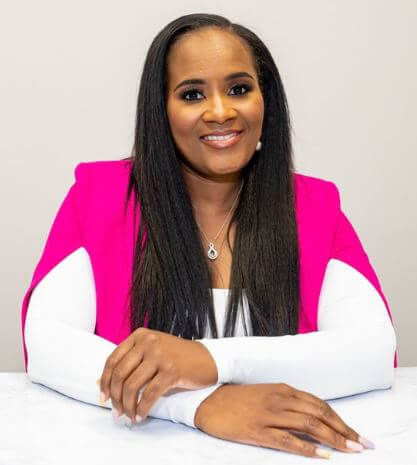 Dr. Ajita Robinson is affectionately known as “The Experts’ Therapist.” A Grief & Trauma specialist, she is also the international bestselling author of three powerhouse books: The Gift of Grief: A Practical Guide on Navigating Loss, The Gift of Grief: Supporting Grieving Children and The Purposeful & Profitable Therapist’s Guide to Diversifying Income. Through these works, Dr. Robinson shares transformative insights on healing, resilience, and empowering mental health professionals to build sustainable, impactful careers. Her expertise has garnered international attention, with appearances on Good Morning Washington, Headspace, and in the pages of the Wall Street Journal.
As a Licensed Clinical Professional Counselor, Dr. Robinson is dedicated to disrupting cycles of generational trauma and poverty. She founded Friends in Transition Counseling Services in Bethesda, MD, and serves as CEO of Legacy Wellness Group, where she champions generational wealth, education, and healing. With a background as a corporate consultant turned powerhouse entrepreneur, Dr. Robinson has scaled her practice to an impressive 8-figure enterprise, standing as a testament to her unwavering commitment to entrepreneurship, community healing, and mentorship. Her work is a beacon of hope, guiding countless individuals and communities toward profound transformation.
In this Podcast Episode: Referrals, Contracts, and Sustainable Income in a Changing Therapy Economy
Dr. Robinson names three shifts reshaping private practice: how people seek help, where they look for someone they trust, and how tech platforms are moving into psychoeducation. She explains how to find the referral and revenue data already sitting in your intake process, how her team built partnerships with pediatricians and other medical providers, and how therapists can pursue state, county, federal, and employer contracts. Curt and Katie push on the practical questions many listeners will have, including how a clinician under financial pressure finds time to build relationships, and how early career therapists can learn to build an ecosystem around their expertise from the start.
Key Takeaways for Therapists: Private Practice Referrals, Community Partnerships, and Diversified Income
“We are the experts in an industry, and yet we adopt a wait-and-see model or approach to this field that I think is a disservice to the expertise and the work that we really have done.”
— Dr. Ajita Robinson, LCPC
- Demand is still there, but access has changed. Dr. Robinson describes a social media exchange where one person waited 12 days for a first appointment with a therapist and another booked with a platform the next day. When someone who is already suffering cannot get scheduled within 24 to 48 hours, they go where it is easy. Automation, such as a HIPAA compliant screening quiz that books a consultation call, can close that gap while keeping your screening process intact.
- Your referral data is already in your intake forms and call logs. Many therapists guess at their top referral sources while the answer sits unused in a spreadsheet. A simple dashboard of calls, conversions, and retention shows where the drop-off really is, and whether the fix is marketing, answering the phone, carrying a larger caseload as session frequency drops, or collecting receivables that have gone unpaid.
- Go where people already look for trusted help. Clients still ask primary care providers, schools, employers, and friends. Dr. Robinson’s practice grew from one location to 18 by co-locating with its strongest referral sources, starting with training pediatric teams to recognize psychosomatic complaints in adolescents. Releases of information and coordination of care improve treatment and build those relationships at the same time.
- Partnerships move faster when you solve a problem your partner already feels. Relationships take a long time when the other person cannot see the value. Lead with a problem that is causing them pain and is already a priority. The same lens applies to your current and former clients, who may benefit from a group, a longer session, or a return visit from you to places you have spoken before.
- Diversifying income is now a necessity. Dr. Robinson shares that one insurer has approved but not paid her practice’s claims this year, leaving more than $600,000 outstanding. A practice that depends on a single payer is at risk. She points therapists toward the organizations that have a vested interest in access to care, including Health and Human Services contracts that often go unfilled, federal contracts that fund care for veterans, and employer and university EAP carve-outs.
- Psychoeducation and consultation use skills you already have. Most of us built a psychoeducation workshop in graduate school without ever learning how to package or charge for it. Couples and family skills translate to conflict resolution for teams, and a clinical consultation (assessment, then treatment plan) looks a lot like an organizational consultation. Her practice builds this into internship by having interns co-lead parent webinars.
- Your lived clinical expertise is worth sharing publicly. You see the trends in session long before a report is published. Dr. Robinson encourages therapists to talk with lawmakers about issues like AI therapy and protecting the title “therapist,” reach out to local journalists, and say yes to short local news segments, which reach far more people than a handful of social media followers.
“We’re not taught to build an ecosystem around our expertise. We’re taught to serve to depletion.”
— Dr. Ajita Robinson, LCPC
Resources on Private Practice Referrals, Contracting, and Diversified Income
We’ve pulled together resources mentioned in this episode and put together some handy-dandy links. Please note that some of the links below may be affiliate links, so if you purchase after clicking below, we may get a little bit of cash in our pockets. We thank you in advance!
- Dr. Ajita Robinson’s website: ajitarobinson.com
- Dr. Ajita Robinson on Instagram and Facebook
- Recession Proof Your Practice, a free weekly webinar with Dr. Robinson, Tuesdays at 7 p.m. Eastern
- The Purposeful & Profitable Therapist annual conference, held every July
- Dr. Robinson’s free practice self-assessment tool
- Legacy Wellness Group and Mastering Insurance
- Concepts discussed: SEO and AEO, HIPAA compliant intake automation, coordination of care, government contracting, EAP carve-outs, psychoeducation
Relevant Episodes of MTSG Podcast
- Skill Issue or Systemic Reality? Systems, Platforms, and What Therapists Are Still Responsible For
- The Sky is Falling: How Therapists Can Protect Our Industry, Patient-Centered Care, and Our Businesses, An Interview with Dr. Ajita Robinson
- The Private Practice Pivot: How Therapists Are Adapting to Platforms, Agency Work, and the Changing Therapy Economy
- Is Independent Private Practice Sustainable? Data on Caseloads, Insurance & Income – An Interview with Lindsay Oberleitner, PhD
- The Business of Therapy: Surviving Economic and Industry Disruptions
- Recession-Proofing Your Practice
- Why Therapists Shouldn’t Be Taught Business in Grad School
- Greater Impact as a Therapist
- Get Paid to Speak
- Are Therapists to Blame for Ineffective Workplace Wellness Programs?
- Building Your Treatment Team in Private Practice: Essential Networking Skills for Therapists
- Interdisciplinary Teams
- The Initial Consultation Call: Setting the Foundation for Therapy
- Revisiting SEO and AI – Ethics and best practices: An Interview with Danica Wolf
- Making Sense of Insurance Billing and Client Referral Services for Therapists
- Therapy Insurance and Billing Trends for Private Practice in 2025: An Interview with Sanjana Sathya
- Why YOU Shouldn’t Sell Out to BetterHelp: An Interview with Jeff Guenther, LPC
- Overcoming Your Poverty Mindset, An Interview with Tiffany McLain, LMFT
Meet the Hosts: Curt Widhalm & Katie Vernoy
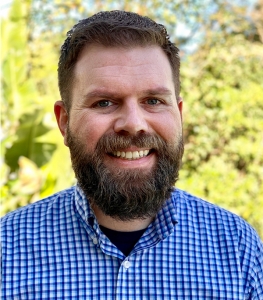 Curt Widhalm, LMFT
Curt Widhalm is in private practice in the Los Angeles area. He is the cofounder of the Therapy Reimagined conference, an Adjunct Professor at Pepperdine University and CSUN, a former Subject Matter Expert for the California Board of Behavioral Sciences, former CFO of the California Association of Marriage and Family Therapists, and a loving husband and father. He is 1/2 great person, 1/2 provocateur, and 1/2 geek, in that order. He dabbles in the dark art of making “dad jokes” and usually has a half-empty cup of coffee somewhere nearby. Learn more at: http://www.curtwidhalm.com
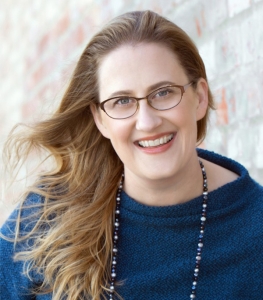 Katie Vernoy, LMFT
Katie Vernoy is a Licensed Marriage and Family Therapist, coach, and consultant supporting leaders, visionaries, executives, and helping professionals to create sustainable careers. Katie, with Curt, has developed workshops and a conference, Therapy Reimagined, to support therapists navigating through the modern challenges of this profession. Katie is also a former President of the California Association of Marriage and Family Therapists. In her spare time, Katie is secretly siphoning off Curt’s youthful energy, so that she can take over the world. Learn more at: http://www.katievernoy.com
A Quick Note:
Our opinions are our own. We are only speaking for ourselves – except when we speak for each other, or over each other. We’re working on it.
Our guests are also only speaking for themselves and have their own opinions. We aren’t trying to take their voice, and no one speaks for us either. Mostly because they don’t want to, but hey.
Join the Modern Therapist Community:
Podcast Homepage | Therapy Reimagined Homepage
Facebook | Facebook Group | Instagram | YouTube | LinkedIn | Substack
Consultation services with Curt Widhalm or Katie Vernoy:
Connect with the Modern Therapist Community:
Our Facebook Group – The Modern Therapists Group
Modern Therapist’s Survival Guide Creative Credits:
Voice Over by DW McCann https://www.facebook.com/McCannDW
Music by Crystal Grooms Mangano https://groomsymusic.com
Transcript for this episode of the Modern Therapist’s Survival Guide podcast (Autogenerated):
Transcripts do not include advertisements just a reference to the advertising break (as such timing does not account for advertisements)
… 0:00
(Opening Advertisement)
Announcer 0:00
You’re listening to the Modern Therapist Survival Guide, where therapists live, breathe, and practice as human beings. To support you as a whole person and a therapist, here are your hosts, Curt Widhalm and Katie Vernoy.
Curt Widhalm 0:16
Welcome back. This is Modern Therapist Survival Guide. I’m Curt Widhalm with Katie Vernoy, and we are joined by Dr. Ajita Robinson to help us talk about where things are going in all of the changes we’ve come out of kind of the pandemic and the whole world of business around therapy has changed several times over in the last couple of years. So, thank you for coming in and once again sharing your expertise with us.
Dr. Ajita Robinson 0:46
Thank you. It’s always a pleasure. Thanks for having me.
Katie Vernoy 0:49
I’m really excited for this conversation. But before we jump into it, can you share with us what we ask all our guests, which is who are you and what are you putting out into the world?
Dr. Ajita Robinson 0:58
Yeah. So I am first and foremost a mom, and I think that’s a big part of the my identity that grounds kind of how I do this work. I became a grief and trauma therapist, so licensed grief and trauma therapist (LPC) kind of kicking and screaming. Went to law school first, business school, all the things, and and ultimately became who I needed, right as a kid, as a now adult child of a parent who was previously incarcerated, struggled with addiction, I didn’t understand that all of that was grief and trauma until I was, you know, in my master’s program, and I was like, “Wow, look at that!” And so now I get to lead a team of over 200 clinicians across 18 locations in seven states where we do that person-centered, heart-centered work around grief, trauma, and life transitions, and outside of that work, which is takes up a lot of time, if you can imagine.
Katie Vernoy 1:47
Sure.
Dr. Ajita Robinson 1:48
I also have the privilege of leading a multinational team on the Dr. Ajita Robinson Legacy Wellness Group brand, where I help therapists scale their brilliance beyond direct practice. And then, lastly, I founded Mastering Insurance. So I’ve been, you know, busy.
Katie Vernoy 2:02
I guess so.
Dr. Ajita Robinson 2:06
In a process of kind of, you know, trying to scale back and be, as my daughter would say, the main character in my story. So figuring that out. So that’s where I am these days.
Curt Widhalm 2:15
We are, as I mentioned at the top of the episode here, we’re in a world where the economy around us is in flux, the powers that be, the industry that is going on around us, what do therapists need to know about the changes to our profession, and especially for the careers and how to sustain a career at this time?
Dr. Ajita Robinson 2:40
Yeah, so I think that the traditional model of private practice that many of us have known. So I’ve been a practicing clinician for 18 years in private practice with 14. That that model that most of us kind of started with it doesn’t exist in the same way that it did when many of us started our practices and our careers. And so I think it’s so important for practitioners to understand and recognize the pivots, right? I also think that it’s really important to understand that we have agency. We are the most qualified. We are the experts in an industry, and yet we adopt a wait and see model or approach to this field that I think is a disservice to the expertise and the work that we really have done, right? And the way that we have seen the mental health industry shift, right? We know that our traditional ways of of seeking referrals, insurance companies have brought those in their own vertical, and so we’re seeing, you know, in being listed with an insurance panel and getting a referral from a panel not working the same way that it used to, right? Our directory listings, without naming any in particular, we are seeing single-digit ROIs, right? That used to be a significant way to fill your practice, and so it’s really important to kind of look at those trends: what’s working, what’s not working, and then I think a lot of us are sitting on data that we don’t know what to do with. A lot of us have profit centers in our practices. We are in a recession-proof industry, so it really doesn’t make sense that private practice owners are struggling right now. And what I find from talking to clinicians all over the country is they’re not sure what to do. They’re not sure how to operate in this environment, in this climate, which is part of the reason this conversation is so critical. So hopefully, we can help give them some insight into what we’re seeing, but more importantly, the so what, the now what, right? Does that mean as far as like the changes that have have happened in the field?
Katie Vernoy 4:29
What are these changes that we’re really needing to pay attention to? Because I know there’s many folks who talk about the big tech, or they talk about the difficulty with…
Dr. Ajita Robinson 4:40
Yeah, like AI and and so even if we think about so I kind of think about this in kind of three different sections. But one, if we think about the ways that people are seeking help have changed. We there we used to primarily seek help through relationships, right? And so who do you know? That actually still works, right? And so it is really important that we still have visibility in SEO and AEO, right? From a website perspective, but also from a community presence perspective, and so that’s kind of one prong of things is to understand how are people seeking help. They are turning to things like you know online tech platforms because of ease of access, right, and the reduced barriers to getting scheduled. And so these are things practitioners should be thinking about. I saw a meme on, or maybe it’s not a meme. Maybe it was a post on Threads the other day. I can’t keep up with the lingo with all these platforms, but I saw kind of a thread on Threads platform the other day that said they reached out for a therapist and it took them 12 days to get an appointment. Right? They they got in contact with the therapist that day, but their appointment was 12 days later, and then there was someone in the comments that said, “Hey, I reached out to Growth Therapy and I got an appointment the next day,” and we got to pay attention to it. People, the demand for services has not decreased. In fact, the demand for mental health services is the highest that it has been, and it is the top concern around the world, right? And that is in a survey that included 31 countries. So we know the demand hasn’t gone away, but how people are accessing and interacting with the mental health system has changed. And if we are not responsive and we don’t have systems in place that allow people to book in timely manners, right within 24 to 48 hours, they’re going to go to the platforms that we know don’t pay therapists well, may not care about true quality of care, that have these other things that kind of really limit the trade in our ability to to to operate in our profession. But people are going to go where it’s easy to access care because they’re already suffering, and we got to pay attention to that. And so, the way that we would send, you know, 15 pages of intake, and you know, all the loops that people have to go to just to get a confirmed appointment, we need to close that gap and do it quickly in a way that still honors the our screening processes because we have them in place for a reason. But can we can we leverage automation and some AI or even team to kind of close the gap on that. I think so. Help seeking is one piece. The second piece is how are they finding you? Psychology day profiles have been overrun by VC back profiles, right? If directory insurance referrals are no longer happening, where are clients still going and looking for trusted resources, right? They’re going to primary care. They’re still asking friends. They’re they’re employers, right? And so, where are they already congregating? And you can get in front of them. We are in a space where information is readily available, but trust is low. How do you position yourself as a trusted advisor, a trusted professional that is very clear? And I find so many of us aren’t willing to come from even get on camera, right, to really kind of put that piece forward. Because people in the age of AI and automation, what we are seeing is that people are returning to in-person therapy, wanting connection and community. And so, if we have closed our physical doors, we may want to consider what it looks like to be in community with folks who need care, right? And then I think the third piece is the ways in which these online tech platforms are increasing what they’re coining digital education hubs to get broader contracts and broader impact. Talkspace was just purchased for $835 million, and the the value proposition was heavily weighed in their online digital platform. Y’all, it’s psychoeducation. Who does this better than clinicians, right?
Katie Vernoy 8:30
For sure.
Curt Widhalm 8:31
Apparently, Talkspace does.
Dr. Ajita Robinson 8:32
Right? And like, I think they’re they’re the the problem is multifaceted, and so our approach and response has to be nuanced, right? And that doesn’t mean that it has to be overwhelming. It does need to be an intentional strategy to address the needs and concerns that close the gap on referrals, that close the gap on retention, but also we, I think, reinforces some of the parameters that make the mental health field effective, and to some degree, some of these new players that are not practitioners that are tech companies, they aren’t beholden to the same regulations that we are, and we should be paying attention to that. That was a long answer, but hopefully, it gave us some context for folks.
Katie Vernoy 9:15
Well, I think the thing that I was trying to get to is, it seems like there is this interesting combination between having stuff that used to work a long time ago working again, you know, the the word of mouth in your community, the those types of things, as well as needing to update yourself and understand how you can actually automate your systems or use AI, and so I think it’s I think this is a really important conversation because there are definitely general generational differences between how you and I maybe built our practices a bazillion years ago and how someone might build their practice today. And so I’m thinking about kind of practical things that someone could take away from what you just said, and it seems like. It’s overwhelming to choose where do I start when I think about what how the landscape has changed. So, what are what are your suggestions?
Dr. Ajita Robinson 10:08
So, my number one suggestion is to look at what you you already have data right there in your intake process in your call logs that oftentimes we’re not using. So, I’m going to put my scholar practitioner hat on, and so because oftentimes when I work with practitioners and I ask them what’s your number, your top three referral sources, they’re guessing. And the reality is, is that they’re asking the question somewhere in their form, and then it’s it gets it dies in a Google Excel spreadsheet, right? Because we’re we may not know how to analyze it to inform what additional services we create? Many of us have existing cash revenue in our business, and I don’t say that in a way that we offer a service that people can’t actually benefit from, because that should be the undercurrent, right? We but looking at where the increased demand is, like our clients tell us a lot of things, we shouldn’t be guessing about what new group we should create or what clinician we need to hire with what skill set when we have so much data in our intake process. So I would go back and look at that. Many of us have release of information that we never deploy, right? Not only does it improve the quality of care when you can talk to the other providers, it also helps build those relationships. We part of the way that we were able to expand our practice from one location to to 18 is the other 17 are co-located with primary care OB/GYN Cairo speech pathology OT. Why? Because they were the primary sources of our referrals, and so we went back and said, “Hey, we see a gap between when you all might recognize a psychosomatic complaint in adolescent in referral, and so what would happen if we were on the front end of assessment? And so we pitched them to come in, integrate their, we didn’t initially pitch them to integrate their office. We pitched them to come in and train their team, their nurse practitioners, and their pediatricians to recognize psychosomatic complaints to increase referrals before they became more crisis like. And so that’s what I mean by taking two approaches, right? The intake information that we’re receiving because we’re already getting the referrals and from whom, and how do we leverage that alongside community partnership, coordination of care, and education? Because we think that they know that they’re looking at mental health, and they may treat that as a GI symptom all day long and not bridge the gap until it’s exacerbated, and so how do you build those particular relationships? So the pediatrician we become their go-to referral source. So when we pitch them to say, “Hey, what would it look like if we came in your office? We are always on time. We actually can handle the front-end lead assessment, the PHQ-9, so on and so forth, to tighten that process and improve patient care overall.” And they were on board. And then we did that 17 more times, right? And so those types of things continue are working, right? Because clients are trying to figure out who do they trust. They’re already asking people they’re working with, You aren’t top of mind, and you need to be. Right? You likely already have mutual clients with a school counselor, right? With a garden item that needs to speak to you anyway, right? That you already have permission to coordinate care, and the beautiful thing is, is we have billable codes for this, and they do too. And so there’s an incentive for everyone to do that coordination. So that would be the number one thing I would do: is look at your existing data, identify where your existing clients are coming from, and additional ways that you can serve them.
… 13:19
(Advertisement Break)
Curt Widhalm 13:20
So one of the things this is probably two or more questions wrapped up in one. So we’re we’re just gonna all be all over the place today. I’m totally fine with that. On one hand, you’re describing an economy that is being met by VC companies and the platforms as being available instantly now. On another, you’re talking about building relationships with referral partners, which takes time. For clinicians, and a lot of them who are in this very economically unstable place right now that need to respond more quickly, but also need to have, dare I say a privilege of having the time to build these relationships? Make it make sense. Like how how is somebody who’s listening to this podcast supposed to be able to say, “I I don’t have time to go and meet with these doctors. I’m you know needing to pay bills and I’m underpaid, and I have loans and everything else.”
Dr. Ajita Robinson 14:24
So there’s a part of me that wants to push back on that time piece, right? Relationships take time when people don’t understand the value, right? And so I think that happens when we start with us and what we want, as opposed to a problem they know they have that’s causing them pain. That’s a priority. People will collapse time all day long. So I’m going to say that and move away from it and actually answer the question. For the folks that are like, “Ajita, I need a cash infusion.” Here’s what I tell them: again, you have existing profit centers in your business right now. So what are the most acute issues that current and previous clients, so people who are likely to pay you are people who who will pay you faster, or people who’ve already paid you. If we are talking from a pure revenue perspective, and one of the things that we have to do a better job of is understanding that trifecta, right? What problem they know they have because we’re not in the business of convincing people of a problem they don’t think they have. That truly is causing them pain. And the the second, the other piece is a priority. It is critical that it is a priority for them. We work with people all the time who are experiencing immense amount of pain that they have adjusted to, right? Whether it’s maladaptive or not, it’s not currently a priority. We have marriages on life support, right? That need to be in therapy, but they don’t come when it’s painful. They come when it becomes a priority. And so, I think understanding that intersection again, I’m going to go back to the existing clients you have. Are there any clients in your practice right now that could benefit from prolonged session? That is maybe not medically necessary, but could improve their quality of life. Could help divorce proof the marriage? Could help with the school refusal? Right? Are there any clients that could benefit from a group because they need another touch point because people are isolated and community is a big thing that is showing up on all the wellness reports that folks are needing. Those are things that we would immediately look at. If I were to say, if I were looking for a cash infusion in my business, and you’ve already been doing speaking, go back to every place you’ve ever spoken to, whether they paid you or not, because they are actively looking for folks that can come in. Especially given that we have Mental Health Awareness Month, we have so many awareness months that are coming up, and so much transition and change that organizations are struggling with, that universities are struggling with. Like again, identify the pain point, the problem you solve, and who has that problem? People are prioritizing decision making around those areas, and that’s happening across the board. And so, I think when we lead with our expertise, people don’t understand how it fits in what they’re experiencing. And so, we have to flip the way we talk about kind of problem solving and partnership.
Katie Vernoy 16:56
That makes a ton of sense to me, and I understand the value of taking some time to get strategic, to take 15 minutes, an hour, half a day, whatever it is, to sit down and and look at that data and identify where those profit centers are. And when I’ve talked to folks, there’s that element of panic, of disorganization, of just chaos that can sometimes happen in private practices, and I and repeatedly have heard you use the word systems and systematize. How do you recommend starting into that? What are what are the tactics or strategies that you use with the folks that you’re working with, or even within your own business, that help folks start to just get some breathing room in order to do this assessment.
Dr. Ajita Robinson 17:47
Yeah, so I think the first piece would be again, I keep going back to this call log because there’s so much data there that when if we can get that in a way that isn’t just you know notes in a in a field, right, or you know numbers, we can actually use it, and so I think this is one that can help everyone, right? And in real time, right? So we, if we take that and make it into a dashboard, and there are templates available, also with the world of AI, can create a template for you that can just pull back in and keep that information confidential and protected. But I think it’s really important to be able to understand how many calls are we receiving, right? How many clients are even converting for us, and where’s the gap? So if we find that in looking at the information we’re getting enough calls, but there’s something happening in conversion that we know what’s happening on the front end of our our process, and we can figure out where the issue is. Sometimes it’s that we’re in session, and we don’t have anybody answer the phone live. And so, how do we address that gap? Right. One way that we’ve addressed that gap with folks who don’t have the money to hire a live team is to leverage a HIPAA compliant quiz assessment, essentially. That after they, you know, depending on how they answer the questions, it basically has some logic built into it. We’ll screen them into a consultation call, so they lead that assessment with the call booked. They’re less likely to keep calling the next number because they at least have a confirmed appointment to speak to someone, right? And so that’s one strategy that we’d be able to use if you can’t get someone to answer that phone live, is to leverage automation, right? Doesn’t have to be AI, but automation to close that gap, and so I think first it’s figuring out where the problem is. If we’re not getting enough referrals or enough calls, that’s a separate issue, right? But it’s hard to develop a strategy if we don’t know where the fall off is, right? Maybe we’re getting enough calls and conversions, and the issue is retention. I’m going to look at what that client came in for and whether or not they were my ideal client, because it may be a marketing and a messaging issue. And so I think the first thing is to figure out in your systems where the gap is. And sometimes it’s hard to kind of do that self-assessment. I don’t, I have a free widget that can help folks with doing that. I create it for people. Again, it’s 100% free. There’s no upsell for that because I recognize that not all of us have the skill set to say, hey, where are my strengths, weaknesses, and opportunities, and the threats to the business? But every practice needs to undergo that so that you can then develop an informed plan. Because what I need to do in my practice is going to be different than what you need to do, Katie. And we need to be able to have an intentional strategy there, right? If we find that we have clients, but because of economic reasons, they they drop down to biweekly or to monthly. That’s a different conversation that we need to have because we may need to have more clients. We think we’re full, right? But because of the frequency of sessions or the frequency of cancelation, we actually need to carry a higher caseload, right? Or we may need to diversify with groups that stabilize income a little bit more. And so the strategy we use to solve the problem depends on what the problem is, and so those are some ways that I would kind of figure out where it’s happening in that pipeline. But I find for most of us, if you can get that client onboarding piece and referral like piece tight, then your cash reserve and revenue, right? Those receivables we can get tighter on those processes as well.
… 20:57
(Advertisement Break)
Dr. Ajita Robinson 20:58
I want to say this because some folks have outstanding accounts receivable that they have not followed up on.
Katie Vernoy 21:04
I know.
Dr. Ajita Robinson 21:04
It’s people owe you money. People owe me a lot of money. Yeah, yeah. Insurance companies owe me over $600,000 from this senior loan, but we are ringing that alarm every single day because it is egregious. And if it’s happening to a practice of my size, I know it’s impacting much smaller practices across the country, and that’s an issue, right? And so, go collect money from people who owe you. So, do that.
Katie Vernoy 21:27
Yes, if you can. I think there’s the issue of not actually doing your billing, and then there’s also the folks who are being treated very horribly by insurance companies. I think that’s a whole other conversation. Maybe we’ll have to get you back and talk about that once you’re successful in in getting all those claims solved.t
Dr. Ajita Robinson 21:44
It is indeed. Yes yes for sure.
Curt Widhalm 21:47
And you’re you’re bringing up the economy and people who are needing to drop down as far as frequency of sessions. They may be more attracted to going to some of the platforms that are offering lower cost fees, lower cost sessions. With everything that’s going on with the economy, you’re also saying that people are still calling in. People are still having the needs of our profession. We are healthcare workers. People still need mental health care. What are you suggesting as far as how people in kind of a shakier economic market can still kind of position themselves in a private practice type setting to be able to be responsive to the market as is. I’m hesitant to say take advantage. I don’t want to say that we are taking advantage of clients, but to to be able to position to be responsive to the market that we’re in, with being able to continue to provide services while maintaining their own stability as therapists.
Dr. Ajita Robinson 22:57
Yeah. So I think that we used to have the option of diversifying our income, we no longer have the option, right? So even in the example I gave, where insurance, one insurance company has not paid me a single claim this entire year. They’ve adjudicated it; it’s approved. No payment has been made. If that were eight years ago, where we are single payer, like 90% of our our practice was this payer, we would not be here, and so our practices would be at risk if we are single payer, right? And so I think that’s one piece. The other piece is is that everyone isn’t struggling. Everyone’s not struggling in this economy. And so I think it’s important for us to understand and make sure that we’re calling in folks who do have the capacity to pay that may be looking for services and don’t know you exist. They may be a portion of your avatar that’s a little bit more, I don’t want to say self-actualized, but they have the disposable income and they have the desire and the priority, but they may not have the support. And we have to talk to them differently because they’re not struggling financially, but they may be struggling in other areas or just wanting more support or community or what have you. And so it is important to understand that there is such a disparate experience happening in this country, and it’s okay to serve both ends of that spectrum. The other thing that’s really important to us as a practice, that is a teaching practice as well as a we I started because we were working wanting to serve marginalized communities that didn’t have the capacity to pay. We still don’t turn clients away because of capacity to pay, but that means we got to have a solid revenue structure in place, right? And so, if the clients I want to serve truly do not have the capacity to pay, then I have to identify who has a vested interest in that community receiving care. So we partner with our local Department of Health and Human Services, and they have a a fairly low bar of entry. I know that’s not the case in all areas, but everywhere I travel and I speak to different DHS or representatives, what they tell me overwhelmingly is they have more need and open contracts than they ever have providers apply. And I go to these conferences all the time where they match you with contract officers, so we have contracts from our state, from our county, from the federal government that pay for veterans to receive care. Right. We also have approached their employers. Again, they have a vested interest in their employees’ well-being. They have carve-outs. So we’ve been able to have private EAP carve-outs from universities as well as employers, so that our our clients don’t have to worry about their copay because the employer is paying it. And so I I think that a part of this is being creative. We’re in a really timely and important time right now, as a country as a whole, where mental health is being prioritized, not the same way that we had exemptions during COVID. But what does it look like? There’s increased budgets for mental health awareness, wellness, and we aren’t taking up enough space. So our coaches and wellness advocates are securing those contracts because we’re not going after them, right? And so I think again, getting creative about who else has a fiduciary and ethical responsibility to have those folks have access to care is who we should be talking to because they are looking for us, and I I say that all the time. And every single room I walk in, I’m almost always the only therapist in a room full of people who have decision making abilities to increase access to therapy.
Curt Widhalm 26:16
What you’re really describing over and over again here is the private practice model that existed 20 years ago is dead. Clinicians are trying to resuscitate a corpse that doesn’t exist anymore. Well, the corpse does. The model doesn’t exist anymore. What is what isn’t built into our profession that makes it so hard to embrace this kind of change.
Dr. Ajita Robinson 26:44
I think it happens very early on in what I call our programming, our onboarding to this field, and we hear this phrase that it doesn’t matter your discipline or where you go to school, if particularly if you’re trained in the United States, you hear a variation of the phrase, “You don’t enter this field to make money,” which immediately disconnects us from building profitable businesses, and that’s a disservice. I think the other piece is is that there’s such a big part of our identity that is around serving to the neglect of being able to partner, right? To the neglect of being able to figure out how do I do that while having my four walls safe? There’s something about mental health that has been branded as a nice to have as opposed to a necessity that devalues us in a way that we’re not even willing to charge a livable wage. That’s the reason most of us are working two and three jobs. And when it comes time to position ourselves as experts and to be paid in in that way. There’s so much internal guilt and shame around the money piece when it would be an absolute disservice to the community we serve if our business is not viable, if we can’t stay in the field, and so those two things aren’t actually in conflict, right? We have the fiduciary responsibility not only to generate revenue, but to hire so that we remain viable in the healthiest whole version of ourselves so we can do more good in the world, and I think that programming harms us very early on. We’re not taught to build an ecosystem around our expertise. We’re taught to serve to depletion, and that is what we’re seeing with the exodus of qualified mental health professionals that can’t justify the sacrifice to their families, to their livelihood, to their physical and mental health to stay in this field, and so we owe it to the generation of therapists coming behind us that we’re not recruiting at the rate we need to to create a field that actually doesn’t require our self abandonment or self sacrifice in order to be of service to others, and so I think we need rebranding in a way that is in the lived way we teach people to build thriving businesses that don’t require them to set themselves on fire to do it.
… 28:49
(Advertisement Break)
Katie Vernoy 28:49
I like this concept of the ecosystem of around our expertise, and you’ve talked a lot about a few different avenues to do so. Speaking is one that you’ve mentioned, and and I know following your work, I know that you also talk about getting in, doing wellness programs, and different things that maximize our expertise in different places. So there is a diversification that happens there, and I think it’s daunting to a lot of people. There’s looking at partnerships, whether it’s more collaborations with other providers who can refer or going after these contracts that are oftentimes under applied for. I don’t have the right word. They’re they’re not sought, and then it’s looking at how do you get creative with your own clients. How do you make sure that you’ve you’ve you know filled all of those gaps? You’ve you’ve made things very systematized so that when someone seeks care with you, they’ll get it promptly, they’ll get it effectively, and they’ll get all of the care that they need. It seems to me, and I keep coming back to kind of the practical nuts and bolts. It seems to me that that’s a lot to think about, and it’s a lot to to consider. And when we look at someone that’s starting out, so before you’re saying, you know, access your data, you know, you can start fixing it mid-career. But I’m, I’m thinking about the folks just starting. How do we start teaching them to create this ecosystem?
Dr. Ajita Robinson 30:11
You know, I actually think we already do. We just aren’t naming it that. So think about how many of us had to do a presentation in order to finish our master’s. Like we had to do a psychoeducation workshop. What we taught them to do was to not charge for that workshop. We didn’t teach them how to package it in a way that they could, you know, get in front of educators, right, or HR professionals. We didn’t teach, we we don’t teach the systems around the education that we do in session every single day, right? And so I think being able to have those some of that embedded in our our master’s program and our doc programs, or even in our internships, because they’re delivering the curriculum, right? We teach them how to deliver psycho education. We don’t teach them ways that they can monetize it or ways that it actually can be used to bring in the right clients, right? To serve the right people, to disrupt the noise of what social media does to confuse people around like everyone doesn’t have narcissism, right? It’s just not a thing, right? We’ve sprinkled that around like parsley, right? And so I think that there’s the undercurrent of psychoeducation is embedded in our programs. It’s the utility of it that we don’t teach, and I think that’s one easy bridge that we could help them cross, right? Is building that in. We actually build that in in our program when we support interns is they all do webinars and part of it is a way to learn how to speak to parents, but also for parents to learn that the intern, even though they have that designation, also is a professional. Right? They happen to be under supervision, happen to be in training. But by the time you get in front of a parent or in front of a client for internship, how many hours do we have behind us? And it makes it easier for us to convert clients for them, right? It also helps them with finding their own voice and helps them with figuring out what they actually want to specialize in by giving them the opportunity. Now, here’s the thing that I think is important: is we co lead that. We don’t kind of say, “Hey, go out and do this thing.” There’s mentorship. There’s guidance. There’s structure. Right? They’re they’re coming into an existing framework that allows them to leverage that, but also helping us understand the transferability of our skill sets. I am so impressed with our folks who do couples and family therapy. I do not do that work, right? It is not my gifting, but if you can help couples better understand and listen to each other and resolve conflict. You can help leaders and organizations have better conflict resolution within their teams. You can help teams that have you know lack of identity and cohesion with repairing relationships if you can do family work. And so I think we have to figure out how to help clinicians code switch a bit, right, and understand the transferability. The same clinical consultation that I provide that leads to a treatment, an assessment, and a treatment plan are the same skills I leverage in an organization that tells me their folks are disengaged. Right? We go in and identify the problem. We develop an assessment plan, assessment, and then we deliver a treatment plan. Right? That we don’t actually have to deploy. We kind of hand that off to them to some degree, but that’s a consultation, right? That that’s one way we can intervene. That is leveraging what we already know and hopefully enjoy, right? And so I think sometimes we think we’re starting from scratch and we’re not. And so I think we have to do a better job of expanding our thought processes around what the relationship is between these different concepts. I was talking to someone else the other day because they saw that I have a I’m a certified mediator. I don’t market that anymore. So the people who know are folks that I kind of train with. But it’s solution focused therapy. Like the core tenets of mediation is solution solution focused therapy. There’s so many different aspects of consulting and speaking and training that are grounded in psychology, and so we have a superpower that we often don’t understand how to leverage, and that’s part of the reason I keep saying this ecosystem because it’s not like we need a new credential to do a lot of these things. We need a different it’s different context in which you’re serving with a different audience, but it’s a similar, very similar skill set.
Curt Widhalm 34:01
Really, what you’re describing is it’s being a business person, and there’s a fair number of people who enter into this field as a continuation straight through undergraduate, through their graduate school, and then even work for other people until they become licensed. And it’s kind of just one bureaucratic hurdle after another that they’ve had laid out in front of them, and this is really some of the first times that they’re having to think for themselves and to be able to have to apply to kind of a a skill set that is them shifting roles, and it comes at a time in our field where even those of us who are very established are having to adjust. And for years, this has been a a field that has largely been able to operate in a we’re not going to change, we don’t have to change, and and now we are. So even the people who are out there leading the education to space where you’re saying needs to kind of steward these conversations is still being led by people who aren’t necessarily having it all figured out themselves. I don’t know that I have a question. This is more of just a commentary of synthesizing everything that you’re saying here.
Dr. Ajita Robinson 35:20
Yeah, yeah. I think there’s, I think there’s so much there. I think the critical piece for me is for clinicians, for therapists to remember that they are experts, and sometimes the part of our expertise that comes to us with ease is the thing that other people outside of the 53 minute sessions need. I had an opportunity to kind of spend a weekend this past weekend with my some of my mastermind clients and helping develop their courses in particular, and I made them turn AI off for pretty much a full day. And I was like, because to some degree, I don’t want us to be over reliant and forget that we have expertise. And so we kind of got back to the what do you know? What are you seeing? Because we’re doing this work every single day, and two months from now or a year from now, people are going to come out with a report to tell us what’s happening in 2026. You are living it, and so rely on your expertise, your lived experience, and you know, and obviously supplement that with your your evidence based practices or what have you. But don’t discount the value of that, right? Like, and in a way that allows us to be disruptive. We don’t simply have to to take whatever’s happening to our field, right? That we actually have the responsibility and the opportunity to say, “Hey, this is what’s happening. This is the impact of that, right? Because I think we assume other folks know, and they don’t, you know, that I talk to our lawmakers all the time. I’m like, we need to protect the way that that whether or not AI therapy can happen in the state of Maryland. Like, what are the implications of that? Making sure the term therapist is a protected term. It’s not in all 50 states, and most of us didn’t realize that, right? And why that is so important and so critical. We assume that you know our elected officials know, they may not. We assume our counterparts in you know the medical side know, they may not. We assume the general public, because of the access of information, understand what it means and why some of these platforms may not be the best fit. We just saw a court case of someone’s entire text message therapy record be admissible in court. Now I know all the therapists I know would have went to bat to redact and keep it out, but we’re not operating under the same rules and regulations, and and clients may not know the pros and cons when they just are seeking help. We got to give them other options, and so that’s you know what I would say to anyone that’s listening that’s feeling a little paralyzed by all the options and all the weight of what we’re navigating.
Curt Widhalm 37:45
Well, and part of what you’re talking about here is also knowing how to talk about things, so that way the people who are supposed to be listening will hear you. And putting out Instagram reels to 75 followers is not necessarily the groundswell of change to make some of these things happen. It may be a piece of it, but some of these communications are doing scary things, like making phone calls and sending emails and going out to coffee and networking with people, like we have done for a very long time,
Dr. Ajita Robinson 38:21
Yeah, and I feel like you know, and and and it’s Mental Health Awareness Month or whatever it is. Every month is a timely month for therapists to be on your local news, and I know that that’s scary, right? It’s a one to two minute segment, though, and you can impact way more people every time I’m on the news my practice phone rings, right? That’s not the primary reason, but it definitely doesn’t hurt, right? My team now jokes and says, “Where is she? When the phone starts ringing, like, “What did she do?” and “Where is she?” Right? I’ve either gone viral on Instagram again, or I’m on our local news. Like almost every single month, there’s someone from my team that’s on the local news in their area of expertise. Mine primarily is around grief and trauma. I’ve also been asked to speak about the impacts of AI on mental health. Every single month, there’s an opportunity for you to serve and to be connected, whether it’s radio, print media, what have you. If you don’t have the following, your local news-they’re always looking right for individuals who can come in and speak. There’s a particular segment that’s specifically for parents, and they ask me to come on and talk about, you know, the impact of some of the things that are world events, and should we talk to kids about it? How do we do that? And that’s something that we do every single day in sessions where parents are asking us. Well, those things that keep coming up in sessions are probably things that your larger community needs to know, and so those are can be easy things that you can kind of amplify, or at least kind of reach out to a local journalist. A local journalist picked up my story about the insurance company owing me money. They’re interested in knowing what’s happening in the local market. We have to be more comfortable understanding that telling our story helps other people, right? Or or sharing some of the things that we kind of keep in those 53 minute sessions aren’t just applicable to the folks that we serve, there’s more of them that could benefit from that information, and I think that’s important for us to kind of not gatekeep some of that.
Katie Vernoy 40:07
So I know we need to finish up. So I just want to make a quick comment. It sounds to me like what you’re saying, and what I think Curt and I’ve been saying for a long time, and and what we’ve even I think probably in our previous conversation you were saying before, take a deep breath, get strategic, and recognize you’re an expert and need to be doing some of these other pieces that maybe wasn’t what you were taught in grad school, maybe wasn’t how you understood the profession, but stay aware, the profession’s changing, what we can do is changing, and if you don’t necessarily pay attention to it, or if you fight back against it without thought and without strategy, you’re swimming upstream, and it’s it’s not helpful. It’s not sustainable.
Dr. Ajita Robinson 40:49
Absolutely, I’d agree with that.
Curt Widhalm 40:51
Where can people find out more about you, the work that you’re doing, any offerings that you have?
Dr. Ajita Robinson 40:58
Yes, absolutely. So at ajitarobinson. com on all platforms. So my website is that, but also Dr. Ajita on all social media platforms is a good place to connect. I also host a recession proof your practice webinar every Tuesday at 7p.m. Eastern Standard Time. That’s absolutely free, where I share industry insights and strategies. You can ask questions. I also have my annual conference, the Purposeful and Profitable Therapist, where we teach you how to build that ecosystem through diversified income streams. It happens every July, so again, you can find that out on a ajitarobinson.com or any social platform.
Curt Widhalm 41:32
And we will include links to all of those wonderful things in our shoutouts at mtsgpodcast.com. And follow us on our social media. Join our Facebook group, the Modern Therapist Group. And until next time, I’m Curt Widhalm with Katie Vernoy and Dr. Ajita Robinson.
… 41:46
(Advertisement Break)
Announcer 41:48
Thank you for listening to the Modern Therapist Survival Guide. Learn more about who we are and what we do at mtsgpodcast.com. You can also join us on Facebook and Twitter. And please don’t forget to subscribe so you don’t miss any of our episodes.




SPEAK YOUR MIND