
Beyond the DEI Checkbox: Decolonizing Professionalism and Supporting First-Generation Therapists – An Interview with Adriana Rodriguez, LMFT
You sat through the cultural humility training, earned the CE hours, and checked the box. What changed afterward in how you supervise, hire, pay people, or show up in session? With DEI mandates rolling back and invitations for heritage month talks drying up, many therapists are finding out which of our professional commitments were embodied and which were only ever required.
Curt and Katie welcome Adriana Rodriguez, LMFT, back to the show as part of their sprint on stewardship of the profession. Adriana, an educator, supervisor, Salvadoran immigrant, and first-generation college graduate, talks about what stewardship looks like when the larger systems stop asking for it, how colonized ideas of professionalism still decide who feels like they belong in our field, and how therapists with more privilege can offer real support to first-generation and bilingual clinicians without slipping into saviorism.
Click here to scroll to the podcast transcript.Transcript
(Show notes provided in collaboration with Otter.ai and Claude AI.)
About Our Guest: Adriana Rodriguez, LMFT
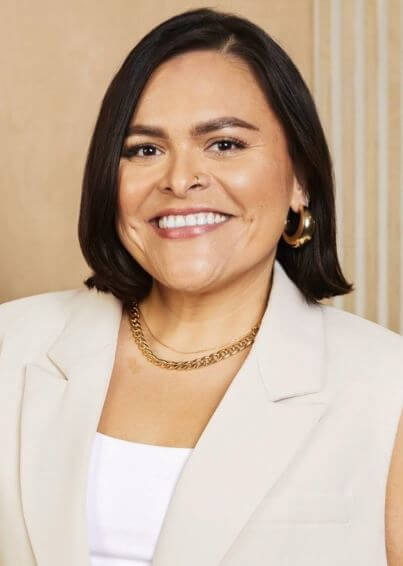 Adriana Rodriguez, LMFT, is a psychotherapist, educator, and community builder based in Sacramento, California. Her work centers on generational healing, relationships, family dynamics, and the ways culture, identity, and larger systems shape our lives. As a Salvadoran immigrant and first-generation college graduate, Adriana brings both lived experience and a systemic, trauma-informed lens to her work.
In addition to her private practice, she teaches graduate-level marriage and family therapy, provides consultation and training, and creates spaces for therapists to connect, reflect, and build community. Learn more at wellnesswithadri.com and adrianarodrigueztherapy.com.
In this Podcast Episode: Decolonial Stewardship and DEI in Therapist Education and Supervision
Adriana starts with the self of the therapist, drawing on Harry Aponte’s work and Bowen’s concept of differentiation to explain why decolonizing your practice begins with looking at what you have internalized. She shares what she has noticed as DEI conversations go quiet across trainings, organizations, and classrooms, why she feels more responsibility to name what is happening in the world with her students and clients, and how one grad school comment about her baby blue sweater and gold hoops shaped years of her professional life. Curt asks how she holds advocacy and gatekeeping roles at the same time, and Katie asks how majority-identity therapists can be allies without becoming saviors.
Key Takeaways for Therapists: Embodying DEI, Cultural Humility, and Decolonial Practice in Supervision and Training
“Decolonial stewardship is really requiring us to question the assumptions that we have about professionalism, about what healing is, about who is the expert and who holds the authority when we are working together.”
— Adriana Rodriguez, LMFT
- Treat trainings as the start of the work. Adriana asks therapists to look at what actually changes after a DEI or cultural humility CE: how you supervise, hire, compensate, and treat the people you work with.
- Decolonizing your practice starts with the self of the therapist. Building the capacity to metabolize the truth about your positionality, including the ways you participate in systems you never chose, keeps guilt and shame from stalling the work. Bowen’s differentiated, non-anxious presence offers a frame for staying alert without shutting down.
- The quieting of DEI shows what was only a checkbox. When mandates and heritage month invitations disappear, stewards decide whether these conversations continue. Adriana names the fear many immigrant clients, students, and clinicians are carrying right now and feels added responsibility to acknowledge it in class and in session.
- Colonized professionalism still shapes who feels they belong. Adriana points to rules about dress, gold hoops, red lipstick, drinking water in session, and video backgrounds that leave clinicians far from white, Western norms feeling inadequate. So do agencies that hire bilingual clinicians and still have no forms in Spanish.
- Gatekeeping roles call for compassionate accountability. Marginalized clinicians carry internalized colonialism and ableism too. Catching it without self-shaming keeps the focus on the students, supervisees, and clients who need you, and lets the gatekeeping role become a way to pull people into rooms they would not otherwise reach.
- Allyship means treating first-generation colleagues as equals. Adriana describes a passing conference moment with Katie that changed how she saw herself. Stewards with privilege can throw a life raft, open doors, and offer respect without needing to rescue anyone.
“I have stuff that I can offer, I have privilege, but I don’t need to go save people. I need to treat them like my equal.”
— Adriana Rodriguez, LMFT
Resources on Decolonial Stewardship, DEI, and Cultural Humility for Therapists
We’ve pulled together resources mentioned in this episode and put together some handy-dandy links. Please note that some of the links below may be affiliate links, so if you purchase after clicking below, we may get a little bit of cash in our pockets. We thank you in advance!
- Adriana Rodriguez’s website: wellnesswithadri.com
- Adriana Rodriguez Therapy: adrianarodrigueztherapy.com
- Adriana on Instagram: @adri_rodriguezwellness
- Pedagogy of the Oppressed by Paulo Freire
- Concepts discussed: self of the therapist, Bowen family systems theory (differentiation, non-anxious presence, multigenerational transmission process), cultural humility and cultural responsiveness, positionality and intersectionality
Relevant Episodes of MTSG Podcast
- The Person of the Therapist: An Interview with Dr. Harry Aponte
- Bilingual Supervision: An Interview with Adriana Rodriguez, LMFT
- How Therapists Can Support Community-Building in Immigrant and Marginalized Populations: An Interview with Adriana Rodriguez, LMFT
- Family Therapy: Not Just for Kids – An Interview with Adriana Rodriguez, LMFT
- Decolonizing Therapy: A Movement – An Interview with Dr. Jennifer Mullan
- Therapy as a Political Act: An Interview with Dr. Travis Heath
- Cultural Humility and White Fatigue: An Interview with Dr. Sonya Lott, Ph.D.
- Special Series: Becoming a Therapist – Becoming a Therapist as a First-Generation Clinician-in-Training: An Interview with Marvin Vasquez
- Allyship Is Awkward: How Therapists Can Keep Showing Up Anyway
- Reacting to Regime Change: How Therapists Can Advocate for our Clients and Communities
- Exploring Systemic Trauma and Relational Privilege with BIPOC and LGBTQI Couples: An interview with Akilah Riley-Richardson, MSW, CCTP
- When Laws and Ethics Conflict: Civil Disobedience, Social Justice, and Our Role as Therapists
- What Maslow Missed in his Hierarchy of Needs – The Native Self Actualization Model: An Interview with Dr. Sidney Stone Brown
- Advocate From Where You Are: How Therapists Can Support Inclusion as DEI Gets Rolled Back
- Finding Possibility Within Harmful Systems: Hope, Solidarity, and Systemic Thinking in Therapy – An Interview with Travis Heath, PhD
Meet the Hosts: Curt Widhalm & Katie Vernoy
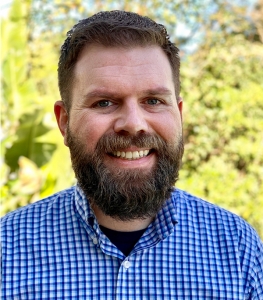 Curt Widhalm, LMFT
Curt Widhalm is in private practice in the Los Angeles area. He is the cofounder of the Therapy Reimagined conference, an Adjunct Professor at Pepperdine University and CSUN, a former Subject Matter Expert for the California Board of Behavioral Sciences, former CFO of the California Association of Marriage and Family Therapists, and a loving husband and father. He is 1/2 great person, 1/2 provocateur, and 1/2 geek, in that order. He dabbles in the dark art of making “dad jokes” and usually has a half-empty cup of coffee somewhere nearby. Learn more at: http://www.curtwidhalm.com
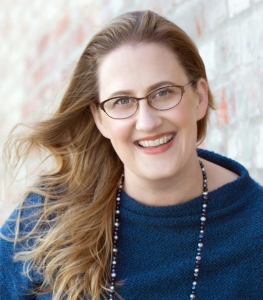 Katie Vernoy, LMFT
Katie Vernoy is a Licensed Marriage and Family Therapist, coach, and consultant supporting leaders, visionaries, executives, and helping professionals to create sustainable careers. Katie, with Curt, has developed workshops and a conference, Therapy Reimagined, to support therapists navigating through the modern challenges of this profession. Katie is also a former President of the California Association of Marriage and Family Therapists. In her spare time, Katie is secretly siphoning off Curt’s youthful energy, so that she can take over the world. Learn more at: http://www.katievernoy.com
A Quick Note:
Our opinions are our own. We are only speaking for ourselves – except when we speak for each other, or over each other. We’re working on it.
Our guests are also only speaking for themselves and have their own opinions. We aren’t trying to take their voice, and no one speaks for us either. Mostly because they don’t want to, but hey.
Join the Modern Therapist Community:
Podcast Homepage | Therapy Reimagined Homepage
Facebook | Facebook Group | Instagram | YouTube | LinkedIn | Substack
Consultation services with Curt Widhalm or Katie Vernoy:
Connect with the Modern Therapist Community:
Our Facebook Group – The Modern Therapists Group
Modern Therapist’s Survival Guide Creative Credits:
Voice Over by DW McCann https://www.facebook.com/McCannDW
Music by Crystal Grooms Mangano https://groomsymusic.com
Transcript for this episode of the Modern Therapist’s Survival Guide podcast (Autogenerated):
Transcripts do not include advertisements just a reference to the advertising break (as such timing does not account for advertisements)
… 0:00
(Opening Advertisement)
Announcer 0:00
You’re listening to the Modern Therapist Survival Guide, where therapists live, breathe, and practice as human beings. To support you as a whole person and a therapist, here are your hosts, Curt Widhalm and Katie Vernoy.
Curt Widhalm 0:15
Welcome back, Modern Therapists. This is Modern Therapist Survival Guide. I’m Curt Widhalm with Katie Vernoy, and this is the podcast for therapists about the things that we do in our work, the ways that we hold ourselves in the field, and we are in our mini sprint about stewardship and specifically who our profession is actually being preserved for. Because if preserving the craft means burning out bilingual and first-generation clinicians, while protecting old hierarchies, we’re not stewarding the profession. We’re just running an exclusive club that sometimes has people with more melanin in their skin. So, to help us reframe stewardship as an act of community care and collective accountability, we are bringing back an old friend of the show, Adriana Rodriguez. Thank you so much for being here.
Adriana Rodriguez 1:02
I’m so excited and so thankful always.
Katie Vernoy 1:05
Oh, it’s so good to see you, and I’m so excited to talk with you about this. But before we get started, I’m going to ask you the question we ask all of our guests, which is, “Who are you, and what are you putting out into the world?”
Adriana Rodriguez 1:16
I feel like I’m getting better at answering now. I am Adriana Rodriguez, a licensed marriage and family therapist, and I am also a Salvadoran immigrant. I came to United States as an adolescent, and I make sure that I don’t talk about being like a kid immigrant because experience of being an adolescent feels so different for me. Of like this experience in two worlds that I understand really well, and then also, I have a lot of first generation experiences. I’m a first generation college graduate, like the first one out of 52 first cousins that I have, and so all of these things like really inform a lot of the way that I see the world. I’m an educator currently teaching at Samuel Merritt University in Northern California. I am a supervisor, and most importantly, a community builder. I think like this, I’m I’m in a season where I just want to meet with people that want to have conversations that matter. And a lot of the times, my friends are therapists, and so we end up things talking about things that are like just awesome. But where do these conversations happen outside of our very private rooms? And you know, so moments like this are always like these opportunities of like yeah let let’s talk about this and let’s have other people hear it out because personally for me my work centers in generational healing and relational dynamics but foundationally in systemic thinking and the creating of the opportunities for connection not only relationally as humans but also the relationship outside the world that we are experiencing, and most recently, I’ve been just kind of owning that I love being a therapist. That like my whole identity is being a therapist. I love talking therapy. I love thinking therapy, and so it’s really fun to be an educator because I get to geek out in all of these topics, but also be reminded about what a wealth of knowledge that we have, you know, when we talk about we’re not hairdressers, or you’re pouring our problems, it’s like no, like we know textbooks worth of things, and so I love therapy talking and finding ways to disseminate that into more of the public. And in terms of this conversation, I think I’m really interested too in helping clinicians recognize that we have a responsibility to our clients and also to our communities and to one another as colleagues. And what I’m putting out into the world, I think, right now is leading with curiosity, leading with connection. I think a lot of people are feeling isolated, and also compassionate accountability. This is not an episode that is about calling you out. It’s about calling you in and thinking about how do we hold ourselves accountable as you know the elders in the profession. And yeah, so that’s what I’m putting in the world.
Curt Widhalm 3:54
This sprint of episodes that we’re doing is about stewardship, and this is a phrase that usually sounds pretty noble right up until you actually examine it, and it looks like it’s a polite code for this is how he’s always done it. So please stop asking uncomfortable questions. So, if this is really a lot about preserving traditions or following professional board mandates from a DEI, from a Decolonial framework, how do you really look at being a steward of mental health today?
Adriana Rodriguez 4:28
What a big question. I have moved away from this is a checkbox. I don’t know that I have ever lived in that this is a checkbox, but I know that in maybe in our work and our CE requirements or the training at work, the DEI has become like this hot word. Even though this year feels very different, actually, and I want to share about that a little bit later. But I think one of the the things that I’m holding is how do I challenge my colleagues, my students, and myself after we go to these trainings? Not only gathering information, but actually changing our practices. Like what does it mean to be decolonial? What does it mean to follow diversity, equity, and inclusion initiatives? So we have, at some point, I think in some in some ways, just like getting the check mark that I went to the training. But what are you doing with that information after? I think like that is like how I see the stewardship. That our job is not only to disseminate information, but also to embody this information in some ways. But what does that look like? How does it change us? How does it invite us to examine power, privilege in our clinical practices, and our supervision practices, and our education practices? And I think that cultural humility, right, we move from cultural competency to cultural humility to cultural responsiveness. I think we’re like in this world that we understand that this is important, but we still don’t even have like solid language that is guiding us at times. Like, what is it that we’re doing with this DEI that we’re learning in the trainings and the CEUs that are required? So, for me, as a steward of the profession, it’s about movement into embodiment and in practice beyond just going to a training and checking the box.
Katie Vernoy 6:13
It’s interesting because as you’re talking, I think there’s a reason for the check box because, and I’ve talked about this on the podcast before, when you go into the quote-unquote DEI trainings, the ones that are more culturally focused or focused on populations that aren’t typically focused on in grad school, those trainings are often attended by clinicians who have lived experience of what’s being talked about, not a lot of folks who don’t have that lived experience, and they’re oftentimes not as well attended. And so, I think there’s a systemic need to have “quote unquote” the checkbox. But I love this idea that when we go to those trainings, that we figure out how we’re going to embody those things. And we’ve had, I guess we’re getting really close to nine and a half, 10 years of conversations where there’s a lot of those things, and I think we we’ve tried to embody those things. But I’m curious when you’re talking to your students or when you’re working with your supervisees, what are the things that are kind of initially approachable as far as how we embody some of these principles, these decolonial principles, these types of things, because I think that might be helpful as a as a foundation for some of our newer listeners.
Adriana Rodriguez 7:32
For me, what comes up is this beautiful interview that you all did with Harry Aponte, like in 2020. Like that is like one of the staple podcast episodes that I give almost in every clas. And for me, hearing Harry Aponte talk about the self of the therapist, I think that that’s where this takes me, right, that in order to decolonize our practices, we have to understand what the colonization looks like inside of us. What are the ways that we have internalized the oppressive systems? And so as a beginning practice, it’s like how do we teach our students to become open to touching these areas that can be uncomfortable, especially if you are a person who holds privilege, right? That this is not a place to come and feel guilty about your privilege or shame you about your privilege, but to understand how do we in an ocean where some people are swimming holding on to a piece of wood versus people that are in a yacht somewhere in the therapy world, right? That there are like really big gaps in our training and our experiences, and so for me, it’s really important that self of the the therapist work because yes, knowing about systemic oppression is good. I want you to know that there is systemic oppression, and I want you to understand how systemic oppression works in this like philosophical systems oriented sort of thinking. But how does knowing about systemic oppression changes how you are showing up as a student, how you are supervising, how you’re hiring, how you’re compensating, how you’re treating people, right? And so it’s like that’s the embodiment that goes beyond ‘I learned about systemic oppression, and it sucks that some people are marginalized.’ Okay, and then what?
Katie Vernoy 9:16
Yeah.
Adriana Rodriguez 9:16
Because maybe you are you have a yacht that you are kind of like cruising the therapy world in right, and we see that in in some the Facebook groups we see like the range of like, hey, how much does a therapist gets paid, and we see that the the ranges are ginormous at times, right? And so, for me, where I start is in like that self of the therapist and building the strength within ourselves to question and to manage the anxiety that may come up as you realize that you too participate in some of the systems, whether you want to or not, that you too have internalized some of these messages, whether you want to or not, and building that capacity within ourselves, allowing to metabolize the truth about your positionality, the truth about your intersectionality, and how do then we build on that? Because the self of the therapist, like we are, we are showing up as people in the room, and if we do not have the capacity to explore those things within ourselves, it’s going to be really hard to then explore it with our clients.
… 10:18
(Advertisement Break)
Curt Widhalm 10:21
You’re an educator. You’re a clinical supervisor. I’m hoping that these conversations are something that you’re screaming in every, well, maybe not screaming, but pushing in every classroom from the beginning of people’s careers, in every supervision. You’re talking about the anxieties that show up. How do you continue to prop people up when they have kind of the more institutional other professors or the more institutional other supervisors that are: Okay? That’s nice. Now get back in your box. Is the other message that they’re getting? How do you help encourage this continuing message?
Adriana Rodriguez 11:02
I mean, it’s a hard one because the locus of control just becomes out of control really fast, right? Like what I can control and what can I set people up? It’s hard to control who the next professor is going to be, what their philosophy of the work is, and so for me, what I try to do is to create that safety to explore yourself as you are going through the process of learning. Like for example, I’m teaching systemic models right now, so like entry level modern models, right? And so one of the ways, and one of our assignments that we did is Bowen, right? I’m a I’m a Bowenian at heart, the multi generational transmission process, and one of the concepts that I hold on to is the need for us as therapists to be differentiated, and from a Bowen perspective, to be a non-anxious persona. How do you do that if you also have your own trauma and you’re also run a little anxious, right? And so, using our methods, our models, like we have information about how to investigate these things, right? But again, if our professors were not trained in that way, will they keep that in mind as they’re teaching? If our supervisors were not supervised that way or were not trained in that way, will that will they keep it in mind? Because I think at the heart of many, at least in family therapy for us as MFTs, it came from the realization, Minuchin, Aponte, Satir, right that the intrapsychic wasn’t the only thing that was impacting people, but that the world that they were living into was impacting people. So I do think that cultural responsiveness, DEI, all of this has lived at the heart of our profession, and it actually is like I don’t know why it gets lost. Because when you study those like original models, right? It’s like what did Aponte do? It’s like, well, something’s going on in this neighborhood. Like, what? And so I wonder, like, why are we not making those pit stops in class to actually examine that at the core of our profession? And and particularly for me as an MFT, that we’re relational people, and that we’re in relationship not just with individuals, but also with the world around us, our family system, and the systems at large. So, what I try to do is to make it as safe as possible to be able to hold on to and and become that differentiated person that is able to question and look at themselves and manage their anxiety, take care of their anxiety in a way that still keeps you alert, but keeps you going rather than shutting you down. Sometimes, the DEI perhaps trainings can feel really scary for people because we’re gonna throw you in into pushing yourself in one hour, and that really is not sufficient to really change how we operate, especially those internalized ways that the world and that the systems also that benefited us of have oppressed us. And so, I don’t know necessarily that it changes how everything else happens in their education, but at least I’m hopeful that I am setting up the space to question and to remember that the self of the therapist is always active, and that we have a responsibility to be able to stay with the hard topics, including issues of oppression. You know, not only trauma, not only abuse, but also the systemic abuse and systemic trauma that people experience. So, I wish I could do more, but that’s what I do.
Katie Vernoy 14:21
Yeah, yeah. No, it’s hard because there’s there’s only so much each individual person can do, and as does all of the things, the systems around us continue to be impacted by the larger systems in the country, in the world, those types of things. And you had said earlier that this year has felt a bit different. I know we had you come on and talk recently. I guess not recently, like a year ago, something like that. But there are a lot of things that are happening in the world that are very impactful on the mental health of our clients, of clinicians, as well as how the systems operate. I mean, with the DEI mandates kind of going away, those types of things. Like I think there’s there’s a lot of shifts, and so I guess I’m opening that up to what were you talking about earlier, but also what are the things that you’ve seen that have been impactful systemically that you’ve wanted to make sure that you address with the the younger clinicians, the newer clinicians that you’re mentoring.
Adriana Rodriguez 15:28
You know, one of the conversations that I was a part of recently was about how we all used to get booked September, October Hispanic Heritage Month. Hey, let me get a talk here. Let me get a talk there. I have done zero talks this year. No one reached out, right? And so, from a systemic perspective, like I zoomed out, well, yeah, like as a clinician or as a speaker, right? Like I’m not making my money that usually comes around this kind of like projects. But most importantly, goes back to this: like, if this is not a checkbox, are we just not going to do it anymore? Like, is that really what’s happening in the world? That because the checkbook went away from the larger system, the government said, “Hey, we’re not gonna do DEI anymore,” and that has trickled down. My fear is that that has trickled down into our classrooms and into our supervision, right? That if what we’re seeing, because it’s not only me that has been noticing this like quieting down of these conversations, it’s they’re not happening in the way that 2020, 2021 where we had this like big push, and I think that that is the systemic influence of some of these requirements being part of the check box and organizations or people not embodying the necessity that is happening. So that’s one thing that comes up. At a second part, as a personal level, as an immigrant, as a as Salvadoran American, because I am also American and a citizen, it has been really discombobulating and really scary as a woman, as a queer person, but also as an immigrant and as a person of brown skin, living with that fear, you know, last week there was a lot of social media posts that ICE was in Sacramento, not too far from where I live, and I could feel my anxiety just like rise up. And remembering, I am privileged and I am a citizen, but there is something about the fear that feels just so different in the way that we’re carrying it, also because of my own positionality. A lot of my clients are also adult children of immigrants or immigrants themselves, and so I’m noticing this like anxiety because there is privilege. I hold a lot of privilege. My clients, in some ways, hold privilege as well, and even with that privilege, you can feel it just right underneath this fear that is like living inside of us. And then you’re not seeing in the world rainbow flags. You’re not seeing in the world talks about DEI. You’re not seeing in the world Target commercials. Right, sort of like as a very general, what is the world doing around DEI has gone really quiet. And so, for us marginalized folks who connect more directly, I would say that I doubt that not a single person in those moment is being impacted by these things. But particularly speaking in my experience as a person of multiple marginalized identities, is the world feels a little bit scary, and so when I show up to the classroom, there is a necessity for me to show that vulnerability. It is not the time for me to come and talk about how I’m scared or why I’m scared or what I’m doing. That’s my therapy work. But there is a necessity to acknowledge and to take into account. Similarly, with the Cornell case that is happening, I think that that has opened up like a whole another areas of vulnerability for people of recognizing the way the patriarchy is internalized in all of us, what our reactions have been, what have been our own instances of feeling unsafe around men, right? For a lot of the women that I work with, and so as a therapist, I cannot imagine a client showing up and walking in and being like, well, we’re gonna continue to talk about the same thing that we’ve been talking about, or this worksheet. And granted, our clients get to drive the work, right? So maybe there’s not always this presence that this is something that is related to your mental health. But for me, as a clinician and as a professor, I am going to say this is part of the world that you’re living in, and this is showing up for you in ways that maybe you’re aware or not aware of. So those are some of the kind of from the outside system, the change of the quieting down of DEI, moving into the personal and then the way that I show up for my clients and my students. I almost feel a a little bit of an extra pressure to make sure that I’m talking about of these things, because there is a quieting down that has happened. At least that’s how I’m experiencing it.
… 19:45
(Advertisement Break)
Curt Widhalm 19:47
We talk about this in the introductory episode to this sprint about when it comes to Katie and my principals about DEI, about being stewards. That when it’s not in vogue, still following through on it is who you really are as a person. And I know that there’s a lot of therapists out there that are feeling alienated by institutions, by their therapist associations, by their licensing boards on equity and DEI. You’re talking about continuing on these conversations from the podiums that you have as a professor, as a supervisor, is there more advocacy really going on around continuing this DEI stuff, or is it even from your perspective, everything is just kind of pushed off into the corners because we don’t want to ruffle any feathers or draw too much attention to us.
Adriana Rodriguez 20:44
My perspective is that we are not doing a good job as a field to keep this in the forefront, particularly right now. I think it feels so confusing that right now that we’re going through all of these things and that actually the news cycle is making us speak about these things, is when our organizations, our therapy groups, our trainings, are talking less about systemic issues and how they’re showing up in the classroom, in supervision, or in the therapy room with clients. And so it makes me think about stewardship, right? Something about I was joking with with my wife the other day that I am like an elder therapist now. Like I’m in my 11th year, 12 year practice, which is kind of like kind of wild to say because I’m not a baby therapist anymore. Like I’m, I’m a whole like adult leading the way, right? And so stewardship, when when we first kind of like threw the the word out there, it felt like such a like a big responsibility. Like I am the guide coming in, and like I am, you know, bringing like ushering people. Like there’s something about that, like in my my my image of stewardship, such a big responsibility. And so stewardship, right, what do stewards do? They guide, they protect, they make sure that everybody’s safe, that you know that we’re making the adequate changes that are necessary. But what if the stewards themselves are not in awareness of this responsibility that they have, that is inclusive of systemic oppression? Right, that the stewardship is like let’s pass a licensing exam and make sure that you know the models and that you know the concepts and that you know how to follow from A to Z the model that your preferred model that you’re studying or using in your practice. And so what happens when the stewards themselves have not done the self of the therapist work or and or systemic evaluation of how systems impact the work that we do and how we show up for others? You know, and so that’s a part of as a steward, when I went to grad school in 2008, 2009, we didn’t even have a cultural competence recognition. Like that was nothing. We didn’t have first gen centers at the universities that I went to. We didn’t have a lot of things. And so, if I, myself, as a person of again multiple marginalized identities, did not receive this training, and I know that all this training has been part my own work because I am deeply impacted by the systems. Also, working in community mental health, where the systems inevitably are there, because if I am going to be working with a family but they don’t have food to eat, then how am I going to bring my precious interventions to them if this family is going hungry, right? So my question about stewardship is, well, who are the stewards and what are the stewards about? Because a lot of the stewards don’t feel like they’re vibing with me. They are just sort of concerned in keeping the traditions of therapy. They’re concerned in keeping, you know, passing exams and getting CEUs because they’re part of the check box, and so sometimes it feels a little bit scary to not encounter a lot of stewards that are really, really down for the cause type of thing.
Katie Vernoy 23:53
It’s interesting when you were talking about stewardship and and the definition that you have for it, or the way that the ways that you’ve defined it. I love that. I love it, and I don’t know that that’s how I’ve really seen stewardship in action. I think much like what you’re describing, stewards have a strong motivation to maintain the status quo. They got to the top of the pile. They got to the the the place of leadership based on the things being the way they are, and sit with a certain amount of privilege that they oftentimes want to protect. And sometimes I think it goes into this mindset of, well, if we do too much change, it could diminish our clinical excellence, or it could diminish our ability to be respectable, or some BS excuse that oftentimes is just I’m served by the status quo. It’s interesting to think about the responsibility being one of shifting and changing and adjusting and recognizing the injustices or the systemic problems that need fixing. Because I feel like that’s where I’ve always sat. I oftentimes was told to shut up in a lot of spaces that I was in. I’m assuming that you’ve had some of those those conversations as well.
Adriana Rodriguez 25:11
Many.
Katie Vernoy 25:12
And so I’m I’m curious when you step forward into this newer role for you of being a steward, where do you start? Where do you where do you look as far as how do I start trying to make an impact and and shaking us out of the status quo? Because I agree, I don’t think the status quo works for us.
Adriana Rodriguez 25:35
Yeah, what comes up for me as I hear you is how did I know that I needed to do that? Like, why did that become my definition? Like, it made me question kind of quick when you share your definition. And again, necessity. I saw my colleagues struggling in the same way that I was struggling, and we all just kind of came together as a community to support one another, sharing knowledge amongst peers, right? And that’s this is something that I’ve talked about before here, as you all have created this space of talking about the difficulties of being a bilingual supervisee with a monolingual supervisor. Challenge that when you go to your organizations, you’re expected to be a bilingual clinician, but they don’t have any forms in Spanish, right? So I think that the acknowledgement of my responsibility as a as an elder, as someone who is just like two three steps ahead of someone, is that I suffered, and I don’t necessarily want you to suffer like I did. I do not believe in that. Like, why would I want that for you? And so, I think this idea of the stewardship and how it was created for me really had to do with maybe like the wishes that I had for the people that were stewarding me, because I did not get that type of support. I got to share this story about I was wearing this baby blue sweater and some gold hoops in grad school once, and I got pulled up into a little room to talk about that I was being distracting, and I was wearing like a little baby blue sweater and some like normal hoops. I stopped wearing hoops as a therapist for years, and it took again to like bump into other Latinas that were already wearing red lipstick, that they were wearing tennis shoes, that they were doing like all these things that I thought were inappropriate because of that one interaction. I remember this, you know, man bringing me in and saying, “I really think that you should reconsider how you’re dressing because it’s a little distracting.” At that point, from the power dynamic of a professor saying that to you, because there is an inherent power dynamic, I was being scolded. I was being told ‘how you’re showing up and your intuitive way of showing up is not okay,’ and so decolonial stewardship, if we kind of take bring in decolonial and what does it mean to question how we’ve internalized all of the systems? I think decolonial stewardship is really requiring us to question the assumptions that we have about professionalism, about what healing is, about who is the expert and who holds the authority when we are working together. As I was prepping for this fall, I did a little bit of a refresher on Paulo Fieri, ‘The Pedagogy of the Oppressed’ and just like, man, like there is like all these things that are important to keep in mind as I steward this new generation, the students, and so it is interesting to me that this wouldn’t be the lens that stewardship would take. But I think my own lens was really created by the necessity and my own experiences of what I didn’t get, and that is really what makes me keeps me motivated to make sure that my voice doesn’t disappear from the larger, you know, masses. I am gonna be in the top of the hill talking about these things because I know that still, in fact, the other day on TikTok, I saw a younger clinician talking about, “Hey, does anybody have any Spanish forms?” And literally, my stomach shrank and my heart ached because I’m like it’s 2026. How does an agency in 2026 not have the proper forms in Spanish for your bilingual clinicians that you know are gonna be serving Spanish speaking people, right? And so it actually shocks me that I see these cycles on and on and on of people just trying to steward each other and themselves, maybe like one or two steps ahead, but that this stewardship is not in general in our in our profession decolonialized because we’re still talking about: what is appropriate to dress up. Can you drink water when you’re in session? What is the the background that you should use? Right, we still have a lot of colonized ways in which professionalism is being led by white supremacist ideals. And for those of us that are very far away from white supremacy ideals, we’re gonna feel inadequate often. And I don’t want that for anyone because that took a while to heal from. It’s myself to build my confidence of showing up places with red lipstick and with gold hoops, you know. But I had to learn that by myself that it was okay to do. Nobody gave me the permission; rather, they took the permission away from me, and that was really painful for a really long time. And I didn’t even realize it hurt.
… 30:15
(Advertisement Break)
Curt Widhalm 30:17
As you progress through your career, you’ve taken on a lot of these different positions, knowing and embracing and helping you celebrate all of your advocacy, you’re also moving into and have moved into a lot of gatekeeping positions. How do you balance out now being part of the system and holding both hats here?
Adriana Rodriguez 30:42
Oh, that one is is a hard one because I can feel the colonialism inside of me often. I can feel the ableism inside of me often. I can feel the the way that my eye criticizes or judges from afar, and that I had to be like, “Hey, wait a minute, we don’t know, right?” And so it is really an experience of a lot of awareness and a lot of compassionate accountability. I am gonna catch myself in those moments where my colonial, my systemic oppression has to become internalized. I have to be okay with that. That even as a marginalized person, because I hold some privileges, I am too going to be problematic at times. What what I want is to catch myself to ensure that I’m not passing that harm outwardly, whether it’s to a student, a supervisee, or a client. But it goes back to like the the earlier part of the conversation. It really takes that self of the therapist awareness to be able to say like, I was just ableist right there, and I can’t judge myself. I can’t. I I want to understand why I’m feeling that way, and what can I do then to proceed in a way that is more equitable to meet the person where they need to be met. But the balance of gatekeeping and how do we decide who gets to be our colleague, who gets to be with us in the cool kids’ room. It feels like a big responsibility and a responsibility that is, it’s a gift because I get to pull in people with me in the school rooms that wouldn’t generally be pulled in into the rooms, and I don’t know that all the stewards are thinking about bringing people like me along for the ride with them, and I and I want them to be thinking about people like me because we’re navigating a lot for the first time, y’all, and also in a very scary world. And we need some help. You know, maybe you can put it, you cannot put us in the yacht with you, but throw us a little life raft. You know, so that we don’t have to be hanging on to the piece of wood as we are, you know, floating in the sea of just worries, anxieties, and just like the humanity, you know, of like what we’re going through as a collective. So it is hard because the systems, these oppressive systems, live within me, live within all of us, and can we have the humility to recognize that this is going to happen, that this is going to impact some of your decisions. But as you recognize it, can you become accountable without beating yourself, without shaming yourself? Because that’s going to get you stuck, and it’s not front facing towards the people that actually need you to show up if you just get caught up in like your feelings about it. And so, how do you make the space to be aware of your role as a gatekeeper, the fact that you have internalized gatekeeping with oppression, and how do you gently but with accountability push yourself to embody the things that you’re learning in these trainings?
Katie Vernoy 33:37
I know we’re starting to get a little bit longer on time, but the thing that came up for me, and I’ve been in, I guess, the the the steward role for longer than either of the two of you, and I’ve gone through a huge journey in a lot of different ways. Some of it, what you talked about, kind of the gatekeeping, and and especially I think ableism, and you know, kind of colonial ideas of professionalism that that I I still try to sort through, but I think on the other end, I’ve I’ve found myself really grappling with the the kind of saviorism, and and even as you were saying, like you don’t need to put us in your yacht, but throw us a life raft. I’ve had I felt weird about it. I don’t know how to say it in a different way. I don’t I don’t have anything eloquent to add to that. But I I would love to hear your thoughts about ways that majority identity therapists, non marginalized or fewer has more privilege. Someone like me, how we can be an ally and not be a savior or looking for a gold star or some sort of performative piece? Because I think there’s there’s a lot of good intentions that can also I think be harmful in the long run.
Adriana Rodriguez 35:00
You know, Katie, as you were speaking, one of the things that came up for me is like this memory, it makes me emotional because I think it changed me interacting with you in a way that I don’t think I could ever express, and it’s making me emotional because a few years back when we first started interacting with each other, and I was going to speak at your conference, I was really nervous, and you came by and you said, “How are you doing?” And I said, “Oh, I’m like really nervous.” And you said something along like, “We brought you here. Like we’re paying you for this. You’re good. Like we believe in you.” And you said it as a passing comment, and you went along because you were hosting a conference. And I was like, “Damn, that’s right.” And I respect Katie, and I value Katie. And Katie has opened this door not because she feels sorry for me, and that was kind of like what I held on to. It’s like that you guys have never opened this door for me because you feel sorry for me, but because more than ever, I feel like you’re equal. And that was an experience that five, six years ago, seven years ago, when I first met you, I don’t know that I felt that way. I I think I still had my little first gen heart coming into this like space that I am unfamiliar with, and I don’t know. And so I don’t need to be saved, but I need to be supported. And so that moment, I you know, I it was some passing moment for you, but I cannot express you like how much that foundationally changed how I see myself, and maybe it is because you are a white woman who has been in this field, and you were able to validate me and say like, “Oh, this person that holds power is approving of me and saying, ‘Yes, you got this,’ right. Maybe partly it was that that I needed that external validation, but stewardship supervision is where we’re teaching the clinical skills, reproducing professional culture in moments like that. They don’t have to be like, let me teach about DEI so that I could prove that I embody DEI. It’s about those moments and believing and being able to see people that maybe don’t feel like they belong as an equal in offering those spaces and that pulling in, because as first generation clinicians, we are navigating unfamiliar institutional expectations that are not valuing our cultural knowledge and our lived experience, right? And so, being able to find spaces where I not only feel safe but I feel respected. I got my safety. I’m good. Like I, I know how to keep myself safe. I know how to navigate it. But can I feel also respected in a space when I’m with you? Can I be seen as an equal? Can I be given the same opportunities of the people that are in the yacht, even though I’m in a raft, and that is also the job of stewards: to make sure that we are opening the door and that we are challenging what professional culture looks like. Not because we should all be unprofessional and showing up, you know, like we just woke up and roll out of bed and go into session, right? Like perhaps once in a while that that may happen, but what does professional culture look like when you have been living in a yacht for a long time, and the people that are coming and trying to move into the yacht are still only learning the rules of being like really squished together in this like little raft? They’re not gonna feel like they belong. They’re not gonna feel like they’re in the right place. They’re not gonna take the space for a variety of reasons, and so as stewards, I think the cultural humility, maybe just in general, the general humility of being like, I have things, I have stuff that I can offer, I have privilege, but I don’t need to go save people. I need to treat them like my equal, would be the the part like that comes up for me. Because that moment I cannot explain to you how much it meant for me, because it probably was the first time that I felt: you see me as an equal and that felt really good because I am your equal. But sometimes when I walk into spaces, even now, I don’t necessarily feel that. So that comes up for me.
Katie Vernoy 39:03
Well, I’m so glad that that was. Um. Oh, okay. I can’t even respond, so I’m just gonna say thank you, and I meant it.
Adriana Rodriguez 39:11
And I know you did.
Curt Widhalm 39:13
When you’re talking about the fewer calls that you’re getting, the fewer people reaching out for the DEI kind of talk. Where can people reach out to you to do those things, and where can people find you?
Adriana Rodriguez 39:33
I am on the internet partially, some days more than others because I am like an emotional poster. I think when I see something that is going on, I post about it. I’m not very good at maintenance, but generally you can find me on Instagram A-d-r-i, Adri underscore Rodriguez R-o-d-r-i-g-u-e-z Wellness, and that is kind of like my main hub. You can also find me in wellnesswithadri.com, which is like my general, come have coffee with me. Come listen to my podcast. Come have a conversation. I want to get to know you. And then for therapy, adrianarodrigueztherapy.com. So those are the places that I gravitate. I don’t even have business cards. I have stickers that I give out to people now. So you cannot find me in like paper anywhere. I’m just like literally on people’s water bottles, that’s a sticker or online.
Katie Vernoy 40:24
I love that.
Curt Widhalm 40:25
We will include links to Adriana’s stuff in our show notes over at mtsgpodcast.com. Follow us on our social media. Join our Facebook group, the Modern Therapist Group, to continue on with this and other conversations. And until next time, I’m Curt Widhalm with Katie Vernoy and Adriana Rodriguez.
… 40:43
(Advertisement Break)
Announcer 40:44
Thank you for listening to the Modern Therapist Survival Guide. Learn more about who we are and what we do at mtsgpodcast.com. You can also join us on Facebook and Twitter. And please don’t forget to subscribe so you don’t miss any of our episodes.




SPEAK YOUR MIND