

Advocate From Where You Are: How Therapists Can Support Inclusion as DEI Gets Rolled Back
Federal funding for mental health is being cut. Universities and agencies are pulling DEI language off their websites. If you have spent years caring about representation and access in this field, it can feel like the institutions you expected to carry that work have stepped back, and you are left figuring out what to actually do on a Monday morning with a full caseload and limited time.
Curt Widhalm, LMFT, and Katie Vernoy, LMFT, kick off a new sprint of episodes built around two of the principles that have guided the podcast for nine years: representation and inclusion strengthen the field, and therapists are stewards of the profession. They skip the case for why representation matters (you already know it does) and dig into the harder questions. How do you support access without propping up a broken system? Why does calling out other therapists so often come from a place of privilege? And what does advocacy look like when it has to actually move the needle?
Curt and Katie realize that everyone has their own particular situations, and they are honest that the answers depend on your context. The conversation gives you a way to weigh the trade-offs for yourself, along with a reminder that doing something small still counts.
Click here to scroll to the podcast transcript.Transcript
(Show notes provided in collaboration with Otter.ai and Claude AI.)
In this podcast episode: Being a Steward of the Profession When the System Is Broken
Curt and Katie introduce their representation and inclusion principle and their stewards of the profession principle, along with the line they hold on each: no gatekeeping or elitism, and no professional shaming or call-out culture that treats systemic problems as individual therapist failures. From there, they work through the tensions these principles create in real practice, from insurance and DMH reimbursement requirements, to cultural modes of healing that do not fit neatly into an evidence base, to who gets left out when the profession talks about diversity. Upcoming episodes in this sprint include a conversation with Dr. Ben Caldwell on policy advocacy, a look at systemic problems in insurance, and the return of Dr. Travis Heath.
Key Takeaways for Therapists: Advocacy, Inclusion, and Working Within a Broken System
“The more that we have these conversations, the more and more I keep coming to an idea that there is no one size fits all, and I think that’s where a lot of the discourse and our infighting in the profession comes from: we fail to take into account other people’s context.”
— Curt Widhalm, LMFT
- Institutions are stepping back. As funding shrinks and agencies and universities retreat from DEI, therapists who wait for a licensing board, an agency, or the government to protect the profession may be waiting a very long time.
- Access and complicity often show up in the same decision. Insurance and DMH reimbursement depend on reimbursable diagnoses and evidence-based treatment, which gatekeeps who can receive care. Access can also look like sliding scale or pro bono spots, or supporting local agencies that are not tied to those reimbursement rules.
- Context changes the math. Curt notes it is easy to say from California that he would not work with kids in Texas. If your practice is built around that work, the calculation is completely different, and ignoring that difference fuels a lot of the profession’s infighting.
- Call-outs often come from privilege. Criticizing therapists who join platforms, take insurance, or do not offer sliding scale assumes financial, able-bodied, or identity privilege that not everyone has. The unpaid time that advocacy requires is its own form of privilege, too.
- Advocacy has to move the needle. Posting for likes from your grad school cohort may feel good, but it rarely changes anything. Curt makes the case for advocacy aimed at policy and at the people inside institutions who can act on it.
- Cultural modes of healing need room in ethical practice. Katie names the tension between evidence-based requirements and cultural healing practices that systems do not know how to evaluate. Her position: if it works and fits within the law, ethics, and best practices of the profession, it belongs. Drawing on their ethics committee work, Curt and Katie describe asking whether a cultural component is present in a case, and updating the ethics code to name that bias can also show up in artificial intelligence.
- Ask who is not at the table. Representation on boards and ethics committees matters, and so does making leadership roles workable in terms of cost and time commitment. Curt and Katie also point to voices that diversity conversations often skip, including people with disabilities and neurodivergence, consumers of mental health services, and prelicensed therapists.
- Start with what is within reach. An accessible website, a welcoming way into your practice, and meeting clients as humans rather than problems or productivity hours are available to most therapists. Add advocacy on top of that if you have the capacity. As Curt puts it, if you can’t give 100%, 1% is better than zero.
“I feel like, as I’m saying it, it’s putting an individual responsibility where systemic issues land, and I feel really torn about that. And I feel like if we don’t do what we can, we’re going to sit there with the moral injury of being complicit with a broken system.”
— Katie Vernoy, LMFT
Resources on Therapist Advocacy, Representation, and Inclusion
We’ve pulled together resources mentioned in this episode and put together some handy-dandy links. Please note that some of the links below may be affiliate links, so if you purchase after clicking below, we may get a little bit of cash in our pockets. We thank you in advance!
- CAMFT Code of Ethics: camft.org/ethicscode
- Concepts discussed: allies and accomplices, moral injury, consumer protection versus gatekeeping, evidence-based practice, cultural modes of healing
Relevant Episodes of MTSG Podcast
- Should Texas Therapists Stop Treating Kids? Texas SB14, Gender-Affirming Care, and the Risks for Therapists
- The Licensing Racket: Therapist Licensing, Discipline, and Access to Care – An Interview with Rebecca Haw Allensworth
- Your Client Is Not a Category: Binary Thinking, Gender Trauma, and Presence as a Clinical Skill – An Interview with Alex Iantaffi
- Defining the Therapy Movement
- Therapy as a Political Act: An Interview with Dr. Travis Heath
- Bonus Episode! When Good Intentions Lead to Bad Policy: Why the BBS Needs Therapist Feedback – An Interview with Dr. Benjamin E. Caldwell, LMFT
- Stop Wasting Your Time on Awareness Campaigns
- When Laws and Ethics Conflict: Civil Disobedience, Social Justice, and Our Role as Therapists
- Reacting to Regime Change: How Therapists Can Advocate for our Clients and Communities
- Should We Stop Badmouthing Evidence Based Practice? An interview with Jessica Tappana, LCSW
- Decolonizing Therapy: A Movement – An Interview with Dr. Jennifer Mullan
- Is Your Therapist Website ADA Compliant? An Interview with Anita Avedian, LMFT
- Are You Actually Neurodivergent Affirming? An Interview with Sonny Jane Wise
- Burnout Recovery in a Failing System: ACT, Moral Injury & Reclaiming Agency – An Interview with Shaina Siber, LCSW
- Ally is a Verb
- How to Stay in Your Lane to Support Diversity and Inclusion, An Interview with Dr. Joy Cox, PhD
- A Living Wage for Prelicensees
- Joining Your Association
Meet the Hosts: Curt Widhalm & Katie Vernoy
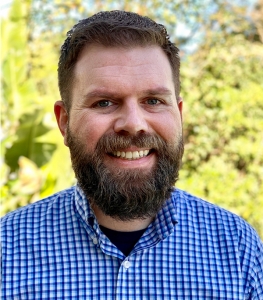 Curt Widhalm, LMFT
Curt Widhalm is in private practice in the Los Angeles area. He is the cofounder of the Therapy Reimagined conference, an Adjunct Professor at Pepperdine University and CSUN, a former Subject Matter Expert for the California Board of Behavioral Sciences, former CFO of the California Association of Marriage and Family Therapists, and a loving husband and father. He is 1/2 great person, 1/2 provocateur, and 1/2 geek, in that order. He dabbles in the dark art of making “dad jokes” and usually has a half-empty cup of coffee somewhere nearby. Learn more at: http://www.curtwidhalm.com
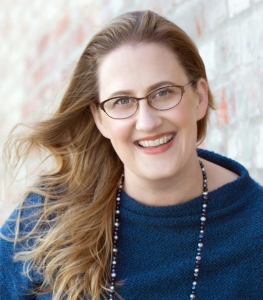 Katie Vernoy, LMFT
Katie Vernoy is a Licensed Marriage and Family Therapist, coach, and consultant supporting leaders, visionaries, executives, and helping professionals to create sustainable careers. Katie, with Curt, has developed workshops and a conference, Therapy Reimagined, to support therapists navigating through the modern challenges of this profession. Katie is also a former President of the California Association of Marriage and Family Therapists. In her spare time, Katie is secretly siphoning off Curt’s youthful energy, so that she can take over the world. Learn more at: http://www.katievernoy.com
A Quick Note:
Our opinions are our own. We are only speaking for ourselves – except when we speak for each other, or over each other. We’re working on it.
Our guests are also only speaking for themselves and have their own opinions. We aren’t trying to take their voice, and no one speaks for us either. Mostly because they don’t want to, but hey.
Join the Modern Therapist Community:
Podcast Homepage | Therapy Reimagined Homepage
Facebook | Facebook Group | Instagram | YouTube | LinkedIn | Substack
Consultation services with Curt Widhalm or Katie Vernoy:
Connect with the Modern Therapist Community:
Our Facebook Group – The Modern Therapists Group
Modern Therapist’s Survival Guide Creative Credits:
Voice Over by DW McCann https://www.facebook.com/McCannDW
Music by Crystal Grooms Mangano https://groomsymusic.com
Transcript for this episode of the Modern Therapist’s Survival Guide podcast (Autogenerated):
Transcripts do not include advertisements just a reference to the advertising break (as such timing does not account for advertisements)
… 0:00
(Opening Advertisement)
Announcer 0:00
You’re listening to the Modern Therapist Survival Guide, where therapists live, breathe, and practice as human beings. To support you as a whole person and a therapist, here are your hosts, Curt Widhalm and Katie Vernoy.
Curt Widhalm 0:16
Welcome back, Modern Therapists. This is the Modern Therapist Survival Guide. I’m Curt Widhalm with Katie Vernoy, and this is the podcast for therapists about the things that go on in our professions and the ways that we, including Katie and myself, go about approaching the profession that we’re in. And this is an introduction to another one of our sprints that we’re grouping together a series of episodes around some of the principles that Katie and I have been holding at the podcast here for nine years, and for nine years we’ve sat behind these microphones and we’ve talked about breaking down systemic barriers, about doing the work, we’ve talked about decolonizing therapy, we’ve brought on incredible guests, we know the concepts. But let’s be brutally honest. Talk is cheap, and right now, a lot of the institutions around us are cashing out. Federal funding for mental health is getting slashed. Universities and agencies are scrubbing DEI from their websites. And the second it’s no longer politically safe or trendy, the corporate and performative era of mental health equity is over. We’re here to talk about so what happens now. If you’re waiting for your licensing board, your agency, or the government to save this profession, you’re going to be waiting a very long time. So today we are kicking off a new sprint, we aren’t doing another one-on-one level lecture on why representation matters. You already know that it does. We’re talking about the messy operational Monday morning reality of being a steward of the profession. Because when systems buckle, the individual practitioner is the only thing left standing. So Katie, we’ve been talking about this. We wanted to make an episode that wasn’t just here’s the same stuff we’ve been talking about. This is new stuff. Thank you to our longtime listeners. We’re hoping to get to someplace new with this. Katie, we’re going to introduce the two principles that we’re covering in the sprint,
Katie Vernoy 2:21
I agree. I don’t want this just to be a retread of what we’ve done before. So I will jump right into our representation and inclusion principle. Representation and inclusion strengthen the field. We commit to a strong profession that includes diverse voices, identities, and perspectives at all levels. We amplify underrepresented voices in our content and community. We address bias, systemic inequity, and barriers to access, and we support inclusive practice in education, leadership, and clinical work. And paired with that is that we do not elevate a single correct way to practice or reinforce exclusionary professional hierarchies, which means we don’t stand by gatekeeping or elitism.
Curt Widhalm 3:10
The other principle that we’re going to be talking about today, as well as throughout this series of episodes, is that therapists are stewards of the profession, and we commit to therapists have a responsibility not only to clients but to the future of the profession. We encourage advocacy, leadership, and professional engagement, challenge harmful norms within the field and support a profession that works for both therapists and the clients. And our no goes on this are professional shaming or policing. We don’t engage in call-out culture or frame systemic problems as individual therapist failures. We operate within the system. The system’s broken. We might have some responsibilities about how we work around the system, but we’re not responsible for it.
Katie Vernoy 3:58
And I think that’s the crux of the biggest challenge, especially right now. We recognize that the system is not working, or not working as well as it could. I think there’s some things that are going well, and a lot of things that are shifting in ways that we do not like. And so, as we sit in this profession longer, I think there’s element of burning it all down sounds, maybe it sounds good, but it’s it’s not sustainable. There’s so much to consider when we think about how do we address the things that are not working. And we put together some tensions that that I think are throughout these conversations, which is, do we support access and getting as many people therapy as possible, or is that complicity with the broken system, and with some of the things that are pretty awful that are happening within the mental health space? We have some conversations about this pretty directly that are coming up. But when you think about how you navigate this, Curt, how do you sort through this? Because for me, it can get pretty challengin, maybe not in what I actually do, but in how I think about it and how I feel about it.
Curt Widhalm 5:25
I think in order to take this from kind of a large philosophical ideal into maybe some of the practical examples of this, a lot of insurance reimbursement or DMH reimbursement comes from needing to have evidence-based treatments, it needs to have you know diagnoses that are going to be reimbursable in order for services to be reimbursed. This is part of a system that is, depending on who’s paying, either beholden to shareholders or it’s beholden to a monolithic government that is still operating PCs that were made when you and I were still in high school. So sometimes what that means is the system is going to require diagnoses. It’s going to gatekeep even who can and cannot receive services in some of those things. The way that AI is being incorporated into some of the vertical integration of the venture-backed companies is-I’m putting air quotes around access, but…
Katie Vernoy 6:33
Sure.
Curt Widhalm 6:35
The principles of being able to have access doesn’t, in a couple of ways, doesn’t necessarily mean it’s direct services. It doesn’t, for some people it might mean you open up sliding scale or pro bono spots for people who wouldn’t otherwise necessarily fit in to whatever the reimbursement system is. Access might mean being more involved in helping to create other kinds of funding for agencies that provide services that don’t necessarily need to have those same kind of reimbursements. It could be participating in fundraisers for your local agency that isn’t beholden to the DMH system. So it’s I think the theme that we’re gonna keep coming back to in a lot of this episode and a lot of the sprint is that there’s the both and. There’s the systemic problems, and not just wanting to you know brush our hands and and wave things off and just say you know what the the system’s broken. Leave it there. There are other ways to participate, and I think one of the themes that we’re going to have, is all right, there’s trade offs that are going to make sense for some people and not for others, and there’s no one size fits all for either the profession itself or the individuals who are in it.
… 7:56
(Advertisement Break)
Katie Vernoy 7:57
I appreciate the practical, and yet I’m going to push back into the philosophical because I think about the episode that we did around whether Texas clinicians should meet with teens, and your stance in that episode was no, they shouldn’t because it props up a broken system, and there’s too much liability. And I think, as as I said before, we don’t want to retread these these previous conversations, but I think the the crux of that argument was, what can we do for these kids, and how do we protect ourselves in the process? And I think that shift or that tension is really important because, as clinicians, we want to provide care, we want to do the things, and we may be either in a in a place of high liability, we might be in a place of civil disobedience, we might be in a place of having to protect ourselves from our desire to do too much and burning out, or or from a system that’s going to not compensate us well enough. And so, there’s so many ways that we have to look at this, and we have to have these individual self assessments around how do we engage? So I like the practical that you presented, and I just want to honor that there are a lot of really challenging things to think about when we’re deciding how we engage with this system and how we work within it/try not to hold up this system that’s that’s failing us and our clients.
Curt Widhalm 9:45
If it was easy, we wouldn’t be having a podcast going on for nine plus years.
Katie Vernoy 9:49
That is fair. That is fair.
Curt Widhalm 9:53
And I think the more that I engage in these conversations, the more that we talk with people, the more that we’re seeing what’s going on as the systems change, and a lot of this is talking about the institutional systems. That you know, for a while, it felt like things were making progress, and that there was government backing into being able to open up things. And then administrations changed, and now it feels like the sun is going to set, and it’s never going to come back up, and it’s now going to be a bunch of people selling flashlights. I don’t know where my metaphor is going on this, but but the more that we have these conversations, the more and more that I keep coming to an idea that there is no one size fits all, and I think that that’s where a lot of the discourse in our infighting in the profession comes from is that we fail to take into account other people’s context about either the systems that they work in, the individual choices that are available to them, the particulars of their own individual life, and the supports that they need. You know, when you’re you’re bringing up the episodes about the Texas and working with kids, and it’s really easy for me in California to be able to say I wouldn’t work with kids in Texas.
Katie Vernoy 11:28
Yeah.
Curt Widhalm 11:28
But if that’s what my practice was built around, it’s an entirely different evaluation, an entirely different algebra that goes into making some of these decisions. I’m one voice. I’m one voice that thanks you for listening to me over and over again. But a lot of this is going to once again come back to what are the trade-offs that you make as an individual to deal with the systems around you? And to be able to continue to bring that out there for not only the the clients you serve, but also you as the professional in that, because coming back to the stewards of the profession, this is also being the role models for how and why we do things. That this is being able to make things easier for other people. When push cups shove, a lot of times we make the decisions that benefit us as the individual rather than necessarily as the profession. And sometimes that’s going to be based on survival. You know, a lot of the feedback that we’ve gotten over the years is about the privilege that it takes to be able to do some of the advocacy that Katie and I do.
Katie Vernoy 12:42
Yeah.
Curt Widhalm 12:43
And I and I get that, and will be one of the first people to say, yeah, it’s a lot of unpaid time that, based on my lot in life, I can afford to do, and it’s not the only way that we can do things to make the profession better either for ourselves, for those who are practicing, and especially for the next generation of therapists after us.
… 13:06
(Advertisement Break)
Katie Vernoy 13:07
I want to acknowledge that even further. Because it is from a place of privilege that a lot of folks engage in call out around therapists who sign up for platforms or therapists who take insurance even, or therapists who don’t provide sliding scale or don’t have quote unquote accessible fees. I think there’s there’s a lot of privilege, whether it’s financial privilege, it can even be kind of able body privilege, it can be you know, identity privilege. There’s a lot of different types of privilege that can can play into the decisions you can make around: Do I stand up and not take a client, or or not see a particular group of folks, or not do whatever, and and forego that income? But there’s also privilege in standing up and putting yourself in the crosshairs. There’s also privilege in being able to spend time like you and I do with advocacy. So I think we talked about this in our live podcast in at the conference a million years ago, finding the way that you can support the profession either from your office or out in the world or anywhere in between is all equally valid, and it’s all about how you show up as a modern therapist. And I think for the rest of us, being able to honor that each person is going to find their specific place, and there’s more of this tension even in that regard. I think one of the other ones that you started talking about, kind of the evidence base. There’s also cultural practices of healing. There are different ways that we can do this work, and I think when we, when we try to hold the therapist our steward of the profession, as well as representation and inclusion, I think when someone’s providing a cultural mode of healing that doesn’t have an evidence base, we’re stuck with holding that and sorting through how do we determine is this a positive clinical practice or a harmful clinical practice? And I come down on if it works, it works. Some of it is is is not necessarily our business, but I think there’s there’s elements of how do we do high quality work that still fits within the laws, ethics, and best practices of our profession? So this one is, this one’s a hot potato, Curt. So what what are your thoughts around how we navigate this tension?
Curt Widhalm 15:50
My first thought is I disagree with you completely.
Katie Vernoy 15:54
Good. Let’s disagree. Let’s do this.
Curt Widhalm 15:56
Some people that engage in some of these activities that you’re calling all of it is is equally valid.
Katie Vernoy 16:04
Oh, I didn’t say equally valid. I said as long as it works, I’m okay with it.
Curt Widhalm 16:08
That’s the part I want to emphasize: is it has to be something that works. Because keep keyboard warrior stuff is just speaking into the void unless it’s doing something that moves the needle. And I think that this is one of the things that you know, since we started the podcast years ago, a lot of the conversations that I’m seeing have just kind of cycled all the way back around to what it was at the beginning. And I think that when we sat down to make this episode, and it was, what are we going to say that we haven’t just already been saying for the last nine years? Is yeah, representation matters. Okay, what what are we doing other than posting on the social media of choice about that? Are we directing that towards policy change? Are we directing that towards even productively towards people in institutions who can do something with that to see that their constituents are actually caring about things, or are we doing it because we get 17 likes from our grad student cohort that makes us feel good about we’re really doing something here. But I think that this is where anything that you can do-the word you used was valid. Anything that you can do that validly helps to move the needle-that can be open to a lot of interpretations, and the the goal is have an evidence based outcome with the advocacy work that you’re doing.
Katie Vernoy 17:48
Well, I was actually talking more clinically.
Curt Widhalm 17:50
Yeah.
Katie Vernoy 17:50
But I agree with what you’re saying. I think for me, if we go back to advocacy, and then I’ll come back to my clinical point, if we want to make a difference in advocacy, there are a lot of different ways to do it. Some of it is informing and engaging in discourse. Some of it is actually advocating and trying to to create policy. I’m really looking forward to our conversation with Ben about that. And then there’s this element of the checkbox keyboard warrior that may make you feel a little bit better and may be a slight part of this information, but I think if it doesn’t get you very far and it doesn’t actually change anything, it just creates noise. So I agree with you on that. I think the challenge is that folks who are unable to have the the time and the effort to contact their representatives, or do some specific training, or have that that element of time and energy to provide more access, or whatever it is. I think they’re stuck with these bad feelings. And and you even brought this up before we hit record. There’s there are systems in place that are are kind of crumbling or or falling into compliance with a corrupt, unjust system. And pushing back against those systems aren’t isn’t necessarily effective if they’re going to spout platitudes and not change anything because there’s no regulation to do so or there’s no momentum or or zeitgeist to do that. So to me, I feel like there’s we’re in a place where, if we could organize and and sort through what would actually be effective, I think it’d be a lot more. But I think we’re stuck with a lot of big feelings, and sometimes those things come out in this keyboard warrior situation. So I’m talking about when we look at the clinical, there are insurance companies, there are probably educational institutions that are saying evidence-based practices, CBT, you know, whatever it is, you know, all the things. And then there are more traditional cultural modes of healing that folks want to engage in, and that’s hard for, you know, a a legislative body and a professional consumer protections board or an ethics committee, Curt and I are not speaking for the ethics committee, but it can be hard to sort through: is this valid? Is it is it working? Or is this something that’s not quote unquote evidence base and therefore harmful practice? I think if we’re looking at representation inclusion, we need to have cultural modes of healing, and the system doesn’t know how to evaluate them, and oftentimes pushes back against them. And so, I think that piece can be very challenging, and one that I think we want to continue to support and promote, holding that we do what works and it’s legal, ethical, and all those pieces, and actually works. So that was the hot potato I was trying to throw you earlier.
Curt Widhalm 21:16
And as you and I are both sitting in a position on an ethics committee, this really does put at the forefront of it the consumer protection versus the gatekeeping.
Katie Vernoy 21:32
Yes, exactly.
Curt Widhalm 21:34
And I think that there’s maybe an example of how this has worked since I’ve been on the committee, you’ve been on the committee. I don’t think that some of these cultural things necessarily have been at the forefront of any of the cases that we’ve talked about, but I think that the way that this looks in action is putting things within the context of the complaints, or the information, or the responses that we’re getting from the parties involved in our case review process-that at least our action would incorporate-is there a cultural component to this? And I think that that doesn’t come up in every single case, but it is something that, in the leadership positions that you and I have on this committee, it does help to continue to do this work even within the roles of being in a consumer protection or in a gatekeeping type situation where it’s holding our peers accountable. And you know, this also came up when we were rewriting the ethics code, that although our ethics code already talked about you know social and historical prejudices within treatment, we made damn sure to have therapists also understand that those are going to continue to show up in artificial intelligence as well, and that it’s an ethical responsibility to continue to do that. So, it’s not a black or white issue. It is something that there’s trade-offs. It is working within the system we have and continuing to elevate things just a little bit more whenever we get the opportunity to. But it doesn’t necessarily mean that we have to give up our day jobs in order to tackle the system ourselves in order to make things better.
… 23:25
(Advertisement Break)
Katie Vernoy 23:27
So I want to go dig a little bit deeper into the logistics of this. I think we’ve had part of the conversation with Rebecca Haw Allensworth about licensing boards and that kind of stuff. But the thing that I keep coming back to, and that that we’ve come back to is that you and I, as allies, or I love, you know, Alex Iantaffi talked about accomplices. You know, bringing that concept into to this conversation two months ago. We go in and we try to think about who’s not here, what’s going on, how do we make sure that we’re paying attention, and there are things we cannot know. And so making sure that there’s representation within our boards, within our ethics committees, within all of those things is something that I think drives us to a certain extent. And trying to sort through and and and encourage, you know, friends from different perspectives and identities to come and join us, and people we don’t know. I’m not, I guess we’re not trying to just get all our friends on, but I think there’s this element of trying to do that while still recognizing that there’s a lot of unpaid time, that there’s a lot of pieces to this that don’t fit for every person, and in some of the advocacy work we’ve done, we’ve tried to make it structurally more doable for folks to do some of these roles in leadership. Looking at the costs, looking at the time commitments, and sorting through that. So it’s at all the levels. It’s folks who are at already at the tables thinking about what am I missing? Who’s not represented here? Looking at how do we get more representation, and also how do we make this sustainable for folks across all different types of identities and life situations? Because if you only do one, there’s still going to be issues with making sure that we’re fully understanding who all are involved in this profession, and how best we can serve all of them?
Curt Widhalm 25:26
I’m thinking about the number of times that DEI conversations tend to focus on racial background, ethnic background, LGBTQ+ backgrounds, and when DEI starts to include things that fall outside of the normal patterns, when it includes consumers or customers of therapeutic services into leadership kinds of conversations around DMH or around legislative stuff, but I’m also thinking about the very odd pushback that happens even within our profession when DEI includes things outside of the normal tracks. When we talk about having pre-licensed people have a voice in how their careers might go, and how the initial reactions by so many established clinicians are: But what do they know?
Katie Vernoy 26:28
Yeah.
Curt Widhalm 26:29
I think about conferences I’ve been to where the DEI presenter is somebody with a disability rather than a ethnic or racial difference.
Katie Vernoy 26:41
Yeah, yeah. Well, even in conversations that we’ve had, it’s and and that I’ve had in different spaces, disability, including neurodivergence, is often discounted, and that frustrates me to no end. And I try to speak up wherever I can, but it is something where we, as a profession, still have a lot of work to do to understand that a lot of differences impact us in ways that people without those differences don’t see.
Curt Widhalm 27:14
I bring this up to help to hopefully spark the continued ways that meeting some of these principles can can continue to show up in the way that we do our work. Whether it’s you as an individual, whether it’s you in a leadership position of your own therapist organization, that there can be creativity, there can be things that, as you were saying, the who’s not at the table?
Katie Vernoy 27:43
Yeah.
Curt Widhalm 27:43
Or whose voice is underrepresented at the table? And this is maybe the call to action that, especially if you’re feeling disillusioned in the last couple of years in the direction that our profession is going, that that doesn’t mean that we need to give up. It means that there are trade offs that you’re going to make. You know, I know for myself that I’ve been following a lot of legislation in the last couple of years. That unfortunately, the minority party is just kind of saying, “Well, we don’t have the numbers. We’re just going to have to wait our turn.” And how utterly disappointed I am, rather than hearing them say, “Here’s what we can do in the position that we’re in.”
Katie Vernoy 28:32
Yeah.
Curt Widhalm 28:33
And I think that that’s really the charge that I’m hoping that you, as our listeners, can take is whatever position you’re in: What what can you do? What can you do to make things just a little bit better? You know, if you can’t give 100%, 1% better than zero.
Katie Vernoy 28:50
And I’m going to briefly go through kind of a brain dump a little bit of the things I see that are accessible for pretty much anyone: how you approach clients, the the ways in which that you are inclusive and welcoming, and able to work with clients who are who are typically underrepresented or or pushed to the the margins, even in mental health care, being able to show from if you have a little you know private practice website if you’re a private practitioner the ways in which that you can make that website accessible the ways that you can think about how your clients enter your space, there’s there’s little little tiny pieces that can be so helpful. As a community mental health clinician being able to continue to meet your clients as humans and not problems or productivity hours. I think it’s it’s looking at: How do you continue to connect to our common humanity? How do you continue to connect to doing your best work and protecting yourself against burnout in whatever way you can? I feel like, as I’m saying it, it’s putting an individual responsibility where systemic issues land, and I feel really torn about that. And I feel like if we don’t, we don’t do what we can, we’re going to sit there with the moral injury of being complicit with a a broken system. And so I think it’s sorting through what what are the steps I can take? How do I get to my middle ground, and then how do I then add advocacy on top of that if I have the capacity in order to try to shift the system that we’re working within? Even as I say it, Curt, it just sounds really, really hard. And I, I just want to acknowledge that to all the folks that are listening to this and hoping for some magical answer of like, hey, this we’ll just all get together, we’ll do this thing, and system fixed.
Curt Widhalm 31:05
You can find our show notes over at mtsgpodcast.com. Join our Facebook group, the Modern Therapist Group, to continue on with this and other conversations. Follow us on all of our social media. We’ve got a really cool sprint coming up. We’re talking with, as you mentioned, Ben Caldwell, we’re also talking about some of the systemic problems around insurance and ways that people are working on it, I guess, or people are dealing with it, making that more transparent. I’m so excited to have Travis Heath back on with us.
Katie Vernoy 31:42
Me too.
Curt Widhalm 31:42
…and one of my favorite episodes ever that we’ve done. It’s great to be having him back on, and a whole lot more. So stay tuned, like and subscribe. Till next time, I’m Curt Widhalm with Katie Vernoy.
… 31:54
(Advertisement Break)
Announcer 31:56
Thank you for listening to the Modern Therapist Survival Guide. Learn more about who we are and what we do at mtsgpodcast.com. You can also join us on Facebook and Twitter. And please don’t forget to subscribe so you don’t miss any of our episodes.




SPEAK YOUR MIND