

Allyship Is Awkward: How Therapists Can Keep Showing Up Anyway
Curt Widhalm, LMFT, and Katie Vernoy, LMFT explore what it actually looks like to do ally work as a therapist when you hold majority identities the people around you do not share. The conversation moves across three zones where this work plays out: with clients in the therapy room, with colleagues and consultants in professional spaces, and in broader community and advocacy work. Drawing on their own missteps and the work of creators like Ashani Mfuko and Dr. Raquel Martin, Curt and Katie argue that ally work is not a destination or a credential. It is an ongoing, often awkward learning process, and the awkwardness is part of the work, not a sign you are doing it wrong.
This is not an episode about which phrases to say in which situations. It is about what happens before, during, and after the inevitable missteps: the fragility that shows up, the gold-star seeking, the defensiveness, and how repair looks different depending on whether you are with a client, a colleague of color, or a larger community. Curt and Katie speak directly to white, cis, straight, and otherwise majority-identity therapists about how to stay in the room across all three zones without leaning on people in marginalized bodies to do the emotional labor.
Click here to scroll to the podcast transcript.Transcript
(Show notes provided in collaboration with Otter.ai and Claude AI.)
In this podcast episode: Awkward allyship across clients, colleagues, and community
Curt and Katie examine what therapists with majority identities often get wrong when working across difference, why ally work is inherently uncomfortable, and how clinicians can develop the distress tolerance to stay in cross-cultural work without making it about themselves. The conversation covers fragility, gold-star seeking, the limits of vibes-based cultural humility, repairing ruptures with clients, processing feelings with other allies rather than colleagues of color, and the work of showing up in CE spaces, consultation, and macro-level advocacy.
Key Takeaways for Therapists: Decentering Yourself, Repairing Ruptures, and Doing the Ongoing Work of Allyship
“Ally work is awkward, and it is not a destination, it is an ongoing learning opportunity.”
— Curt Widhalm, LMFT
Curt and Katie are explicit that this episode is about the experience of being a clunky, well-intentioned ally, not a script for sounding like an expert. The work is to keep showing up, whether with clients, colleagues, consultants, or community, while resisting the urge to make the discomfort go away by getting reassured by the people you are trying to be in solidarity with.
Key takeaways from this episode include:
- Fragility shifts the labor onto the people around you. Over-apologizing, performing how with-it you are, or asking for reassurance after a misstep, whether with a client, a colleague of color, or in a community space, asks the other person to manage your discomfort.
- Watch for gold-star seeking. When ally work starts to feel transactional, conditional, or tied to approval from people in marginalized communities, it has drifted. Validation feels good, but it is not the goal, and not getting it is not a reason to take your ball and go home.
- Strong feelings belong with other allies, not with clients or colleagues of color. Defensiveness, hurt, and feeling misunderstood are normal parts of ally work. Curt and Katie are explicit that the most useful processing of those feelings happens with other allies who can normalize the experience without making it the work of a marginalized colleague or client.
- Sometimes being on the receiving end of strong feelings is the assignment. If you hold a majority identity and someone directs frustration at what you represent, sitting through that without defending yourself or seeking apology is part of the work, especially in colleague and community spaces.
- Cultural competence is not a credential, and cultural humility is not a free pass. “I am not an expert, please tell me more” can still be dismissive if it makes the other person responsible for your education. Flags on the wall and social media filters are not a substitute for the actual relational work.
- Being called out by a client is, in some ways, a win. If a client tells you that something you said landed badly, the relationship is alive enough to repair. The clients who quietly never come back are the ones you cannot do repair work with.
- The fix for a rupture is not “what I meant was.” Defending intent recenters the therapist. The repair lives in acknowledging impact, staying curious, and being willing to sit in the discomfort.
- Do the learning outside the room. Continuing education led by clinicians of marginalized identities, literature and art from those communities, content from creators teaching this work publicly, and consultation with diverse colleagues are all ways to learn without conscripting a client as your teacher.
“When this work starts feeling transactional or conditional or is about that gold star, that acceptance, approval, and affirmation from marginalized folks, it becomes distorted and becomes potentially unhelpful.”
— Katie Vernoy, LMFT
Fragility, Gold-Star Seeking, and the Trap of Being Approved Of
One of the clearest patterns Curt and Katie name is what happens when a therapist with majority identities makes a misstep and then unconsciously reaches for reassurance. Over-apologizing, over-explaining, and performing how cool or aware you are are all forms of fragility. They look like effort, but they ask the other person to take care of the therapist’s feelings, whether that person is a client in session, a colleague in consultation, or someone in a community space.
Katie names her own history with this directly, including times early in her career when fragility looked like white women’s tears and required people in marginalized bodies to do emotional labor. The shift has been toward acknowledging the mistake, redirecting attention to the relationship, and doing the deeper repair work without making the other person carry it.
Curt connects this to a broader pattern: the version of ally work that quietly tracks how many gold stars you are getting. Drawing on creator Ashani Mfuko of Anti-Racism School Is In Session, he names a common dynamic where allies feel let down when people in marginalized communities do not show up for them in the same way they feel they are showing up. That feeling is real, and it is also a signal that the work has drifted from solidarity into transaction.
Defensiveness, Being Called Out, and the Work That Happens With Other Allies
Both hosts are candid that early in this work, defensiveness ran high. Being misunderstood, being attacked while trying to be an ally, or being treated as a representative of every white person or every cis person can feel disheartening and confusing. The temptation is to take your ball and go home, or to insist on being seen as one of the good ones.
Curt names a shift in his own learning. The most useful processing of these feelings has not come from seeking approval from clients or from colleagues of color. He describes consulting years ago with a colleague from a community he and Katie were learning about, and walking away feeling unheard, only to realize later that the more useful work was happening in conversations with other allies who could say, yes, that is part of the territory. Katie reinforces this in real time within the episode itself, offering Curt direct feedback as a fellow ally.
Katie also names a hard internal truth: when an ally feels attacked while trying to do this work, even when it is partially justified, the work is not to litigate that with the person on the other side. It is to take it to other allies, sort through what is yours to own, and continue.
Repair in the Therapy Room: Working Through a Cross-Cultural Rupture
Curt explicitly pivots the conversation in this section, noting that while ally work shows up in colleague and community spaces, for most listeners the highest-stakes version happens one on one with clients, because of the vulnerability of the therapeutic relationship.
When a rupture happens in session around marginalization, microaggressions, or bias, the most common defensive move is some version of “what I meant was.” Explaining intent, minimizing the client’s experience, or pathologizing their reaction adds to the harm.
Curt and Katie point therapists toward a different stance:
- Acknowledge the impact rather than defending the intent.
- Decenter your own discomfort about being seen as harmful.
- Stay curious about what just happened in the relationship.
- Read the room about whether to process the difference directly or simply repair and continue the clinical work.
Katie also flags the inverse mistake: constantly turning every moment of difference into a meta-conversation about difference. Asking a client over and over what it is like to talk to a white therapist, or a straight therapist, or an able-bodied therapist can itself become a way of centering the therapist’s identity rather than the client’s clinical work. The skill is reading what the moment actually calls for.
Katie also points to a useful reframe: if a client calls you out, the relationship is still alive enough to repair. The bigger problem is the clients who never name what happened and quietly do not come back.
Colleague and Community Spaces: Consultation, CE Trainings, and Showing Up
A significant part of the conversation is about what ally work looks like outside the therapy room. Curt and Katie name a few specific colleague and community contexts where majority-identity therapists tend to stumble:
- Consultation with diverse colleagues, which is named in this episode as the single most important practice for not putting the emotional and educational labor onto clients.
- Continuing education led by clinicians from marginalized identities. Katie notes the discomfort of being one of very few majority-identity clinicians in those trainings, and reads that absence as data about how the field is, or is not, doing this work.
- Macro and community spaces where strong feelings can be directed at allies for what they represent. Sitting through that without defending yourself and without expecting an apology is part of the work.
- Processing with other allies, which is named throughout the episode as where defensiveness, hurt, and confusion can actually be metabolized without harming the people you are trying to be in solidarity with.
Curt frames this as a category lesson: the client room is one zone of ally work, but it is not the only one. The work is also showing up in CE spaces, consultation groups, professional association work, and broader advocacy, including when those spaces are uncomfortable.
Cultural Humility Is Not Enough on Its Own
Curt traces an arc the field has moved through, from claims of cultural expertise, to cultural humility, to what can become a vibes-only version of humility, where “I am not an expert, tell me more” still leaves the other person doing the work. Flags in the office, social media filters, and the right credentials can all coexist with practice that quietly relies on clients and colleagues of color to educate their therapist.
The deeper move is to do the learning where it belongs, which is outside the relationships where you are trying to do the work:
- Continuing education led by clinicians of marginalized identities.
- Literature, art, and performance created by and for the communities you work with.
- Following creators and clinicians who are publicly teaching this work, such as Ashani Mfuko of Anti-Racism School Is In Session and Dr. Raquel Martin of Mind Ya Mental.
- Consultation with diverse colleagues who can ask the question you didn’t know to ask in session.
Intersectionality, Calculus, and Why Consultation Matters
Curt describes the experience of working with clients whose intersectional identities he does not share as sometimes feeling like calculus, trying to figure out which identity to check in on while still tracking what the client is actually saying. The honest answer is that it gets better with experience, and it never gets fully clean. New combinations of identity, context, and lived experience will keep surfacing things he has not thought of.
This is where ongoing consultation matters most. A consultant or peer group with diverse perspectives can review a session and ask, did you ask about this, and surface the questions a therapist would not know to ask alone. Katie reinforces that this is also how therapists avoid making their clients the instructor, since most clients will not be able to find a therapist who shares every identity, and the field’s job is to close those gaps elsewhere. The goal is not to stop making mistakes. It is, as Curt and Katie name it, to keep failing better.
“To be professional about it is being able to make mistakes better, and it’s not necessarily about avoiding them, but it’s doing it in a way that is not dismissing, not pathologizing.”
— Curt Widhalm, LMFT
Resources on Allyship, Cultural Humility, and Working Across Difference
We’ve pulled together resources mentioned in this episode and put together some handy-dandy links. Please note that some of the links below may be affiliate links, so if you purchase after clicking below, we may get a little bit of cash in our pockets. We thank you in advance!
- Ashani Mfuko, Anti-Racism School Is In Session
- Dr. Raquel Martin, PhD, licensed clinical psychologist, professor, and host of Mind Ya Mental, raquelmartinphd.com
- Reels mentioned:
– White liberals, do black people think you’re safe? – Ashani Mfuko
– White liberals, y’all are not okay! – Ashani Mfuko
– Is my whitness in the room? And how can it impact clients in session? – Dr. Raquel Martin, PhD
- Concepts discussed: cultural humility, fragility, microaggressions, intersectionality, ally work, rupture and repair
Relevant Episodes of MTSG Podcast
- Beyond Coping: Radical Healing in a World Not Built for Us – An Interview with José Rosario
- Ally is a Verb
- Cultural Humility and White Fatigue: An Interview with Dr. Sonya Lott, Ph.D.
- Should Therapists Admit to Making Mistakes in Therapy?
- Antiracist Practices in the Room: An Interview with Dr. Allen Lipscomb
- Let’s Talk About Race: An Interview with Stevon Lewis, LMFT
- How to Stay in Your Lane to Support Diversity and Inclusion, An Interview with Dr. Joy Cox, PhD
- What to do when supervision goes bad? A guide to supervision ruptures and repair
- Bilingual Supervision: An Interview with Adriana Rodriguez, LMFT
- How Therapists Can Support Community-Building in Immigrant and Marginalized Populations: An Interview with Adriana Rodriguez, LMFT
- When Laws and Ethics Conflict: Civil Disobedience, Social Justice, and Our Role as Therapists
- Exploring Systemic Trauma and Relational Privilege with BIPOC and LGBTQI Couples: An interview with Akilah Riley-Richardson, MSW, CCTP
- Decolonizing Therapy: A Movement – An Interview with Dr. Jennifer Mullan
- REPLAY – Therapy As a Political Act: An Interview with Dr. Travis Heath
- What Therapists Need to Know to Support the Trans Community: An interview with Artie Hartsell
- How to Provide Culturally Appropriate Care for African American Families: An interview with Mercedes Samudio, LCSW
- Asian American Mental Health, An Interview with Linda Yoon, LCSW
- Invisible and Scrutinized, An Interview with Dr. Sheila Modir
- Therapy with an Accent, An interview with Namrata Rindani, LMFT
- Privileged and Biased, An Interview with Jeff Guenther, LPC
- Topic: Diversity and Cultural Competence
- Topic: Special Populations
Meet the Hosts: Curt Widhalm & Katie Vernoy
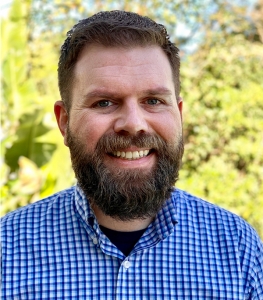 Curt Widhalm, LMFT
Curt Widhalm is in private practice in the Los Angeles area. He is the cofounder of the Therapy Reimagined conference, an Adjunct Professor at Pepperdine University and CSUN, a former Subject Matter Expert for the California Board of Behavioral Sciences, former CFO of the California Association of Marriage and Family Therapists, and a loving husband and father. He is 1/2 great person, 1/2 provocateur, and 1/2 geek, in that order. He dabbles in the dark art of making “dad jokes” and usually has a half-empty cup of coffee somewhere nearby. Learn more at: http://www.curtwidhalm.com
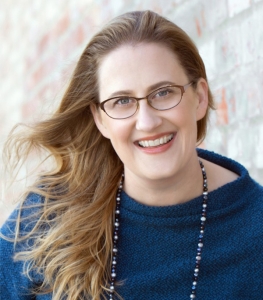 Katie Vernoy, LMFT
Katie Vernoy is a Licensed Marriage and Family Therapist, coach, and consultant supporting leaders, visionaries, executives, and helping professionals to create sustainable careers. Katie, with Curt, has developed workshops and a conference, Therapy Reimagined, to support therapists navigating through the modern challenges of this profession. Katie is also a former President of the California Association of Marriage and Family Therapists. In her spare time, Katie is secretly siphoning off Curt’s youthful energy, so that she can take over the world. Learn more at: http://www.katievernoy.com
A Quick Note:
Our opinions are our own. We are only speaking for ourselves – except when we speak for each other, or over each other. We’re working on it.
Our guests are also only speaking for themselves and have their own opinions. We aren’t trying to take their voice, and no one speaks for us either. Mostly because they don’t want to, but hey.
Join the Modern Therapist Community:
Podcast Homepage | Therapy Reimagined Homepage
Facebook | Facebook Group | Instagram | YouTube | LinkedIn | Substack
Consultation services with Curt Widhalm or Katie Vernoy:
Connect with the Modern Therapist Community:
Our Facebook Group – The Modern Therapists Group
Modern Therapist’s Survival Guide Creative Credits:
Voice Over by DW McCann https://www.facebook.com/McCannDW/
Music by Crystal Grooms Mangano https://groomsymusic.com/
Transcript for this episode of the Modern Therapist’s Survival Guide podcast (Autogenerated):
Transcripts do not include advertisements just a reference to the advertising break (as such timing does not account for advertisements)
… 0:00
(Opening Advertisement)
Announcer 0:00
You’re listening to the Modern Therapist’s Survival Guide, where therapists live, breathe, and practice as human beings. To support you as a whole person and a therapist, here are your hosts, Curt Widhalm and Katie Vernoy.
Curt Widhalm 0:15
Welcome back, Modern Therapists. This is the Modern Therapist’s Survival Guide. I’m Curt Widhalm, with Katie Vernoy, and this is the podcast for therapists about the things that go on in our work, the things that happen with our clients, things that happen in our profession, and we are in the midst of Pride Month, and Katie and I have a lot of wonderful guests who have lived experiences that are sharing their time with us, and we’re very gracious for them in the ways that they’re helping us to broaden our horizons, and there’s a little bit of irony in this episode, in that Katie and I are talking about allyship, and when it comes to lived experiences and doing ally work, which is an episode that we’ve done in the past, you can find a link to that in our show notes over at mtsgpodcast.com, when it comes to doing ally work, one of the main things that Katie and I have learned is don’t center ourselves when it comes to working with communities that we’re not directly a part of, and the irony is, is that this is a Curt and Katie episode where we’re talking about ally work, but what we really wanted to lean into in this episode is ally work is awkward, and it is not a destination, it is an ongoing learning opportunity, and particularly for people who Katie and I both come from cis white het backgrounds, that there is constantly going to be places that we stumble, places that we make mistakes, both in the work that we do with clients and the larger community that we have with people, and there’s a certain brand of awkwardness that ends up falling into that, and that’s really what we’re wanting to be able to talk about and highlight today, because as an ongoing learning experience it’s uncomfortable and we wanted to kind of talk about our experiences in this space to normalize it to anybody else who might be getting into this work and finding out, oh, that’s a lot more uncomfortable than I thought that it would be. Katie?
Katie Vernoy 2:38
I don’t know what to respond right now.
Curt Widhalm 2:40
So Katie, how are you awkward?
Katie Vernoy 2:44
I’m awkward all the time, but that’s also part of my own neurotype, and those types of things. I’m excited about this episode. We have so many episodes, like you mentioned, Curt, that are relevant to this conversation, and I don’t know that we’ve talked about this particular element of the challenges of being an ally, the challenges of working cross-culturally in all the different meanings of culture and holding a different identity or set of identities than the person in the room with you, and I know for myself there have been times when I’ve done a pretty good job, and there have been times when I’ve stumbled and clunked and made things awkward, not irreparably so, but required some repair work to be able to continue moving forward in the relationship. That being said, even clients that I’ve been pretty clunky with just kind of blurted out the differences and said, Hey, how is this going to impact our work together? Or done some of those things, those clients have stuck with me, I think because I was able to tap back into humility, tap back into what was actually happening in the room, what was most important in the work. But for me, I think the takeaways I’m hoping folks will get from this episode are one, it’s awkward, it’s horrible sometimes because of how difference has been villainized within our society, and two, it’s really rich clinically because if we’re able to address different layers of difference, different layers of privilege and marginalization, I think truly understanding the person in the room can be, or to the best of our abilities, understanding the person in the room, can be very rewarding, both personally, but also in the clinical work.
Curt Widhalm 5:10
So, I think we’re gonna kind of tick a lot of boxes off in kind of the front of this episode before, this really isn’t an episode around say this in this situation, don’t say this in this situation. We’re going to acknowledge this, but one of the things that I’ve seen across the course of my career is early on when clients would talk about, and particularly parents would talk about some of the marginalized communities that their children were coming into therapy with during intake phone calls. Early on in my career it felt like there for white therapist was just kind of an ability to pass muster in those calls, as far as saying, “Oh, I’m a white therapist, or “I’m a straight therapist, your kid gonna have any issues with talking with a white therapist about that?” And 15, 20 years ago, that was a wary…
Katie Vernoy 6:04
Revolutionary.
Curt Widhalm 6:05
That was revolutionary, and that is thankfully no longer the case. It might still be in several places, but what we’re encouraging is that it goes beyond just kind of a checklist of phrases that you know there’s some sort of key to be able to get people to come in and show that you have done your work in the space. That we’re also going to talk about many of the mistakes that Katie and I have made that we have talked with other people of all backgrounds in the therapeutic space, as well as clients, as far as mistakes that they’ve seen from therapists, but this is hopefully beyond just kind of a basics of say these phrases kind of thing, but I think the first thing that we have to put out there is just kind of the fragility aspect that shows up in ourselves when we are confronted with things that we don’t know, and I think that this is something that I’ve heard you talk about very eloquently for a lot of the time that I’ve known you, and kind of give you kind of the ability to talk about this first.
Katie Vernoy 7:25
What are you, are you just saying that so I’ll have to speak, or?
Curt Widhalm 7:30
Sometimes, sometimes I just talk for a very long time, then it’s your turn. So.
Katie Vernoy 7:39
Speaking about race or sexuality or gender or any of the identities that we hold can be very vulnerable, and for myself, when I don’t have knowledge about someone else’s identity, and/or I make a misstep, I make an assumption, when I use a wrong pronoun or I overemphasize someone’s marginalized identity as if that’s their whole identity, those types of things, I can feel pretty horrible. There’s a lot of shame when I make a mistake, and that vulnerability that’s already present in the room is something that can lead to feeling very fragile. And I know that there are times very early on in my career that that fragility turned into white women tears that turned into requiring someone in a marginalized body to reassure me and do some emotional labor, and fortunately I feel like I’ve done a lot of work in this. I’m still a work in progress, we all are, and I’m more able to acknowledge, correct, pivot, try to sort through What happened there? and how do I redirect my attention to the relationship, do the repair work that’s necessary, and take the emotional labor off my client. It’s challenging because it’s something where the relationship, depending on what stage you’re in, whether this is a long-standing client or someone who’s newer to your practice, some can hold larger ruptures than others, and some it may be something where you’re really struggling to determine how do I, how do I come back to the work that’s more important than my misstep, my, my mistake? And so when we are able to acknowledge the harm, the mistake, and move forward, I think that gives some relief, and it also provides a space to get into the muck a little bit, to get into the messiness, which back to the title of the episode, kind of awkward ally, it can feel really uncomfortable because the relationship work now has a lot more layers than if you were working somebody who shared that you know the exact same identities that you have.
… 10:25
(Advertisement Break)
Curt Widhalm 10:30
This is something that it’s a lot easier to see and deal with when it’s happening to somebody else, and it can often involve a lot of not knowing that you’re in it until you’re in it kinds of situations for yourself, and it feels like defensiveness, but really, what I’ve learned from many of the people that we’ve talked to through the years is the layers that it adds is onto our clients, as far as now having to take care of us in these situations by trying to over apologize for making a mistake or saying something that comes across as a microaggression, even if it’s not something that we intended, and a lot of times where this fragility ends up coming out is then leading into trying to over correct or over deal for that to get approval to say, hey, no, I’m with it. I’m immediately imagining Dr. Evil from Austin Powers to where he’s doing the Macarena, trying to prove how cool he is to his son, Scott. You know, it’s just completely out of out of space, but this is where you’re trying to get some kind of stamp of approval from your client or from the community that you’re trying to support, and really it ends up becoming just kind of a right now we’re having to take care of your desire to be approved rather than your fragility desires.
Katie Vernoy 12:00
Yeah, kind of auditioning or trying to get that gold star. And I think that’s that’s hard to avoid when you’re trying to do the work, and it feels really good to be validated that you’re doing the work in the right way, and I think it’s important to stay humble and to recognize that even if someone is approving of the work in the moment, that doesn’t mean the difference doesn’t exist, and that there’s not going to be other times when things go off the rails, or there’s ruptures to address.
Curt Widhalm 12:41
One of the reels that Katie had sent me in preparation for this episode, and we’ll also include a link to this in our show notes, is from Ashani Mfuko’s anti-racism school. She does a lot of really good work, and shout out to her, and a lot of the space where she does talk to particularly white allies trying to do some of this work, and it really rings in a lot of her, her videos, a lot of her messages to feelings that I’ve had in the past, particularly around one of the stories that she highlights or shares is when particularly white people are trying to do work and run into some of their own situations and don’t see black people coming in to support them in the same way that they feel that they are supporting the black community. This is the example that she’s using, and so there becomes kind of this response that’s, well, why am I continuing to do this work if other communities aren’t coming to support me in the same kind of situation? I’m going to take my ball and go home, is more or less what she describes. One of the reasons why Katie and I wanted to have this episode be in the realm of us talking about this in the space that we are, is that’s an incredibly normal feeling, and it’s one that is not to necessarily take your ball and go home and go and stop doing any of this kind of work, and it’s not a feeling that you necessarily need to go and add on to the people that you’re trying to do ally work with, you know, that’s just going back down our ladder here of trying to, you know, over apologize or make things about you or centering you. But I wanted to highlight that there is a space where allies are gonna have feelings, and they’re going to have feelings where, when they aren’t getting their gold star of approval sorts of situations, when they’re being called out, or when they’re being identified that, hey, you need to go and do your own work on this, those feelings are valid and they’re feelings that I think really come from being in this awkward ally space that I at least want to highlight that talk with other allies about these feelings, because it is part of the growth process to recognize that you’re still not the center of things, that there is space that you’re going to have your feelings hurt, and you’re not going to be understood, or you’re going to be not getting what you want in kind of this savior sort of space, and it’s okay to have these feelings, and it’s okay to process through them, so that way you can kind of continue going on and doing the work that you need to do. If there are consultation groups that do come from a diverse sort of space, and it is something that ends up getting structured as part of those discussions even better. But I really do want to highlight that sometimes the reactions that we have are only really best going to be processed with other allies, so that way you can kind of collectively come back and do the work.
Katie Vernoy 16:09
In listening to those reels, I think the biggest takeaway for me was when this work starts feeling transactional or conditional or is about that gold star, that acceptance, approval, and affirmation from marginalized folks, it becomes distorted and becomes potentially unhelpful, and I think if that’s happening in the room, there can be just a very difficult dynamic that appears, and so again I’m going to reiterate, process this on your own. These are potentially, you know, other folks might call it countertransference responses. It could be just your own comfort versus your commitment to this, this type of work, or even the clinical work, and being able to sort that out and sit in that discomfort to kind of increase your distress tolerance in this awkward space is critical, because otherwise you’re gonna, you’re gonna make mistakes, you’re gonna make it about you, and if you’re exhausted, and I think that’s, we had an episode with Dr. Sonya Lott around white exhaustion, I don’t remember white fatigue, I think it was white fatigue, if you get into that space and you’re exhausted, you’re not going to show up as a clinician to the best of your ability. You’re going to make mistakes, you’re going to do things that are driven by this really deep discomfort with how bad all of this can be for folks in marginalized bodies, and how, if you were in a privileged body, are part of the problem at times, and that can feel really horrible, and it can make you feel very defensive.
Curt Widhalm 18:08
I think we tried to do an episode like this a few years ago, and it’s taken us a while to even get to this point, and by no means are we the end all be all experts of this, and if anything, we’re embracing that this is awkward, and probably you know we’ll get feedback on the show from lots of people. If there are people who are maybe further along in their awkwardness than us, we’re happy for introductions. You can send us their names, and, but we had tried to do an episode like this a few years ago, and we reached out to a consultant from one of the communities that we were talking about doing this kind of work, and Katie and I had a lot of questions about our white awkwardness and our ally awkwardness in this, and I remember getting out of that meeting and feeling they just don’t quite get what we’re trying to talk about, as far as being in our awkward space, and I think that it took until kind of preparing for this episode to really realize that what has changed for me is having a lot of discussions over the last several years with people like you and really other white cis het allies that just is kind of talking about, yeah, that’s part of the territory, is you’re going to be awkward, you’re going to be called out on stuff that you are a representation, I get called out as a white man representation of all white men kind of things in a lot of spaces that early on felt incredibly shaming, felt incredibly awkward, but even potentially humiliating at points, and what I’ve come to realize the more I’m in these spaces is that it’s not always about me personally, but about what I represent. Sometimes it is specific actions that I do, but in order to really understand this wasn’t necessarily continuing to hear or seek approval from people in the spaces to say, okay, finally you get it, but really more of other people like you, Katie, like other people like me to be able to say, you know what, it’s awkward, it happens, and the work is really in continuing to show up and recognizing that it’s not something that you might have particularly done, but this is what somebody in the space needs to be able to express in order to actually help them be able to express something to you.
Katie Vernoy 20:50
In hearing you reflect on this, I want to, I want to also provide some feedback, if that’s okay.
Curt Widhalm 20:55
Absolutely.
Katie Vernoy 20:58
In the beginning of these conversations, my sense for you, but also for me, was the defensiveness was high because of how awkward, how uncomfortable, potentially how much shame ended up being in the space, and a lack of understanding of intention. Our intentions, I think, have been good for a long time. We’re not perfect, we’re not saying that we’re, we’re in a space that we, we are the end all be all of how this work goes, and so being misunderstood, quote unquote, and feeling that protectiveness come up and make it hard to get to this part of the conversation, this is, this is reinforcing your point about having conversations with other allies, because I think if you can move past the defensiveness and I think one of the folks that we’ve watched in one of these reels is saying not all white folks, okay? Now we’re past that. Now listen to the rest of this. I think that being able to really listen and take it in as a dynamic and not a personal assault is really important. Yes, if you’ve done some harm, take full accountability, and all of that. I’m not saying not to take accountability for missteps or outright harm that you’re causing. It’s when it’s part of a larger dynamic, and there’s still that internal protector that comes in and says, but it’s not me, I’m not trying to do that, you’re misunderstanding me. It feels unjustified, even if potentially it’s 10 to 20 to 50% justified, or whatever it is. I am not talking about that piece from the ally perspective. If I’m being attacked, and I put air quotes, I know you can’t see that, but if I’m being attacked while trying to be an ally, it can feel very disheartening, it can feel very confusing, and it can feel deeply wounding. And to put it bluntly, we have to get over that, deal with it, and talk to other allies about it, and and sort through what is my piece in this and how do I continue to do this work?
… 23:24
(Advertisement Break)
Curt Widhalm 23:29
Yeah, and that’s exactly what I’ve learned from being in some of these situations is that it’s going to be sometimes where somebody’s energy gets directed at you, and sitting with that defensiveness is recognizing that it’s still not your space to be able to defend yourself, and that part of the process sometimes is being the representative of where strong feelings are going to get directed at, and while you might not have done anything wrong, you still don’t get to go and get a gold star for sitting through that, and you probably aren’t going to necessarily going to go and seek out an apology, you’re being in that space is awkward.
Katie Vernoy 24:25
Yeah.
Curt Widhalm 24:27
And we’re talking larger kinds of spaces here, and I think you and I, because of the kind of work that we do, we tend to work both in micro systems and macro systems, where these kinds of issues come up, but for a lot of our audience, where most of this interaction is probably going to be happening one on one with clients, I’d like to make that pivot here as well, and this is probably also where most of these mistakes can probably end up having the most impact because of the vulnerability of the therapeutic relationship.
Katie Vernoy 25:04
So handling a clinical rupture, we’ve got a whole episode on mistakes, and should you admit mistakes, and how to handle mistakes in therapy. So, we’ll link to that in the show notes over at mtsgpodcast.com. But when it is about marginalization, when it’s about microaggressions or macro aggressions, or just plain bias, I think it’s important to acknowledge we’ve talked about pivoting, about trying to acknowledge and move on, but if it’s truly harm that has happened. I think going into a defensive stance, trying to explain intent, trying to minimize the client’s experience. As I’m saying this, I know that all the clinicians are like, “Aha, of course this makes sense, but if any of that’s happening, you’re, you’re adding to the harm, and so being able to acknowledge, understand, process if appropriate, and and work through the rupture is really important.
Curt Widhalm 26:15
And I think a lot of times the same kinds of patterns that we’re talking about here is working through the ruptures a lot of times can start out with well, what I meant was, and instead of leaning into kind of the what the impact was, how that’s showing up in in the process of the therapeutic relationship, it now becomes potentially back to taking care of you and taking care of how you were coming across, rather than what it might be for a client, and I think that this is an incredibly hard skill to learn if you don’t have some of the experience of interacting with these communities, you know, if you’re learning for the first time in session, you’re gonna make mistakes, like I think that that’s just it, and to be professional about it is being able to make mistakes better, and it’s not necessarily about avoiding them, but it’s doing it in a way that is not dismissing, not pathologizing, it’s doing it in a way that is decentering your intent, and being able to really be able to say in a curious and not dismissive way, and this is really going to be, you know, kind of in the tone of how you talk about this, is I want to validate what your experience is of me saying this, rather than what’s that like for you when I say it that way.
Katie Vernoy 28:04
I want to acknowledge one other piece to this, because I think it’s important to recognize. If you have never brought differences into your room and you’ve not talked about the intersectionality that sits in each of you, and the way in which you might address it, my assumption is that your client is not going to tell you, “Hey, ouch, that hurt, you just said something awful.” They just aren’t going to come back. So, the fact that you’ve been called out, I think, should be considered a win, because if you’re called out, there’s still hope to try to repair the relationship, and so if that piece of information can feel helpful, I’m not saying go harm freely, and if they call you out, you’re okay, but recognizing that there’s still a relationship there to repair versus you completely othering your client, and your client feeling no longer safe with you. That being said, we do want to make sure we don’t center ourselves in the room, not every time that race or sexuality or or any types of marginalization, not every time that comes up, should it be, and what is it like to talk with a straight person, or just talk with a white person, or talk with a whatever, right, to able-bodied person? I think it’s.. it’s something where this awkwardness, I know I’ve definitely walked down this road, and I quickly jumped back. What’s clear? The client was like, “What are you talking about?” But yes, it is important to acknowledge what’s in the room, but not to the detriment of the clinical work, and there’s a really great reel from Dr. Raquel Martin, a licensed clinical psychologist, podcast host, and scientist, like, I love her work, I follow her, and we’ll link to that in the show notes as well, but just talking about how centering yourself in that space, even though you’re acknowledging something that’s important, can completely miss the clinical work that’s actually happening, and so this is where I feel like it’s not a tightrope, I don’t think it’s that skinny, but there are some guard rails you may want to put up to be able to sort through, am I making this about me? Am I making this about our differences? Am I overstating a majority perspective and assuming an impact on the client, and so being able to de-center yourself and try to read the room after having laid a groundwork of anti-racist, anti-prejudice kind of practices within the room. I think that you’re not going to always make the right choice whether you bring it in or not, but I think the more you’re focused on the clinical work and impact on the client, the stronger I think your outcome will be.
Curt Widhalm 31:00
And I think this is one that is particularly heightened when there are intersectional identities.
Katie Vernoy 31:05
Absolutely.
Curt Widhalm 31:06
Where I’ll speak about my learning process on this. Especially in learning that not all people are white men, I know, shocking, but the experience that I had is not universal, and I’m over exaggerating here, but that not everybody experiences things the same way. In unlearning, and as I continue to unlearn that it feels like calculus sometimes, trying to figure out, okay, which one of these identities that I don’t have should I check in on right now, and what am I missing that the client is saying or doing while I’m trying to do this calculus? I’m getting better at it, but I’m still not great in every single situation, and I think that this is really where ongoing consultation is the answer. Because as much as you may prepare for any kind of community, the more and more intersectional identities that you end up working with, the more that you’re just going to run into brand new stuff that you’ve never even imagined being possible before, and I still run into that. Something that I like embracing, and I like learning about, and there are ways, as far as you know, being able to talk about that process with clients, but my best experiences in this is finding people to consult with that can help me to be able to be more prepared for next sessions, and a lot of times it comes with breaking down sessions that I’ve already had and being asked questions. Well, did you ask about this? No, I didn’t. I didn’t even know that I should have asked about that. That’s really where breaking down your process has some of the most growth.
… 33:01
(Advertisement Break)
Katie Vernoy 33:05
Well, and I think it helps to make sure that you’re not requiring your client to be your instructor or your teacher in some way. We’ve had so many conversations about this in episodes about specific populations, and almost always it’s that balance between what is your experience with this versus what the heck are you talking about, and so being able to have folks to consult with, Googling with caution, depending on, you know, the sources that are cited there, and learning about the situation with enough depth that you can then have the conversation about what does this mean to you, and how is this showing up in your own experience, and what is your relationship with this dynamic or concept or whatever it is? Because the more emotional and mental labor that we put on to our clients just so that we can understand their experience, the less they’re engaged with the emotional work, with the embodied work, they’re thinking about, okay, what does my therapist know, how do I explain this, what’s going on? And most folks are not going to be able to find a therapist that aligns exactly with all of their identities, with all of their characteristics, with all of their lived experience. There are going to be gaps, and we can limit them, because we do have the interwebs, we have each other, and being able to connect with a diverse clinician population, diverse perspectives, I think, is critical to do this work.
Curt Widhalm 34:45
You know, as you’re talking about not putting the work on your clients to educate you about things. One of the things that I’ve tried to embrace more in the last couple of years is when I’m going and learning about working with clients from identities that I don’t share, is not just going to academic sources on what these identities are, it’s, you know, if it’s working with queer clients, it’s reading queer literature, if it’s working with black clients, it’s going to events where it’s centering on performances around blackness, and it’s being able to see this in ways that aren’t necessarily just something that comes from peer-reviewed research, which often has its own whole levels of things, but it’s about getting more into kind of the lived experiences in ways, and being able to see the themes that emerge, not from our clients first and foremost, but also being able to see how other people in the space interact with that, and it does potentially come with some of the awkwardness that you know we were referring to earlier, but I think that a lot of being able to immerse yourself in some of the non-academic stuff is the best ways to be able to get this.
Katie Vernoy 36:17
It’s so interesting, because I think there are different ways we can get access to content that helps us understand lived experience differently. Many of the guests that we have on the podcast talk about content creators or books or movies or those types of things, and so I really appreciate those things. I also believe being in continuing education spaces that are specific to some of these marginalized identities, these different perspectives of the world can be very rich, and for a reason I don’t love, and one of the reasons that I don’t love about that is oftentimes there will be a talk about how to work with x population, and you go to that talk, and you were one of the only people you know from the majority culture, or whatever, and everyone else shares that culture and is sitting and talking, so you get a lot of great information, but it’s clear from those spaces that a lot of folks find it too awkward to be in those spaces, or they don’t value that information or those connections strongly enough, and so, yeah, it can be hard to go into those training spaces, but when it is a space that is welcoming allies of other identities to be in that space, I think it’s really important to take advantage of those, because there’s so much, so much clinical knowledge you can learn, and it’s way better than forcing your client, who may not be a therapist, to teach you how to treat them.
Curt Widhalm 37:54
I think I’d like to have one last little kind of point here that we talked about before we close out, which is not just trying to have the vibes.
Katie Vernoy 38:06
Yes.
Curt Widhalm 38:07
Actually, and we’ve seen this transformation across our careers. It was having cultural expertise, and then the thankfully the systems around that changed to focusing more on cultural humility, but I think that even cultural humility can sometimes be bypassed, as far as just, oh yeah, I’m not an expert on this, please tell me more, you know, it’s kind of on that work. Oh, I made a mistake, I’m sorry. But it’s still very dismissive. But I think that, you know, you can decorate your office with flags, you can put out Facebook posts or Instagram things that have a filter that supports whatever community is in the news at a particular moment, but what I hear in this space is you’re never going to fully get it. You’re never, you know, you’re gonna be one who doesn’t misunderstand as much.
Katie Vernoy 39:12
Yeah, kind of failing better.
Curt Widhalm 39:16
Yeah, you can find our show notes over at mtsgpodcast.com. Follow us on our social media. Let us know what else needs to happen in awkward spaces. If you are an awkward ally, talk with other awkward allies. And until next time, stay awkward. I’m Curt Widhalm. She’s Katie Vernoy. See you next time.
… 39:40
(Advertisement Break)
Announcer 39:40
Thank you for listening to the Modern Therapist’s Survival Guide. Learn more about who we are and what we do at mtsgpodcast.com You can also join us on Facebook and Twitter, and please don’t forget to subscribe, so you don’t miss any of our episodes.




SPEAK YOUR MIND