
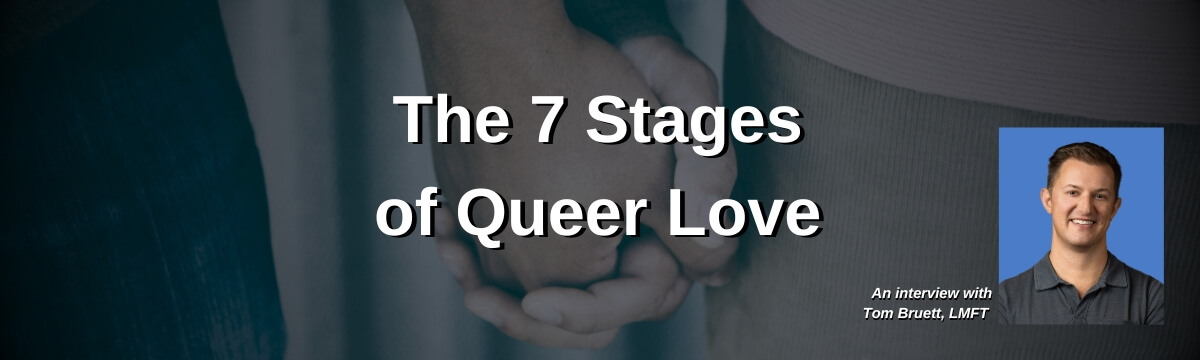
The Seven Stages of Queer Love: Therapy with Queer Couples, Queer Sex, and the Developmental Model – An Interview with Tom Bruett, LMFT
If you work with queer couples, you have probably heard some version of this: “We loved our last therapist, but they were really uncomfortable talking about queer sex.” Therapists rarely intend to disconnect from their queer clients. More often, they simply were not trained for the work, do not have language for queer sex, and quietly hope the topic will not come up. It usually does, just not out loud.
Curt and Katie talk with Tom Bruett, LMFT, about what therapists often miss when working with queer couples, how the Developmental Model of Relationship Therapy can be expanded to include the realities of queer relationship development, and why a “second queer adolescence” deserves a place in any clinical framework for working with this population. Tom is the founder of the Queer Relationship Institute and the author of The Go-To Relationship Guide for Gay Men: From Honeymoon to Lasting Commitment (JKP).
Click here to scroll to the podcast transcript.Transcript
(Show notes provided in collaboration with Otter.ai and Claude AI.)
About Our Guest: Tom Bruett, LMFT
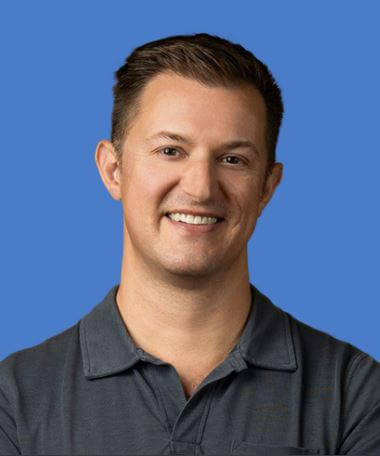 Tom Bruett, LMFT is a therapist, trainer, consultant, and author who works extensively with the queer community. He is the founder of the Queer Relationship Institute, which provides therapy for queer folx and training for therapists who work with queer relationships. Tom has trained under Drs. Ellyn Bader and Peter Pearson in the Developmental Model of Relationship Therapy, which he now trains other therapists in. His book The Go-To Relationship Guide for Gay Men: From Honeymoon to Lasting Commitment is published by JKP.
Tom has been on multiple podcasts including Happy, Healthy Homo, Sex and Psychology with Justin Lehmiller, and The Couples Therapist Couch. He is also an accomplished speaker and presenter and has spoken at national conferences like AASECT. In his downtime, he loves theatre, travel, and collaborating with his partner to keep their rescue dog, Millie, from causing too much mischief.
Instagram: @QueerRelationshipInstitute
Website: www.QueerRelationshipInstitute.com
In this Podcast Episode: Therapy with Queer Couples, Queer Sex, and an Expanded Developmental Model
Tom walks us through what therapists most often get wrong when working with queer couples, why sex therapy training still treats queer sex as an asterisk, and how the Developmental Model of Relationship Therapy can be expanded to better reflect queer experience. The conversation also covers minority stress, the current political climate, trauma activation in queer clients and queer therapists, and Tom’s process of writing a book that does not require disclaimers to hand to a gay male client.
Key Takeaways for Therapists: Queer Couples Therapy, Queer Sex, and Affirming Relationship Work
“I’ve never had a client come in and say a therapist asked me a question, and that’s why I left. So often we just avoid asking the questions that we’re uncomfortable around.”
— Tom Bruett, LMFT
- Ask the questions. The most common complaint Tom hears from queer couples is that their previous therapist was uncomfortable with queer sex. Clients rarely leave because a therapist asked. They often leave because no one ever did.
- Center queer joy, not only queer pain. Strengths-based questions about pleasure, what is working, and what clients love about their sex lives create connection and clinical traction.
- Queer culture is not a monolith. There is no right or wrong way to be queer. Therapists should approach each queer client’s identity, relationship structure, and developmental timeline on its own terms.
- The “relationship escalator” is not the standard. Queer relationships often do not follow the date-marry-house-kids-minivan trajectory, and pretending otherwise pathologizes structures that are working.
- Minority stress shapes differentiation. Many queer clients have learned to hide, compartmentalize, and disconnect from their own desires. That history affects how they attach, differentiate, and stay connected in adult relationships.
- The current political moment is in the room. Trans clients worried about hormone access, families exploring citizenship abroad, fears about marriage equality — therapists should check in directly rather than wait for clients to raise it.
- Trauma is flaring up. Across Tom’s caseload and consultation groups, more time is going to nervous-system regulation, somatic work, and EMDR before deeper couples work becomes possible.
“You don’t know what you don’t know. If you are working with a queer client, get some consultation, do some training, read a book, listen to a podcast. Are you doing that kind of work on the back end and not just expecting your clients to educate you?”
— Tom Bruett, LMFT
The Seven Stages of Queer Relationship Development
Tom’s book builds on the five-stage Developmental Model from Drs. Ellyn Bader and Peter Pearson, adding two stages he sees as essential when working with queer relationships. At a high level:
- Second Queer Adolescence. Tom’s addition. Many queer people did not get to explore identity, sexuality, or relationships during their physical adolescence. After coming out or transitioning, a developmental window opens. This is where differentiation begins.
- Honeymoon. The first six months to two years of bonding, attachment, and similarity-seeking.
- Discovering Differences. Differentiation becomes real. Couples notice where they differ and have to balance individuality with connection.
- Exploration. Couples go out into the world and act on those differences, whether that is opening the relationship, reconnecting with friends, or pursuing individual interests.
- Agreements. Tom’s second addition. Many fights are about unspoken agreements. Naming and revisiting agreements explicitly is part of the developmental work, not an afterthought.
- Reconnection. After autonomy has been re-nurtured, partners reconnect so the relationship does not drift into parallel lives.
- Mutual Interdependence. The north star. Full individuality alongside genuine reliance on a partner, distinct from codependence or rugged independence.
Listen to the full episode for Tom’s clinical examples and how he uses the model with gay male couples and in his training programs for queer therapists.
Resources on Queer Couples Therapy, Queer Sex, and the Developmental Model
We’ve pulled together resources mentioned in this episode and put together some handy-dandy links. Please note that some of the links below may be affiliate links, so if you purchase after clicking below, we may get a little bit of cash in our pockets. We thank you in advance!
- Tom Bruett’s website and Queer Relationship Institute, including the nine-month training program for queer therapists and consultation groups: www.QueerRelationshipInstitute.com
- Tom Bruett’s social media: YouTube, Instagram, TikTok
- The Go-To Relationship Guide for Gay Men: From Honeymoon to Lasting Commitment by Tom Bruett, LMFT (Jessica Kingsley Publishers)
- Dr. Justin Lehmiller, Sex and Psychology podcast and research at the Kinsey Institute
- Gender Magic by Rae McDaniel
- Trans Sex by Lucie Fielding
- The Developmental Model of Couples Therapy, Drs. Ellyn Bader and Peter Pearson, The Couples Institute
- The Trevor Project research on LGBTQ+ youth mental health
- Concepts discussed: differentiation, mutual interdependence, the relationship escalator, minority stress, Dan Siegel’s hand model of the brain, second queer adolescence
Relevant Episodes of MTSG Podcast
- Exploring Systemic Trauma and Relational Privilege with BIPOC and LGBTQI Couples: An interview with Akilah Riley-Richardson, MSW, CCTP
- Understanding Sexual Trauma and Hookup Culture in Therapy with Gay Men: An Interview with Michael Pezzullo, LMFT
- What Therapists Need to Know to Support the Trans Community: An interview with Artie Hartsell
- Working with Trans Clients: Trans Resilience and Gender Euphoria, An interview with Beck Gee-Cohen, MA CADC-II
- The Practicalities of Mental Health and Gender Affirming Care for Trans Youth: An Interview with Jordan Held, LCSW
- Getting Personal to Advocate for Compassion, Understanding, and Social Justice: An interview with James Guay, LMFT
- The Lasting Harm of Conversion Therapy: An Interview with Samuel Nieves
- Reacting to Regime Change: How Therapists Can Advocate for our Clients and Communities
- Vulnerability, The News, and Your Clients: An interview with Dr. Abigail Weissman
- Sex Therapy with Perfectionists: An Interview with Dr. Tom Murray
- What Therapists Should Know About Sexual Health, Monkey Pox, and the Echoes of the AIDS Epidemic: An Interview with Mallory Garrett, LMFT
- Sex and Shame, An interview with Eliza Boquin, LMFT
- Let’s Talk About Sex, An Interview with Liz Dube, MA, MS, Certified Sex Therapist
Meet the Hosts: Curt Widhalm & Katie Vernoy
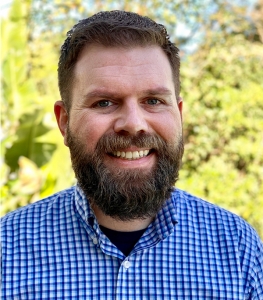 Curt Widhalm, LMFT
Curt Widhalm is in private practice in the Los Angeles area. He is the cofounder of the Therapy Reimagined conference, an Adjunct Professor at Pepperdine University and CSUN, a former Subject Matter Expert for the California Board of Behavioral Sciences, former CFO of the California Association of Marriage and Family Therapists, and a loving husband and father. He is 1/2 great person, 1/2 provocateur, and 1/2 geek, in that order. He dabbles in the dark art of making “dad jokes” and usually has a half-empty cup of coffee somewhere nearby. Learn more at: http://www.curtwidhalm.com
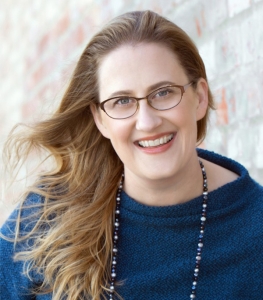 Katie Vernoy, LMFT
Katie Vernoy is a Licensed Marriage and Family Therapist, coach, and consultant supporting leaders, visionaries, executives, and helping professionals to create sustainable careers. Katie, with Curt, has developed workshops and a conference, Therapy Reimagined, to support therapists navigating through the modern challenges of this profession. Katie is also a former President of the California Association of Marriage and Family Therapists. In her spare time, Katie is secretly siphoning off Curt’s youthful energy, so that she can take over the world. Learn more at: http://www.katievernoy.com
A Quick Note:
Our opinions are our own. We are only speaking for ourselves – except when we speak for each other, or over each other. We’re working on it.
Our guests are also only speaking for themselves and have their own opinions. We aren’t trying to take their voice, and no one speaks for us either. Mostly because they don’t want to, but hey.
Join the Modern Therapist Community:
Podcast Homepage | Therapy Reimagined Homepage
Facebook | Facebook Group | Instagram | YouTube | LinkedIn | Substack
Consultation services with Curt Widhalm or Katie Vernoy:
Connect with the Modern Therapist Community:
Our Facebook Group – The Modern Therapists Group
Modern Therapist’s Survival Guide Creative Credits:
Voice Over by DW McCann https://www.facebook.com/McCannDW/
Music by Crystal Grooms Mangano https://groomsymusic.com/
Transcript for this episode of the Modern Therapist’s Survival Guide podcast (Autogenerated):
Transcripts do not include advertisements just a reference to the advertising break (as such timing does not account for advertisements)
… 0:00
(Opening Advertisement)
Announcer 0:00
You’re listening to the Modern Therapist’s Survival Guide, where therapists live, breathe, and practice as human beings. To support you as a whole person and a therapist, here are your hosts, Curt Widhalm and Katie Vernoy.
Curt Widhalm 0:15
Welcome back, Modern Therapists. This is the Modern Therapist’s Survival Guide. I’m Curt Widhalm, with Katie Vernoy, and this is the podcast for therapist about the things that go on in our profession, the things that go on in our field, clients we serve, how we interact with them, and this is an episode where I think if a lot of the ways that we work with queer clients, the ways that we talk about their relationships, a lot of times in our field we throw shade at what we learned in grad school, but I want to say that if most of the knowledge that we have in working with these kinds of populations is based in 1995 research, then you know the world has evolved, it’s no longer the taboo space that it was 30 years ago, and a lot of new research has come out as this becomes a part of our population that we recognize we need to show up, we need to not treat people like they’re outsiders. So we are very thankful to have our guest, Tom Bruett, licensed marriage and family therapist, come on and talk about how we can better work with our queer clients and their relationship. So, thank you so much for joining us here today.
Tom Bruett 1:27
Yeah, I’m really happy to be here. Thanks for having me.
Katie Vernoy 1:29
We’re really looking forward to this conversation, but before we jump in, I’d like to ask you the question we ask all of our guests, which is, Who are you and what are you putting out into the world?
Tom Bruett 1:38
Big question. So, yeah, I’m a gay man, a cis gay man, a white cis gay man, and I have, since the beginning of my professional career, worked with queer couples and queer relationships. I started in San Francisco about 12 years ago, and since then it really became clear to me that their queer relationships are different, and so I’m kind of on a mission to help therapists work better with queer clients and queer relationships, and also provide more resources for queer clients out there in lots of different ways.
Curt Widhalm 2:09
So one of the questions that we ask at the top of a lot of our episodes isn’t from a shaming place, it’s a place from if people are already making these mistakes, we can take some of the collective wisdom of our field, but when therapists are working with queer folks and their relationships, what is it that a lot of therapists tend to get wrong?
Tom Bruett 2:28
So I’m also a sex therapist, and one of the things I hear most often when queer couples will come in, or queer relational clients will come in and see me, is that they loved their last therapist, but their therapist was really uncomfortable talking about queer sex, and especially if they were seeing a couple’s therapist or relational therapist, that can be a real problem, right? And so if sex, I think, is just something in general that we as therapists don’t get a lot of training or experience in, and then you add the layer of queer sex on top of it, and it can be pretty uncomfortable for some therapists out there to really talk about this topic and bring it in and invite it in, and many of our clients have the same experiences, so they will not necessarily bring up the topic of sex, you know, on their first, second, third, fourth session. So I think if therapists can just get a little bit more comfortable asking questions, and I’ve never had a client come in and say a therapist asked me a question, and that’s why I left. Right, so often we just avoid asking the questions that we’re uncomfortable around. So that would be my big, my big PSA here is ask, ask the questions.
Curt Widhalm 3:35
So for people that are maybe not as experienced working with us. I don’t want to subject some random couples out there to some really naive questions, and I want to maybe encourage them to go to consultation, but to get through some maybe introductory or awkward questions at first. Specifically, what kind of questions are you encouraging clinicians to be able to ask these couples?
Tom Bruett 4:01
Yeah. So, questions like what kind of sex are you having? Or how is pleasure fitting into your sex life currently? Are there things that you wish were different in your sex life? Are there things you really love in your sex life? I really try to center queer joy as much as you know, there’s so much literature and research out there about all of the issues that that present themselves for the queer community, but I think the more often that we as therapist can also look for the things that are going well, I think that that’s that’s a real opportunity there for I think connection with the therapist, but also an opportunity to build on the strengths of the client. So, starting from a strengths-based place with sex, I think can be a real, real good way to dip your toes in.
Katie Vernoy 4:43
The questions you’re asking, it seems like those would be questions that you would want to ask any couple, and that would be something that I’m assuming is part of sex therapy training, is making sure that sex becomes part of the conversation. How well does the current sex therapy certifications teach about queer sex, queer relationships, those types of things?
Tom Bruett 5:07
So it really depends. I just finished, completed my sex therapy training with the Sexual Health Alliance, and they have some great opportunities there where they bring in guest lecturers who specialize in queer sex and different kinds of sex of all kinds, but unfortunately I’m still the person in the back asking, like, is there research on this with queer folks, and it’s not something when I’ve gone to a bunch of sex therapy conferences, queer sex is often like just the asterisks at the end, this will also work for queer folks, and it’s like, has there been research on this? Are people actually exploring this, and is there any evidence that this actually will work? And are you just tagging this on because you know these questions can be good for queer folks too, or or are there some some people actually out there doing research on this population? And there is some, but, but you know, the funding, I think we’re seeing this just kind of across the board, like if, if people can’t make money off of it, there’s not always the fun funding there, and so I do think queer folks are still getting left behind in some important ways.
Katie Vernoy 6:11
What are the differences that you’re identifying when you’re, or what were the differences that you did identify it when you were going through your training between straight sex and queer sex?
Tom Bruett 6:22
Well, if all of the case examples are just heterosexual couples or cisgendered couples, then it really makes it very difficult to just apply some of those same concepts. Yes, of course, there are some universal things around sex and sexuality that we can pull into our queer clients, but if you’re not talking directly about, you know, different experiences, different bodies, different types of pleasure. Then you’re really doing a disservice, and so I think that’s that’s something that I noticed a lot was that we were there’s still a way in which queer sex is sort of this, you know, add on at the end, it’s not necessarily integrated into a lot of people’s presentations.
Curt Widhalm 7:02
Do you have any favorite researchers or people who are putting out good information? Are you that researcher? Are you somebody who’s you’re obviously on the podcast, but who are you excited about who’s talking in this space, and what are you learning from them?
Tom Bruett 7:17
Yeah, I mean, there are some really great people out there. So, Justin Lehmiller at the Kinsey Institute, he has a great podcast, and he does. He just.. I just saw him at the SHA Conference, and he was presenting on dating in 2025 and he had a bunch of slides that were specific to what are happening for queer folks, and you know, so there’s people like that out there. There’s definitely also writers like “Gender Magic”, Rae McDaniel, that’s a great book for trans folks right now. Lucie Fielding “Trans Sex” a great book out there. Like, there are some really great resources out there. We just need more of them.
… 7:49
(Advertisement Break)
Curt Widhalm 7:51
We also know that you’ve got a book, and we’re going to talk about that later in the episode. So, you are totally one of the writers who’s out there as well. But I want to, I want to talk about the seven stages of queer relationship development, and this being how we ended up connecting for this podcast. And as an introduction for many of us, including those of us hosting this podcast, can you talk to us about those seven stages?
Tom Bruett 8:20
Sure, yeah, I would love to. So, this is based on the research of my mentors, Dr. Ellyn Bader and Peter Pearson, who developed the developmental model of couples therapy, and I’ve been training with them for a number of years, and they are so open to kind of expanding their work and research to other populations. And so, I went up to them, and I said, I really want to write this book, and there’s two additional stages I wanted to add to your model, because there are two stages that are unique, I think, to queer relationships, and so I took their five-stage model, and I added two additional stages, and would it be helpful if I went through those seven stages?
Curt Widhalm 8:56
Absolutely.
Katie Vernoy 8:56
Yes, please.
Tom Bruett 8:58
Great, so the first stage is one that I added, the second queer adolescence, and so for a lot of us in the queer community, we went through our adolescence physically at the same time as our non-queer counterparts, but many of us were not in, we didn’t have opportunities to explore parts of ourselves, parts of our gender, or our sexuality, for lots of different reasons, you know, either we weren’t out or we didn’t have a safe community or safe friendships, and so we maybe explored some parts of ourselves, but not fully, and so after somebody comes out or transitions, oftentimes they have this second queer adolescence where they’re getting to know themselves and they’re learning what’s important to them, what makes them tick, and that is a really good beginning stage for differentiation, and so the developmental model is really all based on relational differentiation, and you can’t really differentiate, and by differentiation I mean being able to connect to what’s important to you, your thoughts, feelings, wishes, and desires when their intention with a partner who may have different thoughts, feelings, wishes, and desires, and you, until you know yourself, you can’t really differentiate, you can’t really connect with what’s most important to you, and so that’s the first stage that I added to their model. Then we go into the honeymoon stage. This is right out of Ellyn and Pete’s research. So the honeymoon stage is the first six months or two years of a relationship where you are bonding and you’re connecting and attaching and all that, you know, all those beautiful hormones are flowing and you’re learning all the ways that you’re similar and making sure that this is a relationship you want to continue. After that, usually after six months to two years, you move into the discovering differences stage. This is where differentiation really hits the road, or the rubber meets the road, and so this is when couples will start to realize, okay, we have all these similarities, but there are some really important ways that we’re different, and how do we bring back that individuality while also maintaining the connection that we’ve developed? So it’s like a balance between connection and autonomy, and then the third stage is you, after you’ve discovered those differences, you’ve got to go out in the world and explore them, and so one one that I see all the time in the gay men that I work with is open relationships. So they just, they discover they want to be in an open relationship, and then they go out and they explore that, and they come out and figure out some different ways that they want to, you know, incorporate that into their lives and their relationships. Another way that that shows up, because that topic can be a third rail for some folks, is, you know, they, they discover that they have been letting some of their long distance friendships linger on the vine, and so they want to reconnect with that. They want to have a trip with the boys or the girls, or whatever, and not include their partner, and that can be, you know, a way that they go out into the world and explore that. After you go out into the world and explore, this is the other stage that I added, the agreement stage. I think this is important for most relationships, you know. After you go out and you explore and you shift something, it’s really important to have very clear agreements. So many of the fights that we see in our office, right, are about unspoken agreements, and so getting really clear about what those agreements are, and revisiting that, is I think a really important part of the process. After that, we come to the reconnection stage, and so this is this is really important, because with differentiation, there’s the connection, and there’s the autonomy. When you go out and you re-nurture that autonomy, you’ve got to be able to come back and connect to your partner or partners, because without that, you know that it can feel like, okay, we’re just, we’re growing apart, and then the final stage that you’re working towards is mutual interdependence, and this is something that I think, you know, give giving folks our north star that they can, they can work towards in this model is really, how can you be an individual fully, but also stay connected and flow seamlessly through these, these different stages, and learn that it’s that depending on somebody is not necessarily the worst thing in the world, but how can you do it in an interdependent way, and so that’s that’s the seven stages in a nutshell.
Katie Vernoy 13:00
Just the last stage that you were talking about, it sounds important for all relationships, and I think it’s very hard to get to the mutual interdependence, and I think that a lot of folks who have had, whether it’s trauma or unhealthy relationships that they grew up in, they have there’s difficulty being able to distinguish between interdependence, dependence, codependence, independence. Do you have a way that you talk about it? Because I feel like that is something I’m talking about all the time.
Tom Bruett 13:38
Yes, yeah, codependence, I think dependence in general can get sort of a bad rap, right, but in some ways we have to be able to, I think, in a relational context, be able to rely on other people, and so the book that I wrote in the population I work mostly with is gay men, and so when you have people who are raised and socialized male in our culture, it can be very difficult to actually depend or interdepend on somebody, because you’re it’s rugged independence, right? You’ve got to be able to pull yourself up from your bootstraps. However, I think that there are, you know, if we were to make a continuum between codependence and interdependence on the other side, there there are behaviors in codependence that are that make most people lose connection to their selve themselves, they lose connection to what’s important to them, and they have to do that in order to maintain a relationship. Interdependence, you’re that’s not that’s not really a part of the mix there. Interdependence, you’re able to say, hey, honey, I’ve had a really long day at work, can you walk the dog today, or hey, I’m struggling a little bit with x, y, or z thing. Can I lean on you? It’s not, you know, can I disappear into you. And I think that’s a really important distinction.
Curt Widhalm 14:51
I’m really always glad when we have guests on who validate things that I’ve been telling my clients all along. I think in my own way I am really specifically talking about the second queer adolescence that you’re talking about, because for a lot of the young people that I’ve worked with who have found the opportunities and the safety to explore some of their sexuality, once they move out of their household, they go out of college, they get kind of that opportunity to, as one of my clients put it, at one point actually be allowed to be queer and date and be awkward for the first time and make a lot of early relationship mistakes. Is there wisdom from this community that you have attempted or seen attempted to kind of show for people who aren’t able to kind of make that step yet and be able to kind of help move along that timeline a little bit.
Tom Bruett 15:50
there’s a couple of things that I repeat often, like the first one is the queer culture is not a monolith, so I can’t speak for the entire queer community, I can speak for like one slice of it, but even in the gay male community, I can’t speak for all gay men, and the second thing that connects to what you’re saying is that there’s no right or wrong way to be queer, and so whatever your journey is and your process is, you don’t have to come out, you don’t have to transition or do anything that doesn’t feel authentic to you, and so I think that would be kind of the resounding advice, if you want to use that word, that I would say is like there are people like you out there who are going through a similar experience, and if you can’t find them in your community for whatever reason, thankfully we have the internet right now, and the internet’s, you know, can be a problem in a lot of ways, but I think it’s also been really beneficial for many, many members of the queer community, because you’re able to connect to more people who look and think and are like you across the world.
Curt Widhalm 16:54
You’re kind of picking up on, you’re laying out this theme that is, you know, no queer relationships are the same, any part of the community, and you know, maybe this might be one of the limits of research, is that research likes when we can just compartmentalize everything into a box, and this kind of stuff makes us think, and that’s hard to do on a day-to-day basis for a lot of people who would rather just be like, hey, everything fits into a box. With some of the people who might be listening for how queer relationships might be different, what are some of the other considerations that people who are trained under the more heteronormative schedules? What are some of the things that they should also consider?
Tom Bruett 17:39
Yeah, if we think about the relationship escalator, and this is a term that’s thrown around a lot, but you know the way I’m using it is the relationship escalator, once you get on it, you date, and then you get married, and then you have kids, and you move to the suburbs, and you buy the house with the white picket fence, and get two dogs and a cat, and all that kind of stuff.
Katie Vernoy 17:56
And a minivan.
Tom Bruett 17:57
And a minivan. Yes, my sister just got a minivan, and she could not be happier, and that would be my nightmare. So, you know, it’s different, different, different people want different things. But the, you know, in terms of that escalator, it’s it is drilled into us from the time before we can even speak, right? It’s in kids books, it’s in children’s television, it’s in movies, it’s in pop culture, it’s in what, what we see in the relationships mirrored around us, and so queer relationships, you know, unlike other minority groups, we often don’t grow up in queer families, right, we don’t grow up in queer families, or even have queer relatives, many of us, and so there’s there’s lots of different components that impact being queer that don’t also impact heterosexual relationships in the same way, and so if we look at the media and how the media represents relationships and identities, I think there are some, you know, thankfully there are some shows that are starting to get it right for some, some people, and so there is hope there, but when I was growing up, there was certainly no, I mean, you were the clown if you were a gay character on TV, or you were dying of AIDS, you know, those were the examples that I saw, and so if we can look at media representation, we can look at systemic oppression and how how minority stress impacts people’s identity formation and the way that they connect with other people, and you know, the higher levels of mental health distress that we see, you know, if you look at the Trevor Project, which does great research on young queer folks, every two years or so, they come out with a new survey. Unfortunately, we’re seeing the negative statistics, especially over the last couple years, are just increasing, and so it’s, it’s still very, very difficult to be queer, and I think sometimes when I talk to therapists who don’t identify as queer, they’re like, “Oh my gosh, it’s getting so much better, gay marriage, and I have this gay friend, and like, life is better, and while that is true for some people, I’m still getting that 24 year old in my office who’s kicked out of their home, you know, from growing up in the conservative family in the South, and has to deal with all of the same stuff in different ways that somebody would have 20 years ago. And so I think there is this belief that we want to have as therapists, that things are getting easier, and they are in some really important ways, but we haven’t seen yet the mental health statistics catch up with those those big gains that we’re seeing socially and politically in a lot of ways, and so all of that, of course, impacts the way that you attach to another human being, and the way that you are able to show up in relationship, and you know, differentiation, I think, can be even harder for some queer folks, because we’ve learned to hide and compartmentalize and put things, uh, you know, put things aside and disconnect from what really brings us vitality and pleasure, and, and you know, that we’re longing for. So, I mean, that’s a kind of a long-winded way to answer, like, I think there’s many different components, and I could go on and on and on about this, but you know, it’s it’s something that differences are not always a bad thing, and I think if you’re working with a queer, a queer client, really getting to know who they are and what what makes them tick and what makes what is difficult for them about being in a relationship with someone else is really important.
… 21:12
(Advertisement Break)
Katie Vernoy 21:14
With the current political landscape and some of the fears and or actual rolling back of rights, and I don’t even know what the right word is, benefit the rolling back of humanity. I’m just gonna stop there, because I could get too depressed really quickly. How are you seeing that show up within your, the clients you see in the, in the relationships that that you’re supporting, because it feels like there’s both what you describe, that recognition, there’s visibility, but certainly not all the visibility is good, and the threat it feels like is that things will go back to the way it was 20, 30 years ago, and there’s this element of relationships being under attack or identities being under attack. So, how are you seeing that play out? What are the things that you would recommend that therapist might do to support their clients who were in this position during this particular moment in history.
Tom Bruett 22:24
Yeah, it is a heavy question, and I think again, as a cis white gay man, I have certain privilege in this space. Like, it certainly is impacting our BIPOC clients and our trans and non-binary clients I think in an even more impactful way. I support a lot of different queer therapists, and so some of the things I’m hearing are like, you know, trans folks are really, really worried about their hormone supply, and like, what’s going to happen if that gets taken away, and that’s a lifeline for a lot of people, that is. Period, end of sentence. A lot of people are worried about, I mean, I’m hearing so many people thinking about, how can I get citizenship in another country? Do we have our papers in place? What’s going to happen to our family if you know our children? What’s going to happen to our children if things get worse? And you know, marriage equality, is that going to go away? And what does that mean? And are we going to actually be safe? So it’s, if it’s, it’s, there’s so much fear right now, and I think if you, many, many of us who are in the community are certainly, I think, aware of that and checking in with our clients around that, but if you’re not checking in about your, about this with your queer clients, I think you’re missing some real potential here. I don’t mean you have to bring it in and make the whole session about this, but you know how you doing with the current, current world, I think it’s a really great place to start, because a lot of people are struggling a lot. I mean, the, the stress that I’m seeing in the, in, because I, because I run a couple of queer therapist console groups, that just the person of the therapist stuff is coming up a lot right now, because we’re living through a very difficult time, while we’re also trying to help support our clients through a really, I mean, very, very difficult time right now.
Katie Vernoy 24:05
For the person of the therapist, for the queer therapist who are our listeners, our friends, are us, whatever it is. I think those things are also important. Do you have some different pieces of advice for queer therapist going through this time?
Tom Bruett 24:20
I just think it’s really important to have support. I mean, I can’t, you know, to be in a space where it’s okay to cry when we get some really terrible political news, and to have people that you can open up to, and you know, this is a very lonely profession for a lot of us, especially if you’re in private practice or you’re not in a group practice or something, and so making sure you’re getting your own support, I’m not going to say like self care, like of course we can all do more self care, right?
Katie Vernoy 24:45
Yeah.
Tom Bruett 24:46
But like this is really, really a very, very scary time, and so you know, just making sure you’re not alone in that, I think is really important.
Curt Widhalm 24:55
You’re talking about a lot of really high level aspects in the ways that this is affecting queer people, as far as citizenship and moving out. How are you seeing themes emerge, and how this is playing out in people’s relationships, the ways that they approach dating in this client, as well as more of the day-to-day aspects, as well?
Tom Bruett 25:18
Certainly, so one of, one of the aspects of the developmental model is neuroscience, and so if we think about Dan Siegel’s Hand Model of the Grain and the thumb being the amygdala, if your amygdala is activated, if you are in fight, flight, freeze, or fawn mode, it is going to be very difficult to have a conversation about wanting to increase this frequency of our sex, or you know, wanting to think about adopting a kid or having a child. I mean, those are really important conversations, but when, when your nervous system is so dysregulated because of what’s happening in the current moment, but also if you have a history of trauma in different ways, I mean, it’s very difficult to actually, like, a lot, a lot of time is being spent on just regulation right now and slowing people down and helping them stay in their skin and be in their bodies, and somatic work, and EMDR, and like I’m just seeing a lot more trauma flaring up in, in the folks that I’m personally working with, and supporting other people’s other people working with.
Katie Vernoy 26:16
It seems like there’s a lot of slowing down that’s needed for much of the work that’s happening in the current climate. How are you taking care of yourself in that space? Because I think our amygdalas are also activated.
Tom Bruett 26:31
Yeah, I’m just being really careful with how many people I see in a day and diversifying kind of the things that I’m doing, so I can do some, you know, writing or activism, or you know, different things that fill my soul in different ways. I’m just seeing a lot of, a lot of trauma right now, as probably many people are in their spaces, and so I’m having to kind of reconnect with my own, you know, self-care practices and make sure I’m doing the things I need to do to keep my cup full, and I’m not always succeeding. I’m going to be honest about that. You know, it’s.. it is an experiment.
… 27:07
(Advertiement Break)
Curt Widhalm 27:08
I want to be able to pivot and talk about your process for writing the book, and you talked a little bit about needing to add some of the stages for the relationship developmental model. Why now? Why? What was your thought process going into it? How was the process of writing the book for you?
Tom Bruett 27:27
Yeah, so I was so tired of like recommending parts of books to clients, like here’s like a really great chapter to read, but like I’m really sorry it’s very heteronormative. Or like I’m sorry there’s no cases of gay couples in this book, but like it’s really important, and this, the science, I think, will really resonate with you, and so I wanted to create a book specifically for gay male clients that, that really could take them from, you know, beginning to end around relationship development, and they’re really, you know, there are some books out there, but some of them are a little bit older, and so I wanted to kind of refresh some of the science and some of the different relationship structures that people are currently living with, and all that kind of stuff, and so I wanted to create a book that, that could start with the first part of the book, is it starts with you, you’ve got to really get clear on your relationship with differentiation in yourself, and then the second part goes into how you know a go-to guide of how you could actually be in relationship and bring this therapisty word of differentiation practically into your life. And not everybody is going to go to couples therapy or relational therapy, and I think it’s really important that there are resources out there that are written for us by us, and that I could, I could hand happily hand to somebody without any disclaimers, and so that was my, that was the why behind it for me, and then it was, it was a really great process to write the book. A colleague and friend of mine, Martha Kauppi, when I was trying to get this book going, was like, why don’t you just take a month off clinical work and see if you can get a first draft, or you know, the beginnings of a first draft done, and it was the best piece of advice I ever got, and so I took that month off. It was really risky and scary, you know, to tell my clients about this, and the financial, you know, implications, of course. But taking that month off to really like get my thoughts on paper is, is, I would not have been able to write this book without that, because I could get everything out, and then I could go back in small chunks of time and edit it, and keep writing it, but for me, like, we’re writing 10 pages a day was, or 10 pages a week, or something, it just, it wasn’t working. So that was my process.
Katie Vernoy 29:34
I’m gonna get therapisty here for a second. It seems like there’s this need for many of us to be present for our clients to keep working, doing the work, especially during this time, and so taking that month to do something for your clients, for the world, but it also meant that you needed to prioritize your own needs during that time, and so I just wanted to honor that, because that is not easy to do for many of us. Many of us will, you know, shove more clients into spaces because there’s such a need, and so I just wanted to, to praise you for that, because I think it’s, it’s not easy for many of us to do that.
Tom Bruett 30:13
Thank you. I will take it.
Katie Vernoy 30:16
So, back to the book, Who is it for? Because it sounds like it’s pretty much geared towards gay men. Is it something that can translate to broadly more, more queer relationships, or is this really a book for gay men?
Tom Bruett 30:30
I wrote it specifically for gay men. That being said, you know, there are many trans men out there who identify as gay men. There are, you know, some bi men or queer men. I mean, it, I really talk a lot about masculinity in the book, and I wanted to stay in my lane, and so there will some someday, hopefully, be somebody who takes the concepts of the developmental model and expands it to different parts of the queer community. I just, I just felt like I, that I wasn’t the person to do that, and so I wanted to stay in my lane and write from my experience. That being said, I’ve had lots of therapist colleagues read it who get something out of it, and there are many, many concepts in there that would, that would be applicable to queer folks in general. I just wanted to kind of stay really niched down into to who I was speaking to.
Curt Widhalm 31:15
Now that you’ve written the book and you’re getting it out there, is there thoughts tingling as far as, ooh, here’s where I need to go next.
Tom Bruett 31:25
Yeah, I mean, so there’s a couple things. If I, if I get the privilege of doing a second edition, I would like to, I have some ideas of things I would like to shift already in the book that that currently exists. Then the next steps, I’m really enjoying talking more about sex and sexuality with queer folks, because I think it’s something that there are some – there are definitely some people out there doing it. I still think it’s, you know, sometimes in sex therapy conferences people will say, I’ve been giving the same talk for like 10, 15 years, because it feels like nothing is changing. We still need to hear the same messages, and so I think culturally there’s still a lot of opportunity around sex and sexuality to make it more specific for queer folks, to hopefully get people talking about it a lot more. I think especially in the gay male community, and this is true of myself too, I could have a lot of sex, but I couldn’t always talk about it, and I think if we can bring the communication into the sex that we’re having, I think it’s going to only be more beneficial for all of us.
Curt Widhalm 32:31
I realize that we’ve been talking about your book the entire second half of this episode here, and we haven’t actually named it. So, what is the name of your book? And we’ll give this as the opportunity to kind of tell people where you can go and find it as well.
Tom Bruett 32:46
Sure, yes, the book is called “The Go-To Relationship Guide for Gay Men: From Honeymoon to Lasting Commitment” and you can find it on Amazon through the publisher, Jessica Kingsley Publishing, anywhere you basically buy a book, Kindle. There’s not an audio book yet. Though I hope at some point we get one.
Curt Widhalm 33:05
Is there anything else that you’re feeling like we need to ask to kind of drive things home, something that we kind of gloss over? This is also an opportunity, just for, is there something that Katie and I, as very cis straight therapists, are missing as part of this conversation?
Tom Bruett 33:20
No, I think you’re asking really great questions, and I love what I love most is openness. Most therapists that I talk to, they’re scared they’re gonna hurt their clients, they’re not intentionally trying to not connect with their queer clients. I think people, you know, we don’t want to hurt anybody, we’re therapists, we love, we love the people that we work with, and so you know, I think it’s, it’s you don’t know what you don’t know, and I think the more that we can have, we’re not in the post, the post gay rights era yet. There’s still a lot more work to be done. There’s still a lot more education to be done. If you are working with a queer client, I think it’s really important to get some consultation, or do some training or read a book, listen to a podcast, right? Like, are you, are you doing that kind of work on the back end and not just expecting your clients to educate you? Like, that’s a really important, important thing for folks to think about.
Curt Widhalm 34:13
So, in addition to your book, where can people find out more about you and your practice?
Tom Bruett 34:18
Yeah, so my website is queerrelationshipinstitute.com. On there I do a one nine month training program for therapists who, queer therapists, who want to learn the developmental model from a queer perspective, which I love doing. This is my third year doing that, and then I have some consultation groups for queer therapists also who want to do more work with the developmental model, and I’m on Instagram, Queer Relationship Institute, and YouTube, Queer Relationship Institute, so all those places.
Curt Widhalm 34:48
And we will include links to all of Tom’s stuff in our show notes over at mtsgpodcast.com and the magic elves that work behind the scenes will also look up the references that Tom had mentioned earlier include those in our show notes as well. Katie is laughing.
Katie Vernoy 35:05
Are you calling me a magic elf.
Curt Widhalm 35:06
I am calling Katie a magic elf. Katie will put those in the show notes over at MTSG Podcast as well. And follow us on our social media, join our Facebook group, The Modern Therapist Group. We’re also now on Substack, and until next time, I’m Curt Widhalm with Katie Vernoy and Tom Bruett.
… 35:26
(Advertisement Break)
Announcer 35:28
Thank you for listening to The Modern Therapist’s Survival Guide. Learn more about who we are and what we do@mtsgpodcast.com. You can also join us on Facebook and Twitter, and please don’t forget to subscribe, so you don’t miss any of our episodes.




SPEAK YOUR MIND