

Designing a Sustainable Therapy Career: Reflections on Burnout, Legacy, and Letting Go
Curt and Katie discuss career design, burnout, and how to plan for the final stages of a therapy career.
In this episode of The Modern Therapist’s Survival Guide, Curt Widhalm and Katie Vernoy reflect on recent interviews with Lynn Grodzki, Margaret Wehrenberg, and Ofra Obejas to explore what it takes to build and sustain a meaningful therapy career and how to leave the profession well. They talk about professional identity, burnout, and the challenge of staying connected to the work without losing yourself in it. Curt and Katie also share personal reflections on their own evolving careers, finding balance, and preparing for the long game in private practice.
Click here to scroll to the podcast transcript.Transcript
(Show notes provided in collaboration with Otter.ai and ChatGPT.)
In this podcast episode: Career Sustainability, Burnout, and Therapist Retirement Planning
Curt and Katie explore what it means to create a sustainable career in therapy. Building on their recent conversations about retirement, they reflect on why some therapists end their careers feeling fulfilled and others burn out long before they plan to retire. They discuss professional identity, the privilege and limits of career design, and how intentional reflection can help therapists stay passionate and purposeful throughout their professional lives.
Key Takeaways for Therapists on Career Sustainability and Burnout Prevention
“What has changed over the last eight years is really ensuring that I have good support networks in the various aspects of my life to be able to maintain the enthusiasm that I want. I’m still super critical about things in our profession that don’t work. I think that what is different now is with wisdom, I know where to put that energy, how to put that energy into place effectively.” – Curt Widhalm, LMFT
- Therapists often enter the field with passion and moral drive but without a plan for sustainability or an intentional ending.
- Burnout can distort a therapist’s love for the work and sense of professional identity; ongoing reflection is essential.
- Designing a sustainable career means aligning practice structure, finances, and caseload with personal capacity and values.
- Private practice can become isolating. Community and peer connection are vital for maintaining perspective and enthusiasm.
- Professional identity evolves over time; intentional check-ins can help ensure your values and work still align.
- A “good finish” requires planning early: pacing down, reassessing boundaries, and avoiding last-minute burnout or collapse.
“Not just alignment, but an actual assessment of: What do we want to be putting out into the world? What do we want our legacy to be? I think those reflections, maybe it’s annual, maybe it’s every five years, whatever it is, but being able to touch base with: Who am I as a professional? Do I still agree with those things?” – Katie Vernoy, LMFT
Resources on Therapist Career Design and Longevity
Referenced in this episode:
- Letting Go of the Work You Love: A Workbook for Therapists to Prepare for Retirement, Close a Practice, and End a Career with Integrity – Available from PESI, Amazon, or your local independent bookstore
- When Burnout Ends Your Therapy Career – Interview with Ofra Obejas, LCSW (Modern Therapist’s Survival Guide)
Relevant Episodes of the Modern Therapist’s Survival Guide
- Letting Go of the Work You Love: An Interview with Lynn Grodzki and Margaret Wehrenberg
- When Burnout Ends Your Therapy Career: An Interview with Ofra Obejas, LCSW
- How Can Therapists Actually Retire? – An interview with David Frank, financial planner for therapists
- The Burnout System
- Addressing the Burnout Machine
- All Kinds of Burned Out
- Are You Too Burned Out to Work? An ethical assessment of therapist burnout and impairment
- Burnout or Depression?
- Are You Burned Out or Are You Bored?
- Choosing Yourself as a Therapist: Strategies to address burnout, compassion fatigue and vicarious trauma – An Interview with Laura Reagan, LCSW-C
- Thriving Over Surviving: Growing a Practice without Burn Out, An Interview with Megan Gunnell, LMSW
- Mastering Burnout and Building Resilience in Therapy – Katie’s interview on the Mastering Counseling Podcast
- Planning for Death or Incapacitation – What Therapists Need to Do: An interview with Dr. Robyn Miller, Ph.D.
- Impaired Therapists
- Don’t Forget to Pay Yourself and Other Money Planning Strategies: An interview with Carla Titus
- How Can Therapists Actually Retire? – An interview with David Frank, financial planner for therapists
- What Can Therapists Do When They Get a Life-Threatening Diagnosis? An interview with Patricia Ravitz, LMFT
- How to Navigate Shifts in the Mental Health Field and Your Career Path: An interview with Dr. Melvin Varghese
- It’s Time to Think About Your Goals
- REPLAY – It’s Time to Think About Your Goals
- Structuring Self-Care
- REPLAY – Structuring Self-Care
- Topic: Burnout
- Topic: Self-Care
Meet the Hosts: Curt Widhalm & Katie Vernoy
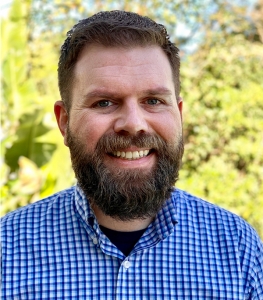 Curt Widhalm, LMFT
Curt Widhalm is in private practice in the Los Angeles area. He is the cofounder of the Therapy Reimagined conference, an Adjunct Professor at Pepperdine University and CSUN, a former Subject Matter Expert for the California Board of Behavioral Sciences, former CFO of the California Association of Marriage and Family Therapists, and a loving husband and father. He is 1/2 great person, 1/2 provocateur, and 1/2 geek, in that order. He dabbles in the dark art of making “dad jokes” and usually has a half-empty cup of coffee somewhere nearby. Learn more at: http://www.curtwidhalm.com
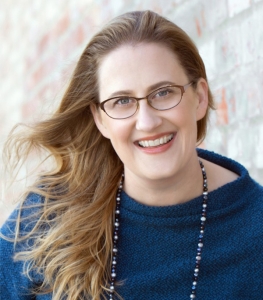 Katie Vernoy, LMFT
Katie Vernoy is a Licensed Marriage and Family Therapist, coach, and consultant supporting leaders, visionaries, executives, and helping professionals to create sustainable careers. Katie, with Curt, has developed workshops and a conference, Therapy Reimagined, to support therapists navigating through the modern challenges of this profession. Katie is also a former President of the California Association of Marriage and Family Therapists. In her spare time, Katie is secretly siphoning off Curt’s youthful energy, so that she can take over the world. Learn more at: http://www.katievernoy.com
A Quick Note:
Our opinions are our own. We are only speaking for ourselves – except when we speak for each other, or over each other. We’re working on it.
Our guests are also only speaking for themselves and have their own opinions. We aren’t trying to take their voice, and no one speaks for us either. Mostly because they don’t want to, but hey.
Join the Modern Therapist Community:
Podcast Homepage | Therapy Reimagined Homepage
Facebook | Facebook Group | Instagram | YouTube | LinkedIn | Substack
Consultation services with Curt Widhalm or Katie Vernoy:
Connect with the Modern Therapist Community:
Our Facebook Group – The Modern Therapists Group
Modern Therapist’s Survival Guide Creative Credits:
Voice Over by DW McCann https://www.facebook.com/McCannDW/
Music by Crystal Grooms Mangano https://groomsymusic.com/
Transcript for this episode of the Modern Therapist’s Survival Guide podcast (Autogenerated):
Transcripts do not include advertisements just a reference to the advertising break (as such timing does not account for advertisements)
… 0:00
(Opening Advertisement)
Announcer 0:00
You’re listening to the Modern Therapist’s Survival Guide, where therapists live, breathe and practice as human beings. To support you as a whole person and a therapist, here are your hosts, Curt Widhalm and Katie Vernoy.
Curt Widhalm 0:12
Welcome back, modern therapists. This is the Modern Therapist’s Survival Guide. I’m Curt Widhalm with Katie Vernoy, and this is the podcast for therapists about the things that go on in our profession, the way that we look at ourselves. And this is week three of us talking about retirement. And some of you listeners by now are probably wondering if this means that Katie and I are considering retiring, and while we will talk about our retirements in this episode, we’re really more reflecting on the last couple of weeks that our content calendar has almost posed kind of a tale of two cities. As far as the last couple of weeks, our interview with Lynn Grodzki and Margaret Wehrenberg a couple of weeks ago, our interview with Ofra Obejas last week, and talking about some of the different ways that people end up closing out their career. And Katie and I wanted to kind of synthesize some points from the last couple of weeks, as well as talking about where we’re at in our careers, our intentions to have kind of the best of what we can predictably do for not only the podcast, but our practices. If people are still wondering, no intentions to retire anytime soon, we’re still going strong. But Katie, I’m gonna let you kind of talk about, after the last couple of weeks, what are you thinking about the interviews that we’ve been having.
Katie Vernoy 1:41
I think it’s been the best of times and the worst of times. My thought process when doing these interviews and then re-listening to them as I prepare the show notes that we always have over at mtsgpodcast.com, it feels like there are a lot of different ways that therapists create their careers, and some are apparently very sustainable. People last into their 80s, 90s, as you had described in one of the episodes, and seem to be feasibly enjoying the work. I think there are some things that are problematic. If you haven’t listened to the two episodes, go back and and check them out. But there’s folks who like what Margaret Wehrenberg, Dr. Margaret Wehrenberg, said, really love the work and the the title of Margaret and Lynn’s book is “Letting Go of the Work You Love.” And then there’s folks on the other end, and maybe not all the way the other end. I know Ofra loved the work that she did as well, but felt they were they fell out of the profession. They lost the ability to do the work. They ran out of gas, I think she said, ran out of runway. And to me, trying to sort through what’s the difference? Ofra talked about it as shelf life, and maybe we can have a conversation about that in a little bit. But it also seems to be about design, how we design our careers, how we make choices in our careers, as well as something inherent within us that says how long we’re able to do this work. And I feel like I’m at a stage where, according to Margaret and Lynn, I should be planning for retirement. I’m about 10 years, maybe I’m 15 years out, and I should start looking at caseload. I should start thinking about the financial implications. And to be honest, I think I have been. I I’ve I feel like careers go in stages. They they’re moments when I feel very enthusiastic and revitalized. And there’s moments that I feel like I’m phoning it in. I’m doing what I need to do just to get through the work week and and maybe phoning it in is not the right word. I’m I’m mustering what I need to get the work done well, and then collapsing into the work, the work the weekend, after the work week. And so trying to sort through, what are the things that we can do to make this career more sustainable and make it so that we can actually do what is described in the in the book that Lynn and Margaret wrote, which is being thoughtful and planning for a good finish, versus what Ofra described as crashing at the end of a short runway. I mean, I know we have a lot of thoughts to get into, but, but that’s my initial responses. What were your responses? Or what were, what are the reflections that you have on those two episodes? And I guess the overall ability to sustain our careers and end gracefully, yeah?
Curt Widhalm 4:59
A part of knowing Ofra as a friend of the show over the last several years is one thing where I’ve been aware of Lynn and Margaret, at least professionally, from their books, but haven’t really known them in their practices, in the way that we’ve known Ofra. And I’ve always known Ofra to be very intentional, very professional about the intentions that she puts out there, and seeing it as really kind of the duality of where people can end up, that there’s a lot of proactivity and intentionality that Lynn and Margaret talked about in a really healthy and wonderful way that I assumed that Ofra was trying to do, but is something where there’s the idealized version of things and then the execution of things, and those being two incredibly different skill sets. And, you know, I think that for most of my career, I’ve been planning on retirement and taking care of things such as financial planning, and, you know, looking at what my life could be like once I decide to really take a step back from seeing clients, managing my practice, doing podcasts, that kind of stuff. But I think that there’s just kind of a inherently built into our field that, okay, you get licensed, you work for a couple of years, then you can supervise, and then you do that for roughly 40 years, and then you retire into something, that I’m really glad that Lynn and Margaret are putting words to paper to be able to put down, but this is just kind of the start of what this process actually looks like. You and I have talked with a number of clinicians over the years. We’ve talked about the impact of student loans. We’ve talked about the impact of what would reimbursement rates and income into this field, and all of the various reasons that some people might just fizzle out and some people might really take a very intentional, okay, this is my career. I’m done. And so I think that really having these in succession, and us being able to talk about it here is talking about part of our systems as a field, just in talking about what retirement is, is part of what contributes to us just getting into this mode of set it and forget it. As part of our job is just show up for 40 years and continue to see clients and continue to add various aspects to trainings, and then you’re supposed to do something with it. And there’s not really a guidance there for therapists to really know what to do next, and so healthy retirement planning is not just okay: Do you have enough money to retire, but it’s also being able to look at the last years of our practice in a way that gives us some intentionality and some ability to be able to take some of the steps that I think Ofra didn’t really be able to successfully complete in the way that I imagined that she had wanted to.
Katie Vernoy 8:35
My impression is that Ofra did everything that she needed to do for her clients, and like with the rest of her career, maybe she didn’t get to do the things that she wanted to for herself. And so I think that’s an important point to come back to. What really struck me when you were talking is that we don’t have guidance on how we make the career sustainable, nor on how we close out. And you know, whether it’s your path, you get licensed couple years, do supervision, you know, and kind of do that for 40 years, or my path, which was like a whole bunch of weird community mental health stuff after I got licensed and supervised for a little while, and then now I’m in private practice. And yeah, I’ve had some different types of clients. I’ve had different locations. I was doing groups for a while. Now I’m not. I’ve seen kids for a while, now I’m not. I’m doing the same job basically. And I’m 15 years in, and I may have 10 or 15 years more. That’s a long time to do the same thing, day to day, week to week, and that’s a little disingenuous. We’re doing the podcast. We had a conference for a while. Like we’ve we’ve diversified, we’ve done stuff, but it is challenging to think, is this what I’ve signed on to do? And how do I not get complacent? How do I not, like you said, set it and forget it. And I think maybe, maybe it’s, maybe I’m just trying to move the conversation into what we can do versus reflecting on the problem. But it’s a interesting, it’s an interesting profession to think about: How do we make this sustainable? Enough, interesting enough and doable enough? Because sometimes we make things interesting by making them harder, and then we have all of that moral injury and burnout and exhaustion and even more administrative paperwork and stuff that that Ofra was talking about the things, the 1000 paper cuts that create such a horrible experience, but, but, yeah, I feel like there’s, there’s like a whole, you know, we could link to all of our episodes in the show notes to describe this problem, but I think to synthesize what we might want to do with this, I think it’s important to look at first that how we design our career, and then how we intentionally close it out, and what the difficulty with implementation is.
… 11:10
(Advertisement Break)
Curt Widhalm 11:13
I think part of this is that there’s a professional identity that you and I even encourage on this podcast, that is okay, we don’t have to necessarily put on professional face. We can leave a part of ourselves in the work. But there really is a challenging concept in that that is what makes us love our practices? And having that professional identity and love is something where, when we do find that burnout, that moral injury, that can kind of corrupt our love for the practice, it can kind of corrupt our identity. It can extinguish our love of the work. You know, you and I have mentioned several times over the years of this podcast about, you know, we we push against the, you know, we’re not in it for the income. We’re in it for the outcomes kind of talk. And I’m not changing my attitude on that at all. If anything, I’m doubling down on it in that we can’t be in this solely just for the outcomes, but having so much of ourselves tied into what our identity is in our practice, what our love for what we’re doing, if that can make just the whole kind of process when we do run into a situation like Ofra’s all the more painful.
Katie Vernoy 12:42
When you said that before you hit record, that if we get burned out, does that corrupt our love for the work or impact our professional identity some way? The visual I got, or maybe the thought I got was when people are in a long standing marriage, and there’s bitterness, and there’s misunderstandings, and all of those things come up, and then all of a sudden they hate their spouse. That’s that’s how I pictured it. I don’t know if that’s how you meant it, but that’s how I pictured it. And I think about the relationship we have to the work, to ourselves as the professional and there are times when I feel like I am at odds with myself. Do I dig in here and potentially sacrifice personally? Do I keep moving forward and get exhausted and burned out? And you know, it’s, it’s almost like the personal side of me is is arguing with the professional side of me, and I become bitter at myself and from both directions. Why can’t I give more to my work and why can’t I leave more of myself to give it into my personal life? And as therapists, we have senses of what we might do, but it feels like it becomes very pervasive when we’re in those deep, deep, depressing versions of burnout that feel overwhelming. And it could be exhaustion from the clinical work. Ofra, I think accurately talked about how we’re not really given a lot to be able to manage all the emotional weight, the visceral one for me was, if some if a kid hits me with the ball in the face, do I not feel attacked? And I think there’s lots of different ways that, you know, literally and figuratively, we might deal with those things, but we’re not given a lot there. But there’s also the physical stuff of sitting in a chair for a long time, and all of the toll that can take on your physical body, and the financial strain and the listening to injustices and the way our profession is treated in so many different ways. And so when that just compounds, and it’s so deep, it feels really hard to love the profession, or to completely love the profession. There’s like that little lack of trust, like, I’m going to jump in here, I’m going to try to do my best. But am I going to be heartbroken again? Am I going to be, you know, is my soul going to be sucked out of my ears? You know, I feel like there’s, there’s an interesting relationship at least that I have with the profession, where I feel profoundly moved by the work. I feel like I’m called to do it, or whatever the right phrase is. And there’s times when I think, is this what I really signed up for? Am I okay with this? And I feel like that, not, I don’t know that corrupts my professional identity. I feel like I am a therapist, but I feel like it does challenge it, and it challenges the the way I feel about the work, even on good days, sometimes I’m like, Ah, am I bored? Am I under resourced? Do I need to do something different? You know, I don’t, I don’t know if I’m making any sense at this point, but, but that’s what came to mind when you were talking about, does burnout corrupt our love for the work or does it impact our professional identity? I feel like it’s, it just speaks to the relationship that we have to the work in ourselves as a professional.
Curt Widhalm 16:18
As I’m sitting here listening to you, I’m thinking about really specifically the last eight years is when we started our podcast, a lot of the various aspects that we’ve done, and really circling around this question of, Am I more cynical now about our profession than I was back then? And I’m going to ask you your feelings and reflection here in a moment while I kind of talk through my thought process. But in a lot of ways for me, it’s both that if I was to go back and talk to myself back then and hear myself speaking back then, how I would react is, I don’t know that I am approaching my work, the profession, any differently than I was. Actually, I am doing it differently. I haven’t given up the drive to help shape things in the way that I know, and the science knows, that our profession can and should be doing better. I think what I’ve become a lot better at is being able to temper my outrage into ways that are finding things to be more productive, that it’s not my sole burden to be the one responsible for everything. And a big piece of I think what has changed over the last eight years is really ensuring that I have good support networks in the various aspects of my life to be able to maintain the enthusiasm that I want, I’m still super critical about things in our profession that don’t work. I think that what is different now is with wisdom, I know where to put that energy, how to put that energy into place effectively, and with that comes more of a sense of calmness, where it does feel less outraged and cynical, but I don’t think that my attitudes have really changed, and I think it’s because I have you professionally. I have some other really close friends that I talk to professionally. You know, whether it be people that we’ve met through board worker or other committee works for professional organizations, our friends who routinely come back onto the podcast and enjoy late night texting snark chains about things, whether it be the people in my practice that I’m really glad to have a team that is very supportive, and we can all kind of let our hair down and be vulnerable with each other about the work that just kind of helps to move things forward. And and you really, you know, being a part of my life several times a week, week in and week out for, you know, the last decade, that does help to kind of temper this and to be able to channel some of this energy, but I think that this is one of the incredibly vulnerable risks that we have in this profession, especially in private practice, where if we don’t have those support networks, this stuff hits all the harder, because it is not only us working with our clients and taking on that responsibility, but then it’s also us kind of going home and dealing with it ourselves, so…
Katie Vernoy 19:44
Kind of just marinating in it.
Curt Widhalm 19:46
Yeah, so I don’t know, are you more less cynical, or you somewhere in the middle, like I am?
Katie Vernoy 19:55
I think I’m both like you are. I think when you were talking about, I thought, yeah, I’ve kind of simmered down. And I agree. I think both you and I have, we started with a big idea and a lot of passion, and, you know, 8 or 10 years younger for a lot of things, and I listen to some of the old episodes periodically, or I think about what we said in old episodes, and I think we’re, I don’t know that I’ve changed any of the viewpoints dramatically. Some of them, you know, you learn and you you change your your perspective on things, but what we said and how passionately we said them, and the things that we did to try to pursue something else definitely has shifted. I don’t feel like I have that momentum. And I think that, you know, frankly, I lost some momentum when we let go of the conference. There was a lot that felt so urgent and so important, and I still think all of those ideas are important, and I’ve come to terms with we don’t have the capacity, at least in our current iteration, to do a conference, but I miss what we did, and I miss some of those big ideas and that big forward momentum. And I think having that was both exhausting and draining and definitely a recipe for burnout, but I think it did provide fuel that maybe I’m trying to find now too in my, you know, last 10 to 15 years of my career. And so I think the calming of ourselves with wisdom or time, or just giving up on some things is helpful, and having community like what you’ve described, I think, is important. I don’t know if I’d still be a therapist if you and I hadn’t started the podcast. There were, there were periods of time when I was going to close my practice and become a consultant and just do consulting. And I think the work that we’ve done and and the reconnecting with that really shifted my career, so it’s been very important to me as well. It just feels like, and this is something that Ofra said, it feels like our profession isn’t set up to nurture and care for folks like us who have these big ideas, big emotions around the work, are very passionate about it, put our heart and soul into it, and then sometimes are chewed up and spit out. We have to do that work of finding community, finding outlets and being able to create a legacy, versus trying to slot ourselves into I’m going to see 10 to 25 clients a week for 40 years. And for some, that’s comforting. For some, that’s probably exactly what they want. So I don’t want to just, you know, to criticize that. But it does get exhausting, I think at times, to have that routine. I also crave routine, so I’m not saying the routine is bad either. Like I’m saying something and then I’m, you know, I’m coming back on it. But I think that that, that dichotomy, that dialectic, that I’m trying to hold is that our profession has some wonderful things to it. It’s really meaningful work, very powerful. We, if we’re in private practice, we have a huge capacity to be able to create a schedule that we want, and there’s a possibility that we’re going to create a schedule that’s not sustainable for ourselves because of these passionate morals and values that we have and what got us into the profession. And there’s this, this piece of potentially putting our clients way ahead of ourselves and not actually creating something that’s sustainable for us to do. Ofra talked about boundaries. I think Margaret talked about recognizing there was her push factors and pull factors around getting to spend more time with family and not having to deal with all the administrative burdens that we all know and talk about frequently. And so maybe we’re just talking around like how challenging this is, but I also feel like we have a profession that theoretically could set us up to have a very sustainable career, and that’s probably why people will come into it as a retirement career, because there is so much power in the work that we do, and we do have a lot of autonomy to create what we want, if we’re willing to set those boundaries and design the career in the way that holds to the laws and ethics that we are supposed to hold to and make sure that we’re making the money that we need to make, that we’re taking the time away, that we’re setting the boundaries we need to set. And so I feel like I don’t want to be part of the problem. I don’t want to just say yes, it’s doable. You should figure it out, you know. But I do think that there’s, there’s a lot of gray area that sits between Margaret’s, I loved my work, until all of a sudden I decided I didn’t want to do it anymore. And Ofra’s, I crawled to the finish line. I think there’s a huge expanse between that and I think there are factors that we can do to try to get ourselves closer to Margaret’s experience than Ofra’s.
… 25:31
(Advertisement Break)
Curt Widhalm 25:34
Earlier in the upside, you were talking about turning this into maybe a course of action and being able to actively and routinely reflect on how it is that you’re feeling about the profession, about your professional work, about where you’re going, is something that’s probably not something that you have to do on a week by week basis, but it is part of the overall reflection of self care. And I don’t know, I’m picturing all of the ACT therapists that are listening to us and saying, you know, this is just reflecting on how close you’re living to your professional values. And those therapists would be correct. But it is kind of setting some time to step back and say, How am I doing, how am I showing up? That really will put some of this at least closer to your intentionality. So that way, when you are facing the end of your career, whether it’s incredibly positive, like it is with Margaret, whether it’s more bittersweet, like it is with Ofra, that there’s a more orderly way of managing a lot of the feelings that come at the end of our careers. And you know, it’s interesting, and this is really kind of the first time that I’m saying this is you and I are reflecting on people’s retirements, 10, 15, 20 plus years away from our own. And this is something that Margaret and Lynn were talking to a lot of therapists who were retiring, or just had retired, that this also feels like something that really has to have kind of a lived experience and guidance that comes along with it too, because it’s really easy for me to say, hey, yes, when I hit retirement age and I have enough money in my retirement accounts that I can intentionally step away and I have a rough idea of when that’s going to be, so I’m going to make sure that I follow Margaret’s advice and plan several years out on not taking on new trauma cases, that it’s all well and good, but there’s also wisdom that comes from those who’ve gone through it to be able to continue to listen to them as part of this process as well.
Katie Vernoy 28:03
So I have a lot of different points that you just said that I want to respond to.
Curt Widhalm 28:07
Good. I’m glad that you synthesized something out of that.
Katie Vernoy 28:10
Well, I don’t know if I’m going to synthesize. I might just scatter it out a little bit more before we synthesize it. But aligning with our professional values and morals and what we want to put out into the world and what we want our legacy to be; Yes, we need to look at that, but I feel like it can change and so not just alignment, but an actual assessment of what do we want to be putting out into the world? What do we want our legacy to be? I think those reflections, maybe it’s annual, maybe it’s every five years, whatever it is, but being able to touch base with: Who am I as a professional? Do I still agree with those things? What are the, what are the ways I want to design my career? I think not just Am I in alignment with the plan I made when I was 22 or 30 or 40, or whenever I started the career, but am I, am I actually still, is that still the right plan? And then I do think, not necessarily every week, but certainly as often as needed, coming back and saying, are the decisions I’m making, are they in alignment with what I want to be doing in this career? And so for me, it’s not just am I in alignment, but am I aligning with something I still want to align with? So that was the first point. I think the second point, and maybe this is the only other point that I’ll address, because I may have lost the third point or the fourth point, but the second point really still goes back to intentionality versus implementation and how difficult it can be to say I’m not going to take any more trauma cases when I’m thinking, I might be 10 years out from retirement. And we may not know there’s different reasons we retire. So there could be some some challenges with that. But if we you know, if we can reasonably guess I’m going to retire in 7 to 10 years, I’m going to decrease the complexity of cases, not get the trauma cases because they need a lot longer than I have left in my career. That’s great, but we have a whole episode, and we probably should revisit this episode where you were talking about decreasing your caseload, and that you had talked about decreasing your caseload for many, many years and continue to have the same caseload.
Curt Widhalm 30:44
Uh-huh.
Katie Vernoy 30:42
And Ofra was talking in her episode how she tried to get people to terminate, to graduate from therapy, and could not. I’ve had the same situation. There’s definitely times when clients have stayed for a very long time and I know that they’re ready to finish and they aren’t ready to finish, or that call comes in and they they’ve looked forever and ever, and you have exactly the right experience. And of course, I’ll pay your full fee, and you’re amazing, and I can see no one but you, and you take that case, Curt, I mean. And so especially when it’s 10 years out. Okay, well, okay, well, it’s still 10 years out. Well, it’s, it’s seven years out. I could, you know, I can still take this case on. Now it’s getting to be 3 years on. And wait a second. Well, I can, I can refer them to one of my associates when I’m ready to finish. There’s always ways to argue that we’re not going to take these intentional steps, whether it’s to try to make our caseload better in the present or to try to plan for retirement. And so I think the challenge I really want to express here is doing the hard work to design your career in a way that’s actually sustainable, and to be intentional in how you shift and downsize your career as you finish up. Because I think both of those things are almost counter to why we got into the profession. We got into the profession to help people, most of us, we got into the profession because we’re interested in this work. We were passionate about the work in some way, or even if it’s just we want to make good money, we’ve decided that this is how we can do it. It is hard to say no, and it’s hard to admit this is something I cannot do. And so maybe this is coming back to the idea of capacity or shelf life. I think a lot of therapists do not do sufficient assessment of their capacity. It’s it’s not just can I see 20 clients or 50 clients in a week? It’s what is the optimal number of clients? I think that we don’t do a good job at. I recognize that I can’t see more than 15 clients a week consistently. But just it’s not possible for my body. It’s not possible for my brain. I figured that out. But optimal? Ofra was saying two was optimal for her. She referenced that Laura Reagan decided zero was optimal for her at one point, and I don’t think we do a good job at that, because we push through.
Curt Widhalm 33:25
I’m also wondering how much of this deals with privilege and the ability to opt into optimal that is…
Katie Vernoy 33:38
That is a very fair point. That’s a very fair point, because I think that many people design their careers based on financial necessity, not financial stability or financial success. And there’s also folks who have such a strong mission that they wouldn’t consider that, because they’re they’re serving a community that has such high need, it doesn’t feel right to step back and say, I can only see five clients from this population of people.
Curt Widhalm 34:12
Really, it feels like what we’re walking away from here is being able to tend to orderly. That this is something that we don’t want to have the end of our career be dictated by a sudden rug pull of our loss of passion for the work that we’re doing. But it’s not being caught by surprise if that ends up happening and being able to attend to over the next several years, the next several decades, depending on where you’re at that this is an ongoing process that takes work, kind of like retirement accounts. You put a little bit away each month, and sooner or later, hopefully you end up with something that is sustainable for post career. That you don’t necessarily have to do it the right way from the beginning of your career. Things will likely change. And as it pertains to this kind of passion and work, we’re kind of simply asking you keep checking in on yourself so that way you can make adjustments along the way, rather than, Oh, I don’t have this anymore. I now must leave.
Katie Vernoy 35:26
And to be fair, this is only an n of two, but both Margaret and Ofra said they had that realization: I can’t, or I don’t want to do this anymore. And so I think there may be something to the idea of a shelf life for therapists. I know you disagree. But even if we plan very well, there may be a moment at which we need to leave before before we’re ready. But if we’re at 7 years instead of 10 years, you know, away from retirement, we don’t realize it, and we’re planning as though we’re 10 years away, but we’re close enough when we hit seven that’s very different than thinking I’m not going to retire for 15 years and figuring out tomorrow I just can’t do it anymore. So I think no matter the planning, you may still end up retiring before you thought you were going to or, conversely, you may plan and still need to work or want to work past that timeframe. But if you’re not planning at all, if you’re not thinking through the trajectory, the work will be incomplete when you leave the profession, for you as a professional, at the very least.
Curt Widhalm 36:43
We would love to hear your thoughts. You can let us know either on our social media or join our Facebook group, the Modern Therapists Group to continue on with this and other conversations. And follow us on those social media. You can check out our show notes over at the website, mtsgpodcast.com and until next time, I’m Curt Widhalm with Katie Vernoy.
… 37:05
(Advertisement Break)
Announcer 37:05
Thank you for listening to the Modern Therapist’s Survival Guide. Learn more about who we are and what we do at mtsgpodcast.com. You can also join us on Facebook and Twitter, and please don’t forget to subscribe so you don’t miss any of our episodes.




SPEAK YOUR MIND