
Inside the Troubled Teen Industry: Wilderness Therapy, Residential Treatment, and the Harm Done to Kids – An Interview with Dr. Will Dobud and Chelsea Maldonado
When parents send a teenager to a wilderness therapy program or residential treatment center, the marketing promises round-the-clock care, individualized treatment, and lasting change. Survivors and researchers tell a different story. In this episode, Curt and Katie talk with Dr. Will Dobud, a social worker, researcher, and former wilderness therapy field guide, and Chelsea Maldonado, a survivor advocate and lead researcher for Paris Hilton’s nonprofit 11:11 Media Impact, about what actually happens inside the troubled teen industry, why kids and families keep ending up there, and what therapists need to understand to avoid causing further harm.
Click here to scroll to the podcast transcript.Transcript
(Show notes provided in collaboration with Otter.ai and Claude AI.)
About Our Guests: Dr. Will Dobud and Chelsea Maldonado
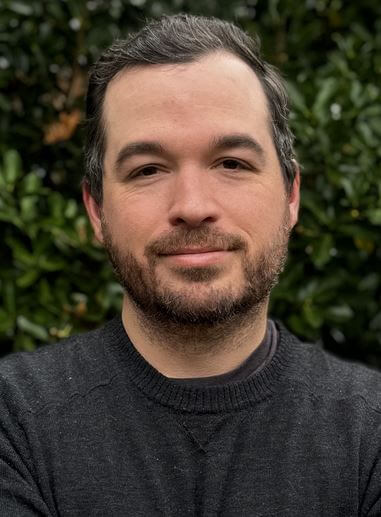 Dr. Will Dobud is a social worker, researcher, and educator who has worked with adolescents and families in the United States, Australia, and Norway. He is a Senior Lecturer in Social Work at Charles Sturt University, Australia’s largest social work school, and an award-winning researcher and educator recognized for excellence in research, teaching, and crime prevention. Will is from Washington, D.C., and divides his time between the United States and Australia each year. His research focuses on improving therapy outcomes for teenagers, promoting safe and ethical practices, and investigating America’s troubled teen industry, especially wilderness therapy. He works alongside advocates, survivors, researchers, and clinicians to protect youth from institutionalization and harm. Learn more at willdobud.com.
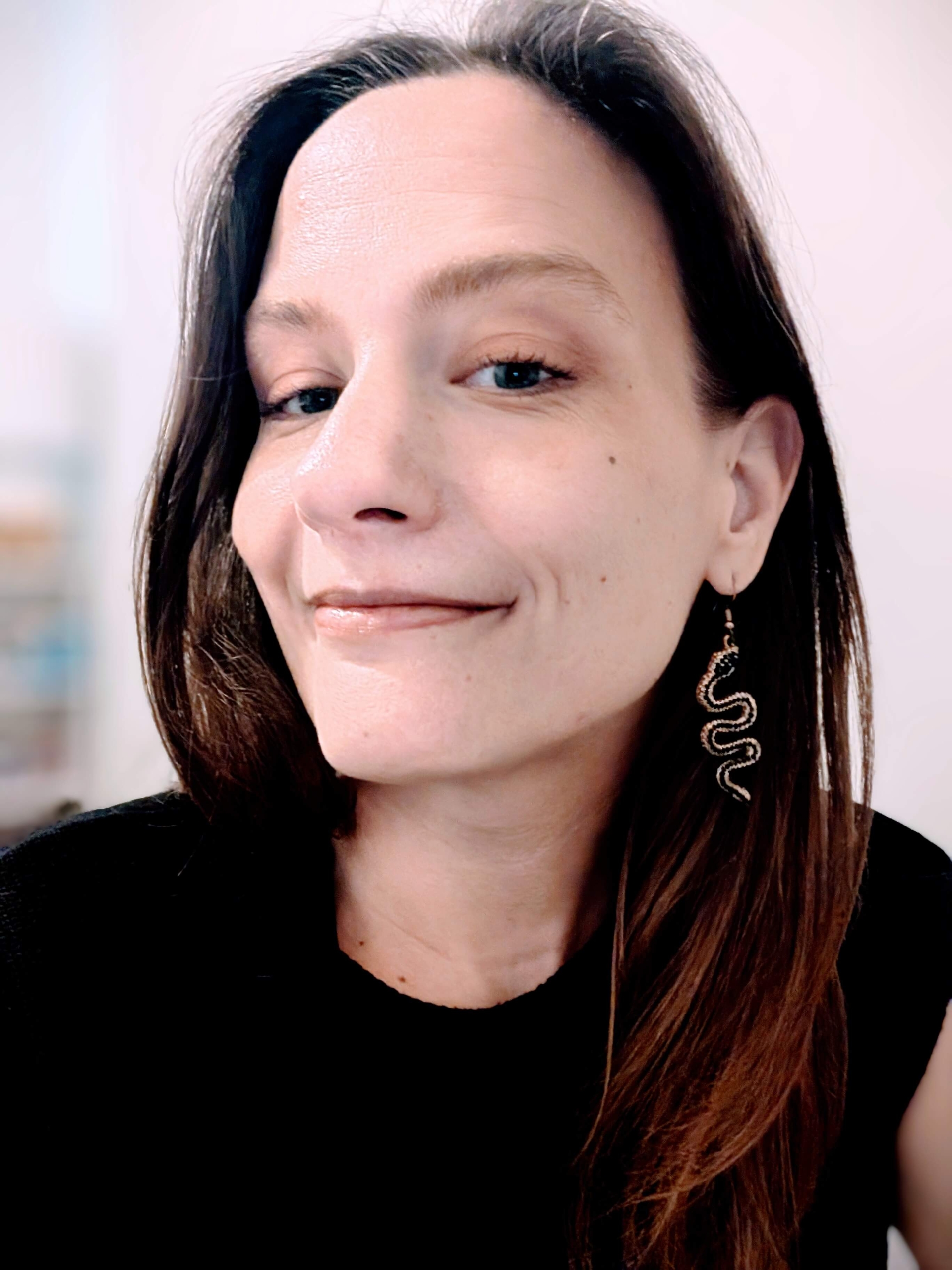 Chelsea Maldonado is an Atlanta-based consultant and investigative researcher for Paris Hilton’s nonprofit, 11:11 Media Impact, and a troubled teen industry survivor. She also serves as the lead researcher for Trapped in Treatment, a docu-style podcast from 11:11 Media and Warner Brothers. Chelsea has spent the last decade working behind the scenes to expose the individuals, corporations, and systems responsible for harms occurring in the troubled teen industry. Her historical knowledge, lived experience storytelling, and investigative work have established her as a credible expert and historian on this topic. She was recently involved in advocating for youth released from the shuttered Atlantis Leadership Academy in Jamaica.
In this Podcast Episode: What Therapists Need to Know About the Troubled Teen Industry
Will and Chelsea walk through what actually happens inside wilderness therapy programs and residential treatment facilities, why the marketing rarely matches the reality, and how the troubled teen industry continues to operate despite decades of survivor testimony, deaths, and documented abuse. The conversation explores why so many adopted youth and foster youth end up in these programs, how restraints and isolation cause lasting harm, why power dynamics and institutional structures undermine genuine therapeutic work, and what role licensed therapists, professional associations, and the broader mental health field play in either enabling or challenging these practices.
Key Takeaways for Therapists: Institutional Harm, Power Dynamics, and Working with Survivors
“You’re never getting out for the right reason. You’re getting out because you finished the program, or because you did something so egregious that they’re going to move you somewhere else.”
— Dr. Will Dobud
- The marketing does not match the reality. Continual high-quality therapy is not the norm. Group therapy is often peer-led, psychiatric care is contracted and infrequent, and treatment is highly standardized rather than individualized.
- Restraints, isolation, and medical neglect are common harms. Multiple deaths have been linked to physical restraints, including the killing of Cornelius Frederick at Lakeside Academy in 2020. Children are routinely treated as liars when they report abuse or medical symptoms.
- Adopted youth and foster youth are disproportionately placed in these facilities. An estimated 25 to 30 percent of youth in residential care are adopted. Programs market directly to families dealing with reactive attachment disorder and family trauma, promising change that rarely materializes.
- Power and institutional structure are the problem, not just bad actors. Programs deny youth the ability to speak freely, contact family without monitoring, or refuse care. Trauma-informed care requires choice and agency, which institutionalization actively removes.
- Survivors are highly traumatized and highly therapy resistant. Because abuse often occurred under the supervision of licensed therapists, many survivors avoid mental health care altogether. Therapists who understand institutional abuse can play a critical role in creating safer therapeutic relationships.
- Reform is uncertain and accountability is unclear. Programs where children have died are state-licensed, Joint Commission-accredited, and staffed by licensed clinicians. The professional associations have largely been silent.
“This community as a whole is highly therapy resistant but highly traumatized. There’s a real need for therapists who understand institutional abuse and the troubled teen industry to make themselves known and create safe spaces for survivors.”
— Chelsea Maldonado
Why the Troubled Teen Industry Persists
Chelsea identifies several reasons these facilities continue to operate. The country has a massive shortage of appropriate foster care placements, and many states rely on residential facilities to house foster youth because they have no alternatives. Programs aggressively market to families dealing with adoption-related trauma and reactive attachment disorder, promising to fix the child without addressing family dynamics. And in places like Utah, the industry is a significant economic driver, which creates structural pressure to protect programs rather than the youth inside them.
Will adds another layer. The industry exists in a blind spot of the social justice movement. Despite a decade of professional conversation about power, oppression, and lived experience, the practice of holding minors against their will, denying them contact with family, and standardizing their care has not received proportional scrutiny from the field.
What Therapists Can Do Differently
The conversation returns repeatedly to the basics of good therapy. Engagement matters. Choice matters. The therapeutic relationship matters. Compliance manufactured through coercion is not engagement, and a workbook of behavior modifications administered in a locked facility is not individualized care.
For therapists working with survivors, Chelsea and Will recommend approaching the work with humility, clinical curiosity, and an awareness that traditional therapy language may itself feel unsafe. They specifically highlight Reclaiming Strength: A Healing Workbook for Survivors of the Troubled Teen Industry by Deirdre Myers, LMSW as a useful resource for clinicians beginning this work.
For therapists who refer to higher levels of care, the guests urge careful evaluation of what programs actually do, who is on staff, what the daily structure looks like, and whether the environment respects the youth’s dignity, family connection, and ability to communicate freely.
Resources on the Troubled Teen Industry, Wilderness Therapy, and Survivor Support
We’ve pulled together resources mentioned in this episode and put together some handy-dandy links. Please note that some of the links below may be affiliate links, so if you purchase after clicking below, we may get a little bit of cash in our pockets. We thank you in advance!
- Dr. Will Dobud’s website: willdobud.com
- 11:11 Media Impact: 1111mediaimpact.com
- Trapped in Treatment podcast (11:11 Media and Warner Brothers) Apple, Spotify
- Paris Hilton’s advocacy work and the documentary that launched the modern survivor movement
- Reclaiming Strength: A Healing Workbook for Survivors of the Troubled Teen Industry by Deirdre Myers, LMSW
- The Stop Institutional Child Abuse Act (federal data collection legislation passed in 2024)
- Chelsea Maldonado on X: @yepforrights
- Concepts discussed: positive peer culture, behavior modification, institutional abuse, feedback-informed treatment, Atlantis Leadership Academy, Lakeside Academy
Relevant Episodes of MTSG Podcast
- Why Fixing Teens Doesn’t Work and What Actually Helps Youth Mental Health: An Interview with Dr. Will Dobud
- The Lasting Harm of Conversion Therapy: An Interview with Samuel Nieves
- Rethinking Oppositional Defiant Disorder: Children reacting to the system around them
- No Cap: It’s Time to Glow Up Your Teen Therapy Skills
- When Doing “No Harm” Isn’t Good Enough: Bringing beneficence to your clients
- An Expert Witness Weighs in on Therapist Malpractice: An interview with Dr. Frederic Reamer
- Liability Hot Potato: Defensive Therapy practices that give clients inadequate care
- What Should Not Be Normalized in Our Profession?
- How Therapists Can Really Help Kids Who Are Being Bullied
Meet the Hosts: Curt Widhalm & Katie Vernoy
 Curt Widhalm, LMFT
Curt Widhalm is in private practice in the Los Angeles area. He is the cofounder of the Therapy Reimagined conference, an Adjunct Professor at Pepperdine University and CSUN, a former Subject Matter Expert for the California Board of Behavioral Sciences, former CFO of the California Association of Marriage and Family Therapists, and a loving husband and father. He is 1/2 great person, 1/2 provocateur, and 1/2 geek, in that order. He dabbles in the dark art of making “dad jokes” and usually has a half-empty cup of coffee somewhere nearby. Learn more at: http://www.curtwidhalm.com
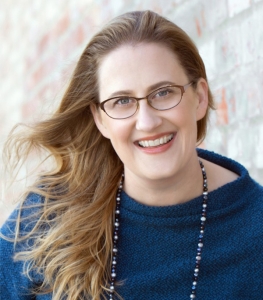 Katie Vernoy, LMFT
Katie Vernoy is a Licensed Marriage and Family Therapist, coach, and consultant supporting leaders, visionaries, executives, and helping professionals to create sustainable careers. Katie, with Curt, has developed workshops and a conference, Therapy Reimagined, to support therapists navigating through the modern challenges of this profession. Katie is also a former President of the California Association of Marriage and Family Therapists. In her spare time, Katie is secretly siphoning off Curt’s youthful energy, so that she can take over the world. Learn more at: http://www.katievernoy.com
A Quick Note:
Our opinions are our own. We are only speaking for ourselves – except when we speak for each other, or over each other. We’re working on it.
Our guests are also only speaking for themselves and have their own opinions. We aren’t trying to take their voice, and no one speaks for us either. Mostly because they don’t want to, but hey.
Join the Modern Therapist Community:
Podcast Homepage | Therapy Reimagined Homepage
Facebook | Facebook Group | Instagram | YouTube | LinkedIn | Substack
Consultation services with Curt Widhalm or Katie Vernoy:
Connect with the Modern Therapist Community:
Our Facebook Group – The Modern Therapists Group
Modern Therapist’s Survival Guide Creative Credits:
Voice Over by DW McCann https://www.facebook.com/McCannDW/
Music by Crystal Grooms Mangano https://groomsymusic.com/
Transcript for this episode of the Modern Therapist’s Survival Guide podcast (Autogenerated):
Transcripts do not include advertisements just a reference to the advertising break (as such timing does not account for advertisements)
… 0:00
(Opening Advertisement)
Announcer 0:00
You’re listening to the Modern Therapist’s Survival Guide, where therapists live, breathe and practice as human beings. To support you as a whole person and a therapist, here are your hosts, Curt Widhalm and Katie Vernoy.
Curt Widhalm 0:13
Welcome back, modern therapists. This is the Modern Therapist’s Survival Guide. I’m Curt Widhalm with Katie Vernoy, and this is the podcast for therapists about the things that go on in our profession, the way that we conceptualize the work that we do with clients, and today we’re tackling a topic that’s maybe as controversial as it is pervasive: troubled teen industry. It’s a world where rehab often looks more like $1,000 a day boot camp and with less hugs than a Victorian boarding school, and it is something that there’s maybe a scant bit of clinical evidence that sometimes really feels secondary to massive marketing budgets. And we want to have a very real conversation today about how this behavior modification system goes too far, the trauma that follows it, and how we can support people who have been through this. It’s a very heavy lift, and we are joined today by Will Dobud and Chelsea Maldonado in order to be able to talk about what this actually looks like in real action. So thank you both for joining us today and sharing your perspectives.
Dr. Will Dobud 1:29
Thank you, Curt, that was a wonderful introduction. I thought you hit the nail on the head. We could probably wrap this up. I think you did all the heavy lifting with that intro.
Chelsea Maldonado 1:38
I second that. Well, yeah, thanks for having us.
Katie Vernoy 1:40
We’re excited to get into this conversation. It’s something I’ve been wanting to talk about for quite some time. But before we jump into the meat of the conversation, I want to ask you both the question that we ask all of our guests, which is, who are you and what are you putting out into the world?
Chelsea Maldonado 1:55
Yeah. So my name is Chelsea Maldonado. I’m a lived experience expert and a survivor of the troubled teen industry. When I was 17, I was actually sent to an international facility called Tranquility Bay in Jamaica, and that experience really inspired me into advocacy. And so I’ve been researching and writing about the troubled teen industry for too many decades now, and currently I work as a consultant and advocate with Paris Hilton’s nonprofit, 11:11 Media Impact. And we work on both state and federal legislation around the troubled teen industry. And we also do direct advocacy. And most recently, I assisted in helping to bring back several American youths who were abandoned in the same town, actually, where my facility was at another facility called Atlantis Leadership Academy, which was shut down by the Jamaican government, and the youth were actually taken into Jamaica’s child protective system. So that’s a little bit about what I’ve been doing lately.
Dr. Will Dobud 2:59
I guess because I’ve been I’ve been on the podcast before, talking about my angle as a therapist. I think that the Chelsea and Will origin story is kind of really interesting, that we became connected. I was speaking out about wilderness therapy, [unintelligable] and as many people know, I kind of grew up in wilderness therapy and as a field guide. And when in November 2022 an article came out about in The Guardian about wilderness therapy. And when I read the article, I went, this is just direct from the industry, like this is all the talking points I’ve heard at conferences. You know, it’s safer than ever before. It’s way more effective. You know, we have a peer reviewed Open Access wilderness therapy or and by we, I don’t mean me, but I mean my professional community that has a claim that wilderness therapy is 424% more effective than treatment as usual. Like, like, I was reading this article going, this is just an inside, like, think piece. And I put up a thread to use the social media buzz language on on Twitter. And I just, I was just venting, like, this is a misleading point. This is incorrect. This is something like, for instance, the 424% that’s something you can only know if you speak to basically the authors of that study. Like, that’s not on CNN information, you know. And what was fascinating to me is being someone that has done research where I’ve interviewed a lot of people who have gone to trouble teen industry programs. And when I was speaking up, some people on social media were saying, Well, who the hell are you? You’re advocating for outdoor therapy. You’re this person that ran a nonprofit running these expeditions. And I even got called a child abuser, like it hit me really hard where I went, Oh my gosh, I think, like in my professional circle, I’m going quite hard. Am I not going, you know, hard enough? And Chelsea reached out to me, and we’ve just stayed connected from afar since then. That was the start of it, and in 2024 when in February of last year, when a 12 year old boy died at a wilderness therapy program less than I think, 12 hours into the program, I sat and watched the, the professional community virtually say nothing, no real public statement about what had happened, and I had to write something. It was it was hurting me that nothing was being said. So Chelsea and I, together, along with a few other academics, therapists and survivors, wrote a open letter together to say, Hey, enough is enough that we’re lumping all US therapists will be lumped in to the worst thing that happens. This is, this is why Ben and Carrie’s Very Bad Therapy was so like illuminating that it can happen to all of us. And so when the most egregious things can happen and nobody says anything about it, I don’t know, it just felt like I’m continually getting dragged into something that I know really well, but also that I don’t do. And so I felt knowing Chelsea as just a an amazing, badass person that walks the walk better than most of us, but it’s been, it’s been fun and eye opening to know Chelsea and to and also learn a very different perspective of that from mine as the therapist that we that we challenge each other a lot. So a dear someone I consider a great, a great person and a wonderful colleague to have.
Chelsea Maldonado 7:01
I second all of that Will. I am so appreciative of our friendship and the work that we’ve done, and I think it is so important that people from within the industry who actually understand these practices are speaking out about it. And I know that there can be a lot of resistance from survivors when that happens, which you run into kind of firsthand, but you know that is how change really comes about, is when you know both sides of this come together and can do some meaningful advocacy and speak about it. And I think that’s been really powerful work that we’ve done.
Curt Widhalm 7:34
So if we believe the marketing, what happens with teens who are sent into the troubled youth industry is they go off to these 24 hour a day treatment programs, and they get lots of therapy, and some of it’s individual, and some of its group, and then they come back. What is it actually like?
Chelsea Maldonado 7:54
In my experience, you know, there’s kind of a range of facility types. You have, everything from wilderness therapy to you know, the more locked down residential treatment facilities. But in almost all of these settings, this idea that kids are getting continual therapy and constant access to high quality supports is generally not the case. A lot of what is considered group therapy tends to be peer led. Most of the psychologists or psychiatrists are contracted and generally only available, you know, sometimes once a week, once a month, only if parents pay extra. And some of these facilities don’t use therapists at all. This industry kind of came out of the idea that traditional, you know, therapeutic techniques weren’t enough, and these alternative methods were going to really transform people’s lives. So I think we see kids subjected to more experimental or less proven ways of treating trauma and mental health issues. Some facilities, you know, are anti-medication, so kids are taken off all their meds. Some are very pro medication, and kids are put on lots of meds, so you just have kind of a mix of experiences. But I would say that the idea that kids are getting round the clock high quality care is false.
Dr. Will Dobud 9:13
Yeah. I would, I would second all of that. I would add that, especially in my experience, in working in wilderness therapy that there’s, and Curt you brought up like behavior modification, one of the things is there’s, there’s loads of phases and terminology and buzz words and program speak and things that like every person going through a going through these programs. Once you get there, you get what everybody else gets regardless. So this notion of tailoring and individualizing the care, it can happen at a very minute level, but like for instance, and this is something I’ve written about previously, like in wilderness therapy, every younger and we’re talking about a specific set of because, again, this is where I always get in trouble. We’re talking about specific types of programs. And one of the things that could happen is, you get there, you’re instructed, do not speak to anybody until the program says you’re ready. Now, what makes that therapeutic to me is like, I can’t find where did I read this? In, in the heart and soul of change. Where did I read any of this in any kind of you know, did Irvin Yalom tell us to make sure people don’t talk to each other? Like there’s something that is inherently very experimental, as Chelsea said, but also so mechanical and rigid. And yes, there might be group therapy, you know, every other day for two hours, and then individual therapy once a week, but it’s the whole day today that is really, it’s so hyper structured. It’s something that like, I don’t know if many therapists in while we’re getting our degrees and going to college would really think this is the way we should treat anybody. What happens with these organizations is actually very similar to the Rosenhan study of putting, you know, I think it’s called putting sane people in insane places and putting people without severe and persistent mental illness into a mental hospital in the 70s or 80s, I think. And what happens is, once you’re in a troubled teen industry program, you’re never getting out for the right reason. You’re getting out because you finished the program, or because you did something so egregious that they’re going to move you somewhere else. Or your parents figured out, oh my gosh, we have to go get our child out of this place. But your letters are usually screened to your parents, you don’t have open dialog. So once you’re there, you’re just viewed as sick or troubled, and so there’s, there’s kind of no advocate for the youth perspective at these places. That’s sort of to me, what was most troubling was I’d sit at a conference and everyone’s talking about lived experience and social justice, and I’m sitting there going, but we’re taking kids against their will, and they’re all being held an average same length of time, like, what is individualized about any of this?
Chelsea Maldonado 12:28
I think you made some really good points, though, about the individualization and also just the general population that tends to exist in these places. They’re kind of used as a catch all for everything from, you know, my child is disrespectful to my child has a severe, debilitating mental illness that needs immediate treatment, and everyone is grouped together and given the same treatment, and there’s really no there’s no differentiation, and there’s no separation of the youth. So you often have, you know, a lot of youth on youth violence and abuse you know going on, as well as what’s happening with the staff and the programming.
… 13:04
(Advertisement Break)
Katie Vernoy 13:04
As you’re talking I’m reflecting on my experiences working in residential treatment. Just a little bit of background, I worked with younger kids in places where Child Protective Services had removed them from their families. This was a long time ago, probably 30 years ago, and then also with boys on probation. And this was all kind of, it wasn’t wilderness, it felt and it was very locked down. There was a lot of lot of what you’re talking about Will, a lot of what you described Chelsea, and holding that perspective of someone who thought I was doing what I could right? I think there’s a few things that that I noted that I wanted to check in with the two of you about. I think the first thing is, depending on why you’re there and what’s going on with your family, there’s all of the different things that are mixing in the kids that are whether it’s suffering with mental illness or having a lot of trauma or loss or whatever it is, there’s a lot of emotions, there’s a lot of dysregulation, and the kids are really struggling, and the staff are either under or or barely resourced. Usually, there’s understaffing it seems like, or staff are akin to prison guards. You know, I think there’s, there’s a difference there. I was thinking I was taught how to do restraints, which are, it’s a whole other, potentially, a whole other conversation, but there’s the official way that you’re taught how to do restraints, and then there’s the way that the folks that have been around a long time teach you how to restrain somebody. And there’s also the moments I’m remembering with some of the teens who I was teaching someone to read, or having really deep conversations. And so there was those pockets of connection. But the thing that always stands out really strongly for me is how toxic the environment can feel for everyone involved. And there’s not, you know, there was times that it would get better, times it would get worse, and it seems like it’s different based on what type of a residential facility, you know, what, what the reason are that the kids are there, what’s going on, those types of things. But I guess the question I’m trying to get to is, what are the harms that are pretty common, and why does it keep persisting? Because it seems like there’s the 424% improvement, or whatever it is. It seems like there’s there’s still some reason that they continue to have these types of facilities, and not all of it, I’m going to maybe I’m a little naive, but it doesn’t seem like all of it is based on just how much money. And let’s get kids out of the way. It seems like there is a need that’s being inadequately addressed. So it’s kind of a broad question. So you guys take with it, take from it, what you will. But I, I’ve been wanting to talk about this because I think probably, and even as I was talking, I felt really felt really, you know, kind of emotional about my own experience of of being part of, I guess, a part of this industry which I hadn’t really considered it. But as we talked about, I’m like, yeah, it’s I was in residential treatment. It wasn’t the camps that our teen boys were sent off to, but it certainly was a place that they had to stay after they had come out of juvenile hall. So, so I was I was I was a cog.
Chelsea Maldonado 16:25
I think that’s not unusual. Something I’ve definitely noticed kind of across the board in residential treatment and wilderness is that they tend to bring in a lot of people who are in their early careers. And not only that, but the pay and benefits are often pretty low. So you know, the staffing you mentioned, understaffing that is a really common, you know, problem, even today, in pretty much every facility type, for that reason. So I think most of the people who enter this industry as staff are doing so with good intentions, but you know, they don’t have the training and the support once they reach these facilities. And as you said, you become kind of a cog in something that doesn’t align with what your original goals were. You asked kind of about the most common harms that we see, and you did touch on one of those, and that is restraints, physical restraints in these facilities are incredibly common. They are often used in a punitive way, not, you know, simply for crisis management. And a lot of the restraint methods that are employed in reality versus what’s shown, you know, in the manuals, are dangerous. And so we’ve seen multiple deaths in facilities caused directly by restraints. Cornelius Frederick in 2020 was actually killed during the restraint at Lakeside Academy in Michigan, which is a residential treatment facility that primarily focused on foster youth and former juvenile justice children. He was held down by multiple staff for throwing a sandwich and eventually suffocated to death and went into a coma and passed away. And this is not, unfortunately unusual. I have had to pull together lists as part of my work, and there are hundreds of these cases in facilities around the country. You know, we also see a lot of injuries from that as well. I think the prolonged separation from family is particularly traumatic. Not being able to freely contact anyone without your phone calls or letters being monitored. We see a lot of medical neglect in these facilities. So kids are kind of automatically considered liars when they enter and any attempt to go to the doctor or get treatment or opt out of an activity is considered manipulative or faking. So there’s been deaths from that as well. There was a girl who died from a perforated intestine, who was just given Pepto Bismol for weeks until she passed away, and she was called a faker in her facility as well. On top of that, there’s a lot of sexual abuse that’s occurring, both between the youth and often between staff and youth. Many of these facilities, they are hiring people that are only a couple of years older than you know, the people they’re in charge of, and that can create some kind of blurry lines. And they also often employ former students, which, again, kind of blurs the lines between student and staff. So those are some of the things that stick out to me. Will, you probably have more to add from the wilderness side, especially.
Dr. Will Dobud 19:38
One of the things from the I think I can speak from being an early career person in there is I, I did look up to just about everyone I worked with. It was the first time I was around adults that talked about feelings. And I just thought, oh my gosh, like this is so different and amazing. I. Yeah, and the second I worked in outpatient, I went, Oh, I have not been trained in anything, how to engage people, how to I’ve been trained to read self help books and talk about them with young people. Like I was, like, This is so not as sophisticated as it seems on paper. Now, I think I had a protective factor of being quite oppositional myself. I didn’t like being told what to do, so like learning restraints. I was like, Yeah, I’ll learn that. And then whatever, I’m not doing that. So, and I think this is a side of the story that I’ve said a lot recently, that for how, especially in the US, for how much we have talked about social justice over the last decade, and human rights and oppression, how this story is not on mainstream news every single day doesn’t add up for me. Before we hit record, I was telling you I had access to a research database of nearly 7000 young people who had gone to wilderness therapy program. All I had to do was, you know, it’s a big spreadsheet, and it’s way too big, and statistics people better than me, they did the statistics voodoo that they do to it, but all you have to do is type in gay, sexual orientation, and what we see are these programs that are designed to fix your child, written in therapy language that look a lot like conversion therapy. As we said, 25 to 30% of young people going to any time, not just wilderness, but in residential care, are adopted youth. So there’s this really sad narrative of, first off, why are we fixing this many adopted youth? Like the whole the whole thing is this fixing? And I know that the you know, Curt, Katie and I like having gone to study how to become a psychotherapist, we learn a lot about power, and then, for some reason, you know, we all hear things, do your best to reduce the power imbalance and try to be as equal as you can, and we know that’s impossible, but there’s something about working at these places and the experience of the young people I’ve spoken with that staff really don’t not only just they just ignore the power that they have. It’s like they’re getting more out of their career from thinking about how much power I have, how impactful I was in saving this child’s life, how important I am in the role, and what that leads to is really just not thinking, and I’m being really generalizing here, but not thinking about how much power we have in any therapeutic interaction that we have. Like, you know, I’ll see someone later today. My office door will be shut. They will be alone in a room with me. I will have all the power. It doesn’t matter how nice I am. And so there is this icky thing that has happened where these organizations and programs, and even the word programming, is bizarre in this, in the therapeutic world, that these kids don’t choose to be there and don’t choose the adults that are around them, and no one’s sitting around thinking about power. And that, to me, has been just a total blind spot in our social justice movement with youth and we I know that when it comes to aged care, the older you get, the more you get treated like shit anyway, and the younger you get, the more you get treated like shit. And so it’s been a, I think that there is this issue of when, when people don’t receive the training on thinking about power and what that really means as a therapist, or as a as a shitty outdoor guide, or as a, just someone who does care for youth, but you want to work in the, you want to be the good part of the system, which we hear a lot of. But if we don’t acknowledge power, it’s a very slippery slope to this all going the wrong way.
… 24:15
(Advertisement Break)
Dr. Will Dobud 24:15
Now, you asked another question Katie that I wanted to ask back to Chelsea, which is, how the heck does this keep happening? How has this not changed? Why haven’t we seen progress at all? So Chelsea I’m passing back to you.
Chelsea Maldonado 24:31
Awesome. So I think there’s kind of a few different channels for why these facilities still exist. Rght now, probably one of the biggest reasons is that we have a massive shortage of appropriate foster care settings across the country, and so a lot of these facilities are currently being used to house foster youth because we just don’t have any other beds. And so many states are reluctant to take big steps to regulate or to close these facilities because they don’t have alternatives for where to place youth. So there is that. Will mentioned the number of adopted youth in facilities. And that is something, you know, that I think needs to really be looked at. Many of these places are advertising directly to reactive attachment disorder, and a lot of parents who have adopted youth, especially out of foster care, or youth that have a lot of trauma. You know, when that becomes difficult, these become tempting options, and these facilities kind of promise change and lure parents in that way. There’s a facility operating in Jamaica right now called Youth of Vision Academy that focuses entirely on adopted youth starting at age seven, I believe, and has about 250 kids right now, many of whom are spending multiple years there. So that that is a big issue. And then I think in terms of parents, there are a lot of dysfunctional families out there, and this industry provides kind of a promise that we can undo the harm of family trauma just by fixing your kid. So if you send your kid to us, we will be able to reverse everything that’s happened in your household and send them back to you, compliant and loving and appreciative of you, kind of no matter what has happened.I think that’s kind of the most common reason that these programs are used, and that is in my experience of being part of the industry and working with survivors all the time, really what I hear the most. You know, I had conflict at home. My parents chose a program. You know, I stayed there until I either graduated or they felt I was compliant enough to come home. And you know, it doesn’t actually lead to lasting change or family repair. In most cases, I think it creates a permanent rift. I was a little wordy, but.
Katie Vernoy 26:57
Well, there’s so much there and there’s there’s a thought that’s been coming to my mind since will was talking about, you know, workers not recognizing power, and then you use the word attachment, and that was what was ringing in my head, is that there’s also not a consideration around attachment. We’ve got young to young kids, youth, teens that are basically being cared for by adults that range from, you know, security guard to bleeding heart, which, that’s kind of where I put myself is. I would come in and I would sit and talk with them, and I’d try to have these relationships with them, but I was only on 40 hours a week, maybe 50, if I was wanting to get overtime, and at certain points, I was required to restrain folks, and that was the only physical contact they got from the adults around them. And it just it feels like not only are you not healing a family attachment issue or a family trauma, you’re creating all these additional attachment wounds that are not, I don’t even know how to, I can’t continue that sentence. It just, it’s, it’s so awful.
Dr. Will Dobud 28:07
Well, I think the way we’re trained to interact with youth at these places doesn’t actually translate to virtually anything we learn from the textbooks. So even even things around, you know, touch or even even professional boundaries, right? These are kids where they’re living somewhere, and then we’re told when it’s dinner time, you can go and take a break. And this like, it’s like, that’s not how households work.
Katie Vernoy 28:37
Yeah.
Dr. Will Dobud 28:37
So we’ve put kids into this institutionalized setting, and then used therapy speak and kind of buzz words of boundaries, professionalism, you know, restraint, as their techniques and to the child they are, it’s like, where are the caring adults? And we’d never, if we ever this is, like, I think, a big question, and this is probably where Chelsea and I probably really align that some of the organizations, when they reach out, like, for instance, one wilderness therapy program called me and said, you know, you have to help us. You have to help us get better. And I said to them. Well, they said, they said, we’ll pay you and you can be a consultant for us and help us get better. And I said, No way. And I said, Because you, I’m going to take your money and then I’m going to be annoyed at how little your organization wants to change. That doesn’t mean individuals there want to make a change, but as a system, this organization is not changing to what my liking is, and what has to happen is, if we all said, Let’s start over, and we need a place where kids, for instance, Katie and you’re experiencing your experience exiting detention, we need a place that we can put these kids. We would all never create what is created right now. So the question we always get asked is, is reform possible? I don’t know. Like there’s licensed therapists at all these places. Where’s our professional associations? Where that boy died, you know, nearly two years ago, that’s joint commission, state licensed, accredited by the professional associations with licensed therapists, you know, psychologists, social workers, MFTs. Who actually has the teeth to protect these kids? I don’t know who, what that answer is. So it is really hard, because if you do want to be someone to go into these places, it can just be soul destroying. And there’s research where it’s like, burnout among the staff is really high, and it’s like, well, no kidding, it’s hurting the kids, and then you have to be around it. And that’s not why you got into this role. I don’t know, Chelsea, if you wanted to add to that.
Chelsea Maldonado 31:00
No, I think those are all really valid points, just kind of looping back to the attachment piece and kind of what you were speaking about earlier. You know, there’s so many limitations, too, on how the children are allowed to interact with each other. So in my facility, you know, we weren’t allowed to speak to each other until we reached a certain level. There was no amount of physical contact ever allowed, so you could not hug each other you know someone was crying. And most of these facilities use something called positive peer culture, which is kind of what that level system is based on. And it really relies on us, kind of telling on each other and reporting each other for infractions, and it creates this very adversarial dynamic and confrontational dynamic that would not function in the real world, and that is not something that is beneficial once you get out, Most people don’t want to be confronted all the time with feedback and asked to change their behaviors in really direct ways. So I think it also creates attachment issues between the youth, and it creates, you know, social issues when people return to society, because the skills that you’re learning in these really closed environments don’t translate to normal life. And so people really struggle. And I think also to Will’s point the fact that this trauma is occurring in front of so many therapists, and that so many of us were referred in one way or another through therapists, means that when we get out, very few of us are likely to seek therapy again, and so this community as a whole is highly therapy resistant but highly traumatized, and so, you know, there’s a real need for therapists who understand institutional abuse and the troubled teen industry to kind of make themselves known and create safe spaces for survivors to talk about these issues.
… 32:58
(Advertisement Break)
Curt Widhalm 33:00
Are there any programs at higher levels of care that are actually effective in treatment?
Chelsea Maldonado 33:08
I think that short term crisis intervention, you know, in a true hospital setting, can be appropriate when someone is in crisis. I don’t think that there is evidence supporting long term placement in residential treatment centers. I don’t think that that is generally an appropriate way to handle most things. People do better in their communities. They do better when they have access to community based mental health services, their families, their friends, their supports. So spending multiple years in a lockdown institution is rarely helpful or beneficial to anyone, in my opinion.
Katie Vernoy 33:45
I know for myself, one of the iterations, and I guess evolutions I made, was moving into community mental health and working in programs that kept kids with their families and out of treatment, or these residential facilities and being removed from their homes. And I think that there are places and programs, I know you don’t like that word Will but, but there are types of of interventions that that do try to focus on that. And there’s been some of that, but I I’ve been out of that, even that arena, for a very long time. And so when we’re looking at kids who are really struggling, that are in the past might have been candidates for these types of treatments, it sounds like Chelsea, you’re saying short term crisis intervention. What are the things that the two of you are seeing for that deeper, longer work that maybe needs to happen to support kids who are really struggling.
Dr. Will Dobud 34:46
Well, I think when it comes to therapy, I think, I mean, I’m sure that we’ve all talked about this before, that we have, in the mental health world and the therapy world, we have an engagement problem, the modal number of sessions young people go to is one, they drop out prematurely, more than any other clientele, no matter how we, how we, you know, shake the data. So the solution to that isn’t holding them against their will and forcing this sort of compliant engagement in something that like, like, even just from a meaning making perspective, the amount of young people that that Chelsea and I have spoken to who say I just had to play along to get out of there. Like, that’s not good therapy at all. So at the end of the day, and this is why feedback informed treatment changed my world, at the end of the day, one of the most important things is, are you helping your client in a way that the client thinks this matters? And if not, are you going to make them keep wasting their time with you? Because that’s likely to hurt them the more that we are ineffective with them. So the notion, and as I mean, this is another buzzword of the day, like no all of these organizations all say they’re trauma informed. You know, they’re all talking about attachment on their websites. They’re all talking about trauma and then, but really, a trauma informed agency has to allow people to make choices. Trauma is a taking away of agency and taking away of choice. How can we have therapeutic services that are inherently about you’re not in a right place to make a choice? So that’s where the institutionalization is, is such a it’s a dangerous slippery slope, and I and I think that that is where this industry is set up in a way that it makes it really tricky, but we do have to go back to basics with kids. I mean success, mastery, good relationship, strong connection, having fun, playing, like these things are so much more important than whether or not you’re in a facility or not and, and I don’t want to discount any family that’s really struggling, or a therapist that is a really distressed young person. It’s just that the factors of these of these industry organizations actually are, all, you know, operationalizing factors that none of us would ever be trained as this is good therapy anymore. And sometimes we get called, we get, you know, talked to about calling it an industry. And why is it? Why is that the right term? And I will say that the state of Utah is very concerned about the number of their programs that are closing because of the industry and how much money it brings into the state of people coming in. I mean, Utah is just a pocket for so many of these programs, and so being concerned about the state’s tourism. You know, these are all things that we see online that if these programs keep closing, what about all these employees? What about all the it’s like, wait a second, like, why are why are we protecting the industry more than the young people that we’re all trying to serve?
Katie Vernoy 38:14
I know we’re getting pretty long on time, but before we finish up, I’d really love to hear more about the work that you’re doing, Chelsea and how survivors are working to impact change, the recent incidents you’ve witnessed, those types of things, if you can give us a little bit more information on how we can support the work that you’re doing.
Chelsea Maldonado 38:32
Yeah, thank you. So yeah, the survivor movement, you know, has been going pretty strong for several decades. In 2020 Paris Hilton came forward with her story of being a troubled teen industry survivor and released a documentary on YouTube. And that really kind of brought this issue back into the media limelight. We have used that to kind of continue to bring awareness to the industry through the media. And we are also trying to pass both state and federal legislation. We did pass the Stop Institutional Child Abuse Act last year, which sets up kind of data collection at the federal level, which seems small, but we are actually not collecting data on these facilities or what’s happening to the children inside of them. So that is a good start. And then we also do direct advocacy, you know, from time to time, with survivors. So I mentioned Atlantis Leadership Academy, that was a small troubled teen industry program operating in Jamaica, where some of the most horrific abuse that I have personally heard about was occurring. These youth were beaten regularly, water boarded, kept awake for five to seven days, you know, subjected to just literal torture, and the embassy and Jamaica’s Child Protective Services actually stepped in and closed the program and took the youth into CPSFA custody. What we saw then is what’s most disturbing, not a single parent actually wanted to come and get their kid back immediately. The program was so convincing in its marketing to parents that they believed that every single child was lying about the abuse, that CPFSA was corrupt in making it up, and that the embassy was also lying. I ended up getting involved because one of the the boys mothers actually reached out to me through a survivor group, just to kind of ask some questions, and she shared these handwritten statements with me that the boys had sent to her, and they were just absolutely devastating. And I was able to mobilize several attorneys and Paris’s team, and we went to Jamaica and actually advocated to get these youth back to the United States. But what really stands out to me about that is it wasn’t our government that brought them back. It wasn’t CPS, it wasn’t, you know, the people who are supposed to be doing this job. It was literal survivors who had to mobilize and travel and, you know, take action to bring awareness to this before anything actually changed. Thankfully, all of the boys are back in the United States now. But, you know, this is something that is is happening all over the world. There are facilities operating in Mexico, Costa Rica, just, it’s, it’s a scary time right now. So that’s, that’s kind of what I’ve been working on most. And then one thing I just want to shout out, which I didn’t do myself, but there is a therapist in Michigan, Deirdre Myers, who actually released what I think is the first therapeutic workbook for survivors of the troubled teen industry, and that is called Reclaiming Strength, a healing workbook for survivors of the troubled teen industry. And I just want to shout that out as a resource for therapists who might be wanting to work with survivors, because I think it’s a really great tool.
Curt Widhalm 41:57
Will where can people find out more about the work that you are doing?
Dr. Will Dobud 42:03
Sure, my name is very unique. So willdobud.com or you can search that pretty much anywhere, and there’s not another one in the world, as far as I know. So you can find what I’ve written or on social media. I try to remain somewhat active on social media, so you can find me on any of the socials as well.
Curt Widhalm 42:26
Chelsea, where can people find out the work that you are doing and supporting you in the work that you would like everybody in our industry to follow up on?
Chelsea Maldonado 42:38
Yeah. So 1111mediaimpact.com talks about the nonprofit that I do consulting with and all of our campaigns around the troubled teen industry and that kind of advocacy are available there. I can also be found on twitter, yep, for rights, that’s probably the most active place for me.
Curt Widhalm 42:58
We will include links to all of these in our show notes over at mtsgpodcast.com and well, as some other of the occasional things that pop up in the past of the media. So that way you can see that this is not the only conversation. And hopefully to be able to steer some sort of action, to be able to do this, whether it be in the way that you conceptualize all of our treatments and the way that our entire therapy ecosystem ends up supporting programs like this, even inadvertently. So follow us on our social media, see our show notes over at mtsgpodcast.com and continue on with this conversation in our Facebook group the Modern Therapists Group, and until next time, I’m Curt Widhalm with Katie Vernoy, Will Dobud and Chelsea Maldonado.
… 43:44
(Advertisement Break)
Announcer 43:47
Thank you for listening to the Modern Therapist’s Survival Guide. Learn more about who we are and what we do at mtsgpodcast.com. You can also join us on Facebook and Twitter, and please don’t forget to subscribe so you don’t miss any of our episodes.




SPEAK YOUR MIND