
After Graduation: Starting a Therapy Career on a Nontraditional Path – An Interview with Derek Isetti
Special Series: Becoming a Therapist
Curt and Katie welcome back Derek Isetti for a second-year check-in as part of the Becoming a Therapist special series. Since his first appearance on the podcast, Derek has completed his MSW program and entered the early, prelicensed phase of his professional journey. In this conversation, Derek reflects on what it has been like to finish graduate school, navigate post-graduation registration and exam requirements, and begin seeking supervised clinical work needed to eventually become licensed. While maintaining a full-time academic career, Derek shares the realities of starting a therapy career on a nontraditional timeline and path.
Click here to scroll to the podcast transcript.Transcript
(Show notes provided in collaboration with Otter.ai and ChatGPT.)
About Our Guest: Derek Isetti
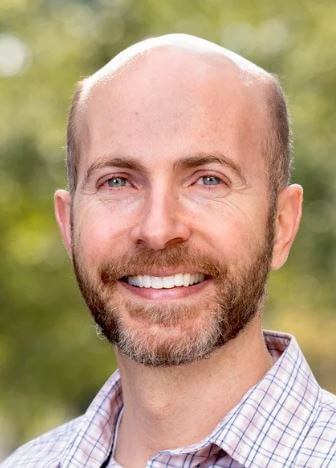 Derek Isetti, MSW, PhD, CCC-SLP, is an Associate Professor at University of the Pacific in Stockton, California. He has a background in the performing arts and is both a speech-language pathologist and a social worker pursuing licensure as a psychotherapist. Derek’s professional life spans academia, healthcare, and clinical training, giving him a unique perspective on early-career development, supervision, and the realities of entering clinical practice on a part-time and nontraditional path.
In this podcast episode: Graduation, prelicensed practice, and starting a therapy career
Curt and Katie talk with Derek about completing his graduate program, celebrating graduation, and quickly encountering the logistical realities that come after school ends. Derek shares what he learned from navigating post-graduation registration and exam processes, including submitting paperwork too early, taking the Law and Ethics Exam soon after graduating, and realizing how unclear the post-graduation pathway can feel. He also discusses the challenges of finding supervised clinical work while maintaining a full-time teaching position, including part-time hour accumulation, job listings designed for full availability, and reliance on informal professional networks. The conversation also explores supervision quality, compensation expectations, the growing presence of AI in documentation, and how Derek is thinking about training and professional growth as he begins the long process of working toward licensure.
Key Takeaways for Therapy Students and Early-Career Clinicians: Prelicensed practice, supervision, and nontraditional timelines
“I feel like I’m a cautionary tale. Don’t be a Derek — just follow the rules and wait until you’ve actually graduated.”
— Derek Isetti
- Graduating from a master’s program is only the beginning of the journey toward licensure for many clinicians.
- The prelicensed phase often involves navigating registration, exams, and supervision requirements while simultaneously searching for appropriate clinical roles.
- Starting a therapy career on a part-time or nontraditional timeline can significantly shape job options and pacing toward licensure.
- Many associate-level positions assume full availability, which can be a barrier for clinicians balancing other careers or responsibilities.
- Supervision quality is critical during this phase, as supervisors play a central role in clinical development over multiple years.
“This is somebody you have to see every week for years — you want a supervisor who you can relate to as a human being.”
— Derek Isetti
Resources on Prelicensed Practice, Supervision, and the Path to Licensure
We’ve pulled together resources related to topics discussed in this episode:
- University of the Pacific, Derek Isetti’s profile
- State licensing boards and registration requirements for prelicensed clinicians (requirements vary by state)
- Clinical Supervision Directory (mentioned on the episode with Dr. Amy Parks)
- MTSG episodes on supervision, associate development, and early-career decision-making (see below)
Relevant Episodes of the MTSG Podcast
- From Broadway to Grad School: Special Series – Becoming a Therapist
An Interview with Derek Isetti (Year One) - Topic: Supervision
- The Clinical Supervision Crisis for Early Career Therapists: An Interview with Dr. Amy Parks
- Supervision in the Real World: Understanding what makes an effective supervisory alliance
- Getting the Supervision You Want
- Giving and Getting Good Supervision
- How Virtual Clinical Supervision is Changing the Field: An Interview with Rachel Ledbetter, LMFT
- What to do when supervision goes bad? A guide to supervision ruptures and repair
- Supervision and Employment Aren’t Separate
- In-Person Networking
- Curt’s Guide to Life: Real-World Advice for Therapists Navigating Their Careers
- Blog Post: Clinical Supervision and Workforce issues
- Blog Post: 3 Things I Wish I Knew Starting Out
Meet the Hosts: Curt Widhalm & Katie Vernoy
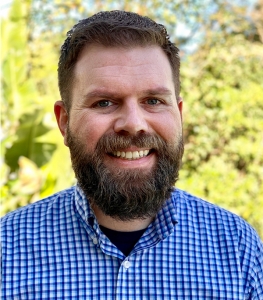 Curt Widhalm, LMFT
Curt Widhalm is in private practice in the Los Angeles area. He is the cofounder of the Therapy Reimagined conference, an Adjunct Professor at Pepperdine University and CSUN, a former Subject Matter Expert for the California Board of Behavioral Sciences, former CFO of the California Association of Marriage and Family Therapists, and a loving husband and father. He is 1/2 great person, 1/2 provocateur, and 1/2 geek, in that order. He dabbles in the dark art of making “dad jokes” and usually has a half-empty cup of coffee somewhere nearby. Learn more at: http://www.curtwidhalm.com
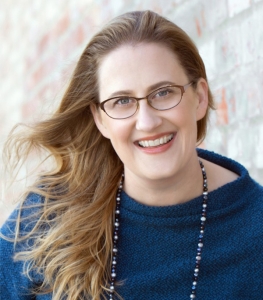 Katie Vernoy, LMFT
Katie Vernoy is a Licensed Marriage and Family Therapist, coach, and consultant supporting leaders, visionaries, executives, and helping professionals to create sustainable careers. Katie, with Curt, has developed workshops and a conference, Therapy Reimagined, to support therapists navigating through the modern challenges of this profession. Katie is also a former President of the California Association of Marriage and Family Therapists. In her spare time, Katie is secretly siphoning off Curt’s youthful energy, so that she can take over the world. Learn more at: http://www.katievernoy.com
A Quick Note:
Our opinions are our own. We are only speaking for ourselves – except when we speak for each other, or over each other. We’re working on it.
Our guests are also only speaking for themselves and have their own opinions. We aren’t trying to take their voice, and no one speaks for us either. Mostly because they don’t want to, but hey.
Join the Modern Therapist Community:
Podcast Homepage | Therapy Reimagined Homepage
Facebook | Facebook Group | Instagram | YouTube | LinkedIn | Substack
Consultation services with Curt Widhalm or Katie Vernoy:
Connect with the Modern Therapist Community:
Our Facebook Group – The Modern Therapists Group
Modern Therapist’s Survival Guide Creative Credits:
Voice Over by DW McCann https://www.facebook.com/McCannDW/
Music by Crystal Grooms Mangano https://groomsymusic.com/
Transcript for this episode of the Modern Therapist’s Survival Guide podcast (Autogenerated):
Transcripts do not include advertisements just a reference to the advertising break (as such timing does not account for advertisements)
… 0:00
(Opening Advertisement)
Announcer 0:00
You’re listening to the Modern Therapist’s Survival Guide, where therapists live, breathe and practice as human beings. To support you as a whole person and a therapist, here are your hosts, Curt Widhalm and Katie Vernoy.
Curt Widhalm 0:12
Welcome back, modern therapists. This is the Modern Therapist’s Survival Guide. I’m Curt Widhalm with Katie Vernoy. This is the podcast for therapists about the things that go on in our lives, the things that happen in our field. And about a year ago, we decided to start on a little project where we were interviewing some different people at pre license points in their career, and we had some really wonderful listeners reach out to us as part of this project. And after a year has passed, we are embarking on checking in with where people have been over the last year, how they’ve grown, what kinds of new perspectives they have on things. And we are joined today by Derek Isetti, one of the wonderful people who’s alongside this journey with all of us and so excited to be able to check in see how the last year has been. So thank you so much for coming back and spending some time with us again today.
Derek Isetti 1:15
Thank you so much for having me. I was telling Katie, it’s just I can’t believe a whole year has flown by. It’s totally surreal.
Katie Vernoy 1:22
It’s wild. So we’ll ask you the question we’ve been asking you from the beginning, which is, who are you and why do you want to be a therapist?
Derek Isetti 1:32
Oh, goodness. Well, my name is Derek, and last time we spoke, I was in the middle of a Master’s of Social Work program. Now I have graduated, and so I am very excited at the prospect of becoming a therapist. I think last time I mentioned it was sort of a mix of practical reasons, kind of given the nature of my my current job interfacing with students quite a bit, but I just, I feel like it’s very sacred work. I’ve always kind of felt that way, and so I look at it as an opportunity to continue to continue to grow, and what I’m able to learn and what I’m able to to provide to people, so that’s the nuts and bolts of it, and yeah, and I’m officially done with my program now, which is kind of cool.
Katie Vernoy 2:28
Congratulations.
Derek Isetti 2:29
Yay. Thanks.
Curt Widhalm 2:32
So how was the finishing of your grad program? How was graduating, getting registered with BBS?
Derek Isetti 2:41
So I have to give props. Let’s give a shout out to my program, because they had a special graduation ceremony just for the 24 of us complete in a whole gymnasium just with us. Some friends of mine put my face on popsicle sticks and we’re waving them obnoxiously in the crowd.
Katie Vernoy 3:00
That’s awesome.
Derek Isetti 3:01
It was pretty cool. So, yeah, it’s, it’s been a whirlwind. But in terms of getting registered with the BBS, I feel like I’m a cautionary tale. In fact, I think the message of the podcast today is like, don’t be a Derek. Like, don’t do…
Katie Vernoy 3:18
Oh, no.
Derek Isetti 3:18
Well. I mean, some of the things are just ridiculous. Like, you know, you might want to make sure you write down the correct social security number on your live scan fingerprinting form, like that would probably be a good idea.
Katie Vernoy 3:32
Sure.
Derek Isetti 3:32
Yeah. And I, of course, I realized my error as I was walking out of the live scan location, like, oh no. Then I ran back in, and they were like, oh, it’s already processed. But then the other thing is, I had the bright idea of applying before I actually graduated, because I thought, Well, if there’s a very long wait, why don’t I get in early and then I’ll have my transcript sent after, you know, you click the little box, wait until my degree is posted. And so I had that bright idea, but apparently there is such a thing as being too early, because I requested that my transcripts be sent like in July. And even though I checked the box, please wait until my degree is posted. My university, it slipped under the radar, so they never sent them in. And so the BBS ended up sending me a deficiency notice saying, Hi, we’re missing your transcripts.
Katie Vernoy 4:33
Oh, dear.
Derek Isetti 4:35
I know. So just don’t be a Derek. Just follow the rules. Just wait until you’re actually graduated, and then send in the info.
Katie Vernoy 4:46
So have you started with any of the exams or anything yet?
Derek Isetti 4:50
I actually this, this is interesting. I’m the only person in my cohort so far to have attempted the law and ethics exam. I didn’t want to waste any time. So I took it on Halloween, which was a scary experience, pun intended, and thankfully, I passed so that was exciting. It’s very nerve wracking. You know, they don’t even show anything on the screen. You have to wait, you know, to leave your computer terminal, and then the person who checks you in at the testing center hands you a paper print out, basically saying you’ve passed, no explanation of like how you did or what you scored better on. It’s just you passed or you didn’t pass. So but I tell you, I have never taken an exam with more questions that seem like there were two really, really great answers, you know, like, I must have flagged a third of them to go back and revisit. And I do have to give a shout out. I’m, to Ben Caldwell. I don’t know him personally, but I used his test prep book, and I think it really helped so High Pass Education. Little shout out to Ben Caldwell.
Katie Vernoy 6:02
We’ll have to call him and get that little sponsorship deal. Thank you.
Derek Isetti 6:09
Yeah. So it was fun. It was neat to be the first person in my cohort. They’re like, wow, Derek, you didn’t waste any time. But I had actually heard it’s better to take that exam earlier, because, you know, hopefully the the law and ethics that you’ve learned about in your grad program is still relatively fresh in your mind. So, so that’s good, yeah.
Curt Widhalm 6:32
Tell us where you’re at practice wise. What kind of clinical work are you doing these days?
Derek Isetti 6:37
Well, that’s kind of the sad state of affairs, because I, for anybody who listened to the first podcast, I was in a unique situation, because I’m teaching in academia, and I don’t want to give up that teaching job. So I knew that my path to licensure would be a unique one, because I would need to collect these hours on a part time basis. But one of the thought, one of the thoughts I had was, maybe I could volunteer my time at the University Counseling Center, because for people who are listening that are curious as to how you can accumulate these hours towards licensure, most people become w2 employees, but you can actually sign a volunteer contract. The BBS allows for that. And so I reached out to the counseling center, and sadly, because they’re undergoing a change in leadership, they were initially excited, but they actually ended up telling me, you know, you may want to seek other avenues for those hours, and maybe we’ll get back to you. So my attempt at volunteering my time didn’t really work out. And so, yeah, so it hasn’t, you’re gonna laugh, but I feel like there is some secret networking group that I don’t know about, almost like, a, like a Club 33 at Disneyland, you know, like this ultra exclusive club, you knock in a certain pattern, or there’s a password, like counter-transference, you know, and then they let you in. And then there’s all these group practice owners that are like, Hmm, I’m hiring an associate, and, oh, I might be interested. And I just don’t know where this networking site is, so maybe offline, the two of you can give me, you know, all the goods. But yeah, it’s, it hasn’t, it hasn’t been super easy. I feel like there are lots of jobs once you’re licensed, but finding those associated positions, it’s it’s tricky, it’s tricky.
Katie Vernoy 8:43
It’s also a weird time, I think, with what’s happening in the profession, what’s happening in the world, and so it does make sense. So I don’t think you’re alone in struggling to find something, especially given that a full time position isn’t really on the table right now. So I think that’s that’s interesting. What were your expectations about, you know, kind of graduating and getting out into the world, and how is your experience compared with that?
Derek Isetti 9:10
You know, I, I just kept getting the messaging like, wow, therapists are really in demand. You know, we need them now more than ever, especially since the world is burning. And, you know, and I, I got some validation along the way, which was wonderful. You know, my last placement was with the county, so it was five days a week over the summer with the county, and my supervisor was like, Are you sure you don’t want to stay here? You’re sure, you know, my, my clients really liked me a lot, and we they didn’t have many male therapists, and so some of the teen, teen boys that I was working with, like their families, were like, Look, if he doesn’t get a male therapist, we’re not going to stay, you know. So I feel like, had I been more like a typical grad, I think those opportunities would have presented themselves. Like I, I feel like I would have had an easier time. I even had one interview where they said Derek were actually, it was a group practice, and they’re like, we’re really looking for somebody that can take on like 30 clients a week. And I just knew that just wasn’t, wasn’t feasible for me. You know, I’m looking more like 10 clients, 10 to 15 a week, probably.
… 10:22
(Advertisement Break)
Derek Isetti 10:22
So, so I think, you know, the expectation was there that I think I would have a harder time accumulating those hours on a part time basis. But I didn’t, I don’t think I anticipated how difficult it would be. For example, I won’t name the company, but there was a job I applied for through Indeed, which is obviously a large, you know, job site. And so I applied, and it was specifically doing tele therapy for older individuals, like on Medicare. And I thought, well, I have about five years of experience doing weekly online teletherapy groups for people with Parkinson’s as a speech pathologist. And so I’m like, I’ve got the experience working with the geriatric population. I have the online experience. And I got the next day what looked like an automated response, almost like it might have been, like, AI, like, maybe a computer scanned my CV, and they just said, we don’t think you have the appropriate background skills required. And I thought, like, really, like, even my age would have been an asset, you know. Like, what person on Medicare wants to take life advice from, like, a 23 year old new grad. Probably be like, My grandkids are older than you, you know. So even I was in my 50s, I thought, well, that would be an asset working with people over 65 but yeah, it’s just odd. It’s like, at least give me a phone screen, you know, at least reject me based on my personality, you know, rather than some, you know, sort of AI response, yeah. So it’s, it sounds like a waah, waah, like, you know, cry fest, but I’m sure the right position will will appear. So.
Curt Widhalm 12:14
So I know that we’re doing this interview very shortly after you become registered, it starts your six year clock with the BBS to accumulate your hours. You’re looking for something that reasonably over the next six years, 10 to 15 hours a week could get you to license your on time. Is there a point for your kind of future panicking where, All right, if I don’t have an ideal position by a certain point that I’m really gonna have to reevaluate my life.
Derek Isetti 12:45
Yeah, I mean, it’s true, because that six year mark, even if I can reapply for another BBS number, like, the clock starts over. So, like, I Well, it doesn’t completely start over, but I wouldn’t get to, let’s say, count those hours in the first year. You know, they would kind of go to waste. And there are also some interesting rules that I couldn’t work in a private practice setting on a second associate’s number. So the other thing that made me panic a little bit is I thought, I know, because I work in academia, I can take on a lot more clients in the summer because I don’t teach. So like, May through August. Like, pile them on, you know, give me as many clients. But, you know, a friend of mine said, and it makes a lot of sense practically, you know, you can’t just tell clients that you’ve been seeing. Like, okay, now school is starting back up, so I’m now going to scale back. Like, theoretically, you know, you need to carry those clients through for continuity of service. And so it’s like, gosh, that’s a great point. So even if I may want to take on more clients at a certain time of the year, I need to make sure that those clients are still seen, if not by me, by another therapist, maybe when I start to become more busy in my my teaching. So the other thing that’s been interesting, and I’d love to get your take on this, because I know you’ve both been supervisors. One practice said we’d be willing to take you on, but you would you Derek would be responsible for bringing in every single client that you see, and so you would be building your caseload slowly over time. And that’s interesting, because that seems to be kind of a polarizing topic in the supervision world, like some supervisors say, Oh no, no, no, you’re still learning to be a therapist. That’s where your focus should be. But then other people say, No, that’s great practical advice for learning how to market and build your own private practice someday. So I don’t know. Do either of you have any thoughts on on that?
Katie Vernoy 14:56
I don’t have strong opinions about it. I’ve seen different pre licensed associates have different capacity for that. And I think it’s something where if marketing or networking or those types of things are already in your wheelhouse and you want a reasonably smaller practice and just need that supervision to get going, it could be a really interesting pathway. And I think that there is that other element of it does mean you’re learning how to run a business at the same time as you’re learning to be a clinician. And so I think it’s determining your own capacity for that, and the ability to take the time to do the networking and grow a practice and all of all of those things, because it is, it is a lot of work. That’s why case loads aren’t usually 30 for folks who have their own practice, because you have to get out to those networking things. You have to make sure that you’re doing marketing and advertising exercises and those types of things. And so I guess I’m just saying it depends. That’s such a therapist answer, but it depends on the pre licensed clinician. What are your thoughts, Curt?
Curt Widhalm 16:09
My practice is a combination of both. That we do try to market the people on our team, but we are very we emphasize a lot around the person of the therapist aspects, and that people are going to connect with therapists that they know well. And one of the best ways for people to know the therapists is go and get to know people, and get to know them and market the practice and extend yourself outside of the office. And we have roughly eight years of podcasts that I direct people to, as far as saying, Here’s ways to be able to do that and establish that human connection outside of the office. It is a entirely different skill set than what is oftentimes taught in grad school to be able to start to incorporate some of those business aspects into here’s the next phase of learning. And I do know some clinicians that are out there that say, congratulations, you’ve graduated. Now it’s time to learn how to be a therapist.
Derek Isetti 17:15
Yeah, to your points, I feel like it’s very much dependent upon the clinician and sort of even what their goals are in life, right? If somebody really wants to learn how to build their own private practice, I think it would be really valuable as well. So, yeah, it’s it’s interesting. And I went back and actually listened to a podcast the two of you did from 2022 on the supervisory process, Dr Amy Parks, she was collecting basically a database, like a national database of supervisors, and so it’s fine. I mean, I I’m, I’m pretty confident all I’ll wind up in a good spot. It’s just that it’s so interesting that I’m in this transition period right now where I’ve graduated but I haven’t started working. So it’s, it’s a, it’s an interesting place to be in. But, you know, hey, I at least have a job, you know. So, you know, I have a steady stream of income coming in. So I feel like I’m not really in a position to complain too much, you know.
… 18:18
(Advertisement Break)
Katie Vernoy 18:20
I don’t know that I had a clear sense of who I wanted to work with at the stage that you’re at. And so I’m asking this question, knowing that you may not know, but when you’re thinking about the future and the type of clinical work that you’re wanting to do when you’re fully licensed, do you have a sense of what that is so that you could design an ideal trajectory.
Derek Isetti 18:45
Yeah, for me, where I want to be, interestingly enough, isn’t going to look that different from where I am as an associate, because a lot of people have a teaching job, a teaching position, and then they see clients on the side. And so that’s what I will be doing as I’m an associate, and that’s actually, that’ll be what I’ll I’ll wind up doing once I’m fully licensed. So it’s really interesting. My life won’t look that different pre license, post license. But the interesting question is, what do I want to learn as an associate clinician, and what does that side practice look like? You know, do I capitalize on the fact that I’m already a speech language pathologist and maybe specialize in working with people who have communication disorders that are also struggling with mental health, people who stutter, people who have Parkinson’s, voice disorders, speech sound disorders, kids who are bullied, you know, so those diagnoses are in the DSM. And so part of me wonders if, like, that’s the obvious niche for me. But there’s also a part of me that’s really thinking: this period of my life when I’m being supervised, when I am an associate, this is a chance for me to learn as much as I can and to maybe see as many different types of clients as I can. So I’m kind of of that mindset at this point of I just, I really want to learn as much as I can and be exposed to as much as I can, because I don’t, even though working with people with communication disorders might be the obvious choice for me, it might not really be where my passion lies. So I hope that answered the question.
Katie Vernoy 20:35
It does. It does, it actually is. It makes a lot of sense, and it’s very I think it’s very insightful. I didn’t know, so I ended up trying a lot of different things, and I think that did help support the work that I ended up doing, or what I’m doing now. And so I think that is a good strategy, but it means it doesn’t narrow your current job search.
Derek Isetti 20:57
Yeah. And I even heard some wild advice, which is, supervisor once told me, the population you think you would never, ever wind up working with, very often, the population that you wind up serving. Which I don’t know, I don’t know if there’s any truth to that, but yeah, you never know.
Curt Widhalm 21:19
In your job searches, what kind of pay are you seeing being advertised? Or are the positions that you’re looking at, are they even advertising pay at all?
Derek Isetti 21:31
So because I’m in California, I just want to say, you know, these rates are probably specific to my state, but I think what I’ve mostly seen is $45 an hour, sometimes $35 an hour for an actual hour of providing therapy to a client. And then I’ve even seen some that will pay like a smaller like $22 an hour, maybe for more administrative tasks or things of that nature. Yeah, that that tends to be what I’m seeing. And, and honestly, even though I mentioned while I’m in a position where I could volunteer my time, I don’t even like, like putting that out into the universe, because I feel like there’s so many associate clinicians where that is not an option, you know? And, and I feel like, even though I say I could have done that, I feel like after a while I would have gotten probably resentful, like, wow, I’m doing like, 10 to 15 hours a week. It would probably feel like way more of a job than my teaching position. And yet that would be the thing that I’m not getting paid for, you know. So, yeah, but those, that tends to be what I’m seeing. But I’m sure there’s, there’s a range.
Katie Vernoy 22:47
In the job search you identified, potentially AI responses. Have you been through interviews that were notable, things, that were surprising, things that might be helpful for other new grads who are coming into the job market.
Derek Isetti 23:03
Yeah, so I’m really fortunate because I have a friend who graduated from an MFT program just a couple months before I did. And what’s really interesting is he’s working with a supervisor that wants him to do all of his own notes, and really wants him to get good at that skill. And yet, there is another person that I will be interviewing with very soon, another group practice where they advertise like one of their selling points is we use an AI transcription software to like, do your notes for you. And that is just something really interesting, because even as a faculty member, like the use of AI in academia is a very, very hot topic. And I think in academia, we think, well, as a professor, I know how to do something now, but I want AI to help me with it, and I feel like we’re always telling our students, but you need to learn how to do it yourself first, and then you can let AI take over. So, yeah, it’s, it’s interesting. I, I wouldn’t be surprised if, if I do wind up taking this position that I have an interview coming up for. I think that once I see how effective that note taking software can be, once I get a taste for it, I’m not going to want to go back.
Katie Vernoy 24:35
Oh, I can, I can already verify that is true.
Derek Isetti 24:41
Is it true? Yeah. I mean, I just, and it’s interesting, I know there’s some concerns, and, you know, privacy, confidentiality, all that, but I just feel like that, that horse has already left the barn. And so, yeah, I’m just, I’m kind of excited about it, truthfully. Because if it’s about saving time and yet still creating a good quality note, I think there’s, there’s a place for it, for sure.
Curt Widhalm 25:12
Last year, when you were on, we were asking you about current events and how they were being discussed in your coursework. And you kind of said, kind of, was there more that came out, especially now that we’re talking about artificial intelligence, was that something in the last year that you ended up getting more conversations in some of your classes about?
Derek Isetti 25:37
Yeah, it’s funny. We, the last time we spoke, it was right after the election, but it was before I had my all day Saturday intensive experience. My program, for those who didn’t hear the first podcast, it’s unique because it’s a hybrid program where most of it was online, but one Saturday every month, we would have a face to face sort of experiential component to the program. And so, yeah, my faculty, especially because it was a social work program, they were very much about bringing into the classroom what what was happening with current events, helping students that might have been from marginalized communities, you know, be able to express some of their fears and talk about what’s going on. So I really applaud them for that. And I think sometimes, as faculty, we’re trained to kind of keep our own personal opinion out of the classroom, because we don’t know how students vote, but I think there’s a way of setting it up so that constructively, people, perhaps on even both sides, can can talk about what they’re experiencing. And yeah, I really, I really applaud my my program. I have a lot of good things to say about them and and I also have to give you credit, because after my first podcast aired, I actually didn’t tell anybody in my program that I was on the podcast, but one of the faculty happened to listen, and she contacted me and said, I just want you to know I would be willing to supervise you once you graduate, you know. And and I thought that was really wonderful, because, you know, I don’t know where I’m going to wind up working, but the fact that I had somebody that was willing to supervise me based on what I spoke about in the podcast was really, really nice.
Katie Vernoy 27:32
Have current events impacted any of the the training or the work that you, or the work that you’ve been looking for, any of the things, has it impacted you at all the current events that were kind of tiptoeing around.
Derek Isetti 27:44
Yeah, I, you know, in some ways, I just feel like if there was a need for therapists prior to, you know, the last couple of years, that that that need would be even more amplified. So I just that I see all of these articles on AI just popping up everywhere. And so I do wonder, like, right now it’s totally a tool that therapists can use. But I just, yeah, I’m just, I’m not sure about what the future is going to hold. I don’t think a computer would ever replace that human to human interaction. That’s really a fundamental ingredient of therapy. But, yeah, I don’t know. I think that when the world is burning, I think there tends to be more of a need for people to to speak with therapists. And so in some ways I think we should have some job security, but, but I also don’t know, because of funding issues, you know, especially when it comes to county funding and, yeah, even the Education Department, you know, because I, I teach speech language pathology students who are often employed in the public schools and IDEA all the special education mandates, you know, their services are guaranteed in the schools because of some of these policies. And so if the future of those policies is up in the air, I think it can be very scary for either profession, speech pathology or mental health.
… 29:17
(Advertisement Break)
Curt Widhalm 29:20
In the program that you were in the last year, you were talking about all the various aspects that social workers can go and the some of the classmates that you’re seeing are people lining up towards clinical jobs, people going more towards macro kind of work. Are you still in touch with many of your classmates?
Derek Isetti 29:41
Yeah, we’ve actually formed a text thread. And so we used to have a platform called Slack where we would communicate with one another. And so now we sort of moved over to a text thread, and I would say most of us, because it was specifically a behavioral health emphasis track. It was especially designed for people wanting to become therapists. Most of us have gone down that road of trying to get licensed clinically. Some people have taken a little bit of a break post school. Like I know I need to probably start accumulating those hours, but I’m not ready. I just need a moment to breathe. One of my classmates did get into hospital social work, so that’s kind of exciting. So, yeah, we definitely kept in touch. And because I was the first person to take the law and ethics exam, I was sort of the cheerleader, like you can do it, you know. Yeah.
Katie Vernoy 30:42
What type of support are you looking for at this point in your your journey as an associate clinician?
Derek Isetti 30:49
I’m so glad I listened to the podcast that you put together on the supervisory process, because that podcast was really illuminating in terms of kind of how supervision can get derailed. I remember Katie you talked about how sometimes, you know, a supervisor who might be particularly burnt out would say, I don’t even want to talk psychology, like, tell me your favorite movie that you watch. Do you remember saying that?
Katie Vernoy 31:14
I do. And I remember that super my supervisor of mine, who basically that was how we started every group supervision,
Derek Isetti 31:22
Yeah. And then, or sometimes they would just end early, you know? And so I think Curt was the one that said, you know, you really it should be built into the supervisory process that you do some recording, you see how you interact with clients. It’s not just talking about what you did, but really getting that feedback, watching yourself, having a supervisor watch, also structuring the supervision session. Like it is, it’s a skill to be a good supervisor. And so Dr. Parks, who had put together that supervisor list, was really adamant, like all supervisors are not created equal, you know. And and so for me, I think another thing that Curt said is, you know, you want a supervisor that you can just relate to on a human level. A friend of mine actually had a supervisor who he was not even allowed to ask, like, how are you, you know, how are you doing? You know, that was off limits. And so I feel that as much as I want to learn and I want to have a supervisor that has a lot of knowledge and is skilled, there’s also that just human part, like, who’s going to want to work with me, Derek as a human being? Because I remember Curt saying, this is somebody you have to see every week for years, you know. So that’s that’s the piece of it that I took away, is this is a human being that’s going to be a really important part of my life. So I want them to like me, and I want to be able to like them as a human being, in addition to having somebody that just is skilled and that’s receptive and open. So yeah, those are the things I’m I’m looking for.
Curt Widhalm 33:08
I think you’ve kind of answered this in a couple of different ways here, but as you’re approaching the next steps in your journey and finding practicum, you’re looking for something that fits your needs, being able to have just a few hours. Is there trainings that you’re looking for that you feel you know what, grad school just didn’t prepare me for this. I feel like I have to go out and get something right now, because I feel left behind by where the field is.
Derek Isetti 33:42
Yeah, I did do some outside trainings, even when I was a grad student. So I did a level three, it’s called the Fast Track program and a CBT program called Team CBT. I have a lot of respect for those trainers and clinicians and so at least that’s one area that I feel like, okay, there’s always more to learn. But I’m like, Okay, I at least feel like I have that in my wheelhouse, some some CBT training, but I feel like it’s just there’s so so much to learn. You know, I had a potential interview with a group practice that kind of specializes in eating disorders. And so I thought, oh my gosh, I just I’m so green, I would need so so much, so much knowledge. And there’s also, you know, the issue of being a male clinician, like, in some ways it’s a benefit, but, you know, look at eating disorders, like would, would a young woman really, ideally want to talk to a man you know, like, you don’t know what it’s like to be a woman in this world and the pressures that you know women experience. So it is, it is interesting. I think there are definitely trainings I want to do more. Of DBT, for example, and course, internal family systems. There’s I just I feel like I have this beginner’s mind, but at least I feel like I have a pretty strong foundation, at least, maybe because I’ve been a speech pathologist for a long time, I at least feel like I’m pretty comfortable with that therapeutic exchange of working with with individuals. It’s just that I want to make sure that that I’m, you know, continuing to learn and grow.
Katie Vernoy 35:33
So what are your hopes for what you’ll be reporting back when we check in with you again next year?
Derek Isetti 35:40
I didn’t know it was a three parter. I don’t know. Remember, I’m on the the path to licensure, where I’ll finally become an LCSW when I’m 96, so you may want to, like, where’s Derek in his journey? You know, I was actually going to joke and and because, of course, we haven’t spoken for a year, I was gonna say, like, Nah, I threw in the towel. You know, I’m making balloon animals now for a traveling circus, like, like, so hopefully I will still be on the path to becoming a therapist. And what was your question again, where would I be next year when you check in?
Katie Vernoy 36:20
Where do you hope you’ll be next year?
Derek Isetti 36:22
Oh, boy. Well, I hope that I I will have chipped away at those 3000 hours. I hope that I will have a supervisor that is accessible and understanding and who’s knowledgeable. And one thing I will also share, it’s not official, but I am applying for a sabbatical to go to be basically excuse from my teaching responsibilities in the fall of 2026 so that would mean if I’m able to take a step back from teaching and being on committees and meeting with students that maybe I will be able to accumulate more hours than I think, and I’m literally writing that into my my faculty development leave is part of what will make me a better professor, is to be licensed, you know, To to make a stronger attempt at getting licensed, so we’ll see. I hopefully that will will have taken place if we talk to each other, I’ll know if that’s happening or not. And yeah, I might, I might be further along in the process than than I think.
Curt Widhalm 37:38
Anywhere that you want to share people to connect with you, follow along with you?
Derek Isetti 37:45
Part of me, it sounds like a plea for help, like, please hire me somebody you know you can reach me at, yeah. So I, yeah, my I don’t even have a website yet, but I, if you look up my name, Derek Izetti, University of the Pacific. You can find my email address there if people would like to get in touch with me, if you’ve got a soft spot for a therapist who’s who’s looking towards accumulating his hours a little more on the slow side, the fact that I threw out the fact that I’d be willing to be a volunteer who knows, maybe people.
Katie Vernoy 38:21
You’re going get so many emails.
Derek Isetti 38:25
You can work for me for free. Yeah, so we’ll see. But yeah, disetti1@pacific.edu is my email address, and yes, maybe by next year, I might even have, like a Psychology Today profile up and running and perhaps a website.
Curt Widhalm 38:42
So we will include links to Derek’s information in our show notes over at mtsgpodcast.com. Thank you so much for joining us and follow along with us on our social media. Join our Facebook groups, the Modern Therapist’s Group, to continue on with these and other conversations. Follow us on Substack, and until next time, I’m Curt Widhalm with Katie Vernoy and Derek Isetti.
… 39:09
(Advertisement Break)
Announcer 39:11
Thank you for listening to the Modern Therapist’s Survival Guide. Learn more about who we are and what we do at mtsgpodcast.com. You can also join us on Facebook and Twitter and please don’t forget to subscribe so you don’t miss any of our episodes.




SPEAK YOUR MIND