

Adapting EMDR for Neurodivergent Clients: Parts Work, Attunement, and Affirming Trauma Therapy, An Interview with Cathy Hanville and Christine MacInnis
Curt and Katie chat with Cathy Hanville and Christine MacInnis about adapting EMDR for neurodivergent clients with more attunement, flexibility, and affirming care. They explore how autistic and ADHD clients can be harmed by rigid, one-size-fits-all trauma treatment, why parts work can make EMDR more effective, and how therapists can better support clients whose trauma is tied to masking, chronic correction, social rejection, and being misunderstood.
Click here to scroll to the podcast transcript.Transcript
(Show notes provided in collaboration with Otter.ai and ChatGPT.)
About Our Guests
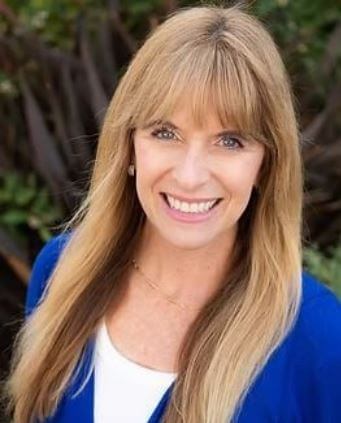 Christine MacInnis, MSed, MS, LMFT owns Transcends Family Therapy in Torrance, California, specializing in neurodiversity and LGBTQIA+ affirming, trauma-informed care, and is additionally licensed in Arizona and Ohio. She is an approved consultant with the Eye Movement Desensitization and Reprocessing International Association (EMDRIA). She provides EMDRIA and APA-approved advanced training on topics related to neurodiversity-affirming EMDR, ADHD, and autism from a lived-experience lens. She has written research articles for the California Association of Marriage and Family Therapists (CAMFT) and EMDRIA on affirming care for neurodivergent clients. Learn more at www.transcendstherapy.com.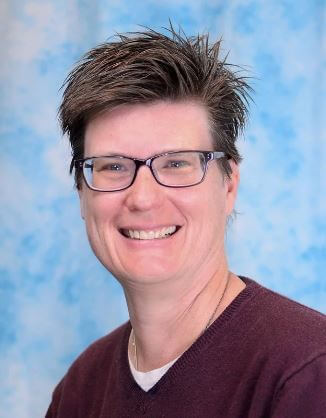
Cathy Hanville, LCSW (they/she) lives and works at the intersection of gender diversity and neurodivergence. They are a licensed clinical social worker in Pennsylvania and California, and an EMDRIA-approved consultant and continuing education provider. They are passionate about helping therapists identify their blind spots so they can provide gender- and neurodiversity-affirming care for their clients. Learn more at www.cathyhanville.com.
Cathy and Christine are also under contract with Norton Publishing to write Neurodivergent Paths to Healing: Affirming EMDR and Parts Work for Autistic and ADHD Clients, scheduled for release in early 2027.
In this podcast episode: How to adapt EMDR for autistic and ADHD clients with more safety, flexibility, and affirming trauma care
What happens when standard EMDR protocol does not fit the client in front of you? In this conversation, Cathy Hanville and Christine MacInnis make the case for a more neurodivergent-affirming approach to trauma treatment, one that prioritizes attunement, sensory awareness, collaboration, and parts work over rigid adherence to script.
Curt and Katie talk with Cathy and Christine about the trauma many neurodivergent clients carry from a lifetime of masking, being corrected, feeling “too much,” and navigating systems that misunderstand them. The conversation digs into why standard EMDR training can miss important client needs, how therapists can adapt all eight phases of EMDR, and why parts work can help clinicians move beyond shame and into more effective, client-centered healing.
They also discuss higher support needs clients, collaboration with families and support teams, and the importance of thinking beyond compliance-based approaches when helping neurodivergent clients regulate and heal.
Key Takeaways for Therapists on Neurodivergent-Affirming EMDR, Parts Work, and Trauma Treatment
“At this point, I assume I have to adapt EMDR for everybody. That there is no one person that comes in my office that doesn’t require adaptation…that if you’re not directly in tune with your client, and you don’t know what they’re thinking, what they’re feeling, you’re not in relation with them, your EMDR is…not going to get to that deeper core, root trauma that they really want to get rid of.”
— Christine MacInnis
- Neurodivergent clients are often missed, misunderstood, or treated through overly narrow stereotypes, especially when therapists are not trained to recognize masking, sensory differences, alexithymia, aphantasia, or the impact of chronic social misattunement.
- Standard EMDR protocol can become rigid in practice, but affirming EMDR requires adaptation across all eight phases, not just during processing.
- Therapists may need to assess sensory profiles, communication style, verbal processing needs, regulation strategies, visualization ability, and what actually helps each client feel safe enough to engage in trauma work.
- Parts work can help therapists identify protective responses that might otherwise be labeled as resistance, blocking beliefs, or noncompliance.
- Many neurodivergent clients carry trauma related to being corrected, socially rejected, pathologized, coerced into compliance, or told their natural responses are wrong.
- For higher support needs clients, EMDR may look different and can include collaboration with parents, schools, and support teams, as well as creative use of bilateral stimulation and co-regulation.
“[EMDR] gets taught as a very rigid protocol. No matter who the identity of the person is that I’m with, I think it needs to be really person centered, because every autistic person is not the same. Every person that is an ADHDer is not the same. So really being very client centered in looking at what works for that specific client, and maybe even that specific week.”
— Cathy Hanville
Resources on Neurodivergent-Affirming EMDR, Parts Work, and Trauma Therapy
We’ve pulled together resources mentioned in this episode and put together some handy-dandy links.
- Christine MacInnis: www.transcendstherapy.com
- Cathy Hanville: www.cathyhanville.com
- Multiplicity of the Mind
- Forthcoming book: Neurodivergent Paths to Healing: Affirming EMDR and Parts Work for Autistic and ADHD Clients by Cathy Hanville and Christine MacInnis, expected early 2027
- EMDRIA-approved consultation and training with both guests
Relevant Episodes of MTSG Podcast
- Are You Actually Neurodivergent Affirming? An Interview with Sonny Jane Wise
- Neurodivergence: An Interview with Joel Schwartz, PsyD
- Why Food Anxiety Is Not Always About Dieting: Understanding ARFID and Intuitive Eating An interview with Robyn L. Goldberg, RDN, CEDS-C
- Why Are So Many Adults Getting Diagnosed with ADHD and Autism? An interview with Dr. Monica Blied
- We Answer the Question: Is EMDR a Pyramid Scheme?
- Mindfulness, EMDR, and Wearable Tech: An Interview with Dr. Steve Dansiger
- Advanced Minds, Unique Challenges: Therapeutic Approaches for Gifted Children
Meet the Hosts: Curt Widhalm & Katie Vernoy
 Curt Widhalm, LMFT
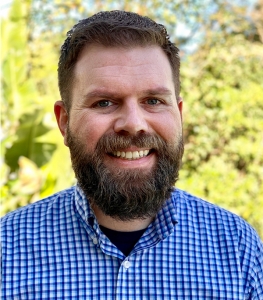
Curt Widhalm is in private practice in the Los Angeles area. He is the cofounder of the Therapy Reimagined conference, an Adjunct Professor at Pepperdine University and CSUN, a former Subject Matter Expert for the California Board of Behavioral Sciences, former CFO of the California Association of Marriage and Family Therapists, and a loving husband and father. He is 1/2 great person, 1/2 provocateur, and 1/2 geek, in that order. He dabbles in the dark art of making “dad jokes” and usually has a half-empty cup of coffee somewhere nearby. Learn more at: http://www.curtwidhalm.com
 Katie Vernoy, LMFT
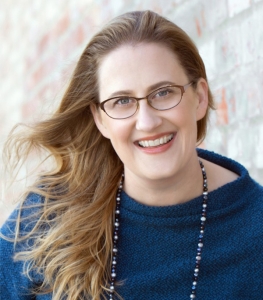
Katie Vernoy is a Licensed Marriage and Family Therapist, coach, and consultant supporting leaders, visionaries, executives, and helping professionals to create sustainable careers. Katie, with Curt, has developed workshops and a conference, Therapy Reimagined, to support therapists navigating through the modern challenges of this profession. Katie is also a former President of the California Association of Marriage and Family Therapists. In her spare time, Katie is secretly siphoning off Curt’s youthful energy, so that she can take over the world. Learn more at: http://www.katievernoy.com
A Quick Note:
Our opinions are our own. We are only speaking for ourselves – except when we speak for each other, or over each other. We’re working on it.
Our guests are also only speaking for themselves and have their own opinions. We aren’t trying to take their voice, and no one speaks for us either. Mostly because they don’t want to, but hey.
Join the Modern Therapist Community:
Podcast Homepage | Therapy Reimagined Homepage
Facebook | Facebook Group | Instagram | YouTube | LinkedIn | Substack
Consultation services with Curt Widhalm or Katie Vernoy:
Connect with the Modern Therapist Community:
Our Facebook Group – The Modern Therapists Group
Modern Therapist’s Survival Guide Creative Credits:
Voice Over by DW McCann https://www.facebook.com/McCannDW/
Music by Crystal Grooms Mangano https://groomsymusic.com/
Transcript for this episode of the Modern Therapist’s Survival Guide podcast (Autogenerated):
Transcripts do not include advertisements just a reference to the advertising break (as such timing does not account for advertisements)
… 0:00
(Opening Advertisement)
Announcer 0:00
You’re listening to the Modern Therapist’s Survival Guide, where therapists live, breathe and practice as human beings. To support you as a whole person and a therapist. Here are your hosts, Curt Widhalm And Katie Vernoy.
Curt Widhalm 0:13
Welcome back, modern therapists. This is the Modern Therapist’s Survival Guide. I’m Curt Widhalm with Katie Vernoy, and this is the podcast for therapists about the things that go on in our practices, the clients that we serve. And we all know that EMDR is a trauma processing powerhouse, but when it comes to our neurodivergent clients, standard protocol that a lot of people get trained on might kind of feel like trying to run Windows on a Mac computer or Linux or something like that. So we’re diving into the brilliant, complex world of adapting EMDR for Neuro spicy brains, and we are joined here today by Cathy Hanville LCSW and Christine McInnis LMFT, to maybe ditch a little bit of a one size fits all approach and get seriously creative about adapting EMDR for neurodivergent clients. So thank you so much for joining us here today.
Cathy Hanville 1:14
Thank you.
Christine MacInnis 1:15
Thanks for having us.
Katie Vernoy 1:17
I’m so glad to have you guys here. I’m really looking forward to this conversation. But before we get started, I’m going to ask you both the question we ask all of our guests, which is, who are you and what are you putting out into the world?
Christine MacInnis 1:29
Well, I am live in Torrance, California, and my practice is based there as well. I’m also licensed in Ohio and Arizona, and I primarily work with autistic and ADHD clients as well as LGBTQ identities. And so I realized very early on during the pandemic that I needed to be more trauma informed and trained than I was. So I joined the EMDR world and did an online training during the pandemic, and I very quickly noticed this isn’t working for me. I nothing happened the eye movements. It was like, I think about my grocery list, and it was really sad, and I just got frustrated, and went to the trainer, and I said, this doesn’t work. And I quit, and I’m out. And she’s like, wait, wait, wait, wait, let’s try something. And they adapted it for me. And I was like, Well, why don’t you teach us this. She’s like, well, we’re just doing the basic protocol, but, you know, there’s stuff that people need to learn. And I said, Oh, okay, well, I’ll learn all this after. She’s like, Yeah, yeah, you’ll find it out there, whatever. She’s busy training so there’s enough time to explain it. I go out there, there’s nothing out there, very little. And most of it was actually really ableist, and made me feel even worse about myself, which I thought EMDR was not supposed to do, and so basically, that was it. I have been spending my last five years adapting EMDR to make it work for my brain, for other autistic ADHD individuals. And Cathy was my trainer. She helped me get certified and become a consultant and taught me about parts work, and suddenly I got really deep into ifs and parts work. And that was it. All of a sudden my ADHD and autistic clients, it was incredible. It was like, totally 180 just how amazing their process was. So that’s my story. Like, I just, I’m now obsessed, like really, literally obsessed. I could talk about this all day. I love learning about the brain, so I love talking about the brain. I could tell you all the studies about why we have to have EMDR, so I’ll stop talking, because, again, I could go on and on, and I’ll Cathy share why she’s in the world.
Cathy Hanville 3:38
So my name is Cathy Hanville. I currently live in Pennsylvania, but I’m licensed in Pennsylvania, in California. I lived in California for quite a long time before moving back at the end of 2021. And I guess, as I say, I live and work at the intersection of gender diversity and neuro divergence, and I am late diagnosed ADHD ie like last year. So that is a particular passion of mine. I identify as gender diverse, and use both they and she pronouns. I was trained in 2001 so, like, they barely even trained you about dissociation or even a lot about trauma back then. So I didn’t use it for a long time. I came into it back again with attachment Laurel Parnell’s work, and then I become really passionate about parts work, and that’s sort of where, you know, I do most of my work at now and trainings and stuff.
Curt Widhalm 4:38
One of the questions that we ask at the top of a lot of our episodes comes from a place of learning, not a place of shaming. But what do therapists usually get wrong when using EMDR with neurodivergent folks?
Cathy Hanville 4:51
You could jump in. But I think the biggest thing is, first up, we don’t realize that people are neurodivergent because we’re not taught to recognize it. And, I mean, frankly, how I sort of recognized that I was neurodivergent was through my clients and being consulting with other neurodivergent therapists. Christine, you want to kind of expand on that?
Christine MacInnis 5:11
Yeah, it just, I think they’re also not recognizing that there’s trauma attached to those identities. There’s a lot of shame attached to being autistic. I, you know, even saying out loud, you know what people say to me? You can’t be you’re so social, and it’s so rude. Actually, it gets me really upset when they do it, because I’m like, Do you know anything about autism, really? You know, it’s very striking how you know when you have the combination of, you know, autism and ADHD, and how there is a lot overlapping, but ADHD fronts a lot, so they think, oh yeah, you’re you’re really social. So it’s like the bottom of the iceberg, they don’t see. They see the top of the iceberg, the fronting, the masking, especially as a female identified person masking was what I was taught to do. Smile, you’re prettier, you know. Oh, shake the teacher’s hand. Be a good girl. I mean, sit crisscross apple sauce. It goes on and on and on. All the messages we were taught so young and so adults, like, think of it as like, they don’t see it. They see the very profound impact that autism might have. Somebody that has lots of high needs, that that’s autistic, that they’re missing, like, the whole other side of the spectrum that is really below the iceberg, stuff that we don’t see, but that really greatly impacts our lives, and yet it’s not talked about. It really isn’t.
Cathy Hanville 6:29
One thing I would would add is it gets taught as a very rigid protocol, and no matter who the identity of the person is that I’m with, you know, I think it needs to be really person centered, because every autistic person is not the same. Every person with ADA that is an ADHDer is not the same. So even an adaptation like how Christine receives EMDR and how I receive EMDR could be totally different. So really being very client centered in looking at what works for that specific client, and maybe even that specific week.
Christine MacInnis 7:04
Yeah, and attunement, how much we disregard, you know, it’s such a scripted protocol. It’s like the clinicians are taught it, and then they read the script, and then they memorize it. They’re not actually recognizing: Wait a second, you have to be in attunement with your client. Preparation is the most overlooked, I feel, part of the protocol. It’s like, you know, you get the history taking you understand what’s happening, and then I will do the com safe space, or we’ll, we’ll get you, like, centered. Oh, I know how to regulate you. Okay, we’re good. Move on. Wait a second here. There’s a whole part of this where, if your parts, and this is where parts work comes into it, do not feel safe with me. They’re going to shut down during processing. I’m going to do a cognitive interweave that lands wrong, and you’re going to go, No, I’m getting nothing. Or you’re going to lie to me. You’re going to people please, and you’re going to go, I’m going to zero. I don’t feel anything anymore. I’m good. Meanwhile, your whole body is activated, and you’re leaving the office ready to cry, but you don’t want to tell me, because you don’t feel safe with me. So we’re missing that boat too. I feel like maybe neurodivergent more than I would say other types of individuals really need attunement. We need to feel safe with our therapists, because we’ve been so misaligned by other people and other professionals that by the time we get in a therapist’s office, we’re terrified. You could make fun of me. You could think I’m too much. You could talk about me behind my back to your colleagues all the things that others have done to me my whole life. When we know therapists are humans, we’re smart, we know that they could do all those things to us, too. So there’s a lot Curt I mean, this is a topic we really could go on and on about.
… 8:40
(Advertisement Break)
Katie Vernoy 8:43
My assumption there are a lot of accommodations that need to be made for folks who are autistic or ADHD, and I’m curious, and maybe this is my lack of knowledge on EMDR, so if this question needs to be refined as we go along, I’m perfectly fine with that. But what are the broadly, what are the accommodations that need to be made? My assumption is that there’s things with the body. There’s things with all the sensory processing and and even just feeling comfortable in your own body, like there’s so much that I’m imagining would be important in this. And so at a high level, what types of accommodations are we and adaptations are we really talking about here?
Christine MacInnis 9:24
So when looking at it, I mean, and we started off with this, that each individual is different, right? So what I was finding when I first got out there, when my, you know, my trainer said, oh, there’s some trainings on autism. No no, no, no, no, there was a protocol for autistic people that involved caregivers, because they couldn’t do it on their own. So it was already putting them in a very tight box of someone with extremely high needs who needed another person present at their work. That’s eliminating probably 90% of people with autism. And when I started looking at it, a study came out that said, in working with EMDR and autistic people, the Adelphi study said in 2022 that we need to have a toolbox. We need to have a full box of interventions. And those interventions need to be placed in all eight phases of the work, from history taking all the way down to installation. We need to know that we’re doing those every step of the way. So history taking, for example, we need to get a sensory profile. What really does make you triggered? Can you be in an office with lights that are, you know, in the ceiling? Can you handle a floor that’s hard, or do you need to be in a room that has carpeting? I mean, subtle little things that can throw off processing and distract and make it more difficult. And then you get even deeper into the processing again. Yes, is someone have aphantasia. Can they not visualize? And Curt, you know how much is involved with visualization in EMDR, so if you’re telling someone, oh, I want you to imagine, and that person’s like, imagine, and now they feel flawed. They can’t imagine. They didn’t realize that they couldn’t do it until you pointed it out. And they’re all flooded. They’re freaking out. They’re like, well, I can’t do that shit. Oh, this isn’t good. Uh oh. And now they’re not feeling connected to you. They’re not feeling connected to the work. So it’s literally understanding even alexithymia, not having ability to name feelings or feel the feelings. They feel, their emotional responses in color or sound or in body movement or in all different other ways, but there’s a lot of shame involved with the work that we do by saying, oh, you can’t visualize. Oh, you can’t tell me what you’re feeling. And if therapists don’t understand those things exist inside people that they’re real experiences granted 1 to 3% of the population, but that’s enough people that can get harmed by not having it in their toolbox. Other stuff, Kathy, too that you want to add on?
Cathy Hanville 11:44
I think it’s just asking all of these questions that she was saying, and being aware of how shaming it can be, and really framing it in the way, I mean, I talk to people all the time about it’s my job to work with you collaboratively to figure out the best way to do this for your system. And recognizing that people may not know, like I have aphantasia. I didn’t know there was a word for that. I knew I couldn’t visualize, but I somehow my brain adapted all this time, you know. But asking those those questions and not and if something doesn’t work, then changing it, but also the level of stimulation that people need to verbally process, because you’re kind of taught, like you stop and they’re supposed to be kind of quiet, and then you have them talk again. And you know that does not work. I mean, I was doing that adaptation before I knew that was an adaptation for ADHD. I just had a client. They had a verbally process everything. So I was just like, Okay, well, we go with that, so to speak. So yeah.
Christine MacInnis 12:45
But there’s rigidity, right with that process. Like Cathy, like you were, and, you know, in the business, let’s say, for a long time with EMDR, but me, as a newly trained person, when I started meeting with you, I was afraid to even bring those things up, because I was already doing them, but I thought I was going to get in trouble because it doesn’t follow the emdria protocol. And am I going to get shunned and and I’ve heard stories now that I am an approved consultant, from plenty of my consultees where they were in consultant groups where they were shamed, literally, like, Oh, you’re not sticking to the standard protocol. That’s not the way we do it. And that is, like, first of all, I don’t even understand how a therapist talks like that, but it is really, like, dehumanizing to hear like, oh yeah, that’s not gonna work. You’re not allowed to do that. What do you mean, not allowed. What’s it gonna do? It’s not gonna create disassociative states. It’s not gonna make the client more traumatized. It’s gonna make them feel safer. But, you know, there’s a lot of gatekeeping around this whole thing. It gets really uncomfortable.
Cathy Hanville 13:44
And I would argue that we do follow the standard.
Christine MacInnis 13:47
We do!
Cathy Hanville 13:48
We need adaptations all the way, but we do eight stages and stuff. So when we submit our trainings to emdria, we check the box that says we are following the protocol, and they get approved. So people saying that we’re not doing it, like we’re adapting to the person in front of us.
Christine MacInnis 14:06
So I know I just don’t describe I own to subscribe to it, but I have gotten that feedback and then relaxation in my consulting groups, where they’re like, oh, wait, I can do that. And I’m like, Yeah, did my training. They watched it, they approved it. Yep, you can, you can do it. So, yeah, there’s a lot of that, like people think they know what’s best. And I that gets me a little nuts. I gotta say.
Curt Widhalm 14:30
At its most core, what I’m already hearing the two of you talking about, in the way that I conceptualize when I do EMDR with neurodivergent folks is: being trauma informed is the same kind of adaptations that being neurodivergent informed is, which is doing what works for the client. It’s following the protocol in the way that it is. Both of you are nodding very hard. For those of you who can’t, can’t see us all here, but I was at the emdria conference this year, a couple of months ago, and I want to shout out to one of our frequent guests on the podcast, Adriana Rodriguez, when I’ve talked with her about some of the things that we experience here in California, that people in other parts of the country or other parts of the world don’t is we have California privilege, where we’ve been a part of some of these conversations for quite a bit longer, where it does seem more natural to be able to adjust, where some parts of the country that are newer to different people having different experiences, and not everybody fitting into one size box, are starting to just be exposed to some of these conversations, and I think that that’s part of what I’m hearing the two of you echo here as well.
Christine MacInnis 15:45
Yep, 100%
Cathy Hanville 15:47
Well, I also think you have to put yourself in those conversations. I presented at the emdria conference at the intersection of gender diversity and neuro divergence. And you know who was in the room? Gender diverse and neurodivergent people.
Christine MacInnis 16:01
Queer people. That was it.
Cathy Hanville 16:02
Yeah, a queer, yeah? I mean, that’s, that’s the thing, if other people don’t expose themselves, and I get that I was competing with some big names, so like, but still.
Christine MacInnis 16:13
An eight o’clock on a Sunday.
Cathy Hanville 16:15
Yeah. Okay.
Katie Vernoy 16:16
That is rough.
Curt Widhalm 16:18
So I want to ask just kind of as you’re already kind of describing care more when you have a client who’s neurodiverse coming in, they’re talking about what their goals are. Do you conceptualize how you’re going to go about your work differently? You’re talking about some of the adaptations that you work with the client. Are you thinking differently as far as how somebody’s trauma might be impacting them differently, how that might be showing up differently, as far as either reprocessing or as far as installation and generalization out into the world?
Christine MacInnis 16:55
I’m going to say no, because I’m always assuming I don’t know what I don’t know. So I’m never like, oh, oh, I have an ADHD client or, like, because I get referrals directly, like, I’m ADHD, and I read about you in the magazine, and I want to do this, and I want to do that. And half the time I’m like, maybe they’re ADHD, you know, they’ve been diagnosed by somebody, but I don’t know what their situation is, and I don’t know who they are. And I, you know, I assume, now at this point, I assume I have to adapt EMDR for everybody. That there is no one person that comes in my office that doesn’t require adaptation. I just think we’re specifically targeting this, this one group that people kind of neglected and ignored. But I think if we really look at it, that’s the attunement that I talk about, that if you’re not directly in tune with your client, and you don’t know what they’re thinking, what they’re feeling, you’re not in relation with them, your EMDR is going to be flat. It might work. I mean, because EMDR kind of works by itself in a lot of ways, but it’s not going to get to that deeper core, root trauma that they really want to get rid of, that they’re really sick of feeling, that they’re sick of guilt, they’re sick of shame, they’re sick of these feelings. I really think, if we’re not as any EMDR protection, or, you know, if you don’t work with neurodivergent clients, if you’re not already thinking, okay, they might need to have things done differently, then you’re probably missing a piece of the work that can be really rich and really meaningful, but that’s, I mean, that’s just my take on it.
Cathy Hanville 18:27
Yeah. I mean, my initial answer was no, also, but I also think it goes back to what you just said, Curt about, like, trauma informed. Like, I come in trauma informed. And yes, I recognize that neurodivergent people might have different traumas, but I also internalize that about my, you know, gender diverse clients, although most of them are also neurodivergent. But you know, you know, just sort of in that framework. I mean, I conceptualize more like, I start pretty much with everybody, with parts work, and kind of, then I learn their system, and as I’m learning their system, then I’m learning like, or I’m thinking, like, Okay, this is something that is reactive in their system, and I need to adapt, or, you know, learn more about it.
Christine MacInnis 19:09
Yeah, parts work is really, I think, revolutionized all of EMDR work, though.
… 19:14
(Advertisement Break)
Katie Vernoy 19:16
Can you talk a little bit more about the parts work and how that goes into EMDR? Because I’ve started hearing more about that, and it seems really interesting that, that that would be a thing. It seems like they’re, they’re two very different protocols, which I don’t know either of them very well. So, so.
Cathy Hanville 19:33
I did start with the big picture, and then Christine’s great at all the getting in there. But what I would say is, I mean, for me, I had practiced a long time becoming, you know, until I got my consultant was, ifs informed, and we kind of use more of a general parts term, because there’s pieces of each model we like and maybe don’t resonate with quite as much, but, But for me, like, one of the things that comes up often in EMDR, like, say in the Facebook groups, is they’re like, Well, you know, I was doing this, and then there was a blocking belief. And, you know, blocking belief means there’s just something where they’re kind of stuck, right? And to me, I conceptualize that as there’s a protective part, saying I’m not ready to deal with this, or I don’t feel safe dealing with it, or something like that. And if I can work with them and untangle it ahead of time and get parts permissions, because people all the time say to me, or they come to consultation, they’re like, Well, I started and it didn’t go anywhere. Or I got the suds, the disturbance level down to a zero, which is, you know, kind of the goal. But the next week, they came back and it was a six. And I was like, okay, but there’s different parts in the system that might be holding the memory. There could be the three year old part, the 12 year old part, and sometimes you have to process it. I mean, if more parts are holding it, you have to process it with both parts, and they may have totally different negative cognitions. I mean, for me, it’s just, I also have found that if I front load parts work, or I work with a system that just, I’ve had a couple of people that did short term work, and they just came in and for whatever reason, parts work just totally resonated with them, prep them and go and it’s great, but you got to front load the parts work, because the whole system has to agree to do the processing or it’s not going to work. All right. Now you go into the detail Christine.
Christine MacInnis 21:33
No, that’s exactly it, though, like and if you recognize blocking beliefs as merely a part of the system that’s not been bought into this, and is sitting there going, hell no. I think about my initial training. Part of it was that the bilateral stimulation didn’t work, but part of it was my parts going, they want you to reveal things about yourself in here. These are a group of strangers. What are you doing? And feeling very unsafe, even online that I didn’t know these people and I had an amazing trainer, Paula McCrucci is out of Chicago. Is incredible. I mean, definitely recommend her stuff. And even she, she couldn’t create that safety with every individual, though. So I was like, I don’t know who these people are. They might judge me. I can’t. That was my part. It’s freaking out. And so I don’t think we can get there until we have permission from everybody in there. And I like, I like to look at his parts where it can be so everybody talks about ifs right. You know, Dick Swartz did an incredible marketing campaign here, because he really sold it well, and he made it really manageable for people to understand it. He has these great names for it, the firefighters and the managers and the exiles. And it’s really, really well packaged. And I do, I like that model a lot, but I love ego states, and I love how Robin Shapiro can weave a story with the parent part and the child part. And then there’s structural dissociation, which Fisher has an incredible model on, that’s super affirming. You know, the apparently normal parts, the parts that are taking on all the skills and the knowledge, and they’re going out there and doing the job. And so it’s just there’s a ton of different ways to conceptualize parts, and lots of I mean, it came from Freud, the ID, the ego and superego of parts, parts of self. And so we’ve always had this, this model’s always been there, and now it’s, like, kind of cool, and it’s just funny because I’m like, Well, isn’t this what our work was based on to begin with? I thought. So, yeah, I just think parts is is been there for a while. We just didn’t conceptualize it in this neat package that I think Dick Schwartz has done such a good job of doing, but it’s been there the whole time.
Curt Widhalm 23:37
So I want to take a step back here and talk about what are some of the trauma experiences that neurodivergent folks might typically run into, that neurotypical folks might not normally present with, that clinicians need to consider?
Cathy Hanville 23:56
Well, I’ll just start as a late diagnosed person, being a late diagnosis/diagnosed person, and having a whole lifetime of experiences of like, feeling like you didn’t fit in, being told that you’re too much, knowing that you’re different, but not knowing why or what that meant. Christine, other ones?
Christine MacInnis 24:17
A lot. The list goes on and on. I mean…
Cathy Hanville 24:18
Yeah.
Christine MacInnis 24:19
We talked about aphentasia and alexithymia, two things that are common in that population, and so they don’t know that they don’t know but they know that they’re different and weird. Feeling weird. I mean, I think I felt weird my whole life. Didn’t know why I was, quote, unquote weird or different or strange. And, you know, I just kept thinking, Oh, you’re just quirky. And then you know why I would freak out in crowds, why I would hyperventilate getting in, you know, an area where there’s more than 10 people, why I can’t go to big parties, what you know, all of that stuff you know, not understanding why, and being really, like, dismissed about it too. Like, oh my God, you’re overreacting. If I heard that enough in my lifetime, I if I never hear that word again, I’m going to be so thrilled, because it was always You’re overreacting. I’m not overreacting. My nervous system is on high alert. I mean, the fact that a lot of us actually are empaths, that we feel other people’s feelings like literally feel them, and that creates so much overwhelm that we disassociate and we’re just kind of disconnected. And you see, sometimes that flat affect. That flat affect is not that they’re not connecting, that flat affect is pure protective mode, like this is too much stimulus. I can’t handle all the stimulus, so I’m going to go like that, and I’m just going to be monotone, and that’s all I can handle. This, is it. And so the list goes on and on, and then you add in the newer profiles like pathological demand avoidance or persistent demand for autonomy, or what I call it. Please don’t ask me, because I have that profile. Please don’t ask me to do that. Please don’t ask me to do that, because then I’m going to people, please, and then I’m going to do it because I internalize that, and then I have to do it, and I don’t want to do it. And, you know, people have PDA, like, externalized behaviors. They’re seen as aggressive and argumentative and difficult and, you know, manipulative, when, meanwhile, they’re just so overwhelmed and feel so much uncertainty in their bodies that they go into fight flight, and they’re fighting you, yeah, because they’re terrified, and so lack of understanding of all of this mechanism has created this incredible misunderstanding of who these people are and who we are as individuals.
Cathy Hanville 26:31
Yeah. I mean, there said, um, sorry, Christine. The Jellinek study where he said, like, you know, they estimated by age 10, a kid with ADHD had been corrected 10,000 times, and, you know, that’s a kid with ADHD like, so like, just being corrected all the time and getting that internalized message, like, even if a parent is supportive, and we’re only probably now getting to the place where, I mean, I just did the studies on like, like, in the high rate of autism diagnosed in California is like 53 per 1000 or 100,000 and in Texas, it’s seven. And it’s really all about the diagnosis and looking for it so that people can get the services and supports that they need at a young age, rather than later going years and being told like there’s something wrong with you.
Christine MacInnis 27:23
Or the thin slice judgment study that found within 17 seconds, someone will observe an autistic person’s behaviors and immediately socially reject them. And it’s funny, I have to say, I’ve noticed it more and more, even in people in my own life, things that should have went well for them, they were rejected from and I’m like, I’m wondering how much of that is thin slice judgment at work, you know, immediate like snap judgments, that they’re different. And it’s like, Well, I wouldn’t want anything part of that that’s not part of our neurotypical part of our world here. So we got to get that out of here right now. And it’s fascinating just how quickly we can do that.
… 28:02
(Advertisement Break)
Katie Vernoy 28:04
In looking at what you’ve described and obviously my own experiences as well, I feel like there’s, there are many different ways that we could support neurodivergent folks, late diagnosed folks, or folks who’ve known their whole life. And I hear a lot of identity work, I hear a lot of learning to accommodate yourself, regulate your nervous system. There’s a lot of things that could could play into that. Why EMDR in parts work? Like what, what is the difference there that makes it the treatment of choice for the two of you?
Cathy Hanville 28:39
Well, parts work is a treatment, a choice for me, for because I find it, it’s, it’s, it’s a lot of it’s about depologizing everything. Like, you know, when I started to kind of learn about it myself, like, oh, I have an anxious part that’s protecting me from whatever big feelings. It’s, although some of that might have been ADHD in hindsight. But anyway, it’s a part of me. It’s not my entire identity. And that really takes, it makes it different. It, you know, it just takes it away. I think the EMDR like, I like it as a trauma toll for anybody. I think it works with neuro divergent clients, if the therapist can make it work with neurodivergent clients. I think that there’s a lot of things, and I see a lot of therapists again in these groups say, well, they couldn’t do calm, safe place, so I can’t do EMDR with them. And, like, that’s just ridiculous. That’s, you know, you just have to find another way to help them regulate. But I think that the taking it away, and then, you know, there’s lots of debates about, like, I have a client, you know, like, Okay, well, I don’t. Some people say all their parts are autistic, or have ADHD. Some say separate ones do. Like, I sometimes even in my own parts work and like, is it, is it a part distracting me because I don’t want to deal or is it my ADHD? I, you know, and I don’t always know. Christine, you want to add more?
Christine MacInnis 30:01
Yeah, no, I just, first of all, I think EMDR is magic. Once I adapted it for myself, the healing in my life has been magic. Like, I just feel like a different human being, and then combining it with parts work. Now I really like, I see, I see clients well, and I see clients with really extensive trauma. We’re talking, you know, like, I can’t even get into how severe it is, where they really have been hopeless and most part, actively suicidal, like really ready to just be done, and not because they want to die from depression or, like, that feeling of suicidal ideation more because they’re exhausted. They’re just exhausted with feeling. And so who wouldn’t want to, who wouldn’t want to desensitize that? Right? EMDR desensitizes those things. It doesn’t take them away. It doesn’t make them not relevant. It doesn’t make them disappear. All it does is take away some of its power over us and allows us to breathe for a second. Who wouldn’t want that, along with the power of parts work that de pathologizes all of our experiences. I mean, I come at my clients, my goal is always zero judgment. And I really, really do walk in without that, and that is key. I really think, like, that’s what EMDR and parts work does when you combine them together. It’s zero judgment. It’s just this happened to you. It’s made you feel this way. We’re going to help you figure out why, and then we’re going to desensitize it for you, and we’re going to try all these tools to make that happen, and we’re going to provide that safety. And who wouldn’t want that? I mean, I think it’s magic, but maybe it’s just me.
Curt Widhalm 31:42
It seems like a lot of our conversation seems to be kind of with low support need neurodivergent folks so far. And I wanted to circle back a little bit to the question I asked earlier, as far as conceptualizing differently some of the higher support needs clients that I conceptualize differently, I think very similarly to the two of you, I kind of treat everybody as if they’re going to be going through kind of the neurodivergent work that I have from my background. But for some higher support clients, it’s also then looking at how to communicate with the rest of their support team as they are going through mid phases of EMDR, as far as saying, hey, you know what the pacing thing that the ABA team thought before was a precursor to aggression, we’re actually slowing that down, and that’s bilateral stimulation in a slower, more intentional way of calming the nervous system. And I’m wondering if there are other considerations such as that, that you’re also looking at some maybe higher support needs clients also needing?
Christine MacInnis 32:53
No it’s a great question, because I think I would say a lot of the work that we’re conceptualizing is mid to low need clients. When you’re talking about that next level within the needs are extremely high. And yes, you’re including the collaboration of teams. I mean, especially if you’re doing work with anyone under 21 you’re collaborating with parents, you’re collaborating with schools. And I do actually, a friend and I had started a company where we coordinate with schools to help them learn how to deactivate nervous system activation in the whole classroom. So you’re actually helping the higher need kid, but you’re helping all the kids. And I think that’s the thing here too. You have to look at, well, what would we be doing? Maybe EMDR doesn’t involve all eight phases for somebody such as that. Maybe it is just providing slow, bilateral stimulation to help them calm their nervous system. Maybe you are bringing in someone as a support team. Maybe there’s a parent involved. I’ve worked with cases where the parents and young adults need to work together. I have one now the child really does need mom in terms of some self regulation in addition to EMDR. So we bring mom into sessions with the young adult’s permission, like, wanting mom there because they live together. So I do feel like, you know, when you talk about kids, like clients who really do have those higher needs, it is conceptualizing it a little bit differently. Like, okay, what, what can EMDR do for this situation, and how can it support? How can it help? And that’s where you can kind of get creative, though, and have fun with it, where, I think that is an area where we’re really overlooking things. I mean, you talked about ABA, something that’s a sore point for me. But, you know, behavioral techniques, yeah, gets, gets compliance. It always works. But does it really help? You know, I feel like this could be way more helpful to someone who’s having aggressive behaviors than training it out of them like you would train a dog. But okay, maybe that’s just me.
Cathy Hanville 34:54
Well, that goes back to what you said about the traumas that these clients are coming in with that. I mean, it’s what. The things I talk about in the intersection of, you know, gender diversity, that is the coercive like so conversion therapy and ABA, you know, to kind of get it out of them, so to speak.
Curt Widhalm 35:15
Where can people find out more about you, the work that you’re both doing consultations, being able to work with you?
Cathy Hanville 35:24
People can find out about me and the work I’m doing at my website, which is cathyhanville.com. Cathy with a C, and I have a few trainings on there, and I am also doing a training next year with Multiplicity of the Mind. So also looking at their website, but as soon as they have it, I’ll have it on mine also.
Christine MacInnis 35:42
And Christine McGinnis and I’m located on transcends therapy.com so T, R, A, N, S, C, E, N, D, S, therapy.com and I am also doing a training for Multiplicity of the Mind in March. They’re a wonderful website too. I want to plug them, because they have amazing trainings for EMDR and parts work informed therapists.
Katie Vernoy 36:09
And I hear you have a book that might be coming out sometime in the next year or so.
Christine MacInnis 36:14
Yes, 2027, hopefully early. The name of the book is Neurodivergent Paths to Healing, and it’s going to be focused on parts work and EMDR what we were talking about.
Curt Widhalm 36:25
All right, we will include links to all of Cathy and Christine’s stuff in our show notes over at mtsgpodcast.com. Follow us on our social media, including LinkedIn, Substack, and join our Facebook group, the Modern Therapist’s Group, to continue on with this and other conversations, and until next time, I’m Curt Widhalm with Katie Vernoy, Cathy Hanville and Christine MacInnis.
… 36:49
(Advertisement Break)
Announcer 36:51
Thank you for listening to the modern Therapist’s Survival Guide. Learn more about who we are and what we do at mtsgpodcast.com. You can also join us on Facebook and Twitter and please don’t forget to subscribe so you don’t miss any of our episodes.




SPEAK YOUR MIND