

The Epstein Files Fallout: Navigating Client Trauma, Justice Fatigue, and Clinical Responsibility
In this episode of the Modern Therapist’s Survival Guide, Curt Widhalm and Katie Vernoy examine the emotional and clinical fallout following the release of the Epstein files. Rather than responding with hot takes, they focus on what happens after the news cycle moves on – when outrage fades, justice feels stalled, and trauma survivors are left holding the weight of unresolved harm.
This episode centers on how therapists can ethically and responsibly show up for clients while navigating their own reactions, limits, and clinical roles in the face of systemic failure.
Click here to scroll to the podcast transcript.Transcript
(Show notes provided in collaboration with Otter.ai and ChatGPT.)
In This Podcast Episode: Helping Clients Process Trauma When Justice Feels Elusive
Curt and Katie explore the range of responses therapists are seeing in their practices following disturbing public disclosures, including vicarious trauma, retraumatization of sexual abuse survivors, existential dread, and deepening mistrust of institutions meant to protect.
They discuss how these reactions may show up indirectly in therapy, how therapists can remain grounded and regulated, and how to hold space for grief, anger, and moral injury without minimizing or rushing clients toward resolution.
Key Takeaways for Therapists Navigating Client Trauma, Justice Fatigue, and Moral Injury
“There’s the trauma itself – and then there’s the trauma of nothing happening afterward.” – Curt Widhalm, LMFT
- Trauma responses may appear as irritability, numbness, mistrust, or disengagement rather than explicit discussion of current events
- Large-scale disclosures can lead clients to minimize their own trauma or feel erased when accountability does not follow
- Therapists must be mindful of subtle minimization, redirection, or discomfort that can retraumatize clients
- Simple, permission-based check-ins about what’s happening in the world can open space without forcing disclosure
- Regulation, containment, and validation are often more clinically appropriate than problem-solving or meaning-making
- Monitoring therapist exposure to distressing material is a core aspect of clinical responsibility
“I think there’s a lot to feel hopeless about, and that’s real. Our job isn’t to rush people out of that, it’s to help them find enough respite and agency to keep going.” – Katie Vernoy, LMFT
Resources on Trauma, Trafficking, and Survivor Advocacy
Curt and Katie reference organizations doing meaningful work to support survivors and address systemic harm:
- Freedom Network USA – Survivor Reentry Project
- Human Trafficking Legal Center
- Rights4Girls
- Survivor Alliance
- 1in6 (support for male survivors of sexual abuse)
Relevant Episodes from the MTSG Archive
- Getting Political
- REPLAY – Therapy As a Political Act: An Interview with Dr. Travis Heath
- REPLAY: Working With Politically Divided Families with Angela Caldwell, LMFT
- Beyond Coping: Radical Healing in a World Not Built for Us – An Interview with José Rosario
- How Therapists Can Support Community-Building in Immigrant and Marginalized Populations: An Interview with Adriana Rodriguez, LMFT
- When Laws and Ethics Conflict: Civil Disobedience, Social Justice, and Our Role as Therapists
- Decolonizing Therapy: A Movement – An Interview with Dr. Jennifer Mullan
- How to Stay in Your Lane to Support Diversity and Inclusion, An Interview with Dr. Joy Cox, PhD
- Reacting to Regime Change: How Therapists Can Advocate for our Clients and Communities
- White Terrorism and Therapy
- What Therapists Need to Know About Immigration: An interview with Andy Strait
- Ally is a Verb
- Coping with Trauma
- Shared Traumatic Experiences
- Navigating Client Crises When Your Own Life Hits Hard
- When Crisis Hits Home: How Therapists Can Survive and Support Each Other — An Interview with Jeanine Rousso
- Exploring Systemic Trauma and Relational Privilege with BIPOC and LGBTQI Couples: An interview with Akilah Riley-Richardson, MSW, CCTP
- Navigating Religious Trauma, Spiritual Abuse, and Lies About God: An interview with Dr. Jamie Marich
- Religious Trauma and High-Control Religion: An Interview with Anna Clark Miller, LPC, LMHC
- Is This My Stuff? How therapists can sort through countertransference: An Interview with Dr. Amy Meyers, LCSW
- Managing Vicarious Trauma: An Interview with Laura Reagan, LCSW-C
- Are You Even Trauma-Informed? An Interview with Laura Reagan, LCSW-C
- How Therapists Can Deal with the Crisis of the Week
- Unmasking Shame, Myths, and Healing for Male Survivors of Sexual Abuse: An Interview with Jeremy Sachs
- Understanding Sexual Trauma and Hookup Culture in Therapy with Gay Men: An Interview with Michael Pezzullo, LMFT
- Conscious and Trauma-Informed Leadership: An interview with Kelly L. Campbell
- Self-Care
- REPLAY – Structuring Self-Care
- Choosing Yourself as a Therapist: Strategies to address burnout, compassion fatigue and vicarious trauma, An Interview with Laura Reagan, LCSW-C
- Somatic Therapy, Nervous System Regulation, and Expanding Capacity for Rest: An Interview with Linda Thai
- How Do Therapists Manage Intense Caseloads?
- Therapists Struggling with Darkness
- The Mental Load of Therapists
- Topic: Self-Care
Meet the Hosts: Curt Widhalm & Katie Vernoy
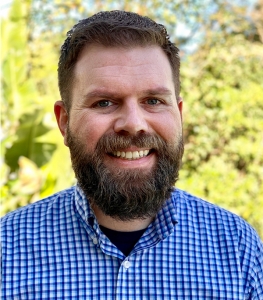 Curt Widhalm, LMFT
Curt Widhalm is in private practice in the Los Angeles area. He is the cofounder of the Therapy Reimagined conference, an Adjunct Professor at Pepperdine University and CSUN, a former Subject Matter Expert for the California Board of Behavioral Sciences, former CFO of the California Association of Marriage and Family Therapists, and a loving husband and father. He is 1/2 great person, 1/2 provocateur, and 1/2 geek, in that order. He dabbles in the dark art of making “dad jokes” and usually has a half-empty cup of coffee somewhere nearby. Learn more at: http://www.curtwidhalm.com
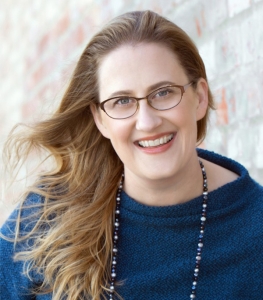 Katie Vernoy, LMFT
Katie Vernoy is a Licensed Marriage and Family Therapist, coach, and consultant supporting leaders, visionaries, executives, and helping professionals to create sustainable careers. Katie, with Curt, has developed workshops and a conference, Therapy Reimagined, to support therapists navigating through the modern challenges of this profession. Katie is also a former President of the California Association of Marriage and Family Therapists. In her spare time, Katie is secretly siphoning off Curt’s youthful energy, so that she can take over the world. Learn more at: http://www.katievernoy.com
A Quick Note:
Our opinions are our own. We are only speaking for ourselves – except when we speak for each other, or over each other. We’re working on it.
Our guests are also only speaking for themselves and have their own opinions. We aren’t trying to take their voice, and no one speaks for us either. Mostly because they don’t want to, but hey.
Join the Modern Therapist Community:
Podcast Homepage | Therapy Reimagined Homepage
Facebook | Facebook Group | Instagram | YouTube | LinkedIn | Substack
Consultation services with Curt Widhalm or Katie Vernoy:
Connect with the Modern Therapist Community:
Our Facebook Group – The Modern Therapists Group
Modern Therapist’s Survival Guide Creative Credits:
Voice Over by DW McCann https://www.facebook.com/McCannDW/
Music by Crystal Grooms Mangano https://groomsymusic.com/
Transcript for this episode of the Modern Therapist’s Survival Guide podcast (Autogenerated):
Transcripts do not include advertisements just a reference to the advertising break (as such timing does not account for advertisements)
… 0:00
(Opening Advertisement)
Announcer 0:00
You’re listening to the Modern Therapist’s Survival Guide, where therapists live, breathe and practice as human beings. To support you as a whole person and a therapist, here are your hosts, Curt Widhalm and Katie Vernoy.
Curt Widhalm 0:15
Welcome back, modern therapists. This is the Modern Therapist’s Survival Guide. I’m Curt Widhalm with Katie Vernoy, and this is the podcast for therapists about the things that go on in the world that affect us as therapists and the ways that we interact. And last week’s news about the Epstein files being released created a lot of hot takes on social media. And Katie and I felt that while we weren’t going to put out immediate sorts of reactions that this is something that still is very important for us to talk about how it affects the kind of work that we do, the ways that it shows up for us as therapists, the ways that we can help our clients with it. And so, you know, now that the files are out, the internet exploded, there’s giant mess all over the place. We’re talking about the week two hang over, the numbness, the disappointments that the world didn’t instantly change because of our outrage about this. So we’re here to talk about how to help clients who are realizing that knowing the truth is only half the battle. So Katie, we have a number of things that we’re trying to do in this episode. Some of this is our very #moderntherapist like, let’s normalize what is absolutely un-normal. I’m ready to go back to living in precedented times at any point. So we’re going to talk about just kind of the experience of what it is for therapists, how we can help our clients, and we’ve got some of our Modern Therapist’s Survival Guide calls to action at the end of the episode, with some places that we can hopefully help support in creating some of the systemic changes. But Katie, what’s the last week or so been like for you?
Katie Vernoy 2:00
It’s been odd. That’s such an inadequate word. When things started happening and files started dropping those kinds of things, I was just coming back from vacation, so my mindset was quite different. And sitting in sessions with clients, both clients who were kind of normies and clients who are therapists, and there was a lot of different reactions. There were a lot of things that were happening, and then also things that I was preparing for that may come down the line. And for myself, I found that I needed to be aware of what the reactions were across the board, I felt like I needed to stay informed, and I don’t know how well I balanced my own mental health and going down rabbit holes. I think I was able to to course correct after a bit, but I think there was definitely a an interest in understanding what was going on, having enough information so that I could be informed and and be there for my clients. But a lot of what I saw was vicarious trauma, trauma triggers, people numbing out existential dread and hopelessness. There was, you know, especially if you spend any time online, there’s a lot of folks saying, Okay, why is the world not changing? Why is why does this not make a difference? Why are there not arrests or investigations, or why was this so hard for us to to get information about? And then also even, how do we even understand what’s being shared because of the redactions or those types of things. And to be clear, this episode is about the Epstein files, but I think there’s a pattern that I’m seeing that the news is happening. There’s pretty horrific things that we’re finding out, and so this is potentially relevant for something new as it’s being released, but this, the release of the Epstein files, felt so specific to especially a lot of our sexual trauma survivors and folks who have been marginalized, erased, been objectified, that I felt like we needed to do an extra episode. I know that there’s more things that probably we need to talk about. And, you know, I think speaking to what we’re going to talk about in a minute is we also had to address both Curt’s and my bandwidth on what we can do and not do in these moments. And so, so I saw, I saw a lot of that, a lot of horror, loss of hope in humanity. What did you see this week? I know when we before we hit record, there was, there were some of the things that you saw that you weren’t expecting to see.
Curt Widhalm 4:45
Yeah, I saw a lot of what you’re talking about. I do a lot of trauma work, EMDR, a lot of people with complex PTSD.
Katie Vernoy 4:54
Yeah.
Curt Widhalm 4:54
And with that, there was some minimizing of people’s own traumas in their past. As far as you know, there’s all of these, you know, victims that are having their names released by the DOJ, which is just bat shit insane, that that’s even a thing that’s out there, but that ended up reinforcing a lot of mistrust in the system. That is just kind of a okay, my my trauma is not that bad, but this is also something where there are people, and there are systems of people who are controlling the world, and they’re going to get away with it, too. So there’s a lot of fear that came up with that.
Katie Vernoy 5:37
Of course.
Curt Widhalm 5:38
One of the odd things that I really wasn’t expecting is being in Los Angeles and some of the clients that I work with who have friends and family in the industries, in the celebrity space that as far as recording time goes, none of them that my clients knew are listed in the in the files themselves, but people whose livelihoods depend on being in the industries that the people who are listed in the files are. So there’s kind of this, oh, my parent works with somebody who I know is in the file. And so there’s mistrust around my livelihood, or my parents, jobs livelihoods, depends on people who are listed, who could be monsters, who could be and I do want to point out there are people who are listed in the files where just they’re a name dropped in the middle of an email because somebody listens to a song that are not actually people who are perpetrators there. But just a lot of questioning, just every relationship with anybody who could be remotely connected to a world that has demonstrated a lot of power and a lot of negative power.
Katie Vernoy 6:58
There’s also, and I think I experienced this myself, there are folks who are in the files that maybe are a little bit unexpected and kind of people’s heroes, or people they’ve looked up to those relationships, or, You know, parasocial relationships have been deeply tarnished, or anger has been the primary focus of how the heck is this person in there, and why? Why would they even be involved in this? And this is so different from their brand, or so different from how I understood what they did in the world. And so I think there’s, there’s a lot of just not feeling right, that I think is occurring. And when this episode comes out, will be another, you know, kind of week removed. And so it’ll be interesting too. Because I, I was in preparation for this episode, I was reviewing one of the news aggregators person. He’s a person that I that I that I started watching and and he was saying that the news has moved on, and people are not focusing on it, but I’m going to this is the most important story, and this is how we’re going to continue. And this person has a lot of followers. Don’t, don’t get me wrong, but that element of the news cycle is moving on, and I think through how survivors are, you know, people survivors within kind of the Epstein saga, but also people who are, are trauma survivors, sexual trauma survivors, feeling that, that silencing, that, that moving on experience where, yeah, they’re going to get away with it. Yeah, this is not important, and I am shaken, and the world keeps spinning. And so I think there’s, there’s a lot that I think there’s a lot that’s going to come into the space, into our our clinical spaces, and I think that there’s a lot of us in the profession who have our own trauma, who have our own relationship to these types of incidences and material. And so I think there’s a lot of caring for ourself that needs to happen so that we can show up for our clients. And then I think there might be some specific things that we can do for our clients that maybe when we’re resourced, we will be better able to do.
… 9:15
(Advertisement Break)
Curt Widhalm 9:17
Breaking this episode down here a little bit. Let’s first talk about, let’s take care of clinicians first. Let’s talk about how we can make sure that we’re still showing up for our clients, being able to hold the space and as we were getting ready right before we hit record, I kind of frame this as, what am I going to tell my team? If this was supervision, what would I say? And the first and foremost thing is get off of the news during the work day. That there is eagerness that we have as humans to be the most up to date, because our clients might be sitting in our waiting room with did you hear about this? And this person’s listed, and whatever else that is, number one, impossible for us to keep up with all of the news, all of the time. Number two, and especially, you know, if you have to write notes or do other things that are actually tied to your job, do those things and you know you can stay kind of up to date, but you are not going to win the world’s greatest therapist’s award if you happen to be the most up to date on sessions between 10 o’clock and 12 o’clock by checking in on the news.
Katie Vernoy 10:31
Well, and I think it’s something where we need to be informed, but we don’t need to be that informed. And so I mentioned that I I kind of spend my time with news aggregators, folks that I’ve vetted, or sources I’ve vetted, so that I can have the headlines. I can dig a little deeper on things that either are of interest to me or that I think might impact my clients. But my sense of this and Curt maybe you can reflect on this as well, but I my sense of that is I’ve felt the need to actually dig into primary sources and watch videos and and and do all of the things at times to make sure I’m understanding what’s happening. And that sometimes is to my detriment. And so if I can find those places where someone else has watched the video, someone else has seen the images, and they’ve read through them, and I trust them, or I’ve double checked them enough that I feel comfortable that their report back is going to be sufficient, I think that helps my mental health. I don’t want to look away. I don’t want to not be aware, but I don’t think that me spending time doing what, historically, our news media has done is, is my job, nor is it healthy for me. And so I guess that’s that’s, you know, first call to action. If you don’t have a trusted news aggregator or someplace where you can get enough information so that you can stay informed, I would find some of those things, and I think we’ve posted about them in our Facebook group, the Modern Therapist’s Group, before, so we can maybe, I’ll try to go find that that post and either restart it, because I think it was a long time ago, or I can pin it in there so that people can see what other folks are using to stay aware without having to dig super deep into what’s happening in the news.
Curt Widhalm 12:27
And really, as we’re both talking about it, is check in on yourself, about how you’re dealing with all of this. It’s very easy, especially for our #ModernTherapist audience, that we encourage a lot of activism, a lot of being aware, a lot of calls to action kinds of things, and recognizing that you can’t do it all, all the time, and just being able to check in on your capacity. And Katie, you just described that in your own way, as far as not needing to seek out every single little thing yourself.
Katie Vernoy 13:02
Yeah.
Curt Widhalm 13:02
You know, this is something where last week was really about dealing with the outrage, this week is really more about dealing with the hopelessness and the nihilism of justice hasn’t happened just because the social truth is out there now and that this is a lot longer and slower process to be able to let the wheels of justice and the legal system do its thing, and there’s going to be lots more of opportunities to have outreach along the way, as things don’t go fast enough for our own interests, as well as for what our clients and other victims might be feeling too.
Katie Vernoy 13:45
Well, and even even some of the stuff that seems to be happening with people stepping down or having raids, or, you know, there’s, there’s a lot of stuff that is happening, not necessarily, not much in the United States, but I think that there are people who are facing consequences. And I think recognizing that even those things may hit you and may impact you, because every time these things come up, it can hit your own specific trauma responses. It can it can be dysregulating. And I think you at the beginning of the episode was like, I want precedented times. It’s like, yeah, I want precedented times too. I don’t necessarily want to hear that the person running the Olympics might have to step down, right like I think there’s that that that piece of even if justice is being done, or when it gets to be done, it can still feel very overwhelming and exhausting, and it can feel righteous. It can feel wonderful, but it can also still lead to that emotional hangover that that, you know, the fatigue that comes from kind of remaining in fight or flight, and so I want to dig even deeper into kind of checking in with yourself. Yes, systemically, we need to fix how our job is done, but at this point, if you can individually stack your self care practices, make sure that you’re shaking shaking things off between sessions that you’re getting outside, if you can. We’re in California, so I guess we can actually go outside, and some people can’t, but I think there’s, there’s that element of connecting with community, identifying who’s going to be a landing place for you emotionally, whether it’s, you know, downtime by yourself or with with loved ones. I think it’s it’s really forcing yourself to to take care of yourself, even if it means that you have to be let a little less available. And I think that’s really hard, because yes, yes, the we’ve got the Epstein files that dropped, and there was specific things here, but there’s also been terror and violence in the news, and there’s been so much going on, and I think it’s it’s really overwhelming. And so I think being able to shut down and rest can be the most important thing that we do as clinicians, even if it doesn’t feel like it’s warranted or that that it’s available to us.
Curt Widhalm 16:07
Now, I know that not every one of my clients who’s been showing up over the last week is going to be talking about what’s going on in the news. That’s okay. It’s their time. It’s their space. I know that there are clients that can show up that are very much, you know, embedded in needing to know the news or the ones that we’re talking about, as far as some of the you know, their own personal responses from their own trauma histories. There’s also the clients that are on the exact opposite end, that are responding back in less positive ways, or angry ways…
Katie Vernoy 16:43
Less aligned ways.
Curt Widhalm 16:44
There you go. That’s what I’m looking for.
Katie Vernoy 16:47
I think when we have clients who are in different places politically or in how they see the world, I think we’ve, we’ve had that conversation before, but I think it is important to mention it here Curt, because I think when we’re so impacted, and we assume that there’s going to be an impact, and then a client comes in, they’re like, oh, it’s no big deal. It can feel hard, and I think we have to be able to allow them to be where they are. And, you know, listen to our episode on therapy as political act or or how to, you know, work with clients who are politically different from you. We’ll put the link to the to those in the show notes over at mtsgpodcast.com and in fact, just as I’m mentioning that, I think we’ve talked about stuff like this a lot, and so I’m going to make sure that we have we’ll use this episode as a is a spot where we can put a lot of our other episodes that talk about going through trauma or crisis with our clients at the same time, you know, being able to do advocacy as a clinician, and whether that looks like how we stay in our own lane and do what we can do, and also take the ability to rest. And so there’s going to be a lot of a lot of episodes linked over there, so pop over there and you can see if there’s an episode that’s speaking specifically to what you can do as a clinician. But I think it probably makes sense at this point to talk through how we can help take care of our clients at this point.
Curt Widhalm 18:13
So taking care of ourselves in this is also taking care of our clients, and recognizing that this does bring up the potential for a lot of stretching our own capacities and dealing with some pretty heavy work, and as some of the taking care of ourselves is being prepared for how, not only has this shown up over the last week, but how this is going to continue to show up, because for a lot of people who have backgrounds of being traumatized, that there is, I’m seeing a lot of this, this hopeless response of these people are going to get away with it too. And you know, for a lot of clients that I’ve worked with in the past who’ve been victims of sexual assaults, ritual trauma kinds of aspects, especially adult survivors of being kids that have this is there’s a very common theme of, there’s the trauma itself, and then there’s the aftermath of nothing happened, and that being its entirely own set of traumas. And for a lot of the clients that I’ve worked with, that being the more pervasive one that really does turn a lot of this into more of a complex PTSD presentation, because it does really, really impact relationships. And you as a therapist are uniquely situated to where you can re trigger that trauma and mistrust in the whole therapy system if you’re not prepared for that, because if you’re coming across as minimizing, if you’re coming across as diverting away for what’s really coming up from your clients in the room, even if it’s very subtly, you can throw away years of trust in therapeutic alliance with clients.
Katie Vernoy 20:11
Yeah, I think it’s it’s important to recognize that our clients may not have insight about the reaction that they’re having as well. Because it’s in the news, it’s being talked about, there’s jokes, there’s memes, there’s horror, there’s advocacy, there’s so much being discussed, and it’s not the only thing being discussed. I know I mentioned that before, but I just want to reflect on that as well. Someone might be showing it more irritable, might not be trusting their partner, might not be trusting men in general, might not be trusting systems and feeling grumpy and not recognizing that they’re having a trauma response, and we shouldn’t tell our clients what their responses are, but I think being aware and available to do that assessment and to recognize that this may be coming up, and one of the things that even just popped in my head as you were talking Curt, is there are clients who may not know that they were treated inappropriately as children who are starting to interact with this material and that uncovers that for them. And so it might be a new disclosure. It might be a new thing that is uncovered for them. And so you might be jumping into acute trauma work at this point because of how visceral and intense this material is. And so I think it’s something where, if you have not done any training or have not sought consultation for working with especially adult survivors of sexual trauma, but even child survivors of sexual trauma, depending on their age and their access to the news, might be aware of what’s going on, but if you’ve not had that kind of training or consultation, I think it’s important to seek it out, because I think it’s anyone who has had any kind of interaction with this, they’re probably going to be having a response, even if it’s I’m a little bit irritable, they might be having a response and I don’t remember. Don’t remember the numbers, but it was like one in three women and one in four men. So there’s a lot of people who may not have disclosed previously about sexual trauma that may be coming to you and and recognizing, hey, I’m not okay. And I wonder if this is why this is happening.
… 22:20
(Advertisement Break)
Curt Widhalm 22:21
This is one of the areas of practice where the power differential between you and your clients is especially high because the ways that we act, the ways that we respond, for a lot of clients who come from this kind of a trauma background I mentioned a little bit earlier, they’ve can potentially be minimizing what they’ve gone through compared to what’s being discussed in the news, but being able to just lead the conversation yourself, if you kind of take this with the approach as far as a lot of the most aggressive parts of abuse are in the mundane, quiet aspects of life that just make it seem ordinary. And if you’re not putting voice to Hey, the news can be something that is bothering people as a client, that’s a check in that you should at least be doing over the next few weeks here. Number one, especially for the clients that you know are coming from this kind of a background. But two, just, if you’re not entirely certain, you can just kind of give a quick check in that’s Hey, just wanted to let you know there’s a lot going on in the world. You know, how you doing with what’s going on, just in everyday life, outside of, you know what we normally talk about? At worst, your clients are gonna say, oh, you know, that’s outside. That’s not what I’m here to talk about.
Katie Vernoy 23:51
Sure.
Curt Widhalm 23:51
But it is kind of that open invitation for you to use your knowledge of how clients might show up to be able to open that door for them.
Katie Vernoy 24:01
And obviously I’m adding on to this, not saying that you didn’t imply this Curt, but there’s permission that you’ll need to seek. This is something that’s going on the world. How are you doing. If they say, Ah, it’s just horrible. Is that something you’d want to talk about, is this? You know, do you want to dig into this at all. I think it’s, it’s really making sure that that the control about what is discussed in session stays in the client’s seat, and that you’re just opening spaces and making room for it and giving permission to do that type of work. Because they may feel like, Well, nobody’s talking about anymore. So I don’t want to bring it up. I shouldn’t be thinking about this anymore. It’s, it shouldn’t be, it shouldn’t be, it shouldn’t be present and that kind of stuff. I think it’s, it’s really interesting too, that if you ask the really broad question about, How are you doing with what’s going on in the world? I almost feel like that is a weekly question at this point. And you may be surprised by what they bring up. You know, clients who’ve been sexually assaulted, sexually abused may bring up the trauma and violence that was happening in Minneapolis, you know, and you may end up needing to be just very present to what’s bothering them, what’s what’s scaring them, because so much is scary in the world right now. And I think, and this, I think, is something maybe we should dig in a little bit deeper with Curt is I, I feel that it’s there’s a lot to feel hopeless about, to feel scared about, and that it’s legitimately hopeless and scary. And maybe hopeless is too dramatic of a word, but it feels very disheartening and heart wrenching, and all of the words that mean, this sucks, and I don’t know what to do about it. And so for me, what I’m finding myself doing with for myself and with my clients, is trying to identify where I can reclaim some some control in my life, but even just getting respite for moments to to reconnect with things that are wholesome or or loving and connecting, or those types of things. And I think that there’s, there’s an element of that, as when I’m working with my clients, to the tolerance level that they have, I try to to balance, what action do you want to take, what how much do you want to process this with? How do we how do we stitch you up a little bit? How do we contain this? Because depending on a client’s reaction to how are you doing with the world? It could be very dysregulating in session, and then it’s our responsibility to help them regulate and get themselves to a place where they can interact with this world that is continuing on a daily basis to provide new horrors and traumas. And so how have you been working with that, Curt? Because I feel it for myself, and I want to honor that, that there’s a part of that that’s just real. But I also know as therapists that some of what we’re trying to do is helping people get to a place where they can either take action or weather what’s happening.
Curt Widhalm 27:06
I’m finding myself doing a lot of both/and and, you know, I do DBT in addition to trauma work. And on one hand, I frame a lot of our sessions as this is maybe not a you need to be fixed moment. That this is really about you needing to be validated in your experience. And that’s really where a lot more of the emotional work is coming, and what you’re speaking to is being able to be grounded and resourced enough to be able to do that, and to be able to have the skills both within sessions as well as between sessions to do that. Some of the things are going to be very practical, grounding sorts of tips there. Some of the clients that I’ve been talking with are limiting to how much you’re exposing yourself to doom scrolling and the news and going to people that are grounding for you. Because it’s you know, the exposure to even the other people in your life who are agitating in other ways becomes kind of a compounding factor that dysregulates people even more, even if it’s not about what’s going on in the news or about specific things that are to their their individual trauma backgrounds. So being able to help people with just even kind of safety plans for between sessions that is something practical for them to walk out of the room with. And in some ways, it’s just not normalizing what’s going on. That this is not a we have answers, we have things that are going to be fixed right away. This is here’s how we can still keep our humanity while this is going on around us, and recognizing that we all have certain things that can just push us beyond the coping skills that we have, and stopping ourselves in spaces much earlier than when it just feels like it’s too much.
Katie Vernoy 29:17
Yeah.
… 29:18
(Advertisement Break)
Katie Vernoy 29:18
And I’ll just reiterate we have had so many great conversations with folks who specialize in a lot of different types of trauma, a lot of different types of situations, and a lot of the things that some of these folks have talked about is community care and safety planning, like you had just mentioned, and self care and avoid doom scrolling and figure out what your advocacy is, figure out what you want to do. And so I think it’s it’s getting to that place of agency. What can I do? What are the things that I feel like make me feel okay, and what are the things that I need to do to take care of myself and what is not in my capacity and being okay if things are not in my capacity, and we’ve had so many conversations, so there’s gonna be a lot of links in the show notes, but I feel like we’ve learned from so many people on this podcast about What do we do? And there’s, you know, there’s more conversations that we’ve even recorded and we’ll be putting out over the next while that also speak to this, so.
Curt Widhalm 30:21
And I’ve expected that the next couple of weeks are going to be talking a lot more about systemic rage, the, you know, we’ve been talking a lot about moral injury and stuff lately that I’ve been pointing people to Dr. Jennifer Mullan’s work, when it’s people who are talking about, you know, the sacred rage and the sacred grief that people need to experience about some of the stuff. And it’s not just trying to CBT away people’s anger about what is happening and just trying to move past this so that way they can get back into a sick system. This is really about getting into the depths that seeing that people whenever they get to justice, hopefully, even seeing that the vindication of seeing somebody else get punished is not somebody’s own personal recovery through their own work, that they’ve still got their own trauma, to be able to work through in part of this as well.
Katie Vernoy 31:24
Yeah, and I don’t know that there’s a specific outcome that we can expect. I don’t know what to hope for, and I, you know, across a lot of domains, and so I think just honoring this sucks, and we’re going to sit in the suck, and then we’re going to figure out how we can take care of ourselves and keep moving forward. And where do we find hope? And where do we find agency? And where do we find connection? Where do we remind ourselves of what it means to be human and what is love, you know, like the some of the corny things that I think for me anyway, tie, tie me back to why I do what I do? Why, why I keep going? And so I think that’s part of our job, is to help with containment, but also to help people have enough respite so that they can take action. I think we don’t want to, we don’t want to be complacent. We want to don’t want to just give up and get cynical. And I don’t think we can stay in an outrage forever.
Curt Widhalm 32:35
For me to not just stay in hopelessness, this is where I usually turn to: What can I actually do from my my position? And this is the Call to Action section of our show, and so I have a couple of things that I’m kind of thinking here. One is call out to our elected officials, or call out to our professional organizations to call out to the elected officials that there needs to be a demand that statements that are issued redact victim names, that this is something that is an absolute travesty, and we need to push that there is legislation that mandates trauma informed redaction standards for federal document dumps. And you know, I recognize there are millions of pages that are being dumped that this is all happening really quickly, but this is something that re traumatizes, revictimizes, not only the people who are listed in there, but this prevents victims from potentially reaching out in the future, because they are afraid that this they’re going to get doxxed by the government, and we need to get Some sort of legislation that ends up protecting victims this way.
Katie Vernoy 34:04
Yeah, I think that’s a great idea. It feels like there are so many different things that we could advocate for. And I think one of the things that I I would like to offer is, if you have specific ideas, like Curt does come into the Facebook group, send us an email, whatever it is, and we can share to try to get the word out on what we can do that will have a practical impact on the victims of, you know, kind of the Epstein stuff, but also how this is being played out in real time, and how we might address the inequity and the truly awful dynamic, I can’t think of a better word, but the truly awful dynamic that is happening within our our systems.
Curt Widhalm 34:49
So I have another thing that I’m going to suggest that people do here, which is really check your referral network. Like this is a really good time to know who the specialists are that you refer to, because there’s a really big difference between bad boundaries and trauma that can be treated with a lot of modalities. And then there’s dealing with coercive control and therapists who really are trauma certified, and especially those trauma therapists who know about ritual abuse and trafficking. This is something where a general CBT therapist is not necessarily going to have the same kind of touch that somebody who is very aware of how this shows up, especially at such a heightened time in the news cycle. So really making sure that you know who you’re referring to, and that those therapists also are going to have spaces to take referrals if you’re sending them at this time. And then I’ve found a few different organizations that you want to consider making some monetary donations, these are some organizations that they’re going to appreciate every $5 $10 if you can afford to donate what you make from a session, wonderful, do what you can. But these are organizations that I’ve pulled up that support trafficking survivors. And so I’ve got five. We’ll include these in our show notes. The Survivor Reentry Project as part of Freedom Network USA, they work with trafficking survivors that have criminal records. The human trafficking Legal Center, they train pro bono attorneys to sue traffickers for damages. Rights4Girls works with kind of the abuse to prison pipeline and specifically how trauma victims end up in juvenile detention instead of care. Survivor Alliance works on stop viewing survivors as perpetual patients, and this organization helps to get them into leadership positions. And then often overlooked in a lot of these kinds of conversations is male survivors of sexual abuse and assault, and this is a population that while it’s not at the forefront of this conversation, it is something where I am seeing male survivors of abuse feeling even more isolated in some of the conversations this week, so not overlooking them. So I’m also going to add in 1in6, and this is an organization that does help male survivors with especially with the coverage that’s going on now. So we’ll include links to all of these in our show notes.
Katie Vernoy 37:39
Yeah, I think there are going to be a lot of different reactions from your clients. You’re going to have your own reactions. And this is just one of many things that I think are really hard going on in the world right now. And so I think my my call to action is take care of yourself.
Curt Widhalm 37:58
So our show notes, mtsgpodcast.com. Follow us on our social media. Join our Facebook group, the Modern Therapist group, that Katie mentioned earlier, to continue on with this and other conversations, and until next time, I am Curt Widhalm with Katie Vernoy.
… 38:13
(Advertisement Break)
Announcer 38:15
Thank you for listening to the Modern Therapist’s Survival Guide. Learn more about who we are and what we do at mtsgpodcast.com. You can also join us on Facebook and Twitter, and please don’t forget to subscribe so you don’t miss any of our episodes.




SPEAK YOUR MIND