
What It Means to Be a Modern Therapist: The Principles That Guide Our Work
After nearly nine years and almost 500 episodes, Curt and Katie step back to name what this show actually stands for. In this episode they lay out the guiding principles behind the Modern Therapist’s Survival Guide, the standards they hold and the practices they refuse, and reintroduce themselves and the experience that shapes how they show up. It is part origin story, part values check-in, and part roadmap for the deeper topic deep dives ahead.
Whether you have listened since the beginning or found the show last week, these principles are meant to give you a clearer sense of where Curt and Katie are coming from, and an invitation to practice in a way that is more human, more sustainable, and more connected to a community of therapists thinking through the same questions you are.
Click here to scroll to the podcast transcript.Transcript
(Show notes provided in collaboration with Otter.ai and Claude AI.)
In this podcast episode: The Guiding Principles of a Sustainable, Modern Therapy Practice
Curt and Katie walk through the principles that have surfaced again and again across nearly a decade of conversations: that therapists are human first, that sustainability is a professional responsibility rather than a luxury, that clinical depth matters more than ever in an era of influencer psychology and AI, that representation and inclusion strengthen the field, that systems shape practice in ways no amount of self-care can fix, that therapists are stewards of their own profession, and that the work has to keep evolving with the world around it. Along the way they reintroduce themselves, name the no-goes they refuse to normalize, and explain why they are organizing upcoming episodes into focused deep dives on each of these themes.
Key Takeaways for Therapists: The Principles and No-Goes Behind Modern, Sustainable Practice
“Our identity, our culture, our specific lived experience is part of who we are as therapists.”
— Katie Vernoy, LMFT
- Therapists are human first. Neutrality is more myth than reality. A clinician’s identity, culture, and lived experience are part of the work, and that stays true even as corporate consolidation, falling reimbursement, and AI reshape the field.
- Sustainability is a fundamental responsibility. Burnout is not a badge of dedication. Self-sacrifice, martyrdom, and exploitative business models, especially the ones aimed at early-career clinicians, are practices the show refuses to normalize.
- Clinical depth beats simplification. As influencer psychology and short-form content compete for attention, staying grounded in strong, complex clinical work is what keeps therapists relevant and effective, including alongside AI.
- Representation and inclusion strengthen the field. Diverse perspectives, identities, and voices at every level make practice broader and more sustainable. Gatekeeping and elitism do the opposite.
- Systems shape practice. Many therapist struggles are systemic rather than personal failings, and no amount of self-care substitutes for naming those systems and working to change them.
- Therapists are stewards of the profession. Advocacy, leadership, and professional engagement matter, and the goal is to call each other in rather than shame or police.
- The profession has to evolve. Change is constant, and the right response is critical thinking, not fear-based rejection or unexamined enthusiasm.
“If we stop innovating, then we’re just grasping onto a world that we wish continued to exist.”
— Curt Widhalm, LMFT
Nine Years In: Why Name These Principles Now
The show’s original introduction, written almost nine years ago, no longer reflects how Curt and Katie practice or how the profession has changed. Nearly 500 conversations later, certain themes keep resurfacing, and this episode pulls them into the open. Curt frames them plainly as the modern therapist standards, principles, and no-goes, the throughline connecting agency work, private practice, supervision, advocacy, and everything the show has covered.
Naming them now also sets up what is ahead. Curt and Katie are organizing upcoming months into focused deep dives, each one taking a single principle further with guests and conversations that move past lip service into the harder, more useful territory.
From Principles to Practice: Using These as a Filter
None of these principles stand alone. As Curt puts it, they keep tying back together: sustainability protects your ability to do deep clinical work, systems awareness keeps you from blaming yourself for structural problems, and stewardship turns private frustration into collective change. Taken together, they work less like a mission statement and more like a filter for the decisions therapists face every week, from which job to take to which trend to adopt and which one to let pass.
The invitation is not to agree with everything Curt and Katie believe. It is to think critically, do your own due diligence, and find the version of sustainable, ethical, modern practice that fits your work, then stay connected to a community wrestling with the same questions.
Resources for Building a Sustainable, Modern Therapy Practice
We’ve pulled together resources mentioned in this episode and put together some handy-dandy links. Please note that some of the links below may be affiliate links, so if you purchase after clicking below, we may get a little bit of cash in our pockets. We thank you in advance!
- Workshops for Modern Therapists — training presentations by Curt and Katie
- Curt Widhalm, LMFT – Real Honest Therapy
- Katie Vernoy, LMFT – Therapy Practice & Consultation
- Have an idea for a future deep dive? Email the show at podcast@therapyreimagined.com
Relevant Episodes of MTSG Podcast
- What Should Not Be Normalized in Our Profession?
- In it for the Money?
- Why You’re Exhausted in Private Practice: The Hidden Work Behind the Client Hour
- The Private Practice Pivot: How Therapists Are Adapting to Platforms, Agency Work, and the Changing Therapy Economy
- Burnout Recovery in a Failing System: ACT, Moral Injury & Reclaiming Agency – An Interview with Shaina Siber, LCSW
- When Therapy Goes Vibe-Forward: The Cost of Losing Clinical Depth – An Interview with TJ Walsh, LPC
- Don’t Let TikTok Fool You – Being a Therapist is Hard Work: An interview with Sandra Kushnir, LMFT and Anita Avedian, LMFT
- The Licensing Racket: Therapist Licensing, Discipline, and Access to Care – An Interview with Rebecca Haw Allensworth
- Bonus Episode! When Good Intentions Lead to Bad Policy: Why the BBS Needs Therapist Feedback – An Interview with Dr. Benjamin E. Caldwell, LMFT
- Beyond Coping: Radical Healing in a World Not Built for Us – An Interview with José Rosario
- REPLAY – Therapy As a Political Act: An Interview with Dr. Travis Heath
- When Laws and Ethics Conflict: Civil Disobedience, Social Justice, and Our Role as Therapists
- Training Therapists in the Age of AI: Preventing Deskilling and Teaching Clinical Judgment
- Is This My Stuff? How therapists can sort through countertransference: An Interview with Dr. Amy Meyers, LCSW
Meet the Hosts: Curt Widhalm & Katie Vernoy
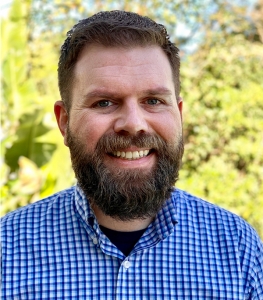 Curt Widhalm, LMFT
Curt Widhalm is in private practice in the Los Angeles area. He is the cofounder of the Therapy Reimagined conference, an Adjunct Professor at Pepperdine University and CSUN, a former Subject Matter Expert for the California Board of Behavioral Sciences, former CFO of the California Association of Marriage and Family Therapists, and a loving husband and father. He is 1/2 great person, 1/2 provocateur, and 1/2 geek, in that order. He dabbles in the dark art of making “dad jokes” and usually has a half-empty cup of coffee somewhere nearby. Learn more at: http://www.curtwidhalm.com
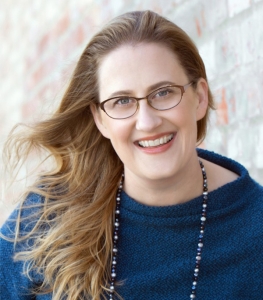 Katie Vernoy, LMFT
Katie Vernoy is a Licensed Marriage and Family Therapist, coach, and consultant supporting leaders, visionaries, executives, and helping professionals to create sustainable careers. Katie, with Curt, has developed workshops and a conference, Therapy Reimagined, to support therapists navigating through the modern challenges of this profession. Katie is also a former President of the California Association of Marriage and Family Therapists. In her spare time, Katie is secretly siphoning off Curt’s youthful energy, so that she can take over the world. Learn more at: http://www.katievernoy.com
A Quick Note:
Our opinions are our own. We are only speaking for ourselves – except when we speak for each other, or over each other. We’re working on it.
Our guests are also only speaking for themselves and have their own opinions. We aren’t trying to take their voice, and no one speaks for us either. Mostly because they don’t want to, but hey.
Join the Modern Therapist Community:
Podcast Homepage | Therapy Reimagined Homepage
Facebook | Facebook Group | Instagram | YouTube | LinkedIn | Substack
Consultation services with Curt Widhalm or Katie Vernoy:
Connect with the Modern Therapist Community:
Our Facebook Group – The Modern Therapists Group
Modern Therapist’s Survival Guide Creative Credits:
Voice Over by DW McCann https://www.facebook.com/McCannDW
Music by Crystal Grooms Mangano https://groomsymusic.com
Transcript for this episode of the Modern Therapist’s Survival Guide podcast (Autogenerated):
Transcripts do not include advertisements just a reference to the advertising break (as such timing does not account for advertisements)
… 0:00
(Opening Advertisement)
Announcer 0:00
You’re listening to the Modern Therapist’s Survival Guide, where therapists live, breathe, and practice as human beings. To support you as a whole person and a therapist, h ere are your hosts, Curt Widhalm and Katie Vernoy.
Curt Widhalm 0:15
Welcome back, Modern Therapists. This is the Modern Therapist’s Survival Guide. I’m Curt Widhalm, with Katie Vernoy, and this is the podcast for therapists about the things that go on in our practices, the things that go on in our world, and this particular episode is also about the things that go on with this show. So we have been kind of talking in a few different episodes about some changes that we’re doing to the formatting of the show, we also wanted to kind of highlight that we’ve been doing this for about nine years, and we wanted to come back to really talking about what our show is all about, what all of the work is that we do, and the guiding principles that we have as modern therapists, and what we hope that you, as our modern therapist community, come to appreciate, and we’re just gonna lay that all out here in this episode, so it might also help for people to get to know us in a way that helps to frame where we’re coming from and what our backgrounds are. So, I’m Curt Widhalm, I’m a licensed marriage and family therapist in the Los Angeles area, I run a group practice called Real Honest Therapy, and I’ve been practicing for nearly 20 years at this point, i f you count back to my pre-licensed hours, definitely at this point. I have served in a number of roles within our profession. I’ve taught at several universities in the Los Angeles area. I’ve served on the California Association of Marriage and Family Therapist board of directors. I’ve served as the chair of the same organization’s ethics committee. We’ve done our podcast, we’ve I’ve been to Sacramento and Washington DC, working on legislative advocacy, and I’m sure that I’m forgetting a whole lot more. B ut having worked in education in writing some of the test questions for licensure for the California Board of Behavioral Sciences, and serving as an expert witness because of the wide variety of backgrounds that I have brought. I’ve seen a lot of aspects of this profession, from agency work to private practice to group practice to supervision to teaching. I’ve been around, I think, is what I’m saying. And so thankful that I’ve been around a lot with you.
Katie Vernoy 2:56
Well, that’s very sweet. I guess I can introduce, reintroduce myself again. So I’m Katie Vernoy. I’m a licensed marriage family therapist as well. I’m licensed in California and Arizona. I have permission to practice in Florida as well. And my private practice, I have a solo practice in the South Bay of Los Angeles, so we’re on either end of the Los Angeles gigantic urban sprawl. And I think where I draw a lot of what we talk about is both my individual practice. I’ve also supported clinicians in starting and expanding their practices as I guess kind of a business coach. But before I jumped into private practice, I was working in community mental health for a very long time. I, my last role was as a division director for large division, you know, multi million dollar budget, 40 plus employees, and I was working in South Los Angeles, doing intensive services, which is the highest needs and oftentimes the most flexible and responsive treatment models, and so that was wrap around and full service partnership for anybody that knows those things, and working with a lot of different types of practitioners, both therapists as well as other folks within the field, and understanding in a broader sense how the mental health system works especially for folks who are typically minoritized or marginalized or oppressed, and so coming from that place, when I jumped into private practice, into my own business, I immediately jumped into leadership and the professional association and worked my way up to being president of the California Association of Marriage and Family Therapists, and was able to really, you know, work through a time that was very interesting. Went to, as you did, and even we did some of this together, went to Sacramento, went to Washington DC, did a lot of advocacy. We were part of getting MFTs able to be part of the VA. We’re part of getting MFTs and, and counselors actually into Medicare, and I feel like that that experience of being involved in a professional association really continued to bring me back to why I became a therapist, and recognizing that from my own burnout story, that’s why I moved from community mental health into private practice, I was able to identify systemic issues, sustainability issues, and have largely put a lot of the work that I do with clinicians, especially, but also other leaders, executives, and others in creating sustainable careers. Finally, at this point, I am also on Curt’s Ethics Committee. He is the chair, and as we always say, we are not speaking for the CAMFT Ethics Committee, but that is something that is informing our ideas and how we show up in the world. And so I think both of us have had experience of supervision, supervision of supervision. We’ve been in a lot of different arenas where we have seen the way that the profession continues to evolve and grow, and I guess the last, last thing I’ll stop here, I promise, is that I’ve done a lot of the work for the podcast to connect with potential partners, sponsors, and so I’ve learned a lot about the technology, the folks who are beginning to try to shape our profession, both for the good and the bad, and have gained a lot of knowledge around how the business of therapy works.
Curt Widhalm 6:46
As we’ve been kind of doing more theme months, doing some more episode sprints. We’re going to dive into some of these various topics over the course of some of our upcoming months and shows over the near future to be able to get more in depth like we have been lately, so consider these the modern therapist standards, principles, and no goes.
Katie Vernoy 7:10
Before we jump in, I just wanted to mention that the reason that we’re doing this now is, as Curt, you said, that nine years almost, and our intro into what the modern being a modern therapist is, and all of that stuff, i t is so old at this point, it is pretty dated, and it’s something where I think we’ve both shifted in the past almost nine years, and we’ve learned a lot. I mean, that’s almost 500 conversations. It’s been a lot for us to dig our teeth into, and to sort through. What are the themes that keep coming up? What are the things that we want to make sure that therapists, at whatever stage of their career, are aware of both in why we’re doing what we’re doing, but in also creating a career that’s more sustainable, more effective, more enjoyable, and so the first principle that I’ll jump into is that therapists are human first. And this almost seems passe at this point, because it is such a thing that’s been going on in the last several years, but when we first started, it seemed revolutionary that we weren’t blank slates, that we could not be blank slates. T he foil of that is that there’s this concept of therapist’s neutrality that I think is truly more of a myth than a reality. I think we want to be able to show up in a way that is welcoming and open to a client, but I don’t think that we can be completely neutral, and so we’ll go into this in more depth, but I think that there’s an importance for us to recognize that we’re going to make mistakes, we’re going to be uncertain, we’re going to grow and change, and our identity, our culture, our specific lived experience is part of who we are as therapists.
Curt Widhalm 9:19
And I would like to expand that this is also with the proliferation of the way that our industry has changed, the ways that corporate America is taking over the aspects of businesses, the ways that reimbursement rates get lowered, the ways that artificial intelligence shows up, is that we are still humans in part of this process, and no matter how much more of a return that we are being asked to give for even less money, that we maintain that this is a primary focus of what we incorporate within our work and take into account as we go into being able to operate in the world that we’re in. S o I think that there’s an evolution of this as a principle, not just an expansion of what we had started talking about when we first started publishing to people’s podcasts.
Katie Vernoy 10:24
Yes, that makes sense.
… 10:26
(Advertisement Break)
Curt Widhalm 10:26
The second principle is sustainability is a fundamental responsibility. T hat if we are burning ourselves out, if we are putting ourselves into situations where we can’t show up day after day to be able to do our jobs, whether that be emotionally, whether that be financially, that we want to make sure that we are putting into place systems that allow for us to be able to operate well and to be able to implement that as best as we can on an individual level, i f you’re able to implement that into your workplace levels, this helps to keep us in the workforce to be able to do the things that we’ve spent a lot of time and money investing in ourselves in order to not only do but to actually thrive within this profession.
Katie Vernoy 11:23
I think the thing that I found for myself that we’ve put as a no-go is it’s very easy to be a martyr, to self-sacrifice, to overwork, to almost pride ourselves on financial instability as markers of dedication, or even being ethical in our practice, like I will not abandon my clients, even if they can’t pay me anything, those types of things, and so I’m sure our listener, longtime listeners, have heard me say over and over again that we cannot martyr ourselves, that therapist martyrdom, sacrificial helping is is absolutely not sustainable, and is really a horrible way to practice, because you won’t be able to keep doing it.
Curt Widhalm 12:11
And I think that part of this too is really looking at the exploitative business models. Y ou know, over the years, we’ve talked a lot about, especially for early career clinicians who are at their most financially vulnerable, having to take jobs that are happy to exploit them, to convince them that they should be happy to be exploited.
Katie Vernoy 12:36
Yes.
Curt Widhalm 12:37
But these are definitely spaces that we want to continue to call them out and make the systemic changes in order to be able to not eat our young in this profession.
Katie Vernoy 12:50
Which is so horrible, it’s so bad. And as we’re talking through this, I’m thinking about our back catalog, which has so many episodes on all of these things, and what I’ll try to do is in the show notes for this episode. I’ll put together different links to try to dig deeper on some of these things and look at the historical record of where we’ve stood on these things, especially the exploitative business models. When I’m thinking about our episode about supervision requiring being paid and all of the work that we did in our advocacy. Shifting to our third principle, clinical depth over simplification. I think this is self-explanatory, and I want to really point out that with the rise of influencer style psychology and the decrease in attention spans and those types of things, I think it becomes even more important for all of us to make sure that we’re grounding ourselves in strong clinical practice, that we’re doing our own work, so we can be present and actually do the deep dives, the bigger work, the more important work. You’ve also talked, Curt, about when we’re looking at being replaced by AI, or if we’re looking at being in competition with big tech, that the way that we stay relevant is to be able to do deep work with clients who have more complex diagnoses. A nd so this is something that I’m really excited about, the sprint, or whatever we’re going to call it, with clinical depth, because we’re able to talk to some folks who have really deep, deep knowledge, wonderful perspectives on clinical work, and just being able to really take it all in and talk about things that I think potentially get lip service in grad school sometimes.
Curt Widhalm 14:51
And I see a lot of this discussion in the broader internet discussions, the about, t he proliferation of influencers or effects on our field, effects that they have on our clients, and expectations on what therapy is, and we engage mostly in long form content on this podcast. Well, we’ll occasionally jump into some of the shorter, simplified things for advertisements, a lot of it does point back to our longer form depth pieces. A nd I think that this is also just our audience’s permission, that just because somebody’s popularizing something in an online media space doesn’t mean that you have to. T hat there is spaces for success, and just because you’re not out there doing whatever the newest dance is in front of, you know, some AI-generated topics that you point to, that it doesn’t mean that you’re a bad therapist, it means that you’re spending your time not making eight second reels for likes.
… 16:09
(Advertisement Break)
Curt Widhalm 16:09
Our next principle is something where it felt passe for a while, and then it feels odd that we’re having to say this again.
Katie Vernoy 16:20
Yep.
Curt Widhalm 16:21
Representation and inclusion strengthen our field, and we’ve been on this bandwagon. We’ve been part of this charge from our very beginning, and we saw a lot of rise of this, not only in our field, but across a lot of fields, and then the political landscape has changed and pushed a lot of inclusion and just a lot of additional barriers that are making just all aspects of life worse by not being diverse. S o representation and inclusion strengthen us. Having the diverse viewpoints makes it to where it does feel broader. It does make it to where having more people with access to not only our services but also to becoming part of our field is what makes our field sustainable. It is what makes things better for people at all levels.
Katie Vernoy 17:29
I think the other piece to that are our efforts to try to fill some of the gaps around different populations of folks who come into therapy, where we weren’t taught about how to work with folks in grad school, and there’s really wonderful conversations that we’ve had, and continue, and get to continue to have with folks with lived experience that can help to give us new perspective and help us to show up in a more open and, and affirming way, and so to me, there’s there’s the importance of diverse perspectives, identities, voices at all levels, both in the clinical work that we learn how to do, as well as in who’s speaking in trainings and who’s in our field. And so I think whenever we see gatekeeping or elitism and are able to do something about it, I think we wanted to address that. We want to make sure that we’re continuing to work to to make sure that at least for the things that we have control over in our podcast that that we’re we have all the folks at our table. T he next principle system shape practice I think probably relates to a whole bunch of stuff for us.
Curt Widhalm 18:57
Anything that we can throw the word system at, we will blame it on that.
Katie Vernoy 19:02
But I think if we look at the systems that impact our clients, the systems that impact us, the systems that impact the world, and how we operate within it, I think it’s really important that we make sure that we are recognizing the systemic influences because when we don’t, it becomes oftentimes the challenge of taking individual responsibility for systemic problems, or the kind of thing where people expect therapists to just self-care their way out of stuff, which is just wrong, it’s just not possible. We do have individual responsibility, but we also really want to honor the systems that will not honor the systems, honor that there are systems at work.
Curt Widhalm 19:55
And wherever possible, we work to change those systems. T hat we take action to be able to try to change the systems, we don’t just sit around and complain about the systems that are there, but Katie and I do have a long history of advocacy, both for our field, about our field, about the clients’ accesses that we have to our field. T hat working on changing the systems, does take all of us to be able to bring some united voices together, and when we acknowledge that systems shape our practices, that we also have to work wherever possible to dismantle those systems in order to be able to make things more equitable, make things, you know, better for being sustainable. It’s almost like all these principles tie together.
Katie Vernoy 20:49
Well, I was just thinking that that the next one that we should mention is that therapists are stewards of the profession. You and I have always been involved in advocacy, in the different roles that we have had, and I think most recently in our professional association. But we, we have throughout the podcast encouraged advocacy, leadership, and professional engagement without professional shaming or policing. So come together, work towards the profession, and let’s call each other in. Let’s do the work to make the profession better.
… 21:27
(Advertisement Break)
Curt Widhalm 21:30
Over and over again , I get asked about why I do what I do. And how is it that I am able to do all the things that I do. And I think that this is really something where it’s, I didn’t start by doing all of the things that I do. Whether it be ethics committees, whether board work, whether it be advocacy, and legislative work. That you start by just doing something. And…
Katie Vernoy 22:01
Yeah.
Curt Widhalm 22:02
…you know, for all of the spaces within our ethics codes that encourage pro bono kind of work, it doesn’t mean it necessarily has to be one on one clinical work. Some of the pro bono work that we can do can be macro systemic work, it can be advocacy, and it can be something that does open up other opportunities for you, and that might in some ways be more sustainable for you. Again, all of our principles kind of come together.
Katie Vernoy 22:32
Yeah.
Curt Widhalm 22:33
But these are things that help us to show sustainability, to help us be able to lift up, to be able to be a part of something bigger than yourself, and it doesn’t necessarily mean that everything has to be moving mountains all on your own.
Katie Vernoy 22:54
Yeah.
Curt Widhalm 22:55
And that leads us to our last principle, which is that’s how we get the profession to evolve with the world. T hat when we started out nine years ago telehealth was maybe an option, and it was something that for a lot of places was kind of discreetly done without necessarily a lot of support, and the world has changed a lot, and it’s going to continue to change, and client needs are going to change, and we have to change along with it, and we do that thoughtfully, we do it with thoughtful embrace. T hat there there is going to be change. There’s going to be societal changes. There’s going to be more technological changes. We need to innovate, and if we stop innovating, then we’re just grasping onto a world that we wish continued to exist.
Katie Vernoy 23:57
And I think that the biggest piece is that critical thinking. It’s not having fear-based rejection or unexamined enthusiasm. I think it’s looking at what makes sense, what works for me, what works for my practice in the way that I work, and how do I support the ongoing evolution of this profession within the world as it exists? A nd some of those things are hard truths. Some of those things are not universally agreed upon, and I think we’re inviting those conversations and making sure that we’re asking the hard questions about what’s happening next, what’s coming to our field, because there are some things that provide existential threats to our profession, and there are things that are potentially changing our profession in ways that are both good and bad, and there’s some stuff that maybe makes our profession even more amazing to be a little cheesy about it. And so I think continuing to stay up to date is important for both you and I, and I think it’s something that we want to share with our audience, so that they can do their own due diligence, can benefit from our thoughts and perspectives, and the due diligence that we’ve done, and we honor that people are going to make their own choices, and we want them to, but it’s we want it to come from a place of understanding and critical thinking.
Curt Widhalm 25:21
We want you to be a part of this community, not just people who love the words that we say. We appreciate you too. We do want you to be embracing these in whatever ways that you can. Start somewhere with them, and that can be in any of the kinds of actions, interact with us on our social media, we have our Facebook group, the Modern Therapist Group, to be a part of some of these ideas and take some some opportunity to be able to connect within our community as well, and hopefully embrace some of these principles in the ways that you can.
Katie Vernoy 26:04
And if you have ideas around some of the deep dives that we might be doing going forward, feel free to reach out to us. You can send us emails, podcast @therapyreimagined.com, you can mention things in the group, you can comment and rate, review all those things on our on our podcast platforms. But we have created, I think, I don’t know how many, but like a ton of episodes based on things that listeners have written in, and we’ve answered and and created one or five episodes based on some of the stuff people have mentioned or questions they’ve asked. S o this is really something where we’re inviting you or reinviting you to be engaged with us in this ongoing journey that we’re doing as the Modern Therapist’s Survival Guide.
Curt Widhalm 26:56
And until next time, I’m Curt Widhalm with Katie Vernoy.
… 26:59
(Advertisement Break)
Announcer 26:59
Thank you for listening to the Modern Therapist’s Survival Guide. Learn more about who we are and what we do at mtsgpodcast.com You can also join us on Facebook and Twitter, and please don’t forget to subscribe, so you don’t miss any of our episodes.




SPEAK YOUR MIND