
Sustainability Is a Fundamental Responsibility: Therapist Burnout, Moral Injury, and the Systems We Practice Within
Curt Widhalm, LMFT, and Katie Vernoy, LMFT open a new set of conversations on the modern therapist principles, beginning with one that shapes almost everything they talk about: sustainability is a fundamental responsibility. Paired with a companion principle, that therapists are human first, this conversation asks what it actually takes to build a sustainable career in a profession that is changing faster than most of us can keep up with.
Nine years into the show, Curt and Katie return to a question they keep circling back to. If burnout is a systemic problem, why does the responsibility for solving it keep landing on individual clinicians? They talk honestly about martyrdom, moral injury, and the seductive corporate language now shaping the field, and they name the specific places where sustainability tends to break down.
Click here to scroll to the podcast transcript.Transcript
(Show notes provided in collaboration with Otter.ai and Claude AI.)
In this podcast episode: Therapist Burnout, Sustainability, and the Limits of Individual Responsibility
This episode kicks off a short series on sustainability, and it starts with the tension at the center of the principle. You are responsible for practicing competently and ethically, which includes staying well enough to do the work. And yet so much of what makes the work unsustainable, from shrinking reimbursement and vertically integrating insurance companies to platform consolidation and constant collective crisis, sits entirely outside your control. Curt and Katie hold both of those truths at once. They look back at nine years of conversations about the burnout system, walk through the ways sustainability actually gets hindered, and make the case that moving out of isolation and toward community is one of the few things that reliably helps. Along the way they get honest about how slow change has been, why the usual calls to action feel insufficient, and what a more collective response to the profession’s problems might eventually require.
Key Takeaways for Therapists: Sustainability, Burnout, and Systemic Responsibility
“The harm to therapists that we face by continuing to have to engage in the system the way that it is, it is an actual ethical problem when the therapists are harmed, and that then ends up affecting clients.”
– Curt Widhalm, LMFT
- Sustainability is a both/and. Building a sustainable career means navigating the system as effectively as you can right now while also working to change the system so it stops producing burnout in the first place. Neither half is optional.
- Burnout is not a personal failing. Naming burnout as a systemic issue was genuinely groundbreaking when the show started nine years ago. It still matters, because so much of what gets sold to therapists frames sustainability as your individual job to “charge your worth” and fix your own schedule.
- Sustainability tends to break down in four places. Too much work, not enough of the right work, work that betrays your values, and isolation each erode sustainability differently and call for different responses.
- Moral injury cuts the deepest. When financial instability and systemic constraints keep you from doing the job you signed up for, the resulting moral injury is often harder to sit with than sheer overload.
- Isolation is structural, not a personality trait. Therapists carry a lot they cannot process with people outside the field. Building community on purpose, through consultation groups, networks, and professional relationships, is one of the most reliable protections against burnout.
- The calls to action are still forming. Professional associations are legally limited in ways guild-style organizations are not. Real collective change may require structures the profession does not yet have, along with some discomfort most of us would rather avoid.
“You are responsible for your work, but you’re not responsible for the system that is negatively impacting it.”
— Katie Vernoy, LMFT
Sustainability as Both a Personal and Systemic Responsibility
The principle sounds simple until you try to live it. Some ethics codes treat building a sustainable career as a professional obligation, and there is real truth in that. If you are too depleted to practice competently, that becomes an ethical problem that eventually reaches your clients. But Curt and Katie are careful not to let that obligation collapse into self-blame. You can be responsible for your own work without being responsible for the reimbursement cuts, the platform consolidation, or the pace of change that make the work harder every year. Holding both at once, radical acceptance of what the system currently is alongside a refusal to accept that it has to stay that way, is the heart of this principle.
Four Ways Sustainability Gets Hindered
Katie offers a simple framework for noticing where your own sustainability is under strain.
- Too much work. Larger caseloads, often driven by falling insurance rates, lead to compassion and empathy fatigue and vicarious trauma, especially when paired with the shared trauma so many of us are carrying right now.
- Not enough of the right work. Endless insurance chasing and routine paperwork, or a caseload too full for deeper clinical work, can leave you bored and depleted rather than overloaded.
- Work that betrays you. Moral injury, financial instability, and systemic constraints show up when the job stops resembling the one you signed up for.
- Isolation. Much of what therapists carry cannot be shared with people outside the profession, which makes solo practice quietly lonely in a way that compounds everything else.
Isolation and the Case for Building Community
Of the four, isolation may be the one therapists are least likely to name out loud. You cannot debrief a hard session with most of the people in your life, and the relief of talking shop with someone who actually gets it is easy to underestimate until you have it. Curt and Katie both describe how much a solid consultation group or a strong network changes the experience of the work, not just clinically but personally. This is not something you can white-knuckle alone. Building community is a strategic act of sustainability, and it is worth being intentional about at whatever level you need it.
What Collective Action Could Look Like for Therapists
Curt and Katie are candid that nine years of talking about systemic burnout has not fixed it, and that the polished language coming from platforms and insurers can make real change feel further away rather than closer. They point toward longer-horizon possibilities, including guild-style organizations that could do what professional associations legally cannot, while acknowledging that much of this is groundwork for people earlier in their careers to build on. The invitation is less “here is the solution” and more honest company for the problem, plus an open door for anyone serious about organizing toward something better.
Curt closes by borrowing from Audre Lorde, invoking her arguments that the master’s tools will never dismantle the master’s house and that caring for oneself is not self-indulgence but self-preservation, even a political act.
Resources on Therapist Sustainability, Burnout, and Moral Injury
We’ve pulled together resources mentioned in this episode and put together some handy-dandy links. Please note that some of the links below may be affiliate links, so if you purchase after clicking below, we may get a little bit of cash in our pockets. We thank you in advance!
- The Fifty-Minute Hour (consultation with Curt or Katie): therapyreimagined.com/consultations-for-modern-therapists
- Workshops for Modern Therapists: therapyreimagined.com/workshops-for-modern-therapists
- Curt Widhalm, LMFT, Real Honest Therapy: realhonesttherapy.com
- Katie Vernoy, LMFT, Therapy Practice & Consultation: katievernoy.com
- The Modern Therapist Group on Facebook, where the listener discussion on the current state of burnout referenced in this episode took place: facebook.com/groups/therapyreimagined
- Audre Lorde’s writing on self-preservation and systemic change, referenced by Curt near the close of the episode: The Master’s Tools Will Never Dismantle the Master’s House
Relevant Episodes of MTSG Podcast
- What It Means to Be a Modern Therapist: The Principles That Guide Our Work
- Topic: Burnout
- Topic: Self-Care
- The Burnout System
- Addressing the Burnout System
- Are You Too Burned Out to Work? An ethical assessment of therapist burnout and impairment
- Are You Burned Out or Are You Bored?
- Choosing Yourself as a Therapist: Strategies to address burnout, compassion fatigue and vicarious trauma, An Interview with Laura Reagan, LCSW-C
- Designing a Sustainable Therapy Career: Reflections on Burnout, Legacy, and Letting Go
- When Burnout Ends Your Therapy Career: An Interview with Ofra Obejas
- What Should Not Be Normalized in Our Profession?
- Why Therapists Stop Working with Kids and What It Takes to Stay: Sustainability, Boundaries, and Pivots for the Long Haul
- Why You’re Exhausted in Private Practice: The Hidden Work Behind the Client Hour
- Burnout Recovery in a Failing System: ACT, Moral Injury & Reclaiming Agency – An Interview with Shaina Siber, LCSW
- Burnout or Depression
- All Kinds of Burned Out
- Compassion Fatigue, An Interview with Jennifer Blough, LPC
- How Do Therapists Manage Intense Caseloads?
- Thriving Over Surviving: Growing a Practice without Burn Out – An interview with Megan Gunnell
- We Can’t Help Ourselves
- Impaired Therapists
- Managing Vicarious Trauma: An Interview with Laura Reagan, LCSW-C
- Pursuing Happiness as a Therapist: An interview with Stevon Lewis, LMFT
- Seeking Purpose Beyond Accomplishment: An interview with Kasey Compton
- REPLAY Structuring Self-Care
- Structuring Self-Care
- Navigating Client Crises When Your Own Life Hits Hard
- How Therapists Can Manage a Sedentary Job: An interview with Celina Caovan, DPT
- How Therapists Can Actually Rest During the Holidays: Letting Go of Guilt, Productivity, and Instagram-Worthy Expectations
Meet the Hosts: Curt Widhalm & Katie Vernoy
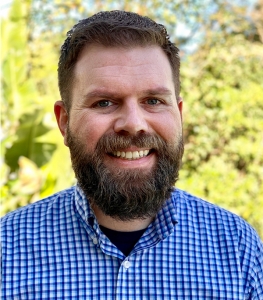 Curt Widhalm, LMFT
Curt Widhalm is in private practice in the Los Angeles area. He is the cofounder of the Therapy Reimagined conference, an Adjunct Professor at Pepperdine University and CSUN, a former Subject Matter Expert for the California Board of Behavioral Sciences, former CFO of the California Association of Marriage and Family Therapists, and a loving husband and father. He is 1/2 great person, 1/2 provocateur, and 1/2 geek, in that order. He dabbles in the dark art of making “dad jokes” and usually has a half-empty cup of coffee somewhere nearby. Learn more at: http://www.curtwidhalm.com
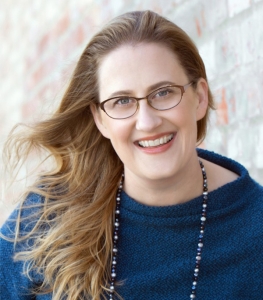 Katie Vernoy, LMFT
Katie Vernoy is a Licensed Marriage and Family Therapist, coach, and consultant supporting leaders, visionaries, executives, and helping professionals to create sustainable careers. Katie, with Curt, has developed workshops and a conference, Therapy Reimagined, to support therapists navigating through the modern challenges of this profession. Katie is also a former President of the California Association of Marriage and Family Therapists. In her spare time, Katie is secretly siphoning off Curt’s youthful energy, so that she can take over the world. Learn more at: http://www.katievernoy.com
A Quick Note:
Our opinions are our own. We are only speaking for ourselves – except when we speak for each other, or over each other. We’re working on it.
Our guests are also only speaking for themselves and have their own opinions. We aren’t trying to take their voice, and no one speaks for us either. Mostly because they don’t want to, but hey.
Join the Modern Therapist Community:
Podcast Homepage | Therapy Reimagined Homepage
Facebook | Facebook Group | Instagram | YouTube | LinkedIn | Substack
Consultation services with Curt Widhalm or Katie Vernoy:
Connect with the Modern Therapist Community:
Our Facebook Group – The Modern Therapists Group
Modern Therapist’s Survival Guide Creative Credits:
Voice Over by DW McCann https://www.facebook.com/McCannDW
Music by Crystal Grooms Mangano https://groomsymusic.com
Transcript for this episode of the Modern Therapist’s Survival Guide podcast (Autogenerated):
Transcripts do not include advertisements just a reference to the advertising break (as such timing does not account for advertisements)
… 0:00
(Opening Advertisement)
Announcer 0:00
You’re listening to the Modern Therapist Survival Guide, where therapists live, breathe, and practice as human beings. To support you as a whole person and a therapist, here are your hosts, Curt Widhalm and Katie Vernoy.
Curt Widhalm 0:16
Welcome back, Modern Therapists. This is the Modern Therapist Survival Guide. I’m Curt Widhalm with Katie Vernoy, and this is the podcast for therapists about the things that go on in our professions, the things that happen, and the work that we do. And we are coming back to the modern therapist principles – the things that hold our show together. The things that, when we got together and started this podcast, we said, “Damn it! We want people to understand these things.” And in being able to go through this, we are coming to our principles as we introduce each of these sprints, little series of episodes that kind of show how these things fit together in our profession. And believe it or not, after, you know, we had spent a month or so talking about artificial intelligence in therapy, we’re coming back and we’re reasserting principle from modern therapists: therapists are human first.
Katie Vernoy 1:21
And also that sustainability is a fundamental responsibility. The principle that we’re actually doing right now-that’s a bit more of the focus-is about burnout. I mean, I think you’ve gone on Reddit a few times, and it seems like that’s where we get cited the most. Folks are listening to our our stuff and saying, “Man, I’m burned out.”
Curt Widhalm 1:46
Yeah.
Katie Vernoy 1:44
And so putting the these two principles together-that therapists are human first and sustainability is a fundamental responsibility-I think it’s important. And and so, what do we mean by that? the The idea that our, it is our job to create a sustainable career is interesting because it’s in some ethics codes. We’ve talked about that. It’s also in this notion that we have a responsibility to ourselves, to our clients, to the profession to do it right, and that’s such an individual focus. Anybody that’s listened to us for any period of time understands that that’s not how we operate. We recognize that therapists are human first, thus our our principle there, and that we’re impacted by the systems around us. And so, when we’ve talked about it in the past, we’ve talked about it as this both/and. We need to navigate the system as it is as effectively as we can, and we need to work to shift the system to be more sustainable. And my hope in this episode is that we’re able to get to some of what we’ve talked about and explain this a bit more with some of the back catalog and and what we’ve talked about in other places, but I also want to talk about the current state of where we all are. I put a thing out in our our Facebook group, the Modern Therapist Group, and we got some interesting responses around how people are experiencing the profession and the sustainability of the profession now, and so we’ll go into some of that later. But my take to start out is things are changing very quickly with AI. Insurance companies are…
Curt Widhalm 3:23
Vertically integrating.
Katie Vernoy 3:37
Vertically integrating-that’s a good way to put it. And the work that we did even a couple years ago is very different than the work is now, and we are in a constant state of trauma and crisis in the world. You and I are in a country that’s at war. There, there’s ongoing difficulties that I think a lot of folks are facing, and we are in it with our clients in a way that I don’t feel like I I felt as much in the middle of my career. I realized as I was talking about it, I started my career on 9-11, so so there was a shared trauma there too, but I think there’s this this piece of life is a lot right now. Our profession is a lot, and so it makes sense for us to do this episode to talk about what do we mean in this principle, but also to put words to what we’re going through as a, as a collective right now.
Curt Widhalm 4:41
In eight years, why haven’t we fixed this? I mean, we’ve done a number of episodes on this in the past, and you know, the, we actually, you know, I know that I say things humorously sometimes, just for a point of emphasis. But we actually have millions of downloads, so out of the millions of listens that we have done, obviously one of our listeners out there didn’t follow through on changing the system, and you know who you are, and it’s all your fault as the individual. Yes, you. You. If if you think it’s you, it is absolutely you. All kidding aside, we have done a number of episodes on this in the past. We either directly, but woven into the fabric of our show, we talk about therapist well being. We talk, we’ve talked about how the entirety of our professionality is based in you have to be competent and not harming clients.
Katie Vernoy 5:53
Yeah.
Curt Widhalm 5:53
And we we you and I have done things. We’ve we’ve gotten professional organizations to make statements about pay and increasing systems, we’ve talked with people in unions that are on strike. We’ve done a lot to be able to not do anything, and that that is a laugh of exasperation. That is, and we’re not going to quit because we still stand by this in all of the changes that you’re talking about. The harm to therapists that we face by continuing to have to engage in the system the way that it is, it is an actual ethical problem when the therapists are harmed, and that then ends up affecting clients.
Katie Vernoy 6:46
Yes, and I think the the piece that I want to add to it is that the mechanism to try to change things is this collective, and yes, we’ve got our millions of downloads, and our listeners should all be banding together and doing stuff. But in truth, we we don’t have that infrastructure like professional associations do, or unions, or those types of things. And so, when everything, even in the work that we do, like on our ethics committee, which, as I’ve said many times, we’re not speaking for them, but we’re enforcing these types of things at an individual level, and so when we put the impetus on individuals to do this work, even when the system doesn’t really support them in doing it, it becomes about martyrdom, or you know, I’ve called sacrificial helping, and we keep band-aiding the system because the work is so important. We’ve had conversations about whether or not we should band-aid the system on who we help and how we help. I’m thinking about the episode about working with kids in Texas, and so it’s it’s something that allowing the system to fail feels awful, but in band-aiding the system, we are failing ourselves many times.
Curt Widhalm 8:20
I agree, and I think that you know when, as you’re talking about this, that when we make any of the individuals responsible-the ethics code, investigating people, licensing board, disciplining the individual actions-we’ve done episodes where agencies have literally told people not to do things, and the individual is the one who gets in trouble for it. So it is there, and that’s because the systems that we work in are not held responsible, or they’re held responsible, you know, in ways that don’t really have any meaningful impact in changing what it does to us as the workforce, and not everybody is going to be able to be able to go and launch a private practice that is completely free of operating under other systems. Because even some of the people who are going to go into private practice are under the insurance systems, or under…
Katie Vernoy 9:23
Platforms.
Curt Widhalm 9:24
Exactly. So that those machinations, the the machine that we work for. Why aren’t we raging against it harder? That it is something where the problems that exist, we’ve just kind of, as a field, and even as experienced people, and reflecting in how much I’ve changed since we launched this podcast is just kind of all right, these are systemic issues. What are you going to do about it? Seems to be more and moreof an unfortunate first reaction that’s coming up a lot more. Just as it just is seemingly so unfair that this is the world that we live in, and we’re not really changing it in any impactful way. And in fact, it seems like it’s getting even worse.
Katie Vernoy 10:12
Yeah.
… 10:17
(Advertisement Break)
Katie Vernoy 10:23
So, we’ve done, I’m sure, hundreds of episodes on this in some shape or form. I’ll link to a lot of burnout episodes and advocacy episodes in our show notes over at mtsgpodcast.com. But I think to briefly talk through, we’ve we’ve looked at the burnout system, addressing the burnout machine. We’ve we’ve talked through ways in which the system has impacted our ability to sustain our career. We’ve also talked about individual responsibility. Are you too burned out to work? You know the ethical responsibilities to not be impaired. I know that’s a double negative. I think there’s there’s a lot that we’ve talked about, and I think I’ve been looking through this, preparing for this episode. But if you had to describe Curt without reading anything, without looking anything, just what we’ve talked about related to this principle. What are the what are some of the over overarching pieces of advice or or insight that we’ve shared over the last eight or more years?
Curt Widhalm 11:35
I mean, in so many of our conversations, it’s kind of that radical acceptance of yes, this is part of the system, and what is allowed to happen either something that you create for yourself or something that should happen in the workplace that allows for some kind of sustainable response. What is something that keeps you able to continue doing this job without just getting swallowed up and being another cog in the machine?
Katie Vernoy 12:05
Yeah, the other piece to that has been loudly, vociferously saying it is not solely your responsibility. This is a systemic thing. Which when we first started. I think it’s actually nine years. I’m thinking about this. It’s 2017, so that’s nine years at this point.
Curt Widhalm 12:24
Right. Yeah.
Katie Vernoy 12:26
We wanted people to recognize that being burned out wasn’t somebody’s individual fault, and and that was groundbreaking when we talked about it. It was not how people were framing it, and I think that it jumps back and forth, and and you can’t sell something to a system as well as you can to an individual therapist. Sometimes, so a lot of the ways in which products and and coaching and different things are sold to us is that it’s your individual responsibility to quote unquote charge your worth and create a sustainable schedule and do all these things, and so I think when we stepped forward and said, “Wait a second! Yes, you you have things that you are individually responsible for, but the system is messed up, and and there are some things that you accept, you try to change, you work around, and it doesn’t have some moral implication about who you are and how you’re showing up. I think it it was kind of different. I think most people are are singing similar tunes now, but I think it’s it’s something where listening to some of our early episodes, it feels like people are just starting to get to where we were. Is that weird to say? I don’t know.
Curt Widhalm 13:41
It feels like it’s such a common thing within the field, and you know, I’m not going to say that we invented looking at the systemic burnout ourselves, but it is something where I’m glad to be hearing this echoed more and more across more and more platforms and more and more therapists, and it’s something that what we’ve been doing, and where I’m hoping that as more people are talking about this, is reasonable calls to action on what to do about it, because you know, I think that you and I have done not only a lot of podcast episodes on this, but we have gone in and we have done trainings for agencies. We have done trainings for schools on this kind of stuff, and we don’t get invited back because a lot of times what we’re talking about is, hey, this is a systemic issue. Hey, system, you know, administrator. While you’re listening in here, you need to do these things.
Katie Vernoy 14:49
Yeah.
Curt Widhalm 14:50
That’s the call to action that I’m hoping that comes with this, and some of it, I think, is waiting for the groundswell to continue to develop on this, and recognizing that there is not going to be one system wide answer to this, that there are pieces of this that need to continue to be brought up in the right spaces, not just on social media, but it’s something where action isn’t going to be, you know, we’re not all going to be able to unionize, you know. We’re, but I see that as kind of this thing that’s thrown out there for those places that can – Do. But it’s also recognizing that the professional associations are legally not going to be able to do the things that guild associations that exist in other industries are going to be able to do, but somebody out there should start a guild association for therapists that would be able to do that because it’s a different legal structure. These are the kinds of things that are when these voices are coming up and and echoing these same things now, these are the next steps, and I’m glad that these voices are coming out there. And I really want to help to say, Katie and I are laying a lot of the groundwork, and we’ve been talking about this for years. And people who are serious about doing some of these things, talk with us. Talk more about being able to do this because we want to have this actually be an action that we take.
Katie Vernoy 16:31
I hear you. I agree with you. Part of me was like, “Ooh, maybe we should start the Modern Therapist Guild, and the cynical part of me thinks about when I sit at you know behavioral health tech conferences, and I hear insurance companies and platforms and other things speak to this in a way that’s polished. It sounds really good. This is a way to support the clinician and make sure that we we’re giving the highest quality care, and clinicians can work at the top of their license, and patients will pay less and will have efficiency in the system. The, the platforms and insurance companies that are vertically integrating and doing all these things have the language that’s very seductive around how the profession can be improved and that clinicians’ lives can be improved. Now, do they say that all the time? No. Mostly, they’re talking about patients and and investors. But there’s this element of smooth, beautiful language that comes out that makes it sound like that our our profession is being addressed in this way, and yet I was just on a call earlier today about I don’t know if it was Etna or one of the other insurance companies. One of the big insurance companies is planning to have a therapy chat bot in 2027 to have very low cost initial work before somebody even gets approved for insurance for therapy. So we are in an unchartered territory where what we need to do is not clear, and it makes sense that folks are very confused, very scared. It’s it’s this profession that’s shifting way faster than we can decide how we want to operate within it, and so it becomes really challenging to think about how do we do this. So I know that that’s maybe more cynical than you you were ready for this morning, but I’m just I’m concerned because for myself I have a clear pathway, but it’s an individual pathway. I don’t feel like it’s a collective pathway, and I’m feeling a little bit stuck with that because I I don’t think every person can take my path and build a sufficient caseload and have the the work life balance that I do because of my unique circumstances and the unique practice that I’ve built.
… 18:56
(Advertisement Break)
Curt Widhalm 18:58
There are very few examples in history where the nice corporate language is just met with nice collective language on the other side, without the blunt machinations of strikes and imbalances and uncomfortability, and I think that this comes to where too often, when it comes to advocating for ourselves, we don’t like sitting in that discomfort for too long. And there’s a number of ways that it ends up taking form. Who’s going to take care of the patients while we try to take care of more patients? And and I think that this is you know kind of where you’re talking about you know do we set up the guilds do we you know set up any of the other groundwork for people to build on but we’re very much you and I in this position at this point in our careers where we’re planting the seeds of trees for shade that we’re never going to enjoy, and I think that for those of us who are later in our career, this is the continued work that we need to do, so that way we can remain human and sustainable in this profession, and we’re not just listening to the BS corporate speak or the marketing speak from an ever growing number of online schools that are diploma mills, or anything else that’s selling you on a reality that doesn’t exist.
Katie Vernoy 20:33
Yeah, yeah. Okay, so we went on a little bit of a tangent. So get to get back to the principle. I think there are a few different ways that sustainability can be hindered. The first one is too much work, and so that can be the caseload size, especially as insurance companies are dropping insurance rates. People are feeling the need to take on much larger caseloads that can lead to compassion or actually empathy fatigue. We have a conversation about that in another another interview and vicarious trauma. So that we’re sitting in this place of there is just so much to the work, and I feel like when we pair that with the shared trauma, the lived experience, the disruption that’s happening in everyday life. I think it becomes a lot to manage individually. There’s we’re overwhelmed, we’re exhausted, and we’re we’re having a really hard time showing up in the way that we want to show up. I think there’s the the converse in some ways, which is not enough of the right work. We did a whole episode on bore out, which I totally enjoyed doing. So I’ll link to that in the show notes. But it’s it’s something where if we’re spending a lot of time chasing down insurance claims, if we’re doing a lot of routine paper work or routine clinical work, even, or we have so many cases that we’re not able to sit and do deeper clinical work. It can be exhausting, and it can, and we can get pretty bored pretty fast. The one we’ve already started talking about is the work betraying us, which is moral injury, financial instability, the systemic constraints, and I think when we don’t feel like we can do the job that that we signed up for, and we don’t feel like we’re helping our clients, the moral injury is is the highest, most challenging feeling to face and to experience because it’s it’s sad. I mean, most of us got into this work to help people. Some people got into it for the puzzle or or the you know special interest in psychology. But a lot of folks, that’s where we come, and that’s where the whole martyrdom and the the sacrificial: I’m here to help people. I’m here for the outcomes, not the income. You know those types of things. But when the work starts becoming a weight, a burden, and it’s not what you signed up for at all, that becomes really, really challenging. And then the final one is that there’s that we’re so isolated. There’s nowhere to put all of this stuff. We can’t talk about our clients with most other people. I guess we can with consultants or therapists or that kind of thing. But it’s it’s something where, and I don’t know that we’ve talked about it that much on the podcast. But being a therapist is pretty isolating.
Curt Widhalm 23:36
It really is, and I think that it gets talked about a little bit when people are talking about moving into private practice and just kind of operating on their own. I see a number of posts in various places online looking for consultation groups, but even just thinking about the number of friends that you and I have, or when we get together in friendly, not business sorts of ways, how often we just kind of talk about work in a way that other people, not in our field, don’t really understand, and it’s really something that’s validating about being able to have that shared experience in the way that we go about stuff.
Katie Vernoy 24:24
And that’s something that we can’t do on our own. Like we have to strategically build community to be able to to move out of that isolation.
Curt Widhalm 24:33
And I think that there’s a lot of times that moving out of that isolation kind of comes around the other things that you’re talking about, too much work. I’m feeling uninspired by work. Man, the work really sucks. And is this really what I got into this to do? And sometimes, you know, it’s acknowledging that those are always going to be there and there are better ways that I think that you and I have been able to learn and tried to share as far as coming around to this, and some of it is just having good friends, you know, like you, that we can do this. I mean, how how often have we, you know, set out to you know record a couple of podcasts in the morning, and then we spend 45 minutes not being isolated by just connecting.
Katie Vernoy 25:25
And talking about random stuff. It is very nice to be able to do that because before I had a a solid consultation group, I was doing a lot of networking. I would consult here here and there, but now that I have a solid consultation group, I didn’t realize what I was missing. It’s so nice to have this grounding place to come every other week to sit and talk about clinical cases, but also the person of the therapist and and our lives and and how we show up, regardless of what’s happening in the world, or I guess in light of what’s happening in the world and and what we need to do for for our clients, and so I think it’s it’s important.
… 26:04
(Advertisement Break)
Katie Vernoy 26:04
So before we run out of time, I don’t know if you want to read a little bit of what was put on Facebook about the current state of burnout, but I think one of our listeners, Erica, has some really good ideas. So if you’re not in the group, get in the group. There’s there’s periodically some good conversations that happen in there, but it’s it’s a, I think the burnouts shifted a little bit, and I think that she was able to put some some words to it that were really good.
Curt Widhalm 26:31
What gets discussed a lot is just the competence in our field is often delayed. You know, we’re talking about things that you and I have done when we first launched the podcast nine years ago, and things that we did five years ago, eight years ago, whatever it might have been, and just how long it takes for some of these things to actually come into place. You know, we talk about a lot of these things so much on the podcast that sometimes it feels weird to me when people are expressing to me their excitement about learning some of this stuff new, and I’m like, “Oh my god, I talked about that eight years ago, and I’m, I’m really glad that you’re learning about it now. But I really wish that we had an audience that really was able to help get this out there even faster, even sooner. And so, by the time that some of the things that we talk about end up getting there, leads to the the Facebook comment that so much of this is by the time so many people in our workforce are learning things. Is it? It’s building the plane while flying it, and how draining that is, rather than here’s all of the materials and here’s the instructions on how to do it, and here’s how you know that it’s ready to take off.
Katie Vernoy 27:56
Well, and I think some of it is is the the lack of comprehensive training that can happen in some of our grad programs or training programs. I think the other part is the phrase that I think we used too many times in 2020, but continues to be true: the unprecedented times and the acknowledgement of lived experience and the the challenges of understanding things that, as a society, we’re finally recognizing or that are getting worse, frankly. And there’s the the dangers that a lot of our clients and ourselves face in the current environment. And so another piece of it is is looking at the shared trauma, the lived experience, and that there’s not there’s not an end in sight. It’s not a distinct: Here is a shared trauma, and we’re going to work through it. It’s there’s there are new traumas almost every day for some of our clients, or new risks or new fears, and that that also applies to a lot of our our clinicians who have to cope with an uncertainty.
Curt Widhalm 29:08
And a lot of this stuff is exacerbated by the more and more centralized that the platforms are making the workforce. That when you have to jump into somebody else’s systems, it has that doubling down and tripling down and quadrupling down on some of these effects, especially when it comes to some of the other things that we’ll talk about in our principles as you continue to listen to our show. Is the the marginalized aspects, the identities that don’t fall into these really systemic ways of working that these larger tech companies are pushing in and making it to where many of the relational aspects that make our profession work actually work.
Katie Vernoy 29:59
And I think the final piece with the employer being a platform is they’re changing how the paperwork is. I’ve got friends and colleagues who are on several platforms, so they have to go into several different EHRs and that kind of stuff, and and document in different ways. And then the the nightmare of this vertical integration, where all of a sudden you’re not able to charge the the code you’ve been charging, so there’s an automatic drop in fee. But they’re also lowering fees for some reason that they feel like is appropriate, and so clinicians who were ready to to really do a lot of work with some of these clients who were seeking the the stability of these platforms are getting screwed, and it’s it’s way too much. I think we just got out of Shark Week slash month AI, so we won’t go as much into AI. But there’s all of the things that we talked about last month with AI being a piece to this too. We’re in small and large part, depending on the person, or or shunning it. Some people adding AI practices into how we operate our practice. That’s a whole learning curve. There’s ethical considerations, there’s legal considerations, and all that kind of stuff. But then there’s also how AI is impacting our profession and what that means for how we work and how our clients engage with the work, and so I guess to to sum up, the work is changing rapidly. The world is chaotic at this point for for lots of people, and we’re still in a space where we’re individually accountable for the work that we do, while recognizing, as you and I do every time we say this, that these are systemic issues that work within them and work to change them. Because you you are responsible for your work, but you’re not responsible for the system that is negatively impacting it. And maybe we need a whole other episode on other things that we can do because this is a big problem that, as you’ve said, in the nine years of this podcast, we’ve not solved.
Curt Widhalm 32:10
Our no goes. No more therapist martyrdom. We don’t have to take on the responsibility of the system, and we’re going to have various levels of abilities to step out of that. But you know, there’s a couple of Audre Lorde quotes that I want to kind of wrap up with, and I recognize and want to frame that originally a lot of what she was talking about was marginalized identities within political movements, particularly around racial and lesbian aspects, but I think that they also fit in what we’re talking about here. The first of which is that we, for the master’s tools, will never dismantle the master’s house. They allow us to temporarily beat him at his own game, but they will never enable us to bring about genuine change, and I think that this is where you can listen to that corporate polished speech all along, and you can try and work nicely within the system. But sometimes you’re going to have to do some disruptive things.
Katie Vernoy 33:16
Yeah.
Curt Widhalm 33:17
Which leads to the other quote that I want to leave with, which is caring for myself is not self indulgence; it is self preservation, and that is an act of political warfare.
Katie Vernoy 33:29
I think we got to have that as a mic drop. That’s awesome.
Curt Widhalm 33:32
You can find our show notes over at mtsgpodcast.com. Follow us on our social media. Join our Facebook group to continue on with this and other conversations. And until next time, I’m Curt Widhalm with Katie Vernoy.
… 33:44
(Advertisement Break)
Announcer 33:46
Thank you for listening to the Modern Therapist Survival Guide. Learn more about who we are and what we do at mtsgpodcast.com. You can also join us on Facebook and Twitter. And please don’t forget to subscribe so you don’t miss any of our episodes.




SPEAK YOUR MIND