

You Can’t Pizza Party Your Way Out of Burnout: Moral Injury, Compassion Fatigue, and Treating Healthcare Workers – An Interview with Kimberly Johnson, PhD, LMHCD, and Lucy Li, MD
If you have had a healthcare worker in your practice, you may have noticed how much of the early work goes to translation. They explain the shift structure, the acronyms, the hierarchy, what actually happens in the room when a case goes badly. And while you are still building a picture of the job, the thing they walked in carrying stays underneath.
Curt and Katie talk with Kimberly Johnson, PhD, LMHCD, and Lucy Li, MD, both board members of the Emotional PPE Project, about what therapists tend to miss when working with healthcare workers. Kimberly brings more than thirty years of clinical experience in trauma, crisis, and disaster mental health along with her work as a counselor educator. Lucy brings her perspective from inside medicine as a pediatric anesthesiologist who sought therapy after her friend and co-resident died by suicide during residency. Together they describe the trifecta of burnout, trauma, and moral injury, why so much of it presents subclinically, and what would actually lower the barriers keeping healthcare workers out of care.
Click here to scroll to the podcast transcript.Transcript
(Show notes provided in collaboration with Otter.ai and Claude AI.)
About Our Guests: Kimberly Johnson, PhD, LMHCD, and Lucy Li, MD
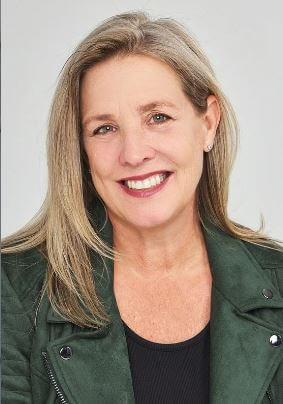 Kimberly Johnson, PhD, LMHCD is the Director of Special Projects and Assistant Professor in the Clinical Mental Health Counseling program in the Department of Behavioral Science, School of Health Sciences at Touro University, and a licensed therapist in the State of New York. With over 30 years of experience as a clinician, Kimberly remains passionate about community-based treatment, direct service, and promoting mental health and wellness. She is certified as a Compassion Fatigue Therapist and Educator, Compassion Fatigue Professional, Field Traumatologist, and a proud Diplomate with the American Academy of Experts in Traumatic Stress. She has served on the board of the Emotional PPE Project since 2020.
 Lucy Li, MD is an attending anesthesiologist in Pediatric Anesthesiology at the Children’s Hospital of Philadelphia and a board member of the Emotional PPE Project. She completed her anesthesiology residency at Massachusetts General Hospital, where she was chief resident. She has a passion for medical education with a particular focus on physician mental health and wellness and diversity, equity, and inclusion initiatives. She loves to travel, try new restaurants and cocktail bars, hike, and critique TV shows.
In this Podcast Episode: Moral Injury, Compassion Fatigue, and Treating Healthcare Workers
Kimberly and Lucy walk us through why healthcare workers are so often misread in the therapy room, beginning with the assumption that they are one population rather than many. Kimberly describes the subclinical presentations therapists tend to move past, the intake questions that surface occupational risk early, and why moral injury is not simply a heavier form of burnout. Lucy describes the same terrain from inside medicine: the cultural training that teaches you to normalize exhaustion, the way a bad outcome follows you into the next case, and what it meant to have a program director tell her she was going home. The conversation closes with the Emotional PPE Project itself, including its directory of volunteer therapists and its training for clinicians who want to do this work well.
Key Takeaways for Therapists: Healthcare Worker Mental Health, Moral Injury, and Compassion Fatigue
“We see things as workplace burnout, and not always seeing the trauma that exists or the intersectionality between the burnout, the trauma, and the moral injury, which tend to be the trifecta so many healthcare workers really are confronted with.”
— Kimberly Johnson, PhD, LMHCD
- Healthcare workers are not one population. Doctors and nurses are only part of it. Respiratory therapists, occupational therapists, techs, EMTs, and hospital social workers all carry different hours, different exposures, and different professional cultures. Kimberly compares the umbrella term to “first responders” and cautions against assuming it tells you what you need to know.
- The presentation is often subclinical. Masking and overcompensation are common enough that a healthcare worker can present as healthier than they feel. If you are screening only for symptom thresholds, you may not see what is actually happening.
- Look for the trifecta, not just the burnout. Burnout, complex and vicarious trauma, and moral injury tend to arrive braided together. Reading the whole picture as workplace stress flattens what your client is actually carrying.
- Start with professional humility. Kimberly recommends assuming your picture of the job is incomplete and building it from your client’s own words: their workday, what they bring in and what they leave with, who their mentors and supports are, how much the work seeps into the rest of their life.
- Scheduling is a clinical decision. A client working three twelve-hour shifts in a row needs sleep more than they need a standing Tuesday appointment. Holding a fixed weekly slot can quietly ask them to trade one form of care for another.
- Moral injury has its own shape. It shows up as an internal conflict between what the job requires and what the person believes is right, and it looks much closer to what we see in combat veterans and first responders than it does to ordinary job dissatisfaction.
- Gallows humor and jargon are part of the culture. Kimberly describes keeping her own dictionary of terms and acronyms early on. Being caught off guard by how events get processed can read to a client as one more person who does not understand the work.
- Rapport carries more weight than orientation. No single modality emerged as the best fit for this population. What mattered was the relationship and coping strategies the person could actually use.
“I don’t think you could pizza party your way out of burnout and depression. You need a lot more structured programs in place.”
— Lucy Li, MD
Moral Injury Sits Where Occupational, Vocational, and Personal Identity Stop Lining Up
Kimberly offers a Venn diagram worth keeping in mind. One circle is occupational identity: what the job expects. One is vocational identity: the calling, the reason someone entered healthcare at all. One is personal identity: who this human being is outside of both. Moral injury lives in the overlap when those three stop aligning, when a clinician knows what care should look like and is told to deliver something else.
Lucy describes the same conflict from the training side. The culture of medicine teaches you early to normalize sleep deprivation and skipped meals, and to read your own endurance as evidence of strength. Everyone assumes everyone else is managing fine. That assumption is usually wrong, and it makes the ordinary stressors easy to sweep aside until an acute event forces the whole pile into view.
What Stigma Costs, and Where It Shows Up in Patient Care
Katie names the cycle directly: a clinician who is burned out, morally injured, ashamed, and exhausted is more likely to make mistakes, and the consequence that finally arrives is often disciplinary rather than supportive. Lucy points to the workforce data the Emotional PPE Project works with, including projected physician shortages, elevated rates of medical error where burnout is high, and the substantial annual cost of turnover and reduced clinical hours.
Her own department handles it differently. After an unexpected patient death in the operating room during her fellowship, her program director called and told her she was leaving, that a colleague was already coming in, and that this was a statement rather than a question. Lucy names what that prevented: the second victim effect, the spiraling guilt through a long call night, and the adverse outcomes that can follow when someone stays in the room while depleted. She also names the limitation. That policy exists in her department, not across her hospital and not across the country.
What Real Structural Support Would Look Like
Both guests are clear that individual self-care is not the lever here. When the responsibility for recovery is handed back to the person, the message becomes that burnout is a personal failure and the correct response is to push through it. Kimberly describes hearing the same thing repeatedly during COVID: not more pizza parties, but staffing ratios that hold, a real look at night work, and confidential access to care that does not mean sitting across from someone you will pass in the elevator tomorrow.
Lucy suggests treating mental health care as default infrastructure. When any clinician starts at a new institution, they are set up with a primary care provider and a dentist. Add an opt-out therapist to that list, so the activation energy of finding someone covered and available is removed from the person least positioned to spend it. She also points to availability outside of business hours, since shift workers are rarely free between seven and five. Kimberly adds the training-side change: building these conversations into medical education and normalizing peer support early, so disclosure does not have to wait for a crisis.
Why This Conversation Applies to Therapists, Too
Curt opens the episode by naming what is easy to skip past: therapists are healthcare professionals. Kimberly’s own list of who counts as a healthcare worker includes the social workers in the hospital, and the barriers she and Lucy describe are recognizable from inside our own field. We mask. We assume our colleagues are managing better than we are. We treat exhaustion as evidence of commitment.
Katie draws the line explicitly. Therapists practicing while impaired can do real harm, and the consequence that eventually arrives is often an investigation or a licensing action rather than support. That is the same cycle Lucy describes on the medical side, with a different set of professional stakes at the end of it. If you have ever hesitated to seek care because of what it might mean for your license, your reputation, or your caseload, you already understand the problem the Emotional PPE Project is working on.
Inside the Emotional PPE Project
The Emotional PPE Project is a volunteer-run nonprofit founded in 2020, with a mission to champion the wellbeing of healthcare workers by reducing the barriers to seeking, accessing, and receiving mental and emotional health support. Its work runs along three tracks.
- Direct care. A directory of volunteer therapists offering free, confidential sessions to healthcare workers. Thousands of healthcare workers have been connected through it, across all fifty states.
- Education. ePPE 101, a self-paced online certificate course that trains mental health professionals in the cultural specifics of healthcare that affect mental health. Kimberly presents one of its modules.
- Research and advocacy. Published work on the structural barriers healthcare workers face when seeking care, including collaborative research that has informed national advocacy efforts.
Therapists who want to be listed in the directory can sign up as volunteers, with the understanding that they will provide pro bono telehealth sessions to healthcare workers who reach out. Directory members are given access to the ePPE 101 training.
Resources on Healthcare Worker Mental Health, Moral Injury, and the Emotional PPE Project
We’ve pulled together resources mentioned in this episode and put together some handy-dandy links. Please note that some of the links below may be affiliate links, so if you purchase after clicking below, we may get a little bit of cash in our pockets. We thank you in advance!
- The Emotional PPE Project: emotionalppe.org
- ePPE 101 training for mental health professionals: emotionalppe.org/eppe101
- Find a therapist (for healthcare workers): Emotional PPE Project Directory
- Volunteer as a practitioner: Practitioner sign-up
- Mission and impact: emotionalppe.org/mission-and-impact
- Research library on barriers to help-seeking: emotionalppe.org/research
- Additional trainings and advocacy resources: emotionalppe.org/trainings
Concepts Discussed
- Moral injury
- Compassion fatigue and empathy strain
- Complex and vicarious trauma
- The second victim effect
- Occupational, vocational, and personal identity
- Subclinical presentation and masking
Relevant Episodes of MTSG Podcast
- An ER Doctor Reflects on Gun Violence, Health Inequities, and Moral Injury: An interview with Dr. Ruby J. Long
- Treating First Responders, An Interview with Yael Shuman, LMFT
- Psychiatric Crises in the Emergency Room, An Interview with Kesy Yoon, LMHC and James McMahill, LMFT
- Burnout Recovery in a Failing System: ACT, Moral Injury & Reclaiming Agency – An Interview with Shaina Siber, LCSW
- Compassion Fatigue, An Interview with Jennifer Blough, LPC
- Managing Vicarious Trauma: An Interview with Laura Reagan, LCSW-C
- Choosing Yourself as a Therapist: Strategies to address burnout, compassion fatigue and vicarious trauma, An Interview with Laura Reagan, LCSW-C
- The Burnout System
- Are You Too Burned Out to Work? An ethical assessment of therapist burnout and impairment
- Impaired Therapists
- Therapists on the Hostage Negotiation Team and Supporting Police Work: An interview with Dr. Andy Young
- More Than Cogs in the Machine: Bringing trauma-informed principles into the workplace
- Special Episode: Striking for the Future of Mental Healthcare
- Therapist Suicide
- How Therapists Can Truly Help After a Disaster
Meet the Hosts: Curt Widhalm & Katie Vernoy
 Curt Widhalm, LMFT
Curt Widhalm is in private practice in the Los Angeles area. He is the cofounder of the Therapy Reimagined conference, an Adjunct Professor at Pepperdine University and CSUN, a former Subject Matter Expert for the California Board of Behavioral Sciences, former CFO of the California Association of Marriage and Family Therapists, and a loving husband and father. He is 1/2 great person, 1/2 provocateur, and 1/2 geek, in that order. He dabbles in the dark art of making “dad jokes” and usually has a half-empty cup of coffee somewhere nearby. Learn more at: http://www.curtwidhalm.com
 Katie Vernoy, LMFT
Katie Vernoy is a Licensed Marriage and Family Therapist, coach, and consultant supporting leaders, visionaries, executives, and helping professionals to create sustainable careers. Katie, with Curt, has developed workshops and a conference, Therapy Reimagined, to support therapists navigating through the modern challenges of this profession. Katie is also a former President of the California Association of Marriage and Family Therapists. In her spare time, Katie is secretly siphoning off Curt’s youthful energy, so that she can take over the world. Learn more at: http://www.katievernoy.com
A Quick Note:
Our opinions are our own. We are only speaking for ourselves – except when we speak for each other, or over each other. We’re working on it.
Our guests are also only speaking for themselves and have their own opinions. We aren’t trying to take their voice, and no one speaks for us either. Mostly because they don’t want to, but hey.
Join the Modern Therapist Community:
Podcast Homepage | Therapy Reimagined Homepage
Facebook | Facebook Group | Instagram | YouTube | LinkedIn | Substack
Consultation services with Curt Widhalm or Katie Vernoy:
Connect with the Modern Therapist Community:
Our Facebook Group – The Modern Therapists Group
Modern Therapist’s Survival Guide Creative Credits:
Voice Over by DW McCann https://www.facebook.com/McCannDW
Music by Crystal Grooms Mangano https://groomsymusic.com
Transcript for this episode of the Modern Therapist’s Survival Guide podcast (Autogenerated):
Transcripts do not include advertisements just a reference to the advertising break (as such timing does not account for advertisements)
… 0:00
(Opening Advertisement)
Announcer 0:00
You’re listening to the Modern Therapist Survival Guide, where therapists live, breathe, and practice as human beings. To support you as a whole person and a therapist, here are your hosts, Curt Widhalm and Katie Vernoy.
Curt Widhalm 0:15
Welcome back, Modern Therapists. This is the Modern Therapist Survival Guide. I’m Curt Widhalm with Katie Vernoy, and this is the podcast for therapists about the things that go on in our practices, the ways that we show up as professionals, and as healthcare professionals, we’re used to holding space for everyone else’s trauma, anxiety, grief. But we talk quite frequently on the episode about even therapists need support, and we are really honored today to be joined by some people who are behind a really cool project, the Emotional PPE project, and I’m really excited to talk with Dr. Lucy Li and Dr. Kimberly Johnson about ways that healthcare workers can get some protections for themselves in all of the work that we do. So thank you for joining us today.
Dr. Kimberly Johnson 1:02
Thank you for having us.
Katie Vernoy 1:04
I’m really excited to have this conversation, and I know that we’ll be talking about stuff that’s relevant to therapists, but I’m assuming also to all healthcare workers. And so I’m just really, really looking forward to digging into this. But before we get started, I want to ask you the question we ask all of our guests, which is, who are you and what are you putting out into the world?
Dr. Kimberly Johnson 1:23
I’m Dr. Kimberly Johnson. It’s a pleasure to be here. I’m a licensed clinical mental health counselor in the state of New York with over 30 years of experience clinically in both trauma, crisis, and disaster mental health, and I’m also a counselor educator at Touro University, New York, and I have the extreme honor to be on the board of directors for the Emotional PPE Project, and have worked with them as both a provider in as a volunteer in their directory and on the board since 2020.
Dr. Lucy Li 1:55
And I’m Dr. Lucy Li. Thank you so much for having us. I’m a pediatric anesthesiologist at the Children’s Hospital of Philadelphia, and in the non-clinical sphere, I started volunteering as part of the board of the Emotional PPE project about three years ago now. I feel very passionately about healthcare worker mental health due to a personal experience during my residency training after my friend and co-resident died of suicide.
Curt Widhalm 2:21
We usually start a lot of our episodes with a question that doesn’t come from a shaming place. Comes from more of a let’s take some collective wisdom out of some things that we’ve learned through all of our professional service before. But what are some of the things that therapists usually get wrong when working with healthcare workers?
Dr. Kimberly Johnson 2:38
I might jump in first. I think one of the things is to one miss some subclinical signs that exist. A lot of times, healthcare workers kind of mask some of what they’re going through. They’ll overcompensate, present as much healthier than maybe they feel inside. The other component is not approaching it from a trauma-informed place, not looking for moral injury, looking just at symptomology. I think that’s something we often kind of overlook. We see things as kind of workplace burnout, and not always seeing the trauma that exists or the intersectionality between, you know, the burnout, the trauma, and the moral injury, which tend to be kind of a the trifecta so many healthcare workers really are confronted with, and I think we we miss that sometimes. We also miss how to adjust the actual culture, understanding that so many healthcare workers walk in with not only their their personal identity, but an occupational identity and a vocational identity that integrates kind of their calling, and then the intersectionality of everything they are outside of that, and that healthcare workers really are a heterogeneous population. It’s almost like saying first responders. We think it’s like an umbrella that means that we understand everything underneath that, and it’s not necessarily true.
Dr. Lucy Li 4:07
Yeah, I completely agree with that. So, speaking from a personal experience as somebody who sought therapy after what happened to me during residency, I felt that I was spending a lot of time explaining what my work was like to the therapists I worked with, and again, me explaining my work is completely different. Like I work in pediatric anesthesia, but the experience of a nurse in ICU, the experience of emergency medicine physician, the experience of an EMT, anybody-it’s just incredibly different. And the stressors that we experience at work are very different in terms of work regulations and demands, and also the kind of patient population that we see.
Katie Vernoy 4:46
What did you find yourself explaining most to your therapist that they didn’t seem to catch or or didn’t seem to understand?
Dr. Lucy Li 4:54
Yeah, that’s a great question. I think from an anesthesia standpoint, a lot of it is a misunderstanding of the specialty itself, I feel like we joke around a lot about you know anesthesiologists who are working on crossword puzzles and other games at work, but it’s very high stress. And I found that a lot of therapists didn’t understand what I was doing on a day in and day out basis. That a lot of it was very smooth when things went well, but that when emergencies happened, they were often catastrophic, and it’s hard to really grasp how jarring it is in the moment, and also afterwards upon reflection. And I can’t even begin to understand the stressors that other specialties feel either at different lines of work.
Curt Widhalm 5:36
Jumping just into a clinical conversation that we didn’t expect to have here. I’m also wondering if different kinds of healthcare providers end up having different effects on their relationships outside of work because of those very kinds of specific stressors that you’re talking about.
Dr. Kimberly Johnson 5:56
I would say yes, from my experience with some that I actually worked with, and Lucy, you can correct me from your experience, and many of the folks that I worked with during COVID and even pre-COVID, because we know this wasn’t an issue that just came up during COVID, and continuing that everything seeps in outside, and I think a lot of what I saw was the impact on relationships outside of the work environment were impacted by the type of work the individual did, where they worked, what type of shift work they did, you know their caseload. The the you know are they working three twelves? What does that look like? And really understanding that.
Katie Vernoy 6:38
What are some of the clinical questions that you might ask to be able to parse through what the risk factors are for some of these other things that we’re going to talk about in a minute: moral injury, complex and vicarious trauma. You know, what if we’re if we’re starting kind of like Curt said, jumping into the clinical part of this conversation. What are the types of things that we want to make sure we’re asking up front to, like Lucy was saying, understand the job, make sure that we have enough of the context, but also to to parse through risk factors and things that we might want to start digging deeper into?
Dr. Kimberly Johnson 7:11
I think the first place that I always really encourage for people working within the healthcare worker community is a little professional humility on our own part, right? The understanding that our assumptions of who healthcare workers are probably incomplete, and so I usually find that myself, I really want to understand what the work environment is for that individual through their own words. I want to understand their workday. I want to understand what they bring with them into that moment and what they leave with. I want to understand kind of the the longevity of that career. What does it look like? Who are their mentors? Who are their supports? And those are kind of like we would with any kind of clinician, you know, any client we kind of do in a clinical setting. We’ll ask a lot of those questions, but then I want to understand kind of what their life is like outside of work, how much work kind of seeps into their everyday existence? What does that look like? What’s their sleep look like? I mean, we go back to just our basics. What do? How do you function in the world? How do you communicate? Do does your family understand what you’re going through? How often do you have to explain your job outside of work? And the other thing I do that is I’m very conscious of is I don’t set expectations for sessions. Meaning, I know that a lot of the clients I’m working with from the healthcare community, particularly those working in hospital settings or more high impact settings, I’m not going to see them the same time every week, and I cannot have an expectation to have a a client come in say they work you know 3 12 hour days during a week and they work 1 12 hour a day off and they go back the next 12 two days in a row. I don’t schedule my sessions during those those twelves because they need sleep, and I think we have to be aware that we also have to be supportive of the other kind of self supports and self care they need to engage in outside of the clinical setting.
Curt Widhalm 9:09
Going back to what Katie referenced, that Dr. Lucy said, how does this moral injury and complex trauma, vicarious trauma, burnout, how does that play into the emotional health of healthcare workers?
Dr. Kimberly Johnson 9:24
A lot, you know. Healthcare workers, as I said before, they really have that trifecta. It’s really impacted across the board, and sometimes it shows up very subclinically. We always are looking at things from a diagnostic or symptomologically like focus place, but for many, it shows up in ways that may not be as obvious. And you know, moral injury is really kind of it’s it’s it’s an ethical and moral kind of impact on the individual that often they may not be able to like verbalize.
Dr. Kimberly Johnson 10:00
It’s the same as the idea that burnout is an individual problem when it’s truly a systemic issue, and so I think it’s the the intersectionality of all of that for so many of them.
Dr. Lucy Li 10:14
Yeah, I don’t, I I don’t think I can put it any better than that, Kim. I feel like the burnout is just very insidious a lot of the time, and because of the culture of medicine that a lot of us were raised on from the start from medical school and our rotations in med school at a very young age, you sort of normalize all of these feelings of stress and hardship. And at first, you think, “Oh, it’s actually you know how strong am I to go back to micro rotation after just five hours of sleep and studying for most of the time I was home and not having a good dinner and not going to the gym. Oh wow, look at me!” And it’s very hard to get rid of that cultural tradition, especially as you enter residency training and it gets even harder. And I think a lot of us downplay these feelings of exhaustion because we think everybody else is making it through, but everybody else is probably feeling very similarly.
… 11:11
(Advertisement Break)
Curt Widhalm 11:13
Are there workplace consequences of talking about these kinds of impacts that makes it to where healthcare workers are pulling back even more and dealing with this more on an individual level?
Dr. Lucy Li 11:28
Yeah, I think there’s a lot of statistics that you know we’ve found in our research and our work with emotional PPE. So there’s a lot of instability in terms of the workforce, and it’s contributed a lot to shortage of healthcare workers. So, nearly half people in 2022 said they plan job changes in the near future. 20% of doctors say they want planning to leave in two years. The shortage projection for physicians alone is up to like 125,000 physicians by 2034. And if you look at these, the systemic consequences. So, you know, whenever you have physicians or nurses who are burned out, this increases the rate of medical errors. There’s lower quality healthcare delivery, so there is a direct patient impact. And it’s estimated that healthcare costs related to burnout and clinician turnover and reduced hours if they don’t fully leave the workforce. It’s roughly like almost $5 billion a year.
Katie Vernoy 12:25
Wow, that’s really intense. And it seems like there’s this cycle, vicious cycle. I don’t even know what the right word is, but where folks are feeling overwhelmed and exhausted, they get burned out. We can talk about you know whether pay is adequate. All those other things. There’s a lot of systemic issues. You know, I really liked what you were saying, Kimberly, about it being burnout being a systemic issue. But then once care goes down and once someone’s ability to provide appropriate care, whether it’s due to burnout or staff shortages or whatever it is, I think that is what can contribute very strongly to moral injury. And it seems like that is the place where moral injury is is more often what, in in my understanding of it, so please correct me if I’m wrong, but that can lead to folks dying by suicide, and that can be where some of these things really get to a place where it is dire and and very awful, and so I think you know there’s a couple places to go when we’re talking about client care and and workplace shortages. But I I just want to touch a little bit more on moral injury and how that shows up, and maybe even Lucy, if you’re able to talk through, you know, any lived experience for yourself or or for other medical workers that that might be relevant here, so that we can get a really good picture because we’ve heard about it. I mean, I think a lot of our listeners know what moral injury is, which we wouldn’t have a few years ago. But I think there’s that that element of really having a visceral understanding, a deep understanding of what that can feel like.
Dr. Lucy Li 14:02
Yeah, you know, I will honestly say, like, I never really considered seeing a therapist for most of my early career until my hand was sort of forced after my friend and co-resident died of suicide, and then it was, of course, suggested very early by my program and by one of the founders of the Emotional PPE Project, who was my residency director, he was like, “You should really, you know, consider seeing someone. And thankfully, our workplace had an employee assistance program that connected me with a therapist very quickly. And as I spoke more with the therapist, I realized, you know, there was the acute event to process and to grieve through, but also there are so many things that I just sort of swept under the rug. You know, all the stressors at work, all the little things, and at work that frustrated me, or that I felt like I couldn’t control, or the lack of predictability that with stuff at work and how it affected my life outside of work, that I realized were all very important things to work on, and that I realized were very unhealthy. That we were just accepting as the norm.
Dr. Kimberly Johnson 15:09
I think that might lead also to that internal conflict that leads to more susceptibility to moral injury too. Yeah, the kind of the idea that this is where I know my calling is-that vocational identity. This is my calling is to help, but I’m told I can’t. I have to follow this this track and do things this way, even though it kind of is counter to how I believe or how I see myself. So we’ve really kind of started to look at that the overlap. Unless you take your nice little Venn diagram. The overlap between what the occupational expectations are, that occupational identity, the vocational identity, what my calling is, why I’m here, why I’m doing this work, and then who am I are, who am I as a person? What do I bring into this moment? And so that moral injury kind of lies in that space where those those areas overlap, but they’re not in alignment, and there there’s really kind of that conflicting sense. And we saw it come out really strongly during COVID with so many people that I worked with speaking about these moments where they were doing work they didn’t think was right, or the conflict between saving a life or letting a life go and making those moral judgments, and a lot of that aligns with what we would see among combat veterans with their moral injury impact and the moral injury we saw in other first responders. So you know the thing often, I think clinicians we see it as stress or burnout, but it’s not. It’s true moral injury. There’s this real internal existential conflict that a lot of the healthcare workers go through to understand who they are and who they are in this job within this system.
Curt Widhalm 16:57
Over the course of our careers, we’ve seen a general larger trend of acceptance towards mental health in society in general, and Kimberly, you have mentioned a few different career paths or types of backgrounds that, even with more access to mental health care, you’re talking about veterans, you’re talking about first responders, law enforcement, wondering about for healthcare workers, even with this greater accessibility, is there still stigma about seeking out mental health services? That is another barrier towards being able to access the things that are already there.
Dr. Kimberly Johnson 17:43
I would, I have seen it. I have seen it on the outside in. Lucy would see it from the inside out. Do you see it as well, Lucy?
Dr. Lucy Li 17:50
Yes, I completely agree with that. I think it has gotten better, like you said, Curt, which is amazing. But I think we still have a lot to work on.
Curt Widhalm 17:59
How does that show up, and leading into kind of some questions about how does feeling that stigma end up impacting a healthcare worker’s work? And if it leads to worse patient care, how does it start to get noticed? That speaking as a healthcare worker, I’m feeling more and more isolated within the work and potentially just trying to hold on for dear life.
Dr. Lucy Li 18:25
I think the most the simplest way I can put it is that if there’s a stigma that exists that stops us from being vulnerable and being open about seeking care or thinking that we need to seek care and being afraid to voice that, we’re perpetuating this culture of a lack of vulnerability. And I think, you know, we have to remind ourselves that we pledge a note to care for others, but that we also need to care for ourselves, and that a healthy clinician will be healthier for their patients too.
Dr. Kimberly Johnson 19:00
The oxygen mask analogy, right? The idea of you have to help yourself as well. And a lot of the people that I’ve worked with through the last number of years, it was I shouldn’t be, I should be okay, I should be healthy. I’m helping other people be healthy. I should be healthy as well, as opposed to I can be human and I can be vulnerable, and that’s okay also.
… 19:27
(Advertisement Break)
Katie Vernoy 19:28
It seems like there is the mental and emotional impact, even the physical impact of how stress, moral injury, that can impact the individual provider, and when we’re not empowered to seek care, when we’re not empowered to get the help that we need to even admit that we’re getting help, like what you were talking about, Lucy, I think it it leads to white knuckling it, giving care even when we don’t have the resources to do so, and, and I think this is kind of getting to where where Curt was going, and so I’ll I’ll kind of restate the question a different way, which is when we are super burnt out, there’s moral injury on board, potentially shame, exhaustion, physical illness, even potentially, and we’re we’re giving care and we’re we’re hanging on by a thread, we’re more likely to make mistakes. We’re more likely to to do things without thought, careless, and and I think that there there can definitely be an impact on patient care. And it seems like at that point, when it starts to become noticed, that there’s going to be some sort of consequence, and maybe it’s finally a you really should go see somebody, but it can also be we need to to do an investigation or there’s there’s an impact to the license or or whatever it is. And so I’m I’m curious, you know, Curt and I are kind of extrapolating out from hey we see this in our own profession; therapists who are are practicing impaired can do real harm, and we’re not necessarily providing very critical, detailed anesthesia to a child, right? And so I think that there’s there’s a piece to this kind of wanting to be able to understand what that looks like in the medical settings, and obviously we can’t talk about every single medical setting, but what that looks like, and and how that perpetuates decreased care, difficulty with patients, and and potentially actually creates a business case for something like the Emotional PPE. But but if you can talk about that cycle, because it feels like as therapists, we’re all about let’s make sure the healthcare workers are doing well and healthy, but there’s there’s ripples down the line, and it does actually end up impacting patient care is my assumption, and so maybe maybe Lucy, you can talk a little bit about from your perspective, and I’d love to also hear your perspective too, Kimberly. I think I mean I think it’s exactly right. Like if you think about you’re too sleepy, like
Dr. Lucy Li 21:56
I think I mean I think it’s exactly right. Like if you think about you’re too sleepy, like you shouldn’t be driving a car, right? Or if you had a really bad day, you’re likely to make a mistake in the kitchen and cut yourself while you’re chopping up dinner. And I think it’s inevitable that if you had a bad outcome at work, that it makes you second guess things, and it can you can be second guessing for a long, long time. I can say that at my current workplace, if there’s ever a bad patient outcome, so for example, during fellowship, I had a patient pass away in the OR. It was very unexpected, and it was a case that I just sort of walked into to help out on. And I was on call that night, and my program director called me. She said, “You’re leaving, and she’s like, “And you’re not. This is not an option. This is just a statement. I know you’re on call tonight, but you’re leaving because your your fellow fellow is coming in to take over for you because that’s the right thing to do and it precludes any potential second victim effect and then any potential adverse patient outcomes that might have occurred secondary to that. So maybe later on in the night something would have happened that wasn’t my fault, but the guilt would just keep spiraling, or maybe there would be something that I did miss because I was exhausted and emotionally, physically drained. So the buck stopped there, and I thought I appreciated that so much that they took me out, and that there wasn’t even a question because that is the right thing to do in that state.
Dr. Kimberly Johnson 23:15
I wish there was a much broader kind of culture of that self care and that awareness within the healthcare community, and I found through my work with people so often the onus for self care and self management is put back on the individual, and it’s oh you don’t feel you’re feeling burnt out. It’s your fault. You’re not doing enough self care, and in doing that, then it perpetuates that you should be working, even to your own detriment. You should push through the exhaustion. Just keep going. Kind of that that hero. I I I I can’t be ill, even if I have a cough or I’m sick. I I got to keep working. And then down the line, it’s the risk of the adverse outcomes, which erodes trust in our healthcare system, which burns out our healthcare workers and they leave the workforce, and then accessibility and becomes a much broader social issue. And I’m hoping that through some of the discourse and actually talking about it, we can make a little bit more changes overall for that that could maybe stop that cycle that we see going on of you know mental health issues or access to mental health supports or even just access to peer supports or access to somebody saying hey like with Lucy hey this could be a problem for you let’s let’s step out for a moment give yourself some space to process through it, and making that okay instead of it being a perpetual: You just keep going.
Curt Widhalm 24:50
What kinds of changes would you like to see? Because a lot of what you’re describing seems still like individual opt-in kind of things. Are there more structural changes that you would like to see that would support more of this mental support or mental health care support for healthcare workers?
Dr. Kimberly Johnson 25:10
I personally, you know, this something that we talk about a lot through the Emotional PPE Project is access to services that are confidential, easily accessible, that don’t feel like you’re going to be go seeing the therapist that also works in the same hospital, and you might run into them on the elevator going to work. That there was a space that made that okay and available. Maybe no more pizza parties, and I say that kind of off the cuff because that was during COVID the thing that I heard the most was, I’m sick of pizza parties. That does not make me feel better. You know, let’s increase, let’s let’s support our workforce. Let’s not put people out of ratio. Let’s understand people are working long hours. Let’s look at the impact of night work on on our healthcare workers. You know, maybe you know more on a on a higher administrative level, really taking a look at how the healthcare system is working, and giving some, you know, giving a nod to just really the impact that administration really does have on the outcomes. Those those are some of the things I think about from the outside, Lucy. From the inside, anything?
Dr. Lucy Li 26:21
I agree. I mean, what Kim said earlier about seeing so many things where the onus is put on the individual-that’s just, I think we’ve proven that that doesn’t really work. We need leadership and institutions to have mechanisms to really provide support for their workers. So you know, the choice shouldn’t, my program director was right. It should not have been my choice whether I could stay to work that night, like because if the reality is, if you ask any of us, we could stay, but that’s probably not the right choice. And I love what Kim said. Like I don’t think you could pizza party your way out of burnout and depression, and you need really I think a lot more structured programs in place, so I always felt like, you know, whenever any physician starts at a new workplace, they should be set up with a PCP and a dentist and an opt-out therapist, so that they have all prongs of their healthcare just covered, and it should just be everybody gets connected with someone, and they can opt out. But that first logistical step that requires that huge amount of activation energy of like finding someone that’s covered by the institution. And I think logistically, you know, having mental health providers who understand these unique stressors who are available at odd hours because we have crazy shifts and we’re not available like at any time between seven and five, which is when everybody else works. So removing a lot of these barriers, I think, is one of the biggest first steps.
Dr. Kimberly Johnson 27:54
And if I could just piggyback one of the other things that we’re also kind of advocating for is integrating more of this into the actual medical training program, see you know destigmatization. I know a lot of universities are starting to talk about integrating in more mental health discussions, and I think that that’s important. I think it’s important for healthcare workers to feel they can talk about that in a safe place and in a safe way, and to facilitate more peer supports, feeling you can go to a peer and talk about that without judgment.
… 28:26
(Advertisement Break)
Katie Vernoy 28:27
So I have two places to go, as I often do. So I’ll I’ll do the systemic one, and then I have a question about providing therapy to healthcare workers. But and I guess this question is probably to you, Lucy. Is is you talked about your your mentor, your boss, whoever that was, saying, “Hey, you you have to leave,” and I’m wondering structurally, are there regulations in place that if you know how many hours someone can work, how many shifts they can work? I know that there’s overarching, you know, employment stuff that that’s potentially federal or state regulations, but but are there any kind of trauma informed workplace regulations that support different medical workplaces? I’m thinking hospitals or or you know surgery centers at this point, but like I’m I’m thinking, is there something in place that healthcare workers could self advocate. We need to actually comply with these regulations.
Dr. Lucy Li 29:27
You know, I’m personally not aware of any formal in terms of like hourly logistical requirements, and I will say that institutions are very different in how they apply these programs. So, what we do in our department when there’s a bad patient outcome, like a death in the operating room. It’s definitely not present at every department in the country or at every hospital. And I’m not actually not sure how other departments in our hospital manage it either. But it was honestly a program that they sort of started working on informally, just about a year or two before I started as a trainee here, and you know I think initially everybody thinks it’s very hard to logistically figure out because you have to have a backup plan. But thankfully our department had the buy-in for that and realized that it’s for the overall like health of everybody in the department, and everybody is more than willing to come in and step up and cover for others when something like that happens, and I I think a lot of that is a testament to the leadership in the department and our wellness committee who felt very very strongly about this, and so they put this into action. But I think one of the biggest limitations is that we this is this kind of policy is very unevenly applied.
Katie Vernoy 30:42
I want to get into the Emotional PPE Project, but before that, there’s going to be those of us who are saying, “Hey, I have healthcare workers in my practice, or I want to be available for healthcare workers, hearing how deep this need is, and so what are the things that you might say is are unique that we need to know about working with healthcare workers, potentially, I think we’ve talked about some of them. But what are some of the things that we need to make sure that therapists know about working with healthcare workers?
Dr. Kimberly Johnson 31:09
They’re human.
Katie Vernoy 31:12
All right.
Dr. Kimberly Johnson 31:13
It you know they’re more than doctors and nurses. You know, they’re OTs, they’re respiratory therapists, they’re techs, they’re social workers in the hospital. They’re a broad range. They have unique work hours, and being ready to understand that that they will have their own language. That was something I learned early on. Was I had to start my own dictionary of words and of phrasing of things I didn’t know much about.
Katie Vernoy 31:46
And acronyms.
Dr. Kimberly Johnson 31:47
Yes.
Katie Vernoy 31:48
Joyful acronyms.
Dr. Kimberly Johnson 31:49
Yes, I need, I needed, I need my own acronym dictionary for some. Though we have it in our field too, so I can’t say that it’s unique. But yes, so we do have, there is that, and you know, I don’t know, gallows humor, being ready for a little bit of that. That is something that I, at first, you can be taken back by if you’re not used to that. It does exist the way that events are processed, but ultimately, it is for me, I want, I would like my peers to understand that healthcare workers should be approached not as a single being, but in in that kind of diverse way that we can really start to get to know them individually, understand the barriers that they’re connected with, and start to look deeper than the expected, the superficial. It’s just stress. It’s just anxiety, and really pull back, kind of pull back the skin, and really see that there is that moral injury. There is the compassion fatigue. It exists there as well. Though I do like to think of it as empathy strain, and the burnout is there. And how do we kind of pick all that apart and give them some coping strategies that are applicable and usable, and meaningful. And that truly, even based upon the research we found, not one orientation is the best. It’s what’s best for the person sitting in front of you, and that the rapport and that relationship is going to go a long way.
Curt Widhalm 33:17
So, we’ve been talking about the Emotional PPE Project. Can you actually talk about what it is and what you’re trying to do with it?
Dr. Kimberly Johnson 33:28
You want to know what it is?
Katie Vernoy 33:30
Yeah, let’s let’s dig in.
Dr. Lucy Li 33:34
So, the Emotional PPE Project is a volunteer-run nonprofit organization that was found in 2020 amidst the beginning of the COVID pandemic, and the mission is to challenge the well-being of healthcare workers by reducing barriers to seeking, accessing, receiving emotional and mental health support. So there’s sort of a three-pronged approach to the work. So one is direct care. So what Kim has alluded to, in providing access to care via a directory of volunteer therapists, and through this directory, we’ve connected 1000s of healthcare workers to mental health professionals in all 50 states, and they provide free and confidential counseling. The second is raising awareness via education. So, for example, we developed PPE 101, which is an online longitudinal curriculum that you can access, trains mental health professionals in the really specific cultural nuances of healthcare that we’ve touched on that affect mental health to help them deliver culturally competent care to healthcare workers, and we can we’re happy to talk more about that. And then raising awareness for your research. So our group has done a lot of different research, and our work on structural barriers to care, in collaboration with the American Medical Association and the American Foundation for Suicide Prevention, has been published in JAMA to help inform national advocacy efforts.
Katie Vernoy 34:58
I’m really curious about that. The one-on-one training. Can you dig into that and how our modern therapists might be able to access that and participate?
Dr. Kimberly Johnson 35:07
Oh, absolutely. So the the idea of the one-on-one really came out of understanding that there is a professional culture here that we have to talk about, and that for good healthcare worker treatment that having informed mental health providers was really meaningful. So it’s a four module training that really kind of introduces to the why is this important, what does this look like, and what have we learned clinically that might be useful. And it is something that we can provide people that are interested access to the training. Our directory people that are volunteers. So we have a volunteer directory. It looks a lot like you might think of psychology today, where people opt in to be listed, and by opting in, you agree to provide at least three pro bono services to healthcare workers as a way just to kind of give back and to ensure maybe we can hook them into the care early on, and so we have been given our directory members access to that now. But as new people sign up, if they’re interested in joining and being listed in our directory, licensed professionals are welcome to have access to that training, and as well, we can provide a link for it. I think it’s available, just generally. It was a project that was funded by Figs, and where we were very honored to have that funding to be able to produce this.
Curt Widhalm 36:32
So, where do you have that link, and where else can people find out more about the wonderful project?
Dr. Lucy Li 36:39
Yeah, you can visit our site online at emotionalppe.org. There’s a lot of different sections of the site about how to get involved, but if you go to the Get Involved as an Advocate page, you can see all the different ways you can get involved in the organization, and you can also access Emotional PPE on there. So again, if you’re registered to provide pro bono care via the Therapist Directory, this is provided for all of them, and then if you are not part of that directory, we ask for a donation, and then you’ll get a link.
Curt Widhalm 37:10
And we will include links to that in our show notes over at mtsgpodcast.com. So we really do encourage everyone to check this out if this interests you. This is a lot of stuff that Katie and I have been talking about for years. We are really excited when we get to partner up with people who are very much mission and values aligned with us. So go and check them out. Follow us on our social media. And until next time, I’m Curt Widhalm with Katie Vernoy, Dr. Lucy Li and Dr. Kimberly Johnson.
… 37:42
(Advertisement Break)
Announcer 37:45
Thank you for listening to the Modern Therapist Survival Guide. Learn more about who we are and what we do at mtsgpodcast.com. You can also join us on Facebook and Twitter. And please don’t forget to subscribe so you don’t miss any of our episodes.




SPEAK YOUR MIND