

When Good Moms Feel Bad: Supporting Mothers in Therapy with IFS and the Mom Parts Method – An Interview with Jessica Tomich Sorci, LMFT
If you work with mothers, you have almost certainly heard some version of the whispered confession: “I think I’m a bad mom.” Therapists often respond with validation or self-care suggestions, and sometimes our own parts quietly panic alongside our clients. But what if rage, shame, panic, and the inner critic are not signs a mother is failing, but protector parts trying to help a depleted, under-resourced human being survive?
Curt and Katie talk with Jessica Tomich Sorci, LMFT, about what therapists often get wrong when working with mothers, how Internal Family Systems (IFS) can be adapted for the real conditions of motherhood, and why “bad mom” parts deserve curiosity rather than correction. Jessica is the creator of the Mom Parts Method and author of When Good Moms Feel Bad (Balance, 2026).
Click here to scroll to the podcast transcript.Transcript
(Show notes provided in collaboration with Otter.ai and Claude AI.)
About Our Guest: Jessica Tomich Sorci, LMFT
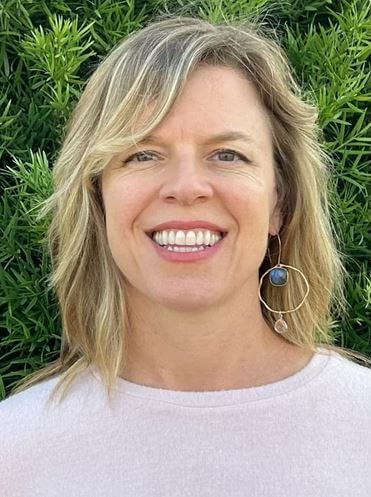 Jessica Tomich Sorci, LMFT is a Level 3 Certified IFS Therapist, IFSI Approved Clinical Consultant, and a Certified Perinatal Mental Health therapist (PMH-C) with advanced training in IFIO. She brings a wealth of compassion and knowledge about maternal mental health to the clinical training and supervision of therapists as well as to the healing journeys of mothers. She is the creator of the Mom Parts Method, an application of IFS into the realm of motherhood that gives moms simple language for working with their big feelings as well as giving them a way to access their own well-resourced Inner Mom.
She’s spent more than 15 years helping moms discover that all their parts (even the “bad” ones) make sense, and her groundbreaking book, “When Good Moms Feel Bad: An Empowering Guide for Transforming Guilt, Anxiety and Anger into Compassion, Confidence and Connectedness” (Balance, 2026) teaches moms how to unblend from and befriend their parts. Jessica trains clinicians through her Mothercentered certification program and offers a membership community for moms navigating their own parts work. www.momparts.com
In this Podcast Episode: Working with Mothers Using IFS and the Mom Parts Method
Jessica walks us through why traditional IFS vocabulary often does not meet mothers where they actually are, how the Mom Parts Method translates parts work into accessible, motherhood-native language, and what therapists can do differently when guilt, rage, shame, and grief show up in session. The conversation also touches on matrescence, patriarchy, the protective function of “bad mom” parts, and what comes up for therapists (especially therapist-mothers) doing this work.
Key Takeaways for Therapists: Maternal Mental Health, Mom Shame, and Parts Work
“As therapists, oftentimes, we really want to fix our clients. We want to feel affirmed as good therapists, the same way moms want to feel affirmed as good moms.” — Jessica Tomich Sorci, LMFT
- Shame is the taboo. Anything that does not look nurturing or competent feels dangerous for mothers to name, which makes normalization and attunement especially powerful in session.
- Context before content. Naming patriarchy, structural under-resourcing, and matrescence helps mothers stop pathologizing their own internal responses.
- “Bad mom” parts are protectors. Rage, panic, perfectionism, and the inner critic are trying to get something back for a depleted mother, not undermine her.
- Mothers already have Inner Mom energy. Therapists can bookmark moments of attuned parenting as evidence of the client’s existing capacity, then help her redirect it toward her own inner baby.
- Therapist parts mirror mom parts. The “good therapist” system often shares the structure of the “good mom” system, which is why this work doubles as personal healing for many clinicians.
- Healing is wholeness, not elimination. The goal is not to make hard feelings disappear, but to build enough capacity to be with them differently.
“Healing is not making stuff go away. Healing is wholeness. It’s being with all of it in a way that’s resourced, that’s got some capacity.”
— Jessica Tomich Sorci, LMFT
The Mom Parts Method: A Five-Step Framework
Jessica walks through the five steps of her method in the full episode. At a high level:
- Meditation or triggering event. Start where the mother already is.
- Identify the parts. A deck of 29 named mom parts helps get them out of the fog.
- Name the truths. 14 anti-patriarchal truths that validate the part’s experience.
- Locate the inescapable vulnerability. Shame or grief.
- Offer the remedy. One of the 8 C’s of Self energy, plus a ninth (choice), from inside the mother’s own system.
Listen to the full episode for Jessica’s clinical examples and how she uses the method in individual sessions and group salons.
Resources on IFS, Maternal Mental Health, and the Mom Parts Method
We’ve pulled together resources mentioned in this episode and put together some handy-dandy links. Please note that some of the links below may be affiliate links, so if you purchase after clicking below, we may get a little bit of cash in our pockets. We thank you in advance!
- Jessica Tomich Sorci’s website, Mom Parts Method, and Mothercentered certification: www.momparts.com
- When Good Moms Feel Bad by Jessica Tomich Sorci, LMFT (Balance, 2026)
- Mothercentered Podcast
- Social media: Instagram
- Internal Family Systems (IFS), IFIO, matrescence, PMH-C, the 8 C’s of Self
Relevant Episodes of MTSG Podcast
- Helping Parents Become What They Needed as a Child: An interview with Bryana Kappadakunnel, LMFT
- Navigating Pregnancy as a Therapist, An Interview with Emily Sanders, LMFT
- Infertility and Pregnancy Loss, An Interview with Tracy Gilmour-Nimoy, LMFT
- Reproductive Mental Health, Intersectionality, and Systemic Barriers: An interview with Dr. Loree Johnson
- What Therapists Need to Know About Menopause and Perimenopause: An interview with Dr. Sharon Malone, MD
- Family Therapy: Not Just for Kids – An Interview with Adriana Rodriguez, LMFT
- Infant and Early Childhood Mental Health: An Interview with Dr. Barbara Stroud
- Adapting EMDR for Neurodivergent Clients: Parts Work, Attunement, and Affirming Trauma Therapy, An Interview with Cathy Hanville and Christine MacInnis
Meet the Hosts: Curt Widhalm & Katie Vernoy
 Curt Widhalm, LMFT
Curt Widhalm is in private practice in the Los Angeles area. He is the cofounder of the Therapy Reimagined conference, an Adjunct Professor at Pepperdine University and CSUN, a former Subject Matter Expert for the California Board of Behavioral Sciences, former CFO of the California Association of Marriage and Family Therapists, and a loving husband and father. He is 1/2 great person, 1/2 provocateur, and 1/2 geek, in that order. He dabbles in the dark art of making “dad jokes” and usually has a half-empty cup of coffee somewhere nearby. Learn more at: http://www.curtwidhalm.com
 Katie Vernoy, LMFT
Katie Vernoy is a Licensed Marriage and Family Therapist, coach, and consultant supporting leaders, visionaries, executives, and helping professionals to create sustainable careers. Katie, with Curt, has developed workshops and a conference, Therapy Reimagined, to support therapists navigating through the modern challenges of this profession. Katie is also a former President of the California Association of Marriage and Family Therapists. In her spare time, Katie is secretly siphoning off Curt’s youthful energy, so that she can take over the world. Learn more at: http://www.katievernoy.com
A Quick Note:
Our opinions are our own. We are only speaking for ourselves – except when we speak for each other, or over each other. We’re working on it.
Our guests are also only speaking for themselves and have their own opinions. We aren’t trying to take their voice, and no one speaks for us either. Mostly because they don’t want to, but hey.
Join the Modern Therapist Community:
Podcast Homepage | Therapy Reimagined Homepage
Facebook | Facebook Group | Instagram | YouTube | LinkedIn | Substack
Consultation services with Curt Widhalm or Katie Vernoy:
Connect with the Modern Therapist Community:
Our Facebook Group – The Modern Therapists Group
Modern Therapist’s Survival Guide Creative Credits:
Voice Over by DW McCann https://www.facebook.com/McCannDW/
Music by Crystal Grooms Mangano https://groomsymusic.com/
Transcript for this episode of the Modern Therapist’s Survival Guide podcast (Autogenerated):
Transcripts do not include advertisements just a reference to the advertising break (as such timing does not account for advertisements)
… 0:00
(Opening Advertisement)
Announcer 0:00
You’re listening to the Modern Therapist’s Survival Guide, where therapists live, breathe and practice as human beings. To support you as a whole person and a therapist, here are your hosts, Curt Widhalm and Katie Vernoy.
Curt Widhalm 0:15
Welcome back, modern therapists. This is the Modern Therapist’s Survival Guide. I’m Curt Widhalm with Katie Vernoy, and this is the podcast for therapists, where we talk about the things that go on in our practices, the things that go on in our professions. And if you’ve ever worked with parents, you’ve heard it: that heavy secret whisper, I’m a bad mom. And as therapists, we usually reach for validation. We reach for self care. Well, sometimes even our own parts, our imposter parts, are showing up and screaming, because we know that sometimes these are just systems that are broken, and we are joined today by Jessica Tomich Sorci, LMFT to talk about maternal motherhood mental health. And thank you so much for joining us and sharing all of your expertise, and got a book coming out When Good Moms Feel Bad, so we’ll talk about that and motherhood in general. So thank you for joining us.
Jessica Tomich Sorci 1:12
Well, thanks Curt, thanks Katie for having me on to share about my obsession with motherhood and mom parts and all the stuff that I love to talk about, happy to be here.
Katie Vernoy 1:25
We’re so glad to have you here. And before we get started, I’m gonna ask you the question we ask all of our guests, which is, who are you and what are you putting out into the world?
Jessica Tomich Sorci 1:33
I am 52 year old woman living in Santa Cruz, California with a 16 year old daughter and 19 year old step son and I spent the first big chunk of my life writing music, writing songs and singing and performing in LA, pursuing a career as a singer songwriter, and then always wanted to be a therapist. I got into as a client when I was very young. I had a pretty troubled childhood, and therapy really saved me. I went initially three times a week. When I was like 18, I found someone who would see me for $7 a session. I went three times a week and, you know, put myself sort of, I won’t even say, back together, formed some health around that went to her for five years, and I wanted to go to graduate school and become a therapist, but I was distracted by my music career for quite some time, so I became a therapist in my early 30s, and started I had a child, and it kind of forged a specialization for me, when I became a mom. I realized it was really different territory than I had expected, and I felt super humbled by what I encountered that I just could not get away from. And so once I had enough brain cells firing I start, I sought a mentor who could help me specialize in maternal mental health, and I’ve been working with that population ever since.
Curt Widhalm 3:12
So we asked this question, not from a shaming place, but from a place of collective wisdom. If other people have made mistakes before, what can we learn so we don’t make the same mistakes? But what do we as therapists usually get wrong when working with parents and specifically mothers?
Jessica Tomich Sorci 3:30
Yeah, you know, I agree. I don’t, I don’t like to shame people. I think we go into this profession with great intentions, and maybe I would say the same thing that steers us funky as therapists is kind of what steers moms in a funky way as mothers. Good intentions, again, we all share that, but we can get taken over by our own parts, by our own agenda, our own need to feel competent, solid, proficient, informed, wise, and so as therapists, oftentimes, we really want to fix our clients. We want to make them better. We want to feel affirmed as good therapists. The same way moms want to feel affirmed as good moms. And that’s something that I think is important to look at and work on, helping our own agenda kind of relax back and stay really curious about what this individual’s got going on. Stay interested and open hearted and let let their parts and their system lead and speak.
Katie Vernoy 4:43
What are the common challenges you see when working with mothers?
Jessica Tomich Sorci 4:47
I think shame, the taboo that is so pervasive around not wanting to look like or feel like a bad mom. Anything that moms feel that isn’t like nurturing, engaged, happy, on top of it, you know, one step ahead, competent, any, anything that kind of has glimmers of, you know, despair or overwhelm, or, you know, feeling really like you don’t know what you’re doing, inadequacy, that stuff is really painful for moms to to talk about and to look at. It feels it feels taboo. It feels like no one else is having this in the same way I am, and this must mean I’m not a good mom. So that’s that’s a really common experience that, you know, I think we unearth as we spend time with mom parts.
Curt Widhalm 5:52
How have you conceptualized these challenges? I’m assuming that you’ve talked with lots of moms and wondering how you’ve kind of circled around being able to bring together some of these ideas. And, yeah, I just want to hear more about your process.
Jessica Tomich Sorci 6:12
I think I have a brain that likes efficiency, that looks for patterns. Maybe we all do in some way. Once I started learning about internal family systems, which is, you know, eight or nine years ago now. I had already had this lots of experience working with moms, big a big practice full of moms, a group practice I ran that was all devoted to maternal mental health. I had a lot of experience with motherhood, and now I had this new body of knowledge, internal family systems. And I was trying to figure out how to marry the two, how they would go together, because I I had personally experienced a lot of healing, working with my parts in in that IFS model. And I was trying to see, like, how does this come in, in any sort of special way with motherhood? And it didn’t come to me right away. It wasn’t like, it wasn’t like a light bulb went off. I just started, honestly, working with post it notes in my office, with with all these mom clients, like writing down the name or the energy of parts that would come up like, you know, controller, depressed, rage, panic, anxious, destroyer, perfectionist, Super Woman, certain, certain kind of archetypal parts just kept showing up. And I was, you know, using these post it notes and putting them on the wall as I’m talking to clients, this is pre pandemic, when we still sat in the same room back in those early days of IFS and me and pre pandemic. So here we’re sitting there, and there’s, you know, five different post it notes or six on the wall. And we’re starting to kind of move them around and notice how they orient around each other and relate to each other. And what would happen is I’d collect those post it notes after a session, and the next mom would come in, and I’d find myself using the same ones again. I didn’t even have to rewrite them, so I was really seeing predictable, common parts in moms and under starting to understand how and why they show up, and really appreciating that the kind of messaging of IFS that protector parts are all really well intended, and if you respect them and take an interest in them, bring your curiosity, you’re gonna discover that they’re allies. Even when they’re called something kind of horrifying, like rage or destroyer or suicidal, they still have a way in which they’re trying to help you. And when we can get curious about that and get into an actual exchange with that part, we discover that we’re on the same team, and that that part actually can benefit from a certain kind of care and attention. So I was starting to piece that together over a couple of years, and then the pandemic happened, and everything went wonky, and then kind of coming back together. I I started printing those words out on pieces of paper and cutting them out and using them like cards in my office and with groups. And it, it became, over time, the mom parts method, in a way of working with moms that felt like I added in a bunch of pieces, but it was a really condensed, quick, efficient way of moving through an IFS process without ever having to teach my client IFS and explain about exiles and managers and firefighters. I could use regular mom lingo like talking about, well, you have an inner mom, and you have an inner baby, and your your inner baby needs your inner mom and helping kind of direct things that just made a lot of sense to them in a really short amount of time.
… 10:12
(Advertisement Break)
Katie Vernoy 10:15
There are a lot of different theories about how to become a better parent, and in tapping into IFS it feels like you’ve tapped into a huge wealth of knowledge that that pulls into a whole system. And so it seems like it’s standing apart, but it also, I’m assuming, it also interplays with other grounded theories of parenthood and even womanhood and that kind of stuff. Can you talk about how your your theories fit within the larger system?
Jessica Tomich Sorci 10:45
Yeah, I feel like it’s really important to acknowledge that women and mothers in this country and in many countries live in a patriarchal context where their work isn’t valued and supported and well resourced and funded. And so in general, moms experience a lot of depletion and loneliness and workload and burden in motherhood. And I think knowing that, knowing that that’s there systemically, is an important piece of witnessing and validating mom’s experiences in a way that feels accurate and attuned. So knowing that external context of patriarchy and kind of under resourcing is important. Knowing about matrescence, which is the developmental phase of motherhood that’s got massive physiological underpinnings that are just inescapable, you know, knowing that that’s here too. Those those two things feel so relevant to being able to hear about mom’s parts that might feel kind of scary or feel kind of threatening to her in how big or intense they are, how unfamiliar they are since she became a mom, and, you know, starting to move closer to them with curiosity, rather than recoiling or being judgmental or calling this a disorder out of the out of the gates.
Curt Widhalm 12:23
So I’m thinking of our audience who might be familiar with IFS, and as you’re evolving this into kind of the terms of motherhood, and developing these ideas around inner mom, I’m passingly familiar with IFS myself. So maybe help us walk through how is this inner mom different from maybe the classic language around self? And let’s maybe start from there.
Jessica Tomich Sorci 12:54
Yeah, that’s a good question. You know, self is a little bit esoteric. It’s so important. I don’t mean in any way to demean it as a concept. It’s been life changing for me, and I think I still hold the value that if moms start with with my mom parts method that maybe over time, as they have more space and resources, they’ll dig in more deeply to understanding self and all the more intricate elements of IFS. But as a starting place, what I learned was that trying to explain to a mom who’s maybe, you know, breastfeeding during the session, or handling a couple of kids in the background, or, you know, driving in the car while while having therapy on the phone so she can go pick up her kids from school. It just is too hard. It was too hard to really deliver the kind of nuance that I think IFS sometimes requires. So I would find these opportunities, they come up all the time with moms of noticing where they had been particularly attuned and supportive or patient or loving or well intentioned or present. I probably already said that, but that’s the big one with their child, maybe when their child, you know, gotten hurt or really needed them, thinking of this one client who did not have much self compassion for you know that wasn’t part of her normal routine. She was pretty full of shame, and had been, I’d worked with her for quite some time. But she described laying with her her like nine or 10 year old daughter in bed one night, and her daughter was just crying and saying something about school problems or not feeling like she had friends. And my client was describing this way of being with her daughter that was so amazing, so supportive and kind and interested and present, not trying to fix it or make it go away, or, you know, get up and get on to the next thing she was just being there and really staying present with her daughter in a loving way. And that is such a good example, which I pointed out to her, of of her inner mom, of what she has the ability to do for someone dependent and vulnerable. She clearly has it in her, in her nervous system and in her soul. She does not lack that capacity. So in pointing that out to her, and really kind of like bookmarking it, we would come back to that exact moment, hey, when you were with your daughter in that moment, remember that one? Can you bring some of that inner mom to this part of you that was, you know, coming up at a later date, maybe a future session that’s also really needing that kind of care. And and she could, she knew what I was talking about. I had another client who told me, like, her three or four year old threw a massive fit in the middle of the mall, and that she was at first really embarrassed, and trying to, like, you know, get him to get his act together. But at some point, she just sat down on the floor in the mall right in the middle and just patiently waited for him, and, you know, he kind of moved through his meltdown, and then came and sat on her lap, and they, they like, connected and regulated together. That was one that I kept pointing to for her like that’s her inner mom. She has this wealth of resources inside that are untapped when it comes to her own suffering, or her own inner baby, her own young parts, she hasn’t connected the two yet. Her inner baby still waiting for some external source. But the reality is that doesn’t come. Once you’re an adult, you’re not going to get that kind of mothering outside. We sort of have this finite opportunity when we’re actual kids, and in which someone else is needed for that job, and potentially can fit the bill. As adults, we can get some good stuff here and there from from loving people, but we’re not going to get that attuned, responsive mothering from outside. We can get it from inside. And so I’m really just trying to educate moms on how to include their own inner baby in their family and in their kids when they’re taking care of their kids, check in with your own inner baby to see if she needs a snack or a snuggle or some time.
Katie Vernoy 17:27
So you’ve been talking about this mom parts method, and so maybe, you know, we’ve been talking around it, maybe you can give us more kind of the high level rundown of: What is it? How you developed it? What that looks like? Because I think we’ve, we’ve had little bits and pieces through this conversation.
Jessica Tomich Sorci 17:42
Yeah, when I wrote the book, you know, trying to figure out how to structure a book is like a whole thing, and I realized I already had this, this five step method I’d been using, and it was a good way to set the book up so that I could explain sort of IFS in my own way, and motherhood and a way for moms reading the book to start to companion themselves and work through difficult, difficult stuff. And it’s essentially the five steps are: The first step is a meditation or finding a triggering event. So for some moms, you walk in, you don’t need a meditation. It’s just here. It just happened, right?
Katie Vernoy 18:30
Sure.
Jessica Tomich Sorci 18:30
Like with me. But sometimes it’s like, Okay, I’m gonna, I’m gonna be guided through a remembering of some kind of event that was really triggering for me, are really activating, and I’m going to start to notice what came up in my body and how did I feel it, what sort of thoughts and beliefs emerged with it. So we try to get mom really close to the experience. Step two is identifying the parts. We’ve got 29 mom parts that I’ve just sort of randomly named. There are, I’m sure, a million more, and moms are free to name their own. But these 29 tend to cover a pretty good spectrum. So we come back and we look at the 29 parts. I have a deck of cards that have the 29 parts, or I can use a PDF, if we’re online, and choose the parts that were most activated in that memory or in this thing that’s happening in your life, lay those cards out. Step three is what I call the truths. And there are 14 truths. Again, moms can create their own, but truths really need to be kind of anti patriarchal. They need to be accurate to your parts experience. So truths tend to be things like I did the best I could. My kid really triggers my feelings of not being good enough. I’m not getting my own needs met. Sometimes I don’t like being a mom. Things like that that are hard to say. They kind of violate the taboo, but they really validate the experience of the part. So that’s step three, and usually by then, when moms have identified their parts and spoken a truth that that feels a little liberating, and also it’s really shining a light on something that’s been hard to say or know, we then go to step four, which is identifying the inescapable vulnerability of motherhood, which there’s only two choices, shame or grief. You can choose both. But what which of those feels most alive for the these parts and this truth? And so they lay down the word shame or grief. And each one of these steps, there’s some reflecting that goes on, sometimes some journaling. The fifth step is the remedies, which are the qualities of self energy, those 8 Cs of self and then I’ve added in choice. If you’re familiar with IFS, you know, self energy is recognized by one of these fabulous C words, courage, clarity, calm, connectedness, creativity, compassion. I start to forget them, but I list, yeah, you can make up your own. There’s the eight of those, plus the C word choice, which is such a good, empowering word for moms and I ask, Which of these nine remedies does your part most need from you? Which is a little different? It’s interior, like what’s either alive in you in terms of these nine remedies, because oftentimes moms just already feel a lot more compassion for themselves, or a lot more clarity about what happened. But if that’s not alive and it still feels like a prickly, stuck kind of narrative, what would those parts need from you if they could get it? And so they lay those remedies down, and now we’ve got, like, all these different parts that are in a map of sorts, that really tell a story of what’s been going on inside, what hurts, what truth is is in there, and what remedy is needed. And it’s a good spot for reflecting, for coming back to, for going deeper into, for sharing with other moms. It goes really nicely in a group setting, where it’s it’s been really moving to me to see moms at really different phases of life. I’ll have sometimes in person, a mom with a baby, she’s bouncing while she’s laying the cards down, and another mom who’s got kids in college, and they have the same cards, they pick the same cards, or they understand and resonate with each other’s truths. And that’s always really kind of comforting to them, that there’s a lot we share in motherhood. It’s a universal experience.
… 22:55
(Advertisement Break)
Curt Widhalm 22:58
How does this practically look? I’m imagining a mom in a situation who is driving down the freeway. She’s got two kids who are toddlers, screaming in the back, throwing things, yelling that they need to go to the bathroom. Mom is fantasizing about the career that she gave up in order to be in this particular situation. How does this translate into moments like that? You know, if kids are sleeping, it’s, you know, really peaceful to be able to kind of sit down and sit in truths. But when, when the stakes are high, when the rage and the resentment kind of comes up. How does this work help transform in those moments?
Jessica Tomich Sorci 23:42
Yeah, that’s a good question. So there are these discrete one hour events that I’ll hold called mom parts salons, where lots of moms come. And those those times are more dedicated to that exact process, those five steps, that’s what we do. It’s quite structured, and we get through it all in an hour, and they’re sharing, a lot happens in an hour, because the structure is so clear. But what you’re talking about would be more like an individual one on one kind of moment. And how does this, how does this sort of thinking and orientation, how useful can it be when things are shits hitting the fan, or things are really complex and loud and chaotic? And then I think, you know, what I see is it’s a it’s a larger way of looking at what’s going on. And for a therapist, you can still hold on to that mom in the car with the with the kids in the back making all the noise, lamenting the loss of her career, we know that her wanting part is so alive and so neglected. If you’ve taken the training and you’re part of this mother centered sort of way of looking at motherhood that includes all these things we’ve talked about today, patriarchy, matrescence, mom parts, you know that her, you can look at her system in terms of its parts, she’s going to have that wanting part that really gets put on the back burner in motherhood, wanting being something that’s innate to humanity, that’s healthy, that you would never want to not have. It’s so important to have that kind of vitality that tells you what your soul or your body or your spirit needs to to be healthy and to actualize your your gifts. Moms have to press pause on that a lot, and that mom who’s who’s thinking about her career that’s stalled, you know, if the therapist knows that’s alive in her and can maybe even as as the chaos is raining in the car, you know, say I’m really hearing your wanting part and how neglected it’s been feeling, wondering if you’ve got the same kind of compassion for it that I have right now? What’s it like to recognize that wanting part as so important to your health and so displaced right now, it’s it’s unfair, isn’t it? I wonder what we can do to help that wanting part feel heard, like it matters, like it’s valued. And you know, that’s probably number one, because I’m not sure you’re going to get what you want right now, you’ve got two screaming toddlers, and you’re on your way somewhere that’s not necessarily in keeping with your vision for your life. So even though we might not be able to change what’s actually going on outside, we can start to orient around what’s going on inside in a way that’s super validating and illuminating for moms. In in my book, I list those 29 parts, and I give a description of each one that’s flattering. You know that there’s, there’s a word IFS uses, and I’m not gonna be able to think of it right now, but it’s got to do with when something really surprises you and delivers the opposite of what you’re expecting. Like, oh, that’s, that’s not what I was expecting. And that’s really, that’s really part of what’s so unique about mom parts and IFS is you, you feel rage. You just screamed at your kids. You’re you’re awash in shame. You are not being the person that you meant to be, that you kind of vowed to be, not like your own mom. You know you were going to be different, and here you are feeling those same things that you specifically promised yourself you wouldn’t feel or act on. And you know, when you’re met with this, this sort of philosophy of mom parts, there’s a way of understanding that rage that is humanizing and soft and appreciative, that starts to see, how is rage actually trying to help you? How is it on your side? You know, it may be the only energy in your life that cares more about you than your kids. Starting to look at those sorts of head scratching like un-blending kind of statements that give you pause so that maybe you can start befriending that part, rather than feeling the rage and feeling the shame and having the inner critic come on that tells you it’s not okay to be who you are, and you better get your act together, and you also should hide this and not talk about it with anyone, and starts to peel those layers off so that there’s there’s more possibility of mom trusting herself.
Katie Vernoy 28:43
I’m hearing a lot of validation. I’m hearing kind of normalization, pulling things out of the shadows, and I’m starting to hear this, this healing element to the work. And so maybe you can speak a bit more beyond mom’s realizing they’re not alone, and what they’re doing is normal, and there’s even names for it, because I think that’s that’s powerful, but it’s, it’s not all that’s happening here.
Jessica Tomich Sorci 29:11
That’s right, yeah, I think by normalizing and validating, we get some of those protective parts to stand down a little bit. Just like out in the real world, if you’re in a an argument with somebody, things aren’t going to calm down and become more kind of conversational if you are coming at them hard and telling them to shut up and stop it. Right? It’s what’s going to help things mellow out is you saying, Okay, I really want to hear you. I want to listen. I want to understand. Tell me more. That makes sense. Okay, you don’t have to agree, but if you can listen with real interest, to your to your parts, things start to calm down, and now your protectors aren’t so grabbing the wheel, there’s a little more space in the system. And what I find, and not just me, IFS finds, is that when our protectors come down, relax, we have access to more self energy, which is that spaciousness of of curiosity and calm and compassion. And in that kind of opening, we can actually invite some of what really hurts; our old history, the wounds from our childhood that are positively informing our parenting. We could start to look at that, and I call that, that inner baby stuff, like your own fear, your own sadness, your own hurt, what you’re most afraid of, what you were really hoping for, and there’s more space in the system for it to be beheld and known. I and I like to come back to this idea that healing is not making stuff go away. Healing is wholeness. It’s it’s being with all of it in a way that’s resourced, that’s got some capacity.
… 31:10
(Advertisement Break)
Curt Widhalm 31:13
What comes up for the therapists and the therapist’s own parts in doing this kind of work?
Jessica Tomich Sorci 31:18
Same stuff that comes up for moms in mothering, you know those feelings of, I really want to get this right. I care so much about my clients, and I want to help them and oh my gosh, their big feelings kind of scare me and intimidate me and overwhelm me, just like with our kids, when they flip out in ways that we’ve never seen before, and we don’t know what to do with and we feel at fault for sometimes right? Therapists can really blame themselves if their client, quote, unquote, gets worse or doesn’t get better. And so I think it’s the same process. That’s part of what I’ve noticed makes this training that I do so powerful is most of the people who do the training are therapists and mothers, and that that dual role means that most of them are attending to and working with their therapist parts and their mom parts, and they’re almost always the same. So we get a lot of work done together by being with our therapist parts and and helping our own therapist’s parts start to relax, just in the same manner listening to them. What are they afraid of? What are they remembering? It’s always our own inner baby stuff. Once again, it’s our own inner baby that remembers being rejected when we were little or left out or feeling afraid that we’re not good enough or that we’re not deserving, or something like that. All those burdens that that our wounded parts carry, those are very much addressed in in in IFS if you do ifs training, and in my mother centered training. That’s honestly why I love this work, because we’re working on our own healing together in the room while we’re learning concepts that we can apply.
Katie Vernoy 33:19
How do you know with a client, if this is a good mechanism or a good avenue to explore? Because it seems like moms can come in and want to talk about work, or they want to talk about something else, and I think that invariably, they end up talking about their kids at some point, but, but this seems very focused on that part of who they are. And so when is this most appropriate to kind of pull out of the tool bag?
Jessica Tomich Sorci 33:48
You know, I think of it as more of a global way of seeing the system. So even if you don’t whip out your mom parts cards or do any part of this five step method, you’re still looking at the parts that are here, and the parts that are here aren’t only applicable to parenting or to motherhood. That wanting part includes, you know, food, sex, sensuality, music, art, learning, travel, everything that you want. It, so it’s really mother centered. It’s coming back to her as an individual, taking an interest in her, not really parenting. We, you know, we don’t talk a lot in this about how to be a better parent, or how to perform better, like how to get the actions that are desired. We, we look at all of that as kind of evidence that’s descriptive of the parts themselves. What parts are active? How do we take care of your parts? I think the best parent is a well regulated well well cared for parent. The best therapist is a well regulated well cared for therapists. So it just always comes back to making that U turn. IFS talks about that, coming back to yourself and seeing what’s happening inside of me? What parts are driving this? What’s What are they afraid of? What are they hoping for? Getting curious about your own system.
Curt Widhalm 35:19
Can you tell us a little bit more about your book. And if people are really resonating with this, where they can find it.
Jessica Tomich Sorci 35:27
Yeah, it’s called when good moms feel bad, and it has a long subtitle, an empowering guide for transforming guilt, anxiety and anger into compassion, confidence and connectedness. It’s available everywhere, at least in America and Canada, so you can get it on any in any store or online. And yeah, I wrote it with the hope that lay people, regular old moms, could pick it up and and make sense of it and use it. And at the same time, I think it’s really powerful for therapists to read, yeah, and it’ll walk you through all the stuff we talked about today, an understanding of the systemic kind of setting that moms find themselves in, and how much that really sets us up for having certain kinds of parts, having to kind of fend for ourselves with a huge, huge responsibility and workload under supported. And then these parts that emerge are big and powerful and not very well liked because they’re they’re pissed off, or they’re panicky, and, you know, understanding that context, and then starting to look at each of the parts and how to how to help them unpack their truths and get to the pain they carry and find more of that inner mom type of energy for ourselves, not just our kids.
Katie Vernoy 36:54
You also talked about a training that you do for therapists.
Jessica Tomich Sorci 36:58
Yeah, I offer a whole curriculum called Mothercentered, got a 16 hour training coming up in the spring, and then I’ll do it again, probably towards the end of the year, and then lots of advanced trainings that are sort of extra from there, where we really strive to understand these concepts that I’ve shared today, including grief and shame in motherhood and why they’re inescapable, and what to do with them. As a clinician, what do you do when you unearth a bunch of shame, or you land on a big pocket of grief, and also understanding the polarizations of mom parts, how we’ve got these parts that are so determined to be a good mom. I call them good mom parts to do all the things right. And when we lean into them, as hard as we do in this culture and in this era, we’re gonna have a sort of balancing of what I call bad mom parts. They’re not really bad, but they show up to get something back for mom. You know, they’re really the parts of you that are aware of how under resourced and back burnery all of your stuff has become, and they’re they’ve had it. They can’t take anymore, and they want a little something for you. And understanding that as a system and a predictable kind of energetic pattern is really helpful for normalizing and for also breaking that that cycle.
Curt Widhalm 38:30
And we will include links to Jessica’s book and course in our show notes over at mtsgpodcast.com. Follow us on our social media to continue on with this and other conversations. You can do that in our Facebook group, the Modern Therapist Group, and until next time, I’m Curt Widhalm with Katie Vernoy and Jessica Tomich Sorci.
… 38:52
(Advertisement Break)
Announcer 38:54
Thank you for listening to the Modern Therapist’s Survival Guide. Learn more about who we are and what we do at mtsgpodcast.com. You can also join us on Facebook and Twitter, and please don’t forget to subscribe so you don’t miss any of our episodes.




SPEAK YOUR MIND